Getting your first tattoo is an exciting experience that becomes much easier when you know how to prepare. Good preparation starts with being comfortable with your tattoo design, size, placement, and artist, then making sure your body and skin are ready for the appointment.
During the week before your tattoo, keep the planned area healthy and protect it from sunburn or irritation. The night before, avoid alcohol, get enough sleep, and prepare everything you need. On tattoo day, eat a proper meal, shower, wear comfortable clothing, and bring your ID, payment, water, and anything you may need during the session.
After more than 10 years of tattooing, I have found that first tattoo appointments usually go more smoothly when people know what will happen and arrive rested, fed, and prepared. In this article, you will discover the most important things to know before your first tattoo, what to do during the week before your appointment, how to prepare the night before, and what to expect once you arrive at the studio.
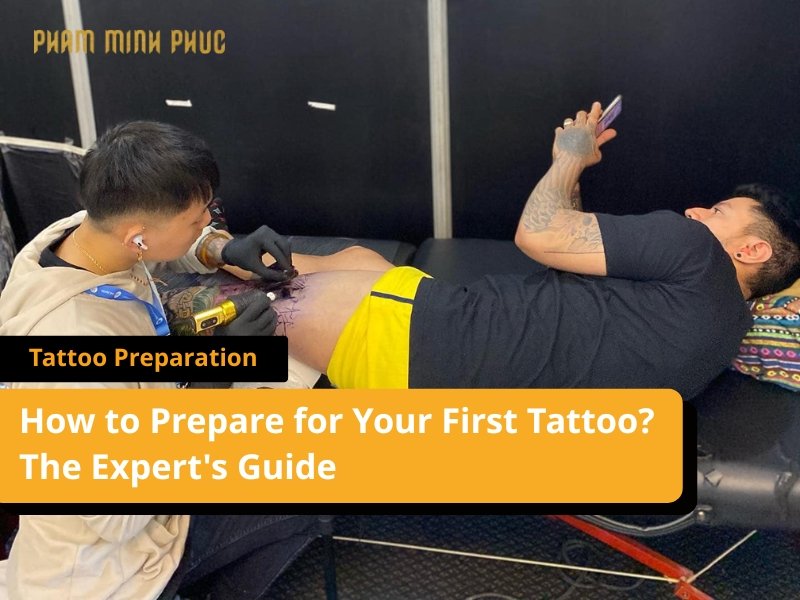
Table of Contents
What Should You Know Before Your First Tattoo?
Preparing for your first tattoo involves understanding several decisions that can affect both the appointment and the finished artwork. Size, placement, pain, design adjustments, and the tattoo process are easier to manage when you understand them before arriving at the studio.
Knowing these details in advance also gives you more time to discuss concerns with your artist instead of making permanent decisions under pressure on tattoo day.
Choose a Tattoo Size That Works for Your Design
Your first tattoo does not have to be small simply because it is your first. The right tattoo size depends mainly on the amount of detail in the design, the placement, and how clearly the artwork needs to read on your skin.
A detailed portrait, anime character, animal face, or realistic composition usually needs more space than a simple symbol or short line of text. When detailed artwork is reduced too much, important features may need to be simplified or placed too close together. Your artist may therefore recommend increasing the tattoo size or adjusting certain elements before the session begins. Understanding how tattoo size affects detail and readability can help you choose dimensions that support the design rather than limiting it.

Think Carefully About Tattoo Placement
Tattoo placement affects more than where the artwork appears. The location can influence how the design fits your body, how visible it is, how uncomfortable the session feels, and how easily the tattoo can connect with future work.
Before choosing the placement, consider:
- Visibility: Do you want the tattoo easy to show or easy to cover?
- Available space: Does the area provide enough room for the design and its details?
- Pain: Some body areas are more sensitive than others.
- Body shape: Curves, joints, and muscle movement can change how the artwork sits.
- Future tattoos: Will you want to extend the piece into a sleeve, chest project, or larger composition later?
For example, the same design can look very different on the forearm, shoulder, ribs, chest, or ankle because each area has a different shape and amount of usable space. If you are still deciding, comparing the best spots for a first tattoo and different tattoo placement ideas can help narrow your options.
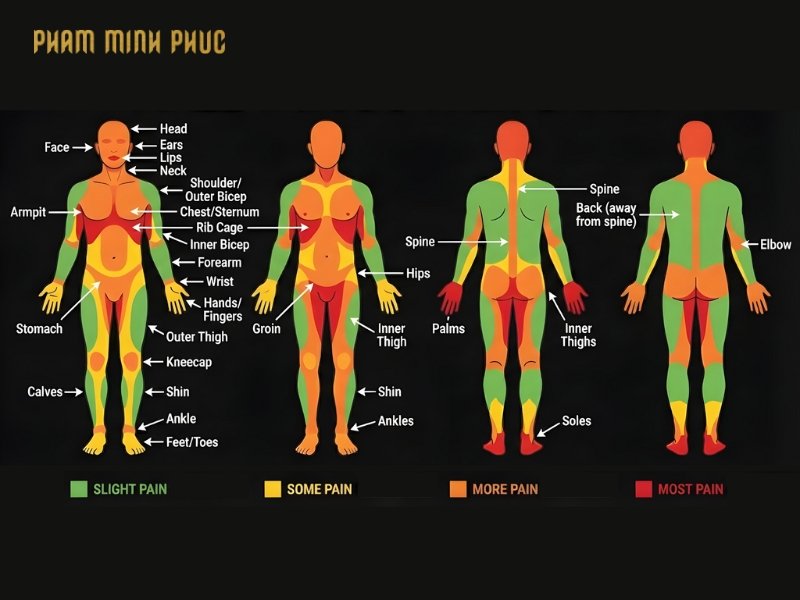
Know That Tattoo Pain Varies by Placement
Tattoo pain varies significantly between body areas, so there is no single pain level that applies to every first tattoo. Placement, session length, individual sensitivity, tattoo style, and the amount of work performed in one area can all influence how the session feels. Areas with less padding over bone or greater sensitivity often feel more intense than areas with more muscle or soft tissue. A long session can also become increasingly uncomfortable even when the placement itself is considered relatively manageable.
Pain should be part of your placement decision rather than the only factor controlling it. You will experience the tattoo session for several hours, while you may live with the placement for decades. If pain is one of your main concerns, compare different body areas using a tattoo pain chart before making your final decision.
Your Artist May Adjust the Design Before Tattooing
A tattoo design does not always transfer to the body exactly as it appears on a phone screen, drawing, or reference image. Your artist may need to adjust the size, proportions, line spacing, orientation, or small details so the artwork fits the available skin and remains visually clear.
These changes are especially important for detailed designs because human anatomy creates curves and movement that do not exist on a flat image. The goal is not simply to copy the reference, but to adapt the composition so it works as a tattoo on your specific placement. The stencil may also need to be repositioned several times before both you and your artist are satisfied with the result. If the position feels wrong, say so before tattooing begins. Moving a stencil is simple, while changing a completed tattoo is much more difficult.
Your Appointment Includes More Than Tattooing
Your tattoo appointment begins before the needle touches your skin. Time may be needed to check identification, review the final design, confirm the tattoo size, choose the exact position, apply the stencil, prepare the work area, and place your body in a comfortable position.
For custom work, the artist may also make small design or placement adjustments before starting. Longer sessions can include short breaks, and additional time is needed at the end to clean, photograph, cover, and explain how to care for the tattoo. For this reason, the total amount of time you spend at the studio may be longer than the actual tattooing time. Avoid planning something immediately afterward unless you already know when your appointment is expected to finish.
You Can Ask Questions and Take Breaks
Your first tattoo is not a situation where you need to stay silent or pretend that everything feels comfortable. Before the session begins, ask about anything you do not understand about the design, placement, process, or expected session length.
During tattooing, tell your artist if:
- you need to change position
- you need to use the bathroom
- you need a short break
- you feel dizzy or nauseous
- you begin to feel unusually hot or sweaty
- something about the session feels wrong
Communicating early gives your artist a chance to respond before discomfort becomes harder to manage. If you still have questions about your design, placement, size, price, or the tattoo process before your appointment, a tattoo consultation gives you time to discuss them before the session.
One Week Before Your First Tattoo
You do not need an intensive skincare routine during the week before your tattoo. The goal is simply to keep the planned area in its normal healthy condition and avoid anything that may leave the skin burned, damaged, or irritated.
A few basic habits during this period can reduce the chance that a skin problem interferes with your appointment.
Keep the Tattoo Area Moisturized
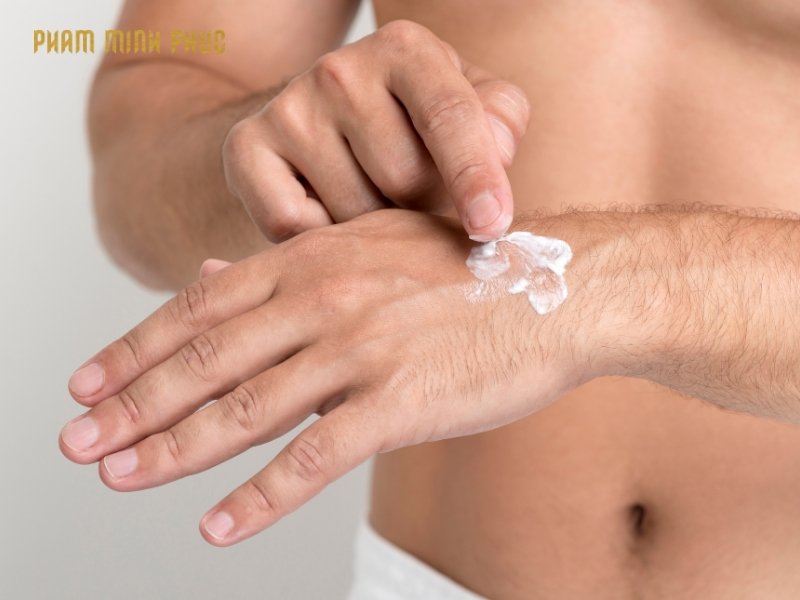
If your skin is normally dry, use a simple moisturizer during the days before your tattoo to keep the area comfortable. Skin that is extremely dry, cracked, or irritated may be more difficult to work with than skin in its normal healthy condition.
There is no need to apply excessive lotion or introduce new skincare products immediately before getting tattooed. Use products that your skin already tolerates well and avoid experimenting with strong ingredients during the days leading up to your appointment. On tattoo day, arrive with clean skin rather than covering the area with heavy lotion, body oil, perfume, or other products. Your artist will prepare the skin properly before applying the stencil.
Protect Your Skin From Sunburn and Irritation
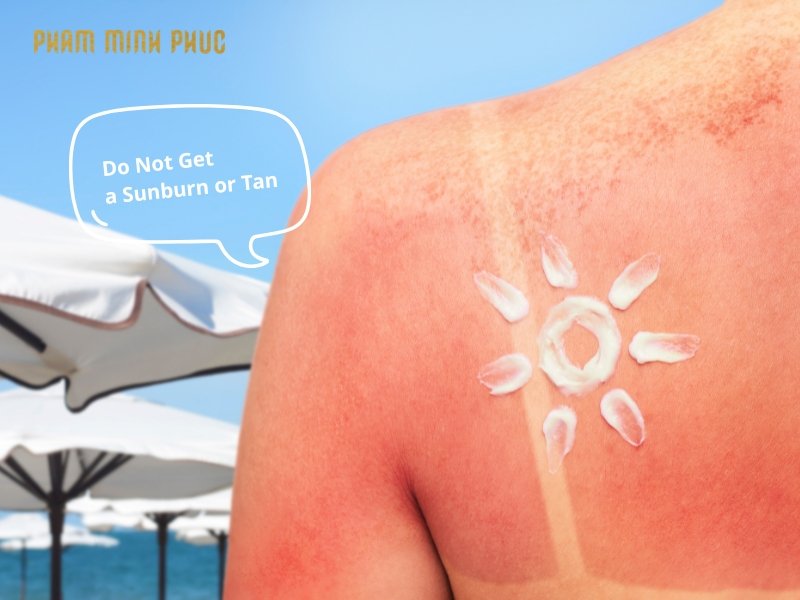
Protect the planned tattoo area from sunburn during the week before your appointment. Skin that becomes red, painful, peeling, blistered, or heavily irritated may not be suitable for tattooing until it has recovered.
During this period, try to avoid anything that damages or irritates the area, including:
- sunburn
- fresh cuts or scratches
- aggressive exfoliation
- harsh skincare treatments
- repeated friction
- picking at pimples, scabs, or healing skin
If the area becomes significantly irritated before your appointment, contact your artist instead of assuming the session can continue as planned. Sending a clear photo in advance can help the artist decide whether the skin needs more time to recover.
What Should You Do the Night Before Your First Tattoo?
The night before your first tattoo should be simple: drink water normally, avoid alcohol, prepare your belongings, and get a good night’s sleep. You do not need an extreme diet, unusual skincare routine, or any special preparation that your artist has not recommended.
Preparing these basics in advance also helps reduce stress on tattoo day.
Stay Normally Hydrated
Systemic hydration functions as an internal moisturizer that significantly alters the physical properties of your skin. Water intake increases the turgidity of the dermal cells. This internal pressure tightens the skin surface to create a firm and resilient canvas. Optimal cellular hydration allows the tattoo needle to penetrate the epidermis cleanly without snagging or bouncing. This mechanical precision drastically reduces trauma to the surrounding tissue compared to the spongy texture of dehydrated skin.
The body utilizes this fluid balance to facilitate efficient ink saturation. Well-hydrated skin absorbs pigment immediately upon contact. This receptivity prevents the artist from overworking a specific area. Repeatedly passing over the same spot causes excessive swelling and bleeding that pushes ink out. You should aim to consume approximately 2 to 3 liters (roughly 0.5 to 0.8 gallons) of water strictly throughout the day before your appointment and maintain this steady intake right up until your appointment time.

Avoid Alcohol Before Your Tattoo
You must abstain from alcohol for at least 24 hours prior to your session. Alcohol can contribute to dehydration, affect judgment, and may increase bleeding during the tattoo session.
It causes blood vessels to expand and increases bleeding significantly during the tattoo process. Excessive bleeding pushes the ink out of the skin before it can settle. This results in patchy, faded artwork. A hangover increases physical sensitivity and anxiety. It makes the session significantly more painful. This restriction also applies to aspirin and other blood-thinning medications unless prescribed by a doctor.
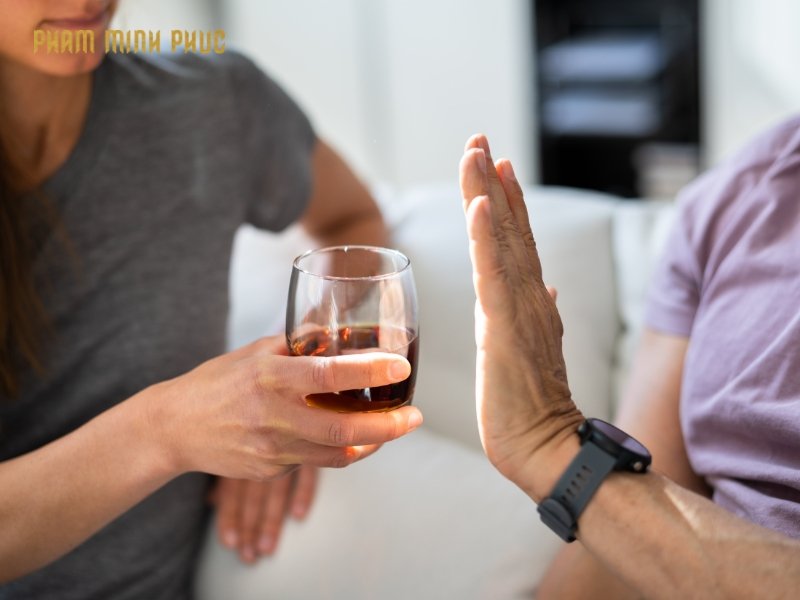
I maintain a zero-tolerance policy regarding intoxication for your safety. I will strictly refuse to proceed with the session if you arrive under the influence or exhibit visible signs of a hangover. We will have to reschedule your appointment to a different day when your body is biologically stable. This decision protects you from increased medical risks and ensures the artistic quality of your tattoo.
Get a Full Night of Sleep
Try to get a normal full night’s sleep before your first tattoo. Tattoo sessions can require you to remain relatively still for a long period, and managing discomfort usually becomes more difficult when you are already tired. Good sleep also makes it easier to stay patient during design review, stencil placement, tattooing, and breaks.
If you feel nervous about the appointment, prepare your clothing and belongings earlier in the evening so you have fewer things to think about the next morning.
Do Not Shave Unless Your Tattoo Artist Tells You To
Unless your artist gives you different instructions, leave shaving the tattoo area to them. Shaving too closely at home can cause razor burn, small cuts, ingrown hairs, or irritation immediately before the appointment. Your artist can remove the necessary hair while preparing the skin before stencil application. If you have already shaved and notice redness or irritation afterward, tell your artist before the session begins.
Prepare Everything You Need for Tattoo Day
Prepare your essentials the night before so you do not need to rush before the appointment. At minimum, make sure you have:
- a valid photo ID
- an accepted payment method
- comfortable clothing
- water
- any studio-specific items your artist asked you to bring
For a longer session, you may also want a small snack, headphones, a phone charger or power bank, and quiet entertainment. Before going to bed, confirm your appointment time, studio location, parking situation, and expected travel time so you can arrive calmly and on schedule.
What Should You Do on the Day of Your First Tattoo?
On tattoo day, keep your routine simple and focus on arriving in good physical condition. Eat before the appointment, shower, wear suitable clothing, check the tattoo area for irritation, and leave enough travel time so you do not arrive rushed.
These steps are especially useful for a first tattoo because they remove avoidable distractions once you reach the studio.
Eat a Proper Meal Before Your Appointment
You must consume a substantial, balanced meal 1 to 2 hours before your arrival. The tattooing process triggers an adrenaline response that depletes blood glucose levels. You should focus on a mix of lean protein like chicken or eggs, complex carbohydrates like oatmeal or vegetables, and healthy fats from sources like avocado or nuts. This specific composition provides sustained, slow-release energy and prevents the sharp glucose crashes associated with sugary foods.
Preventing hypoglycemia is critical as it acts as the primary cause of fainting and dizziness in the studio. I also recommend consuming foods rich in Vitamin C. Vitamin C aids in collagen synthesis and boosts the immune system for immediate wound healing.

If you need more specific meal and snack ideas, read what to eat before your tattoo.
Shower and Arrive With Clean Skin
Take a normal shower before your appointment and gently wash the planned tattoo area with your usual mild soap. Arrive with clean, dry skin so your artist can prepare the area properly before applying the stencil.
Avoid covering the area with:
- perfume
- body oil
- tanning products
- heavy lotion
- unfamiliar skincare products
There is no benefit in trying to create a special skin condition at home because the artist will clean and prepare the area again at the studio.
Wear Comfortable Clothing for Your Tattoo Placement
Choose clothing according to the placement of your tattoo so the artist can reach the area without forcing you to hold clothing out of the way for several hours. Your clothes should also allow you to remain comfortable in the position required for the tattoo.
A few practical examples:
- Thigh or lower-leg tattoo: shorts or loose pants that can be moved easily
- Upper-arm or shoulder tattoo: a loose sleeveless shirt or clothing that exposes the area
- Chest, ribs, back, or hip tattoo: clothing that can be adjusted while still keeping you comfortable and appropriately covered
Dark clothing is often practical because stencil marks or tattoo ink can occasionally transfer onto fabric. For longer sessions, consider bringing an extra layer since sitting still for several hours can make some people feel cold.
Check Your Skin Before Leaving Home
Look carefully at the planned tattoo area before leaving for the studio. Contact your artist if you notice:
- significant sunburn
- open cuts or fresh wounds
- active rash
- severe razor burn
- strong redness or irritation
- another visible skin problem in the planned tattoo area
Do not hide a skin problem and hope that it will not matter. Your artist needs to see the real condition of the area and decide whether tattooing can proceed or whether the skin needs more time to recover.
If the condition appeared before tattoo day and looks significant, contacting the studio before traveling can save you an unnecessary trip.
Bring Water, Snacks, and Something to Keep You Comfortable
A short tattoo may require little more than your ID and payment method. For longer appointments, a few additional items can make the session more comfortable:
- water
- a simple snack
- headphones
- phone
- charger or power bank
- quiet entertainment

The tattoo placement determines what you can realistically do during the session. For example, using your phone may be difficult during an arm tattoo if that arm needs to remain completely still. Ask your artist what is appropriate if you are unsure. Staying entertained is useful only when it does not interfere with your position or the artist’s ability to work.
What to Expect at Your First Tattoo Appointment?
Knowing what happens after you arrive at the studio can remove much of the uncertainty around your first tattoo. Every artist has a slightly different workflow, although most appointments follow a similar sequence from check-in to aftercare.
Here is what you can usually expect:
- Check in and confirm your information. Your appointment normally begins with identification and any required paperwork. Bring a valid photo ID and make sure you meet the studio’s age and identification requirements.
- Review the final tattoo design. Before tattooing begins, check the artwork carefully for spelling, dates, symbols, orientation, proportions, and overall composition. If something does not look right, discuss it with your artist before moving forward.
- Confirm the tattoo size and placement. Your artist will place the stencil on your body so both of you can evaluate the exact position. It is completely normal to move the stencil several times until the placement works with your body and feels right to you.
- Prepare the skin and work area. Once the placement is confirmed, your artist will prepare the tattoo area and equipment. Hair may be removed if necessary, and the skin will be cleaned before tattooing starts.
- Begin the tattoo session. The first few minutes may feel unfamiliar because you do not yet know what the sensation feels like. Try to breathe normally, keep your body relaxed, and stay as still as your artist needs.
- Take breaks when needed. Longer sessions may include short breaks. Tell your artist immediately if you feel dizzy, nauseous, unusually hot, sweaty, lightheaded, or otherwise unwell instead of trying to push through the symptoms.
- Clean and cover the finished tattoo. After the tattoo is complete, your artist will clean the area and apply the appropriate dressing or bandage. The type of covering and how long you should keep it on can vary, so follow the instructions given for your specific tattoo.
- Review your aftercare instructions. Before leaving, make sure you understand how to care for your tattoo during the first stage of healing. Your artist should explain the essential restrictions and when to remove or replace the dressing, while the complete tattoo aftercare guide can provide more detailed information afterward.
The full appointment may take longer than the actual tattooing time because design review, stencil placement, setup, breaks, cleaning, and aftercare are all part of the process. Planning enough time for the entire appointment helps you avoid feeling rushed during your first tattoo.
Frequently Asked Questions About Your First Tattoo
What Should You Bring to Your First Tattoo Appointment?
Bring a valid photo ID, your accepted payment method, and anything the studio has specifically asked you to provide. These are the essential items for almost every first tattoo appointment. For longer sessions, water, a small snack, headphones, a phone charger, and quiet entertainment can also be useful. Avoid bringing unnecessary items because the work area should remain organized and easy for your artist to manage.
Should You Shave Before Your First Tattoo?
Usually, you should leave shaving to your tattoo artist unless they specifically ask you to prepare the area beforehand. Shaving immediately before your appointment can cause razor burn, small cuts, or irritation that your artist then needs to evaluate. If you have already shaved the area, simply check your skin before the appointment. Let your artist know if you notice significant redness, cuts, or irritation.
Should You Use Numbing Cream for Your First Tattoo?
Do not apply numbing cream without discussing it with your tattoo artist first. Different products, ingredients, and application methods can affect the skin differently, and artists may have their own preferences about what they are willing to tattoo over.
If pain is one of your main concerns, discuss numbing options before the appointment. This gives your artist a chance to recommend an appropriate approach rather than discovering that a product has already been applied when you arrive.
Can You Bring Someone to Your First Tattoo Appointment?
Whether you can bring someone depends on the studio’s guest policy. Some studios allow one guest, while others restrict additional people because of available space, hygiene requirements, and the need for the artist to concentrate. If having someone with you would make your first tattoo more comfortable, confirm the policy before the appointment. Do not assume that a friend or family member can enter the tattooing area without checking first.
Can You Use Your Phone During My Tattoo?
You can often use your phone as long as doing so does not cause movement in the area being tattooed. The exact situation depends heavily on placement and the position your artist needs you to maintain.
For example, an arm tattoo may make using that arm impossible while a leg tattoo may leave both hands free. Headphones, videos, music, or a podcast can be useful during longer sessions when they do not interfere with communication or positioning.
What Happens If You Feel Dizzy During Your First Tattoo?
Tell your tattoo artist immediately if you begin to feel dizzy, nauseous, unusually warm, sweaty, or lightheaded. Your artist can stop the session, help you change position, and give you time to recover before deciding whether to continue. Pain, anxiety, needles, stress, or a vasovagal response can make some people feel faint. Eating before the appointment, staying normally hydrated, and sleeping well can help you arrive in better physical condition, although you should still communicate immediately if symptoms appear.
Can You Get Your First Tattoo If You Are Sick?
If you have a fever, significant illness, active infection, or do not feel well enough to sit through the session, contact your artist before arriving. Rescheduling may be more appropriate than trying to complete a tattoo while your body is already under additional stress.
If you have a medical condition or take prescription medication that could affect bleeding, healing, or whether tattooing is appropriate for you, discuss the situation with the relevant healthcare professional. Do not stop prescribed medication, including blood-thinning medication, on your own just to prepare for a tattoo.
How Painful Is a First Tattoo?
A first tattoo is not automatically more painful simply because it is your first. Pain depends more on placement, session length, individual sensitivity, tattoo style, and how much work is concentrated in one area. The unfamiliar sensation can make the beginning of the session feel more intense because you do not yet know what to expect. Many people become more comfortable once they understand the sensation and settle into the position.
What Is the Most Important Thing to Do Before Your First Tattoo?
The most important preparation is to arrive confident about your design and placement while also being physically ready for the session. You should understand what you are getting, know where it will be placed, eat before arriving, get enough sleep, stay normally hydrated, and communicate openly with your tattoo artist.
Good tattoo preparation does not require complicated routines. Most first-time clients benefit more from clear decisions and simple preparation than from trying unfamiliar diets, skincare products, or last-minute techniques.
Getting Ready for Your First Tattoo With Minh Pham
Your first tattoo should give you enough time to understand the design, placement, and process before tattooing begins. If the stencil needs to be moved, the design needs an adjustment, or you have questions about pain or positioning, those conversations are best handled before the first line is tattooed.
With more than 10 years of tattooing experience, I have worked with many first-time clients as well as people building larger custom projects. My approach is to make sure the artwork works with both the design and the body while giving you a clear understanding of what will happen throughout the appointment. If you are preparing for your first tattoo and still have questions about the design, size, placement, or session, you can schedule a consultation before booking your tattoo.