Physiological stability determines the success of a tattoo session almost as much as the artist’s skill. Consuming blood-thinning agents like alcohol or aspirin triggers vasodilation, causing excessive bleeding that pushes pigment out of the dermis before the ink settles. Furthermore, external factors such as sunburn or unauthorized numbing creams compromise the structural integrity of the skin, often forcing the artist to cancel the appointment to prevent permanent scarring.
I, Minh Pham, have codified these 8 critical restrictions to protect client safety and artistic quality. This guide analyzes why arriving on an empty stomach leads to hypoglycemia and how proper preparation prevents technical failure in the article below.
Table of Contents
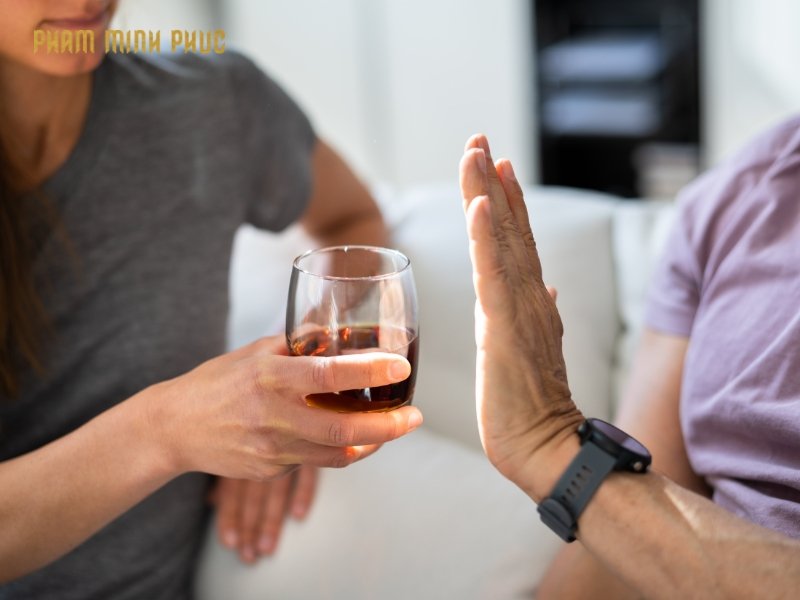
Do Not Drink Alcohol (24-48 Hours Before)
Consuming alcohol before your appointment triggers vasodilation, a process where blood vessels expand and significantly increase bleeding during the procedure. Excessive bleeding pushes the pigment out of the dermal layer before it settles, leading to a patchy, faded tattoo that requires extensive touch-ups.
Alcohol also severely compromises your immune system right before you voluntarily inflict a wound, prolonging the inflammatory phase and complicating the healing process. You must arrive sober to ensure valid legal consent and physiological stability. I will strictly refuse to tattoo any client who appears intoxicated, as it endangers both the quality of the art and the safety of the studio environment.
You must also abstain from alcohol for a minimum of 48-72 hours post-procedure. Drinking during this critical window re-thins the blood, causing the fresh wound to weep excess plasma.
Avoid Blood Thinning Painkillers (Advil/Ibuprofen)
Taking over-the-counter blood thinners like Aspirin or Ibuprofen prevents your blood from clotting normally, creating the same ink rejection issues as alcohol. The anticoagulant effect causes plasma and blood to weep excessively, obscuring the artist’s stencil and making precise line work nearly impossible.
You should consult a physician if you are on prescription medication. Similarly, you must verify “can you get a tattoo while on antibiotics”, as active infections and strong medication indicate your body is not ready for the trauma of tattooing. If you are managing pain, acetaminophen (Tylenol) is generally a safer alternative that does not thin the blood, but you should always check with your artist first.
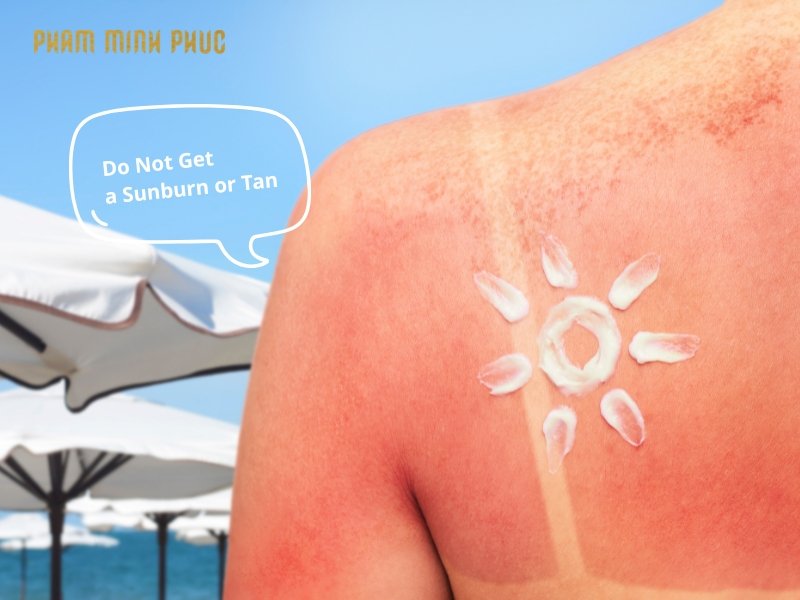
Do Not Get a Sunburn or Tan
Sunburned skin indicates active epidermal trauma and inflammation, which makes the tattooing process excruciatingly painful and technically unviable. Tattooing over damaged skin causes the needle to tear the fragile tissue rather than puncturing it cleanly, resulting in ink blowout and permanent scarring.
Even a fresh tan alters the skin’s baseline color and texture. I will refuse to tattoo compromised skin because the inevitable peeling will take the fresh ink with it, ruining the final aesthetic. You need to protect the area with high-SPF sunscreen or clothing for at least two weeks prior to your session to ensure the canvas is stable.
Don’t Skip a Meal (The “Fainting” Rule)
Arriving on an empty stomach causes a rapid drop in blood sugar (hypoglycemia) once the adrenaline of the session kicks in. This physiological crash is the primary cause of clients fainting (syncope) in the chair, which disrupts the session and endangers your safety.
You need to fuel your body with complex carbohydrates and proteins to sustain your energy levels throughout the appointment. Reading our guide on what to eat before getting a tattoo will help you choose the right meal to maintain stability and manage pain tolerance effectively. A well-fed body handles the stress of the needle significantly better than a fasting one.
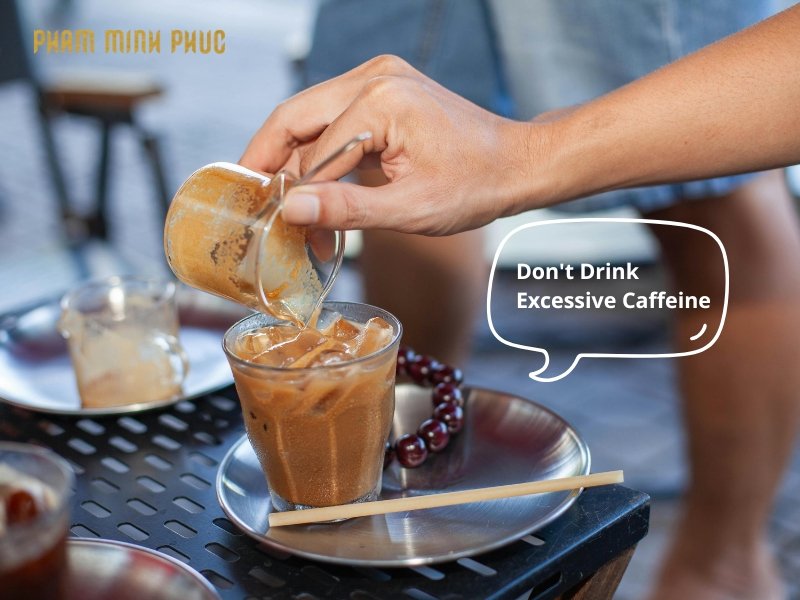
Don’t Drink Excessive Caffeine
Consuming high amounts of caffeine acts as a strong stimulant that increases your heart rate and blood pressure. This internal agitation often manifests as physical jitters or twitching, which forces the artist to work slower to avoid errors.
A calm, stationary canvas is essential for straight lines and smooth shading. Caffeine also heightens anxiety levels, reducing your mental stamina and making the pain feel more acute during long sessions. You should switch to decaf or herbal tea on the morning of your appointment to keep your nervous system relaxed.
Do Not Shave the Area Yourself
Shaving the area at home often results in razor burn, micro-cuts, or ingrown hairs that compromise the skin’s surface integrity. These minor abrasions create an uneven canvas and increase the risk of surface bacteria entering the deeper tattoo wound.
I prefer to shave the area personally at the studio using single-use, medical-grade razors. This ensures the skin remains sterile and perfectly smooth right before the stencil application. Your job is to keep the skin clean; my job is to prepare the surface texture.
Don’t Apply Numbing Cream Without Asking
Applying unauthorized numbing agents alters the cellular structure of the skin, often making it rubbery or spongy and difficult to saturate with ink. Many creams contain vasoconstrictors that temporarily limit blood flow; once they wear off, the blood rushes back, causing excessive bleeding and a shock of intense “rebound pain.”
You must discuss pain management with me beforehand. I only use specific, tested products that do not interfere with the chemical composition of the ink or the healing process. Surprising your artist with pre-numbed skin can result in the cancellation of your appointment.
Don’t Wear Tight or Fancy Clothing
Wearing tight clothing restricts circulation and causes unnecessary friction against the fresh tattoo immediately after the session. You should choose loose, breathable fabrics like cotton that allow the area to be easily accessible without cutting off blood flow.
I strongly suggest you wear dark, comfortable garments that you do not mind potentially staining. Ink and blood splatter are permanent hazards in the studio, so you must prioritize utility and accessibility over fashion.

Don’t Drink Too Much Water Immediately Before
Over-hydrating right before the appointment leads to frequent bathroom breaks that disrupt the artistic flow and extend the session duration. Proper hydration is vital for skin elasticity, but it must be achieved cumulatively over the 24 hours leading up to the tattoo.
You should sip water moderately during the session to stay comfortable without causing constant interruptions. Think of hydration as a long-term preparation for your skin cells, not a last-minute task.
The “Do” List: How to Prepare Correctly
Effective preparation focuses on building physical resilience and mental calm. Following these positive steps ensures your body is primed for the procedure:
- Sleep: Get a full 8 hours of rest to maximize your pain threshold and immune response.
- Hygiene: Shower thoroughly to remove surface bacteria, but avoid heavy perfumes that might irritate the skin.
- Moisturize: Apply lotion daily for a week prior (but not on the day of) to ensure the skin is supple and receptive to ink.
- Mentality: Arrive with a calm mindset and trust in the process.
These steps provide a solid foundation, but a truly successful session requires comprehensive planning. You should read our detailed guide on how to prepare for your tattoo to ensure every aspect of your appointment is covered.
Why Minh Pham Strict About Preparation?
I enforce these preparation protocols strictly because the quality of the canvas determines the longevity of the art. A client who follows these rules bleeds less, sits stiller, and heals faster, allowing me to execute technical details without fighting against physiological resistance.
Your preparation directly influences the final result. Once you leave the studio, the responsibility shifts to you; following a proper tattoo aftercare routine is the final step to protecting your investment.

FAQs about what should not to do before a tattoo
Can you take ibuprofen before a tattoo?
No, you should not take ibuprofen or aspirin before a tattoo. These medications act as blood thinners, which increase bleeding during the session and negatively impact ink saturation. Acetaminophen (Tylenol) is a better alternative as it does not affect blood clotting.
Can you take CBD before a tattoo?
Taking CBD is generally acceptable as it helps reduce anxiety without thinning the blood like alcohol. However, you must ensure it does not contain THC if you are concerned about impairment, and always inform your artist beforehand.
Should you shower right before a tattoo?
Yes, showering is essential to remove bacteria and oils from your skin. A clean body prevents infection and creates a better environment for the artist to work.
Can you workout before?
You should avoid heavy workouts immediately before your session. Exercise pumps blood to the muscles, causing swelling and soreness that can make sitting still uncomfortable and increase bleeding risks.
Adhering to these pre-session prohibitions ensures the canvas remains stable and receptive to saturation. By avoiding stimulants like caffeine and respecting the biological need for a substantial meal, the client minimizes the risk of fainting and allows the artist to execute precise line work. As a top rated San Antonio-based custom artist, I strictly enforce these protocols because the physical condition of the skin dictates the longevity of the masterpiece. If the goal is a flawless application with minimal trauma, I am ready to begin the procedure.