Requesting an alteration to permanent body art requires distinct protocols depending on whether the design is still a digital stencil or a fully healed image settled in the dermis. The approach changes significantly because adjusting a sketch is a simple creative collaboration, whereas reworking existing ink involves complex biological factors like scar tissue and pigment saturation. Clients must understand that tattooing is inherently an additive medium where dark pigments cannot be subtracted without prior laser removal, making the assessment of skin integrity critical for any modification project.
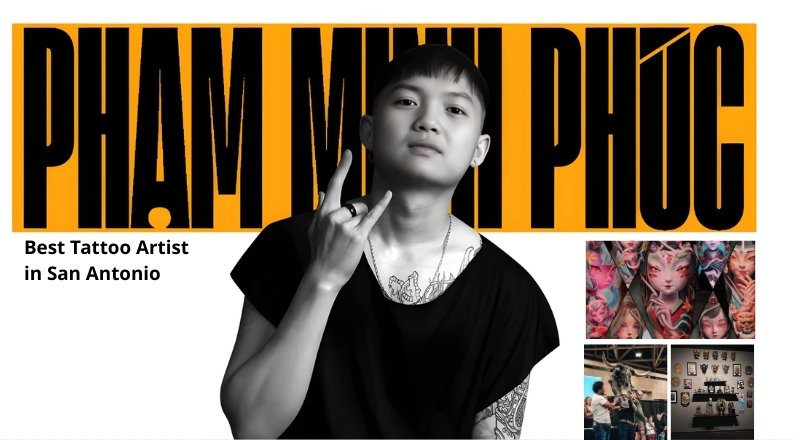
I, Minh Pham, have established a professional framework to navigate these sensitive conversations respectfully. This guide outlines how to determine whether to return to the original creator or seek a new rework specialist. The content also clarifies the financial expectations for fixing a tattoo and defines the technical limitations of cover-ups in the article below.
Table of Contents
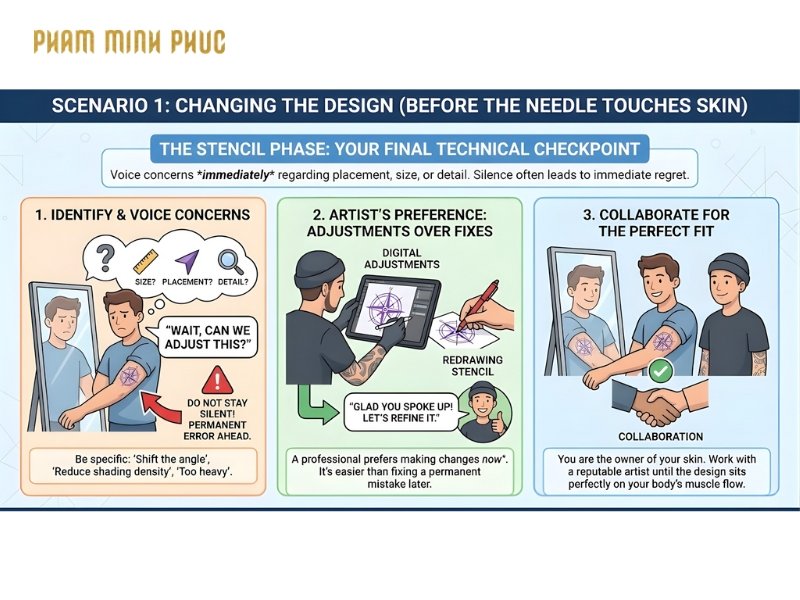
Scenario 1: Changing the Design (Before the Needle Touches Skin)
The stencil phase serves as the final technical checkpoint before permanence. You must voice any concerns regarding placement, size, or detail immediately during this stage. A professional artist prefers making digital adjustments or redrawing a stencil over fixing a permanent error later. Silence here often leads to immediate regret.
Be specific about the elements that do not align with your vision. Ask to shift the angle to better fit the muscle flow or reduce the density of the shading if it feels too heavy. You are the owner of your skin. A reputable artist will work with you to refine the design until it sits perfectly on the body.
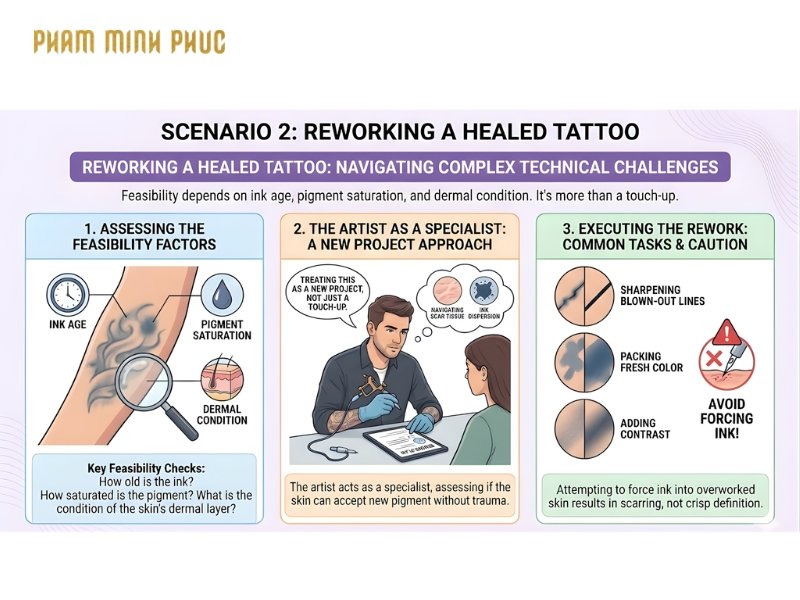
Scenario 2: Reworking a Healed Tattoo
Altering a healed tattoo involves complex technical challenges distinct from applying fresh ink. The feasibility depends heavily on ink age, pigment saturation, and the current condition of the dermal layer. Reworking often involves sharpening blown-out lines, packing fresh color into patchy areas, or adding contrast to faded shading.
You must approach this as a new project rather than a simple touch-up. The artist acts as a specialist navigating existing scar tissue and ink dispersion. They must assess if the skin can accept new pigment without causing trauma. Attempting to force ink into an overworked skin tattoo results in scarring rather than crisp definition.
Should You Go Back to the Original Artist or Find a New One?
Returning to the original artist is standard protocol for minor technical adjustments or healing corrections, as they understand the specific needle depth and ink brand used. They usually want their work to look its best and will appreciate the chance to perfect it.
You should seek a new artist if your aesthetic preference has shifted to different tattoo styles that the original creator does not specialize in. A specialist in fine-line work cannot effectively rework a heavy traditional piece. Trust is paramount. If you doubt the original artist’s ability to execute the fix or if the professional relationship has deteriorated, finding a dedicated rework specialist is the safer option for your skin.
What Can Actually Be Altered?
Understanding technical limitations manages expectations. Tattooing is an additive process; you can add ink, but you cannot subtract it without laser removal.
- Adding Details: Extending borders, adding background elements, or thickening lines is generally straightforward. This method effectively transforms a smaller piece into a part of a larger composition.
- Color Modifications: Refreshing faded colors or darkening existing tones works well. Changing dark pigments to lighter shades is physically impossible without prior laser lightening.
- Cover-Ups: Hiding an existing design requires specific techniques utilizing negative space and high-contrast imagery. The success rate depends on the darkness and density of the original tattoo.
How to Write a Message for the Tattoo Artist?
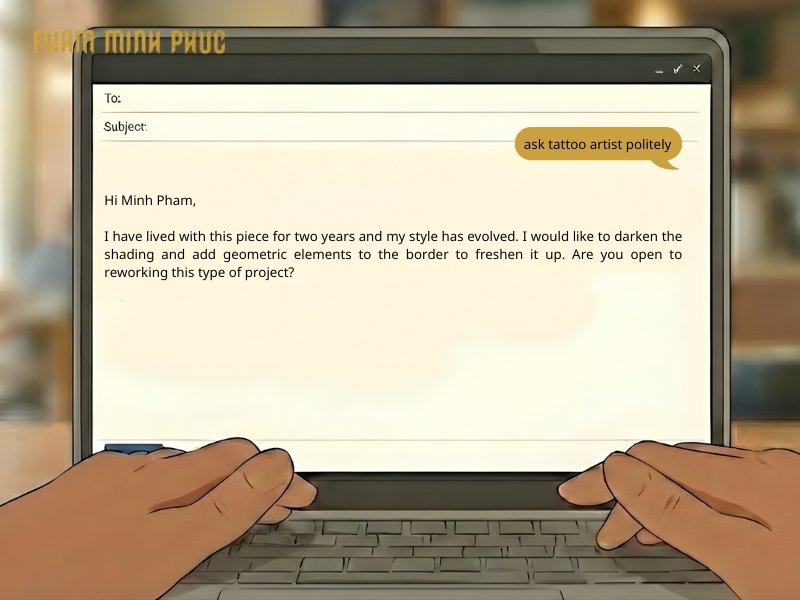
Direct messages should remain professional, concise, and non-accusatory. Use “I” statements to frame the request as an evolution of your personal taste rather than a criticism of the artist’s previous work. This preserves the professional relationship and encourages collaboration.
Structure your message with these components:
- Appreciation: Start by acknowledging the original work or their portfolio.
- The Issue: Clearly state what you want to change (e.g., “I would like to add more contrast” or “I want to expand the floral elements”).
- Visuals: Attach clear, well-lit photos of the current tattoo and reference images for the desired result.
Example: “Hi [Artist Name], I have lived with this piece for two years and my style has evolved. I would like to darken the shading and add geometric elements to the border to freshen it up. Are you open to reworking this type of project?”
Does It Cost Money to Alter a Tattoo?
Minor touch-ups to fix small healing imperfections are often complimentary if requested within the first few months. Substantial design changes, additions, or reworks of old pieces are billed as new appointments.
The artist utilizes new supplies, sterilization equipment, and time for these sessions. You must clarify the financial policy during the consultation. Knowing exactly what to ask your tattoo artist regarding their rework rates prevents confusion at the payment counter. Quality modifications are an investment in rectifying your appearance and typically require the standard hourly rate.
Why Minh Pham is an Expert at Reworks?
I apply over 10 years of experience and the technical mastery behind 40+ international awards to complex restoration projects. Reworking requires a deep understanding of how old pigment interacts with new layers. I analyze the skin’s history to ensure the modification blends seamlessly without damaging the tissue.
- Structural Analysis: I assess the existing flow to create additions that look intentional rather than like afterthoughts.
- Pigment Mastery: I utilize specific color packing techniques to revitalize faded work while maintaining long-term vibrancy.
- Safe Environment: My studio provides a private space where we focus on solutions and aesthetic improvements.
Your skin deserves a second chance at perfection. Contact me today to discuss how we can transform your existing tattoo into a piece you are proud to wear.
Open communication serves as the only path to rectifying aesthetic dissatisfaction without damaging the professional relationship or compromising the skin. By approaching the request as a collaborative evolution rather than a criticism, the client allows the artist to apply technical mastery to sharpen lines or refresh faded shading. As a San Antonio-based custom artist, I view these modifications as an opportunity to revitalize the artwork while ensuring that skin trauma remains within safe limits. If the goal is to transform an existing piece into a source of pride, I am ready to evaluate the possibilities.