A tattoo consultation functions as the essential architectural blueprint for any custom body art, bridging the gap between a static 2D concept and a dynamic 3D living canvas. This professional session goes beyond simple price inquiries. Consultation serves as a critical “Anatomy Analysis” where the tattoo artist evaluates skin elasticity and muscle flow to predict how a design will age over decades. By assessing factors like scar tissue and high-friction zones, this collaborative meeting prevents permanent aesthetic errors that often occur when artwork is not engineered to fit the body’s unique structure.
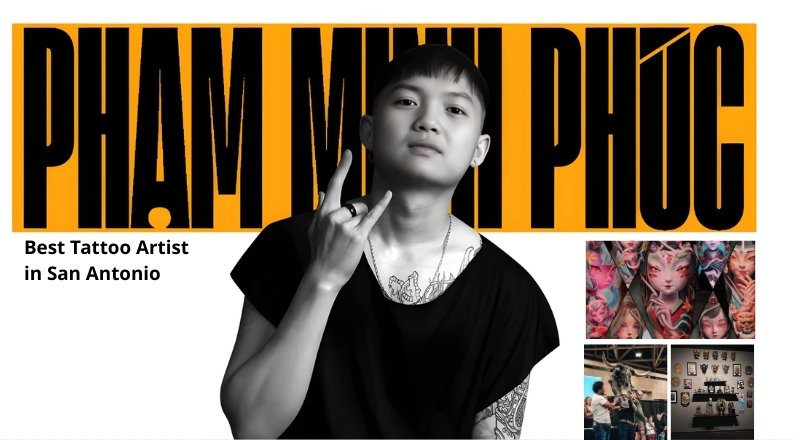
Success in this phase relies on strategic preparation, from gathering an inspiration board of references to establishing a realistic budget and understanding the studio’s hygiene protocols. Whether conducted via a virtual video call or a recommended in-person visit for large-scale projects, the consultation is the definitive “Chemistry Check” to ensure your vision aligns with the artist’s technical capabilities. I, Minh Pham, will guide you through the 7-step preparation checklist and professional etiquette required to transform your initial idea into a concrete, lifelong masterpiece in the article below.
Table of Contents
Why is a Consultation Necessary for Custom Work?
A tattoo consultation is a professional meeting between you and a tattoo artist to collaboratively plan a custom design. It bridges the gap between a static 2D image and a dynamic 3D living canvas. This session defines the technical parameters, ensuring the art is engineered to fit your unique body structure.
This process prevents permanent aesthetic and biological errors. Designs that look perfect on screens often distort on curved muscles or high-friction areas. The artist can assess skin elasticity, identify scar tissue, and predict aging through the consultation. This technical assessment ensures the tattoo remains legible and structurally sound for decades.
I treat every consultation as a strategic “Anatomy Analysis.” I observe how your specific muscle groups expand and contract to ensure the design flows harmoniously with your movement. This session also serves as a critical “Chemistry Check,” guaranteeing our communication styles align before committing to a multi-hour custom project.
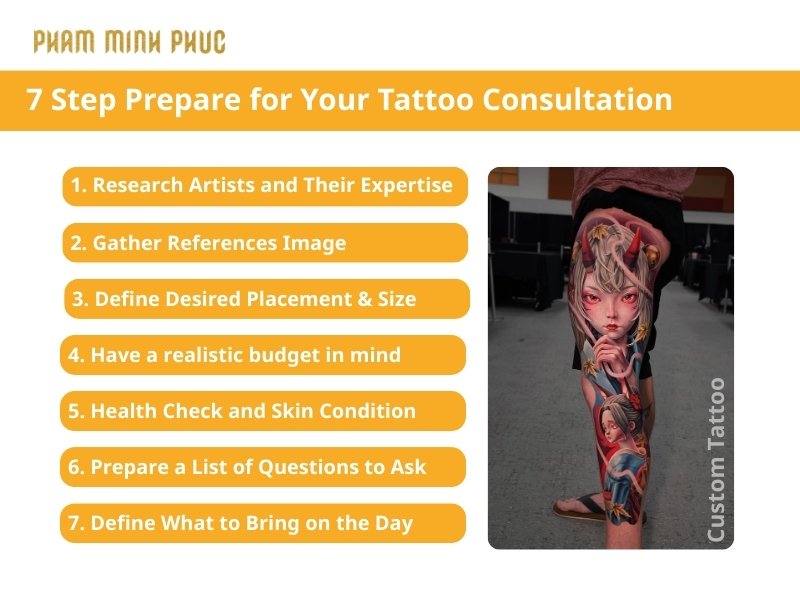
7 Step Prepare for Your Tattoo Consultation
Proper preparation determines the efficiency of the planning session. The following 7 steps ensure you arrive organized and ready for a productive collaboration.
Step 1: Research Artists and Their Expertise
Select an artist whose portfolio explicitly demonstrates proficiency in your desired style. Reviewing healed work, which are photos taken months or years after the appointment, is critical as it reveals technical mastery of saturation and longevity. Ensure their specific aesthetic aligns with your vision to avoid stylistic mismatches. If you want a Black and Grey Realism piece, booking a Traditional artist will result in a stylistic mismatch. I always advise clients to look for consistency in an artist’s portfolio to ensure their specific aesthetic aligns with the artist’s natural strengths.
Step 2: Gather References Image
Collect 3 to 5 high-quality reference images that capture the mood, lighting, or specific elements you desire. These images serve as an “inspiration board,” not a catalog for copying. Tattoo artist’s role is to act as a “Visual Translator” to convert your concept into a cohesive visual language without replicating another artist’s custom work.
Do not ask an artist to replicate another person’s custom tattoo exactly, this violates artistic integrity. Instead, pinpoint what you like about an image, such as the shading contrast or the line weight, to guide the creative process.
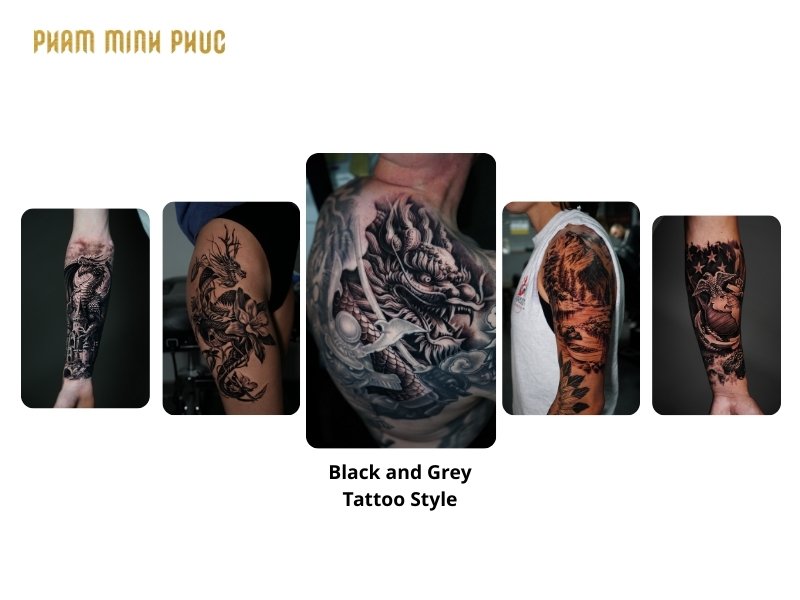
Discover bore about tattoo styles to gather the right reference images and better define the artistic direction for your custom piece.
Step 3: Define Desired Placement and Size
Identify your primary placement preference but remain open to professional anatomical advice. The size of the tattoo dictates the level of detail possible. Micro-tattoos cannot hold complex aging well. During the consultation, I often perform a “Gravity Check” to see how the skin sags or stretches in that area. I may recommend shifting the placement slightly to an area with more stable muscle mass to prevent the design from distorting as you age.
Step 4: Have a Realistic Budget in Mind
You should establish a clear financial comfort zone before the meeting, as high-quality tattoos are a lifelong investment. Openly sharing your budget allows the artist to tailor the design’s size and complexity to fit your needs without sacrificing quality. For reference, typical professional rates are structured as follows:
- Studio Minimum: The base rate starts from $80.
- Average Hourly Rate: Standard sessions start from $150.
- High-End Hourly Rate: Intricate, large-scale work starts from $200.
I have a detailed guide on tattoo prices with real pricing factors and budget calculation examples if you’d like to learn more before your consultation.
Step 5: Health Check and Skin Condition
You must disclose all relevant medical history, including conditions like diabetes or keloid scarring, to ensure your safety during the process. For postpartum clients, I specifically address “Postpartum Skin Recovery.” I advise a 6 to 12-month waiting period for stomach or hip placements to allow tissue stability and prevent distortion.
Step 6: Prepare a List of Questions to Ask
Drafting specific questions beforehand ensures you leave the consultation with total clarity and confidence. This preparation demonstrates your commitment and helps you evaluate the artist’s professionalism. You should focus your inquiries on these key areas:
- Experience: Inquire about the artist’s portfolio to verify their technical consistency with your chosen style. Example: “Can I see examples of healed work in this specific style?”
- Safety: Verify the studio’s hygiene standards to ensure they strictly adhere to medical-grade safety procedures. Example: “What are your sterilization protocols for single-use needles and tubes?”
- Price & Payment: Confirm the pricing structure and accepted payment methods to avoid financial confusion. Example: “Is the price calculated by the hourly rate or as a flat fee, and what is the required deposit amount?”
- Longevity: Discuss anatomical changes to understand how the design’s integrity will hold up against natural skin aging. Example: “How will this specific placement age be over 20 years?”
- Process: Clarify the maintenance policy to understand if future corrections are included in the initial cost. Example: “What is your policy on touch-ups once the tattoo is healed?”
See More: Questions to Ask Your Tattoo Artist
Step 7: Define What to Bring on the Day
Maximizing efficiency requires having the necessary logistics ready upon arrival. You must bring the following items to your appointment:
- Valid Government ID: This is required for mandatory age verification (Driver’s License or Passport).
- Payment Method: You need Cash or a Card to pay the non-refundable deposit.
- Reference Images: Please bring digital or printed copies to guide the design discussion.
- Hydration: You should carry a water bottle to stay refreshed during the discussion.
What Happens During the Tattoo Consultation?
The consultation session follows a clear 5-step process to transform your idea into a concrete plan.
- Design Discussion: We discuss your specific narrative and review your reference images to establish the overall artistic direction and “vibe” of the piece.
- Anatomical Analysis: I perform a hands-on assessment of your muscle flow and skin elasticity to ensure the selected placement will not distort with movement.
- Digital Stenciling: I create a digital mock-up on a photo of your body, allowing you to see the exact size and position before committing.
- Personal Connection: We ensure our communication styles align, which is vital for the comfort and success of long, intensive tattoo sessions.
- Booking and Deposit: We finalize the price estimate and timeline, and you place a non-refundable deposit to officially secure your appointment slot.
Online or In-Person Tattoo Consultations: Which is Better?
Choosing between an online or in-person consultation depends largely on the complexity of your design and your geographical location. While digital tools offer convenience for traveling clients, face-to-face meetings provide the most accurate assessment of the body’s three-dimensional canvas.
- In-person consultation (Recommended): This format is superior for large-scale projects like sleeves or back pieces. It allows for quick adjustments to the design flow and ensures clearer communication regarding complex ideas. Furthermore, discussing the budget, timeline, and pain management in person provides full context, minimizing the risk of misunderstandings.
- Online consultation (Virtual): This is the standard solution for international clients or simpler concepts. While email and text are common, a Video Call is the most effective digital format. To ensure accuracy, you must provide high-resolution photos taken in natural lighting. You should have a friend take these photos from a straight, neutral angle to avoid the lens distortion common in selfies.
I suggest you should prioritize an in-person consultation if your location and schedule permit, as it guarantees the highest level of precision and planning.
What Are The Tips For The Day Of The Consultation?
You should treat the consultation with the same professional respect as the final tattoo appointment. Arriving prepared ensures the artist can focus entirely on your design requirements without distraction.
- Hygiene: Shower beforehand, as the artist will inspect your skin closely.
- Clothing: Wear loose clothing that allows easy access to the area you want tattooed.
- Punctuality: Arrive on time because artists often have back-to-back schedules.
- Documentation: Bring a valid government-issued ID to verify your age and complete the required paperwork.
- Note-Taking: Write down key details regarding pricing, timelines, and care instructions to avoid future confusion.
- Clarification: Do not hesitate to ask for further explanation if you do not fully understand a technical term or procedure.
- Honesty: You must be truthful about your budget and pain tolerance so the artist can adjust the plan to fit your needs.
What Not To Do In The Consultation?
Adhering to professional etiquette during your consultation ensures a smooth and respectful planning process. You should strictly avoid the following behaviors:
- Do Not Ask to Copy. Never ask an artist to exactly replicate another artist’s custom tattoo. This violates artistic integrity and copyright; instead, use such images only as inspiration for a new, unique design.
- Do Not Haggle. Tattoo rates cover sterilization, insurance, supplies, and decades of skill. Bargaining devalues the artist’s expertise.
- Do Not Bring a Crowd. Bring one friend if necessary for support, but a large entourage distracts from the focused one-on-one planning required.
- Do Not Be Vague. Saying “I don’t know, just do whatever” leaves too much room for misinterpretation. Come with a direction, even if it is broad.
Maybe you also need to know: What not to Ask Your Tattoo Artist
What To Do After The Tattoo Consultation?
Your responsibilities shift from planning to preparation immediately following the meeting. You must take the following steps to move the project forward:
- Secure the Appointment. Pay the required deposit immediately. This fee serves two purposes: it compensates the artist for the drawing time involved in your custom design and is credited toward the final cost of the tattoo.
- Confirm the Timeline. The artist will outline the next steps, including the specific date and time of your session to ensure there is no confusion.
- Await the Design. Understand the design approval schedule. Most custom artists finalize the artwork shortly before the appointment to keep the creative flow fresh, rather than weeks in advance.
- Prepare Your Skin. Begin a daily hydration routine to ensure your canvas is in peak condition for the needle.
Why Choose Minh Pham for Your Tattoo Consultation in San Antonio?
Selecting the right artist is the most critical decision in your tattoo journey. My consultation process combines artistic mastery with technical precision to guarantee a world-class experience right here in San Antonio.
- International Recognition: I have earned over 40 winning awards globally, solidifying my status as the best tattoo artist in San Antonio for high-end custom work.
- Decades of Experience: My deep mastery across multiple tattoo styles allows me to expertly identify and recommend the specific aesthetic that best suits your concept.
- Expert Consultation: I provide honest, professional guidance on size and placement to ensure the design flows harmoniously with your body’s natural anatomy.
- Medical-Grade Safety: I strictly maintain hospital-grade sterilization standards to ensure your absolute safety and peace of mind throughout the process.
FAQs About Tattoo Consultation
Can You Get A Tattoo Consultation At 17?
I recommend you wait until you turn 18 years old. You must be of legal age to get a tattoo, so being 18 allows us to seamlessly transition from the consultation to the actual appointment.
How Long Does A Tattoo Consultation Take?
A typical consultation lasts between 15 to 30 minutes. This provides enough time to discuss the concept, review references, and take measurements. Highly complex projects, such as full bodysuits, may require up to an hour to plan effectively.
Can You Get A Tattoo The Same Day As A Consultation?
Generally, no, unless it is a “Walk-In” for a very small, pre-designed flash piece. Custom tattooing requires significant preparation time for drawing, refining the composition, and preparing the stencil. The consultation is for planning; the execution happens at a later scheduled date to ensure quality.
Do You Need A Consultation For A Small Tattoo?
Formal in-person consultations are rarely necessary for small, simple tattoos. For minimalist symbols, short script, or basic flash designs, a brief discussion via email or a quick chat at the shop counter is usually sufficient to determine size and pricing.
Are Tattoo Consultations Free?
Policies on consultation fees vary by studio and artist. Many studios offer complimentary brief assessments, whereas high-demand custom artists often charge a fee to compensate for their time and filter for serious inquiries. This payment is typically credited toward the final cost of the tattoo.
Can You Get A Price Quote Over The Phone Or Email?
Obtaining a rough estimate via phone or email is possible, but providing an exact quote remotely is difficult. Variables such as skin texture, specific muscle flow, and precise sizing significantly influence the final cost. I strongly recommend you book an in-person consultation if your location and schedule permit, as this guarantees the most accurate pricing assessment.
What If You Don’t Like The Design?
You have the right to request changes, as this art will be on your body forever. Professional artists expect feedback. If the design does not match your vision, communicate specific adjustments politely (e.g., “Can we make this shadow darker?” or “Can we move this element slightly left?”). However, a complete redesign due to a change of mind may require a new deposit.
Treating the consultation as a strategic planning phase effectively eliminates the risk of future regret by aligning your artistic vision with the biological reality of your skin. This session serves as the structural foundation for your artwork, ensuring that critical factors like muscle flow, scar tissue, and long-term aging are accounted for before the needle ever touches you. As a San Antonio-based custom specialist, I prioritize honest, technical guidance over profitable trends to protect your lifetime investment. If you are ready to engineer a design that fits your anatomy perfectly, I am ready to start the conversation.