
Best Japanese Tattoo Artist in San Antonio, TX
Japanese tattoo, known as Irezumi or Wabori, is a distinct art form originating in Japan characterized by its bold execution and deep cultural roots. This style utilizes symbolism drawn from folklore, history, and religion, often featuring mythical creatures (dragons, phoenixes, koi), deities, and natural elements like flowers and waves to tell stories of bravery, perseverance, and identity. Unlike standalone tattoo designs, authentic Japanese work treats the body as a single canvas, connecting these elements into a unified masterpiece. To execute this style correctly, the artist must possess a mastery of composition and cultural symbolism, ensuring that motifs are not only drawn beautifully but are also paired correctly according to traditional rules. Therefore, finding the best Japanese tattoo artist in San Antonio is critical if you want a piece that respects the tradition while looking powerful on your skin.
I am Minh Pham, the Founder of Hyper Inkers. With over 10 years of experience and over 40 international convention awards, international awards, I specialize in blending traditional Irezumi methods with modern precision. I understand that a Japanese tattoo is not just an image; it is a suit of armor that represents your strength, resilience, and personal story.
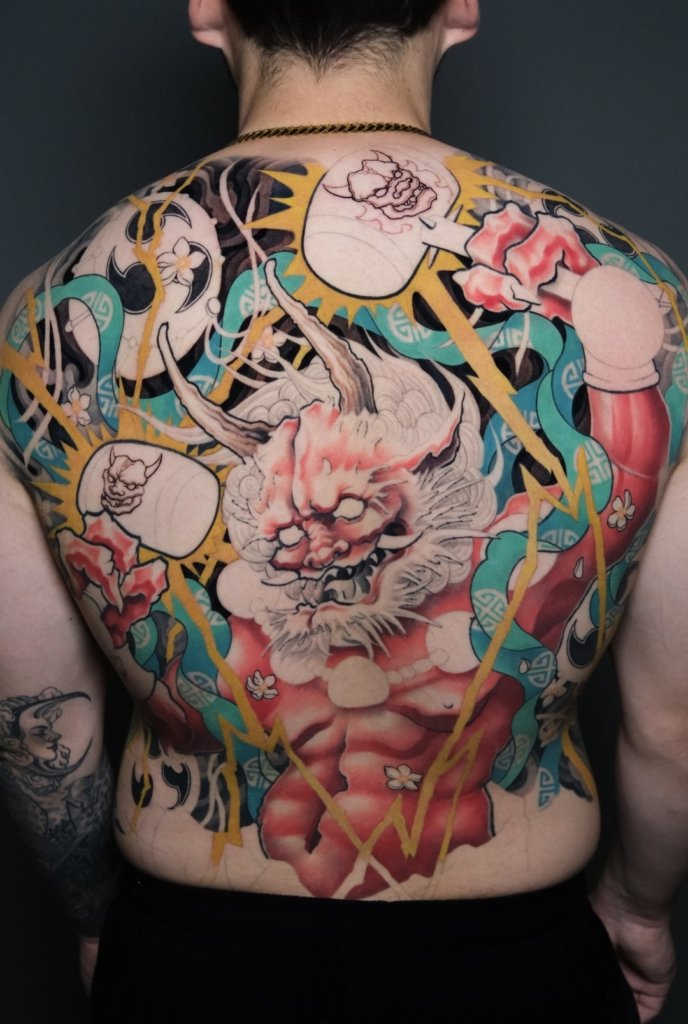
My Best Japanese Tattoo Portfolio
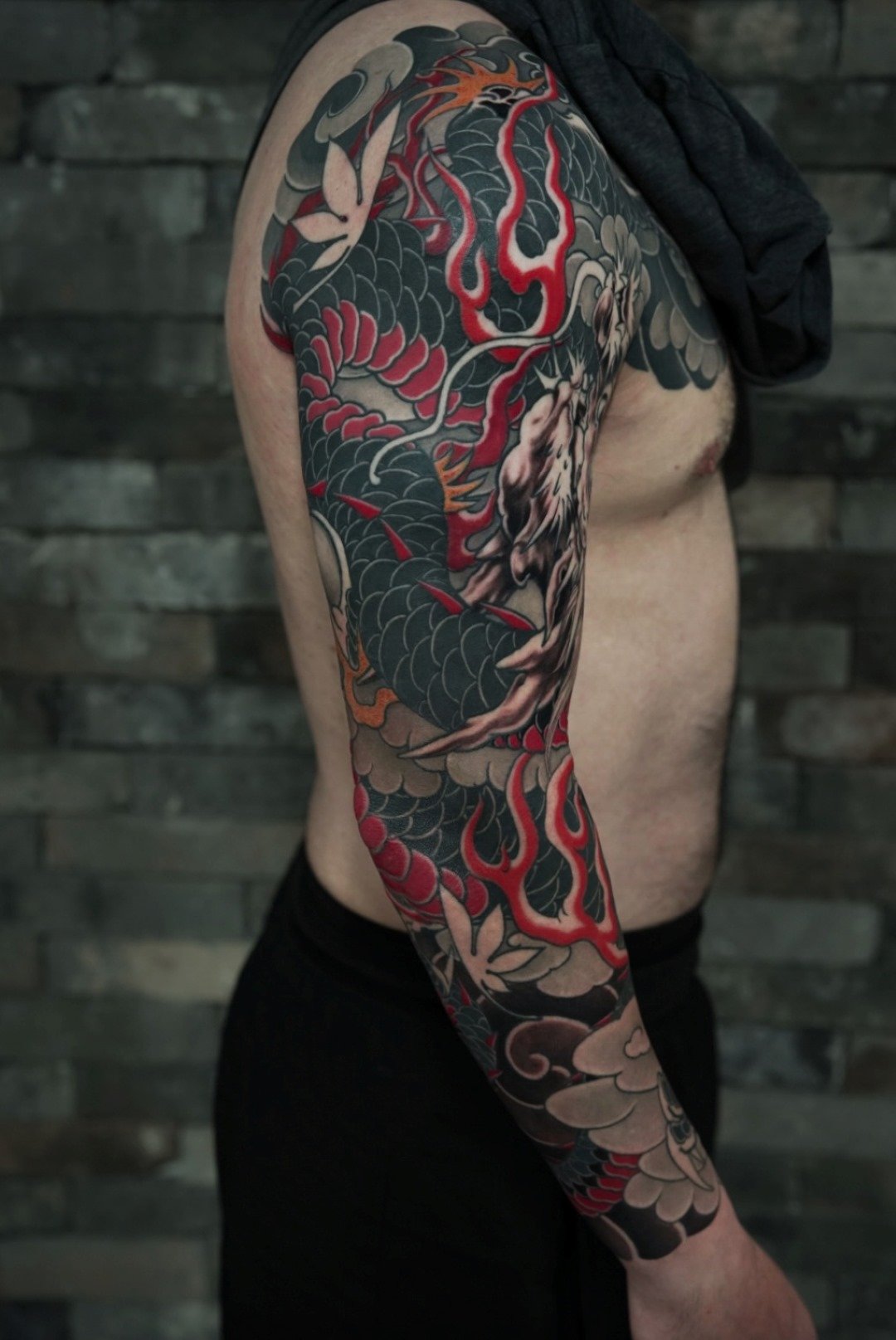
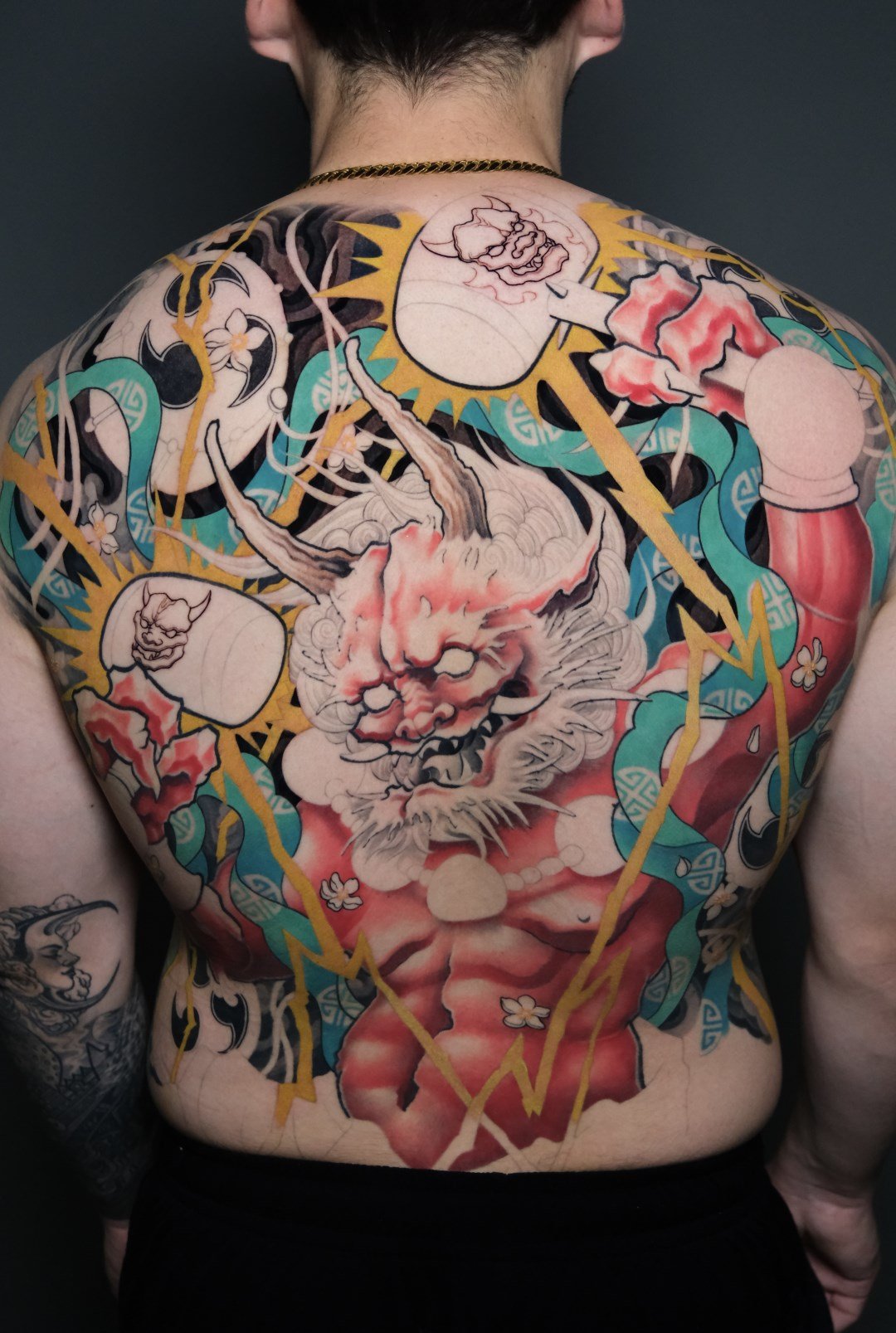
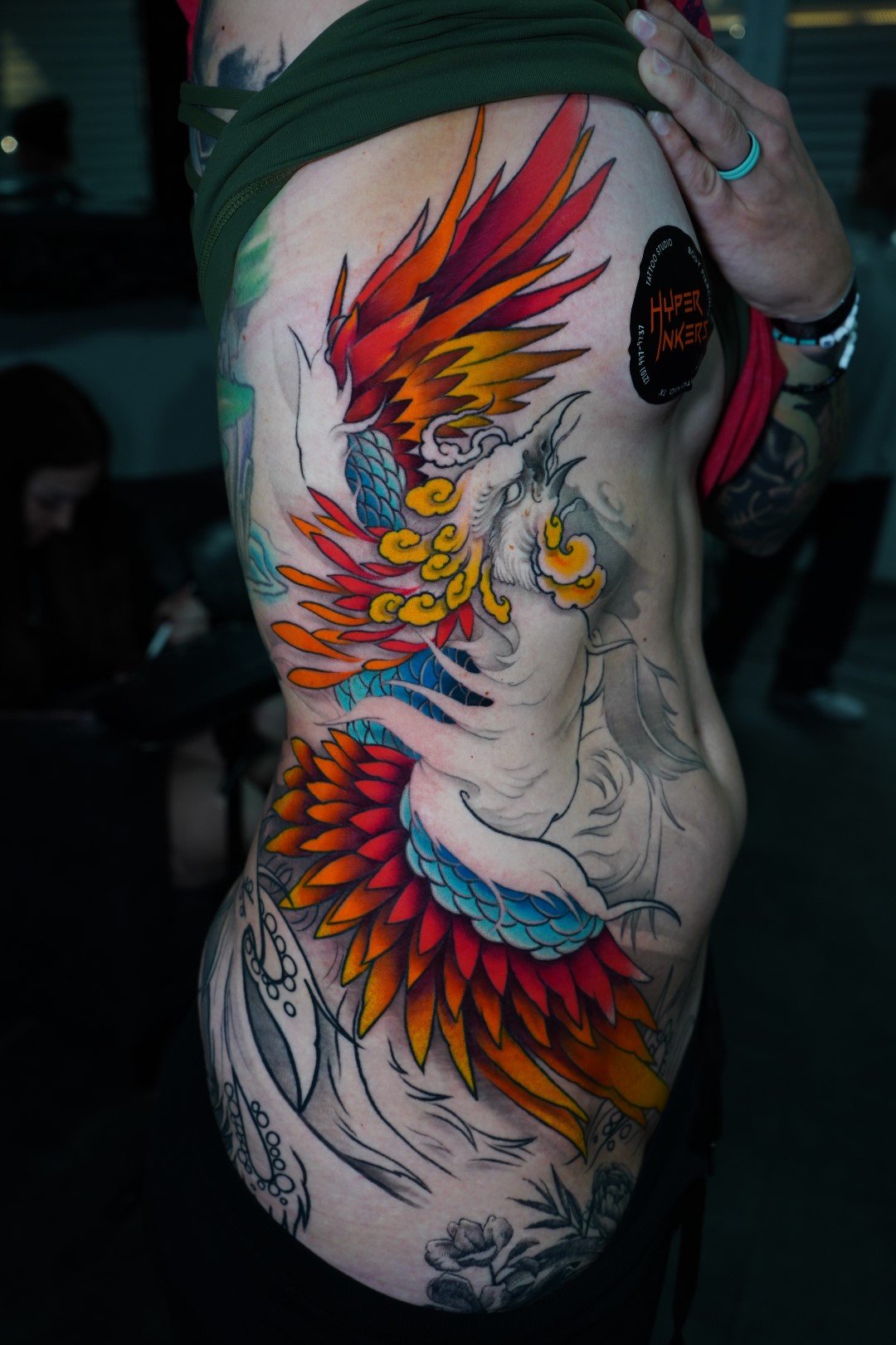
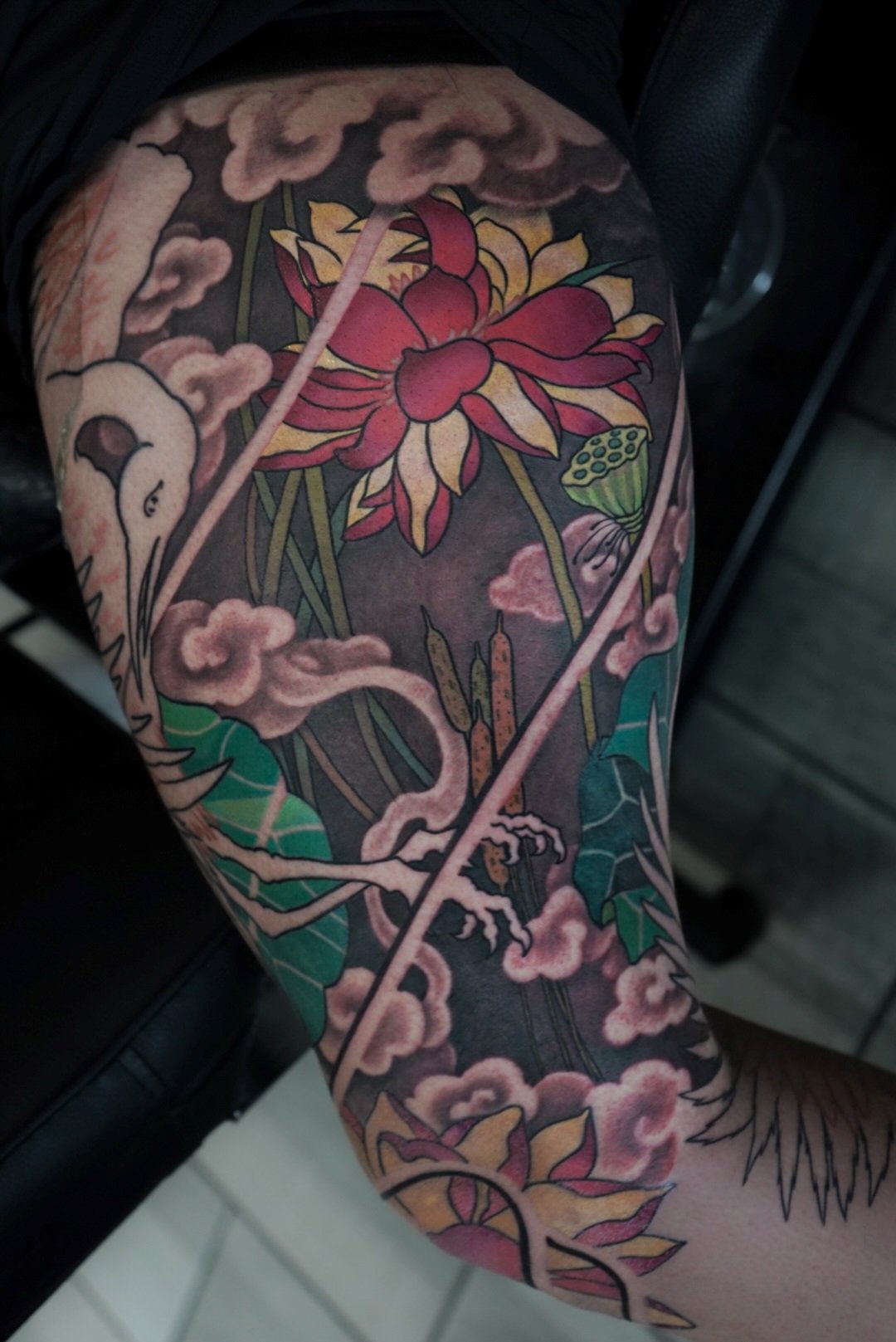
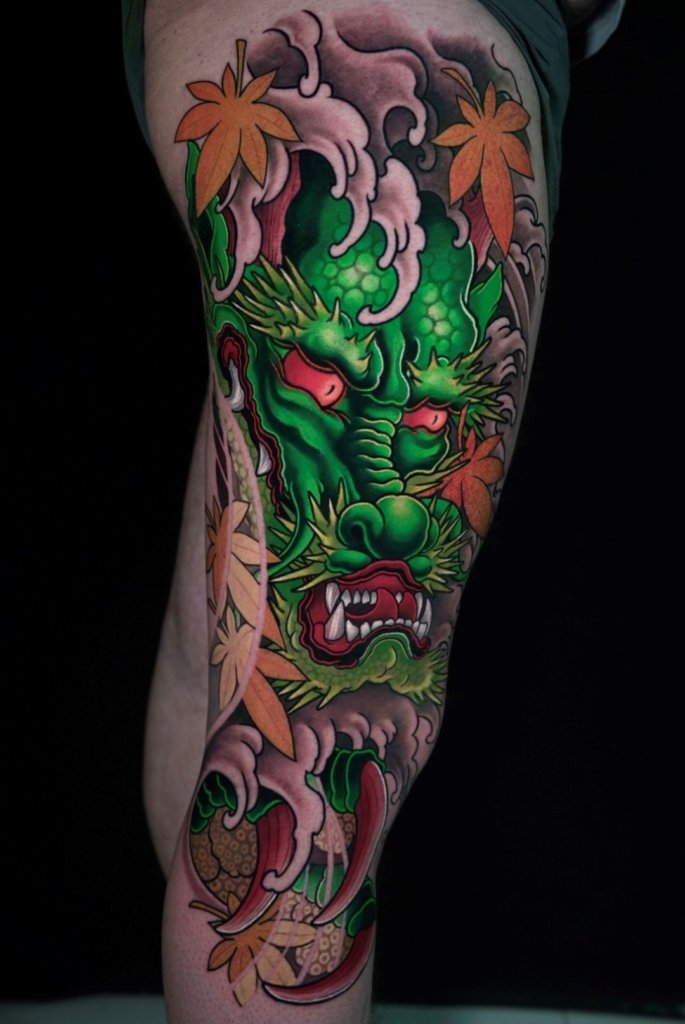
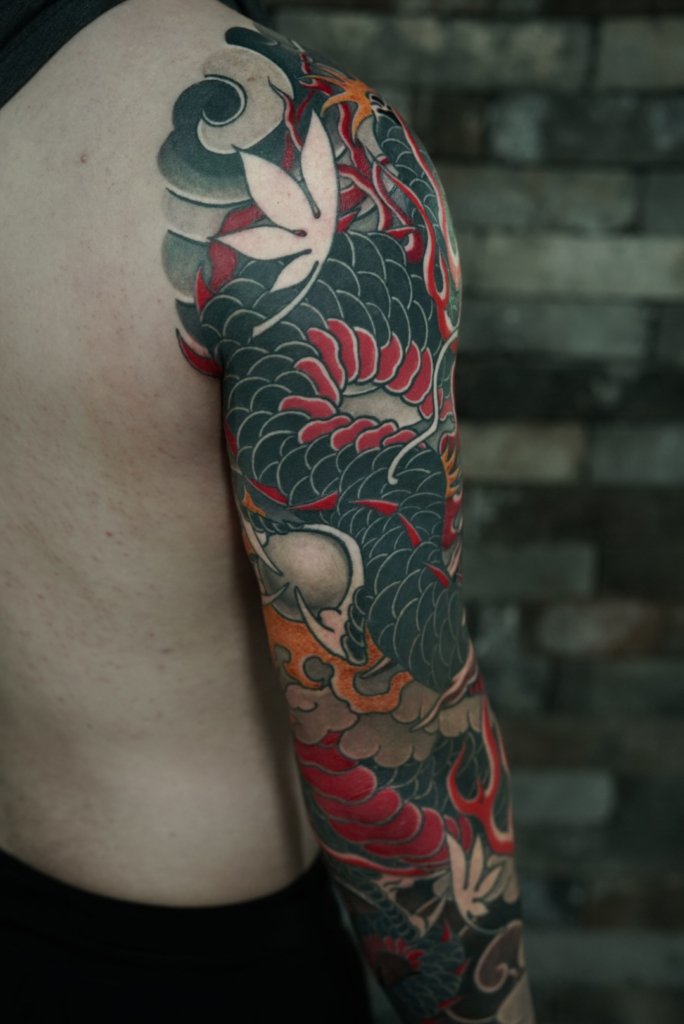
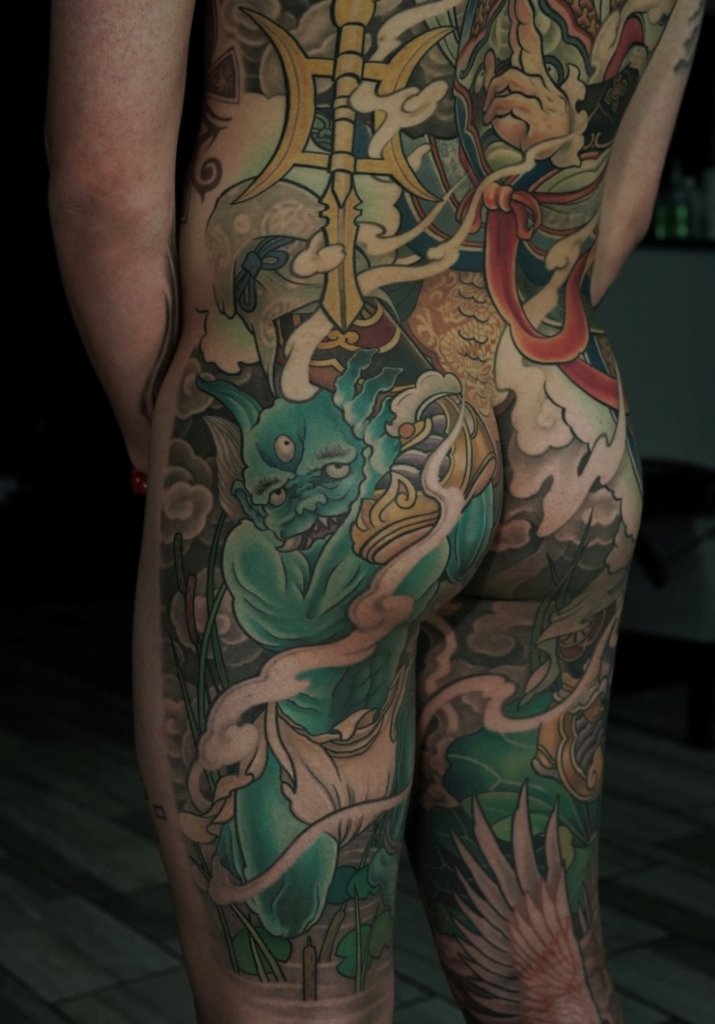
My Japanese tattoo portfolio showcases the world-class quality and artistic precision that defines my reputation, featuring healed work ranging from dynamic full sleeves to intricate full backpieces.
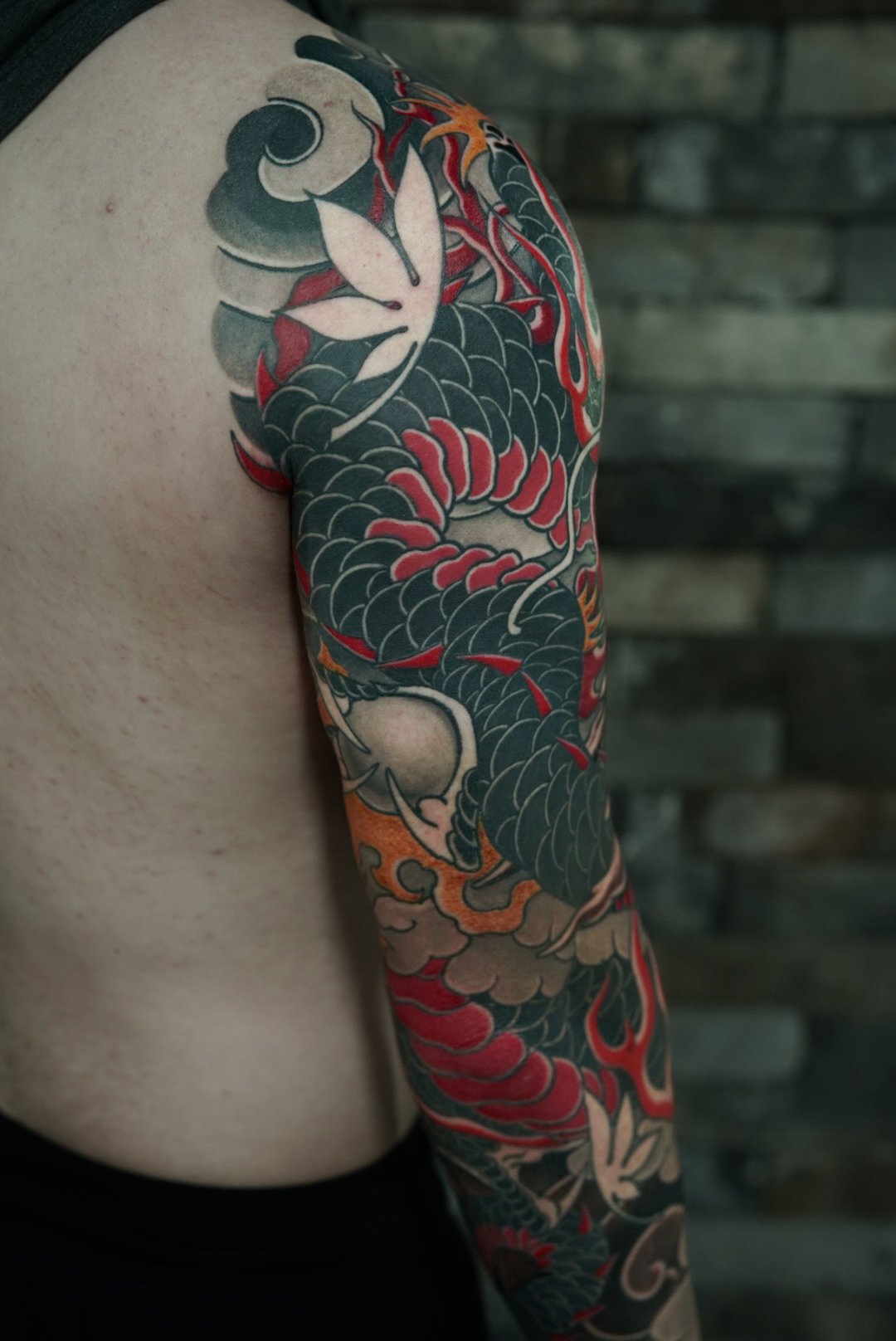
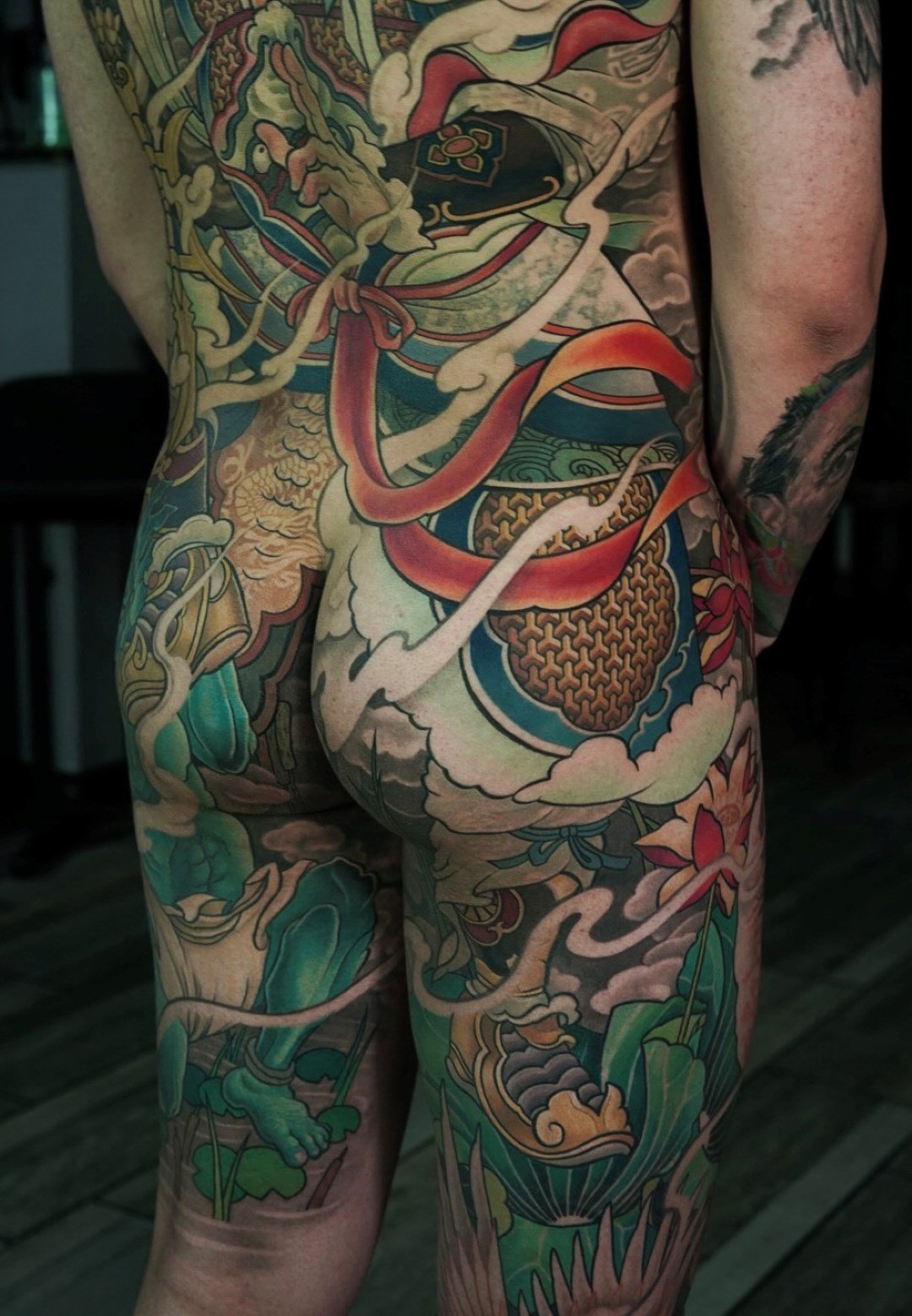
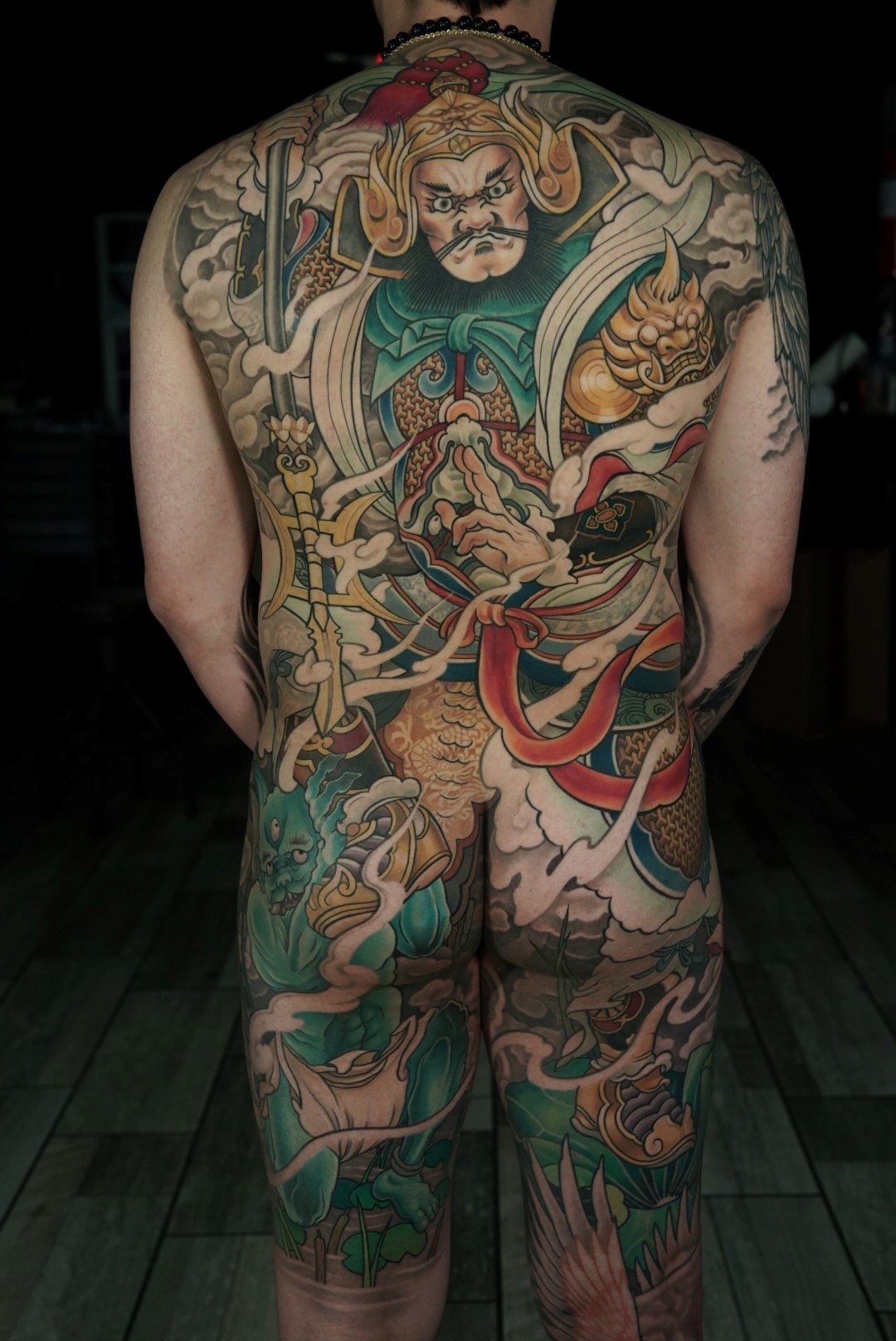
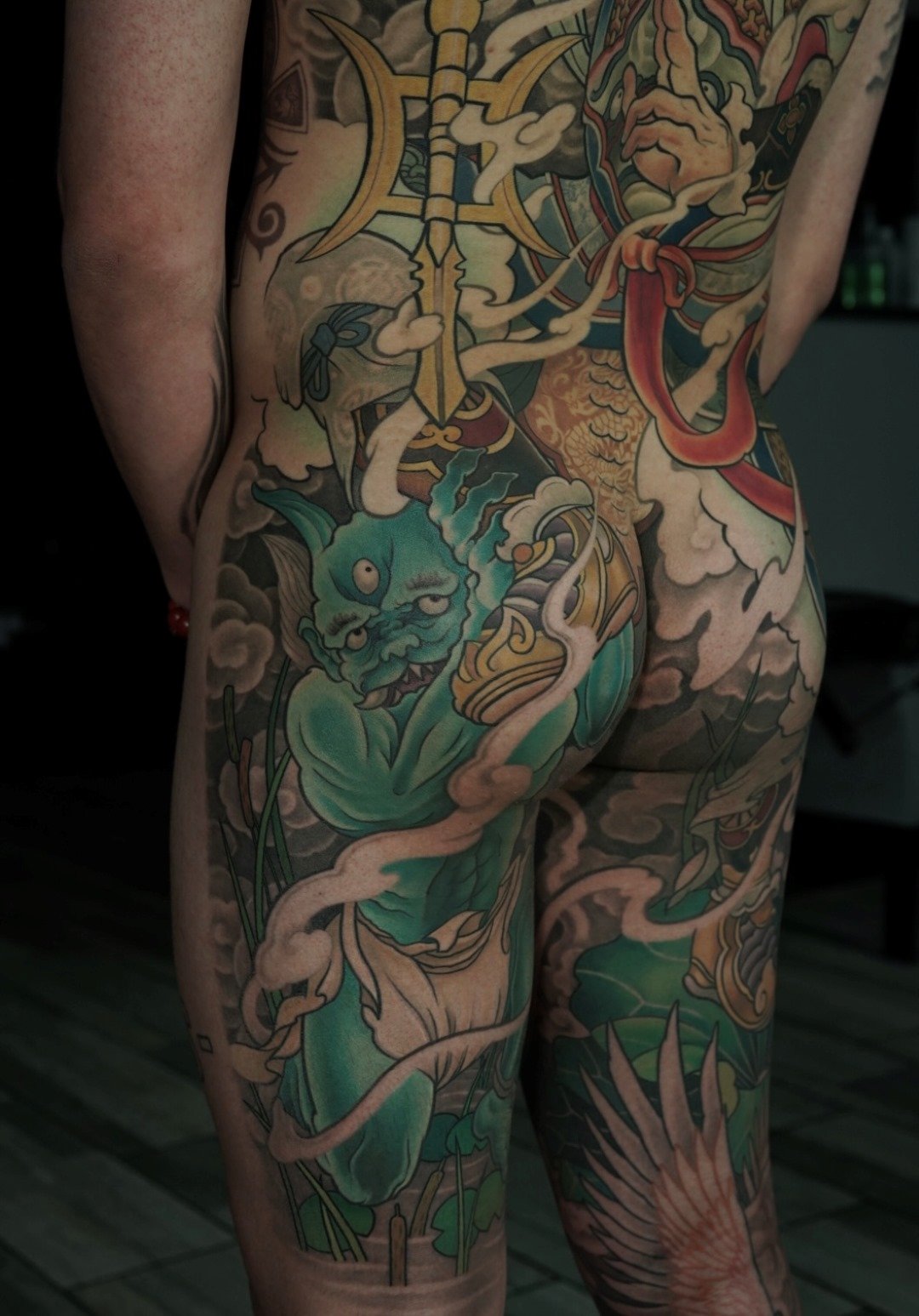
What Makes a Good Japanese Tattoo?
A truly great Japanese tattoo is defined by the balance between intricate detail, profound symbolism, and dynamic flow. It must look powerful from a distance and exquisite up close. When I execute a Japanese piece, I focus on five technical pillars to ensure perfection:
- Dynamic Flow: Dynamic flow is the structural quality that makes the design feel alive rather than static on the skin. This element ensures that the artwork moves harmoniously with your muscle structure, preventing it from looking like a flat image stamped onto a curved surface. I meticulously design traditional background elements such as wind bars and water waves to guide the viewer’s eye and unite the entire piece with your physique.
- Bold Line Weight: Line weight serves as the skeleton that holds the entire tattoo together over time. Without a solid, deliberate outline, the image can lose its definition and become unreadable as the skin ages and ink spreads. I utilize varied line weights, using thick lines for the main subject and finer lines for intricate details, to create a visual hierarchy that remains sharp and clear for decades.
- Deep Contrast: Deep contrast, often achieved through “Bokashi” shading, is essential for creating the powerful, three-dimensional look that defines traditional Irezumi. The dramatic interplay between heavy black background shading and lighter skin breaks creates depth that makes the main subject pop off the body. I apply expert gradation techniques to ensure smooth transitions that give your tattoo a heavy, powerful presence without looking muddy.
- Vibrant Color Saturation: Color saturation provides the energy and emotional weight behind the visual story. Solid, uniform packing of pigments ensures that the reds, golds, and blues remain bright and distinct against the dark background, rather than looking patchy or washed out. I use high-quality pigments and precise packing techniques to ensure the colors stay vibrant and legible long after the tattoo heals.
- Authentic Cultural Symbolism: Cultural symbolism dictates the narrative logic and “soul” of the artwork. In Japanese tradition, specific motifs must be paired correctly to maintain the integrity and respect of the story. I strictly adhere to these traditional rules, ensuring that your dragon or koi is accompanied by the historically correct flora and background elements.
Who is the Japanese Tattoo Suitable For?
Japanese tattooing is a bold commitment designed for collectors who distinguish themselves through a deep appreciation for storytelling, historical tradition, and artistic endurance.
- Storytellers: Individuals who want their body art to convey a narrative of struggle, success, or transformation through powerful imagery like the Koi fish becoming a Dragon.
- Large-Scale Collectors: Clients looking for extensive coverage, such as full sleeves (Nagasonde), chest panels, or backpieces, which this style accommodates perfectly.
- Cultural Admirers: People who respect the discipline, history, and aesthetic of Eastern art and want to wear a piece of history.
- Cover-Up Seekers: The heavy black backgrounds and bold textures of Japanese tattoos make them an excellent choice for covering up old, unwanted, or faded tattoos effectively.
What Are the Best Body Placements for Japanese Tattoos?
Japanese tattoos require body placements that align with the scale of the storytelling. While traditional Irezumi relies on large, continuous canvases to create a suit of armor, modern interpretations also allow for meaningful standalone pieces. To ensure the design flows naturally with your anatomy, I categorize the best placements based on the size of the artwork.
For Large Scale Pieces:
- Upper Arm and Shoulder: Great for larger, curved designs like dragons or koi that fit the natural muscle shape.
- Forearm: Excellent for script, floral, or flowing background elements like waves.
- Outer Thigh: Perfect for wrapping, long, slender designs that flow around the hip.
- Full Back: The ultimate canvas for detailed storytelling and complex scenes without restriction.
For Smaller or Standalone Tattoos:
- Upper Back and Shoulder Blades: Good for prominent, yet contained designs like Hannya masks.
- Chest and Ribcage: Suitable for personal designs or connecting larger chest panels.
- Wrist and Ankle: Popular for small Kanji characters or minimalist cherry blossoms.
- Behind the Ear and Collarbone: Discreet spots for subtle, meaningful symbols.
Why Should You Choose Me for Japanese Tattoos?
I have established myself as a top authority for Japanese tattoos in San Antonio by bringing together technical excellence and deep cultural respect. When you trust me with your bodysuit or sleeve, you are securing a partnership defined by:
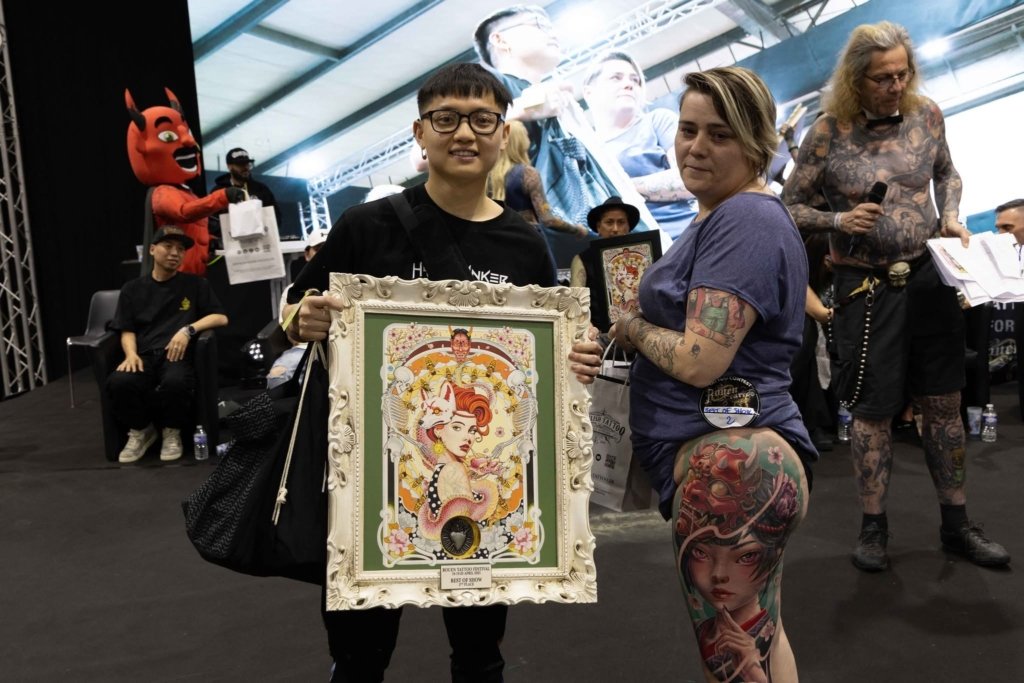
- 10+ Years of Specialized Mastery: My expertise is not a trend; it is built on over a decade of studying and executing traditional Asian tattooing. This experience ensures that your tattoo is technically sound and culturally authentic.
- Award-Winning Artistry: My dedication to the craft has been recognized with over 40 international awards. This track record proves that my work consistently meets and exceeds international standards.
- Custom Design Process: I do not use generic stencils. I collaborate with you to design a piece that is unique to your life story, hand-drawing elements to fit your specific anatomy during our consultation.
- Hygiene and Safety: Large-scale work requires long sessions. I operate Hyper Inkers with hospital-grade sterilization standards to ensure your safety and comfort throughout the entire process.
Book Your Japanese Tattoo Consultation Today
If you are finding the best Japanese tattoo artist in San Antonio to transform your body into a living masterpiece, I am here to bring your vision to life. Since authentic Irezumi requires extensive planning and custom design preparation, a consultation is the first essential step.
Ready to tell your story? Click below to start the journey.
FAQs about Japanese Tattoos
Here are the most common questions I answer regarding the traditions and commitment required for Japanese tattooing.
What Are The Most Popular Japanese Tattoo Ideas?
The most enduring subjects in Japanese tattooing are those with deep metaphorical meanings. The most requested motifs include:
- Mythical Creatures: Dragons (Ryu) for wisdom, Phoenixes (Hou-ou) for rebirth, and Foo Dogs (Karajishi) for protection.
- Nature and Elements: Koi Fish for perseverance, Cherry Blossoms (Sakura) for the fleeting nature of life, and Waves for strength.
- Characters: Samurai for honor, Geisha for mystery/beauty, and Hannya Masks for complex human emotion.
What Do Japanese Dragon Tattoos Mean?
Japanese dragon tattoos (Ryu) symbolize wisdom, strength, and benevolence. Unlike Western dragons which are often seen as destructive, Asian dragons are protectors and bringers of luck. They are associated with water and rainfall, representing the power to manipulate the elements for the good of mankind.
How Much Do Japanese Tattoos Cost?
The cost of a Japanese tattoo is based on the size of the project and the hours required to complete it. Since these are typically large-scale works (like sleeves or backpieces) involving multiple sessions for lining, shading, and coloring, I operate on an hourly rate. A full project estimate is provided during your consultation.
How Long Does a Japanese Sleeve Tattoo Take?
A high-quality Japanese full sleeve typically takes between 20 to 30+ hours to complete, depending on the complexity of the detail and the size of your arm. This is usually broken down into multiple sessions (e.g., one session for outlining, followed by several sessions for background shading and color packing) to allow for proper healing.
What Is The Name Of A Japanese Back Tattoo Called?
A Japanese back tattoo is traditionally called a "Munewari" or "Donburi," depending on the coverage. A standard full back piece is often referred to generally within Irezumi. Specifically, "Donburi" refers to a full bodysuit with no opening down the center, while "Munewari" leaves a strip of open skin down the chest.
Can You Mix Japanese And American Traditional Tattoos?
Yes, you can effectively mix Japanese and American Traditional tattoos because both styles share the same fundamental technical principles: bold black outlines, heavy black shading, and solid color saturation. This shared "visual language" allows them to sit next to each other on the same body without clashing, often referred to as "Japanese Traditional" fusion.

