Choosing the right tattoo size involves more than just aesthetics. It is a technical decision dictated by design complexity and the biological limits of your skin. Forcing intricate details into a micro format often leads to ink migration, causing lines to blur together over the years. Professional artists generally recommend standard categories ranging from 2×2 to 6×6 inches to ensure the artwork remains crisp and flows naturally with your body’s anatomy.
The physical dimensions also directly impact your pain endurance and the financial investment. A larger surface area increases the trauma load, extending the healing timeline and shifting the price from a fixed shop minimum to an hourly rate. Today, I – Minh Pham, will help you evaluate these factors using a practical size chart and expert advice on performing a stencil test to find the ideal scale for your vision.
Table of Contents
Tattoo Size Chart
Tattoo size measurements are technically defined in square inches or centimeters but professional artists often prefer organic references like “palm width” or “hand size” to help you visualize the scale on body curves. The final size is rarely an arbitrary choice because it is strictly dictated by the level of detail in your design, the available surface area of your chosen placement, and your personal endurance limits.
The scale of the artwork fundamentally shifts the entire experience. A larger surface area increases the trauma load on the skin which extends both the session duration and the healing timeline while requiring a significantly higher financial commitment. Conversely, forcing a complex idea into a micro format often leads to long-term blurring issues known as ink migration where lines merge together over the years. I have compiled a reference chart that maps standard dimensions to everyday objects to bridge the gap between abstract numbers and reality.
| Size Category | Dimensions (Inches) | Dimensions (CM) | Real-World Object Reference | Estimated Session Time | Ideal Placement |
| Micro/Tiny | up to 1 inch | up to 2.5 cm | A Coin or Bottle Cap | 15 – 45 mins | Finger, behind ear, neck |
| Small | 2×2 inches | 5×5 cm | A Matchbox or Oreo Cookie | 30 – 60 mins | Wrist, ankle, behind ear, finger |
| Standard | 3×3 inches | 7.5×7.5 cm | A Post-it Note or Baseball | 1 – 2 hours | Inner forearm, shoulder blade, tricep |
| Medium | 4×4 inches | 10×10 cm | A Drink Coaster or CD Case | 2 – 3 hours | Bicep, calf, upper arm, upper back |
| Palm Size | ~ 4×5 inches | ~ 10×12 cm | Your Hand (Palm only) | 2 – 4 hours | Forearm, thigh, sternum |
| Large | 6×6 inches | 15×15 cm | A Kindle or Salad Plate | 4 – 6 hours | Back, chest, thigh, side |
| Extra Large | 8+ inches | 20+ cm | iPad or Sheet of Paper | 8+ hours (Multi-session) | Back, chest, full sleeve, leg sleeve |

What Are The Common Tattoo Sizes?
The most common tattoo sizes generally fall into standard categories: the 2×2, 3×3, 4×4, and the 6×6 inches. Understanding these standard categories helps you communicate effectively with your artist, as each size bracket dictates the level of detail that can be successfully achieved without the ink blurring over time.
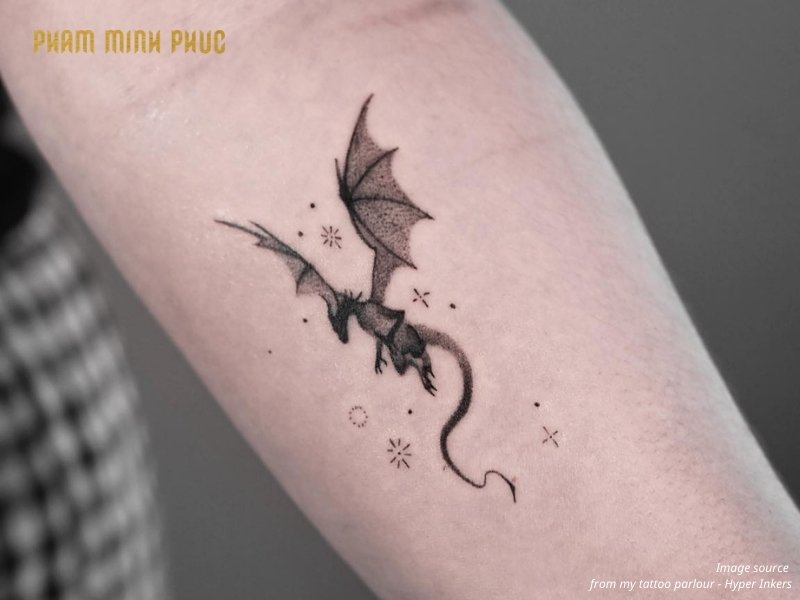
2×2 Tattoo Size
A 2×2 inch tattoo (approx. 5×5 cm) is roughly the size of a matchbox or a standard cracker and represents the quintessential small tattoo. This dimension is perfect for high-contrast, minimalist designs such as simple geometric shapes, tiny distinct animals, or short 3 to 4 letter words.
Ideal placements for this size are delicate, smaller body parts where the design won’t look lost. The inner wrist, ankle, behind the ear, or the finger are popular choices because the 2×2 scale feels proportional to the bone structure in these areas.
Estimated Time and Cost: A 2×2 tattoo typically takes 30 to 60 minutes to complete and ranges in price from $50 to $100. Since the session is short, the cost is almost exclusively driven by the studio’s “shop minimum” fee which covers sterilization, needle setup, and disposables rather than the actual drawing time.
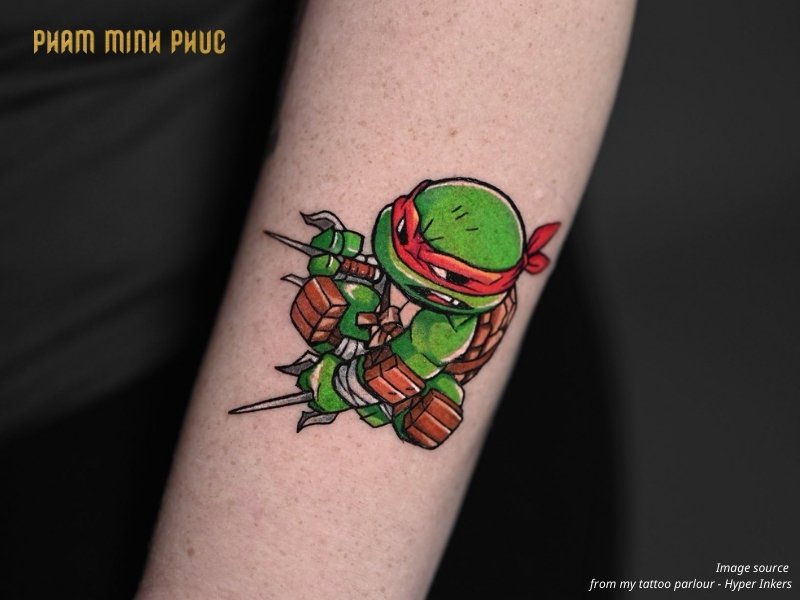
3×3 Tattoo Size
A 3×3 inch tattoo (approx. 7.5×7.5 cm) is comparable to a standard Post-it note or the size of a baseball. This is often referred to as a small-medium size and offers just enough surface area for recognizable imagery like traditional roses, compasses, or longer script quotes. It serves as an incredibly versatile size that allows for bolder lines and basic shading without demanding the commitment of a large-scale project.
Ideal placements include the inner forearm, shoulder blade, or tricep where the skin is relatively flat. This size effectively balances visibility with concealability making it a top choice for a first tattoo.
Estimated Time and Cost: A 3×3 tattoo usually requires 1 to 2 hours of chair time and costs between $100 and $250. This price point generally moves past the base shop minimum and begins to reflect the artist’s specific hourly rate or a flat piece price based on the complexity of the shading or color work involved.
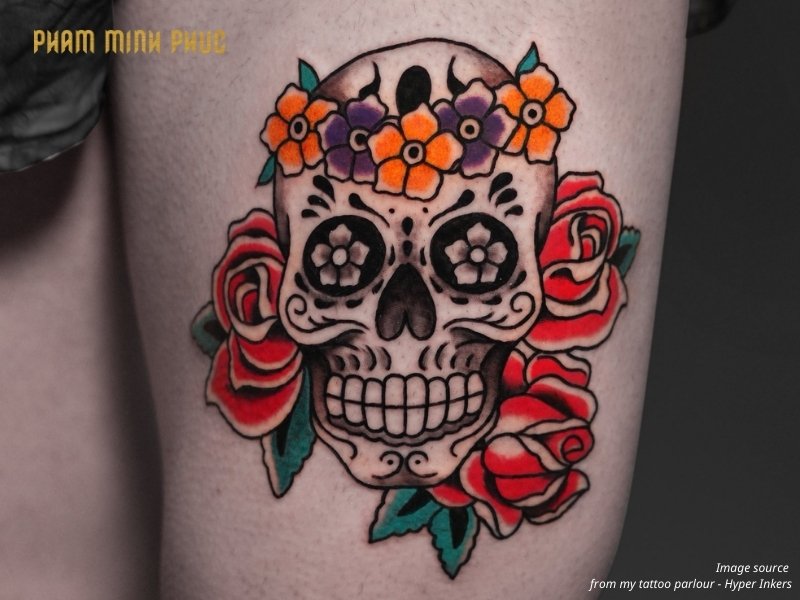
4×4 Tattoo Size
A 4×4 inch tattoo (approx. 10×10 cm) is roughly the size of a beverage coaster and represents the entry point for medium sized tattoos. This scale provides sufficient canvas for an artist to utilize shading, texture, and depth which makes it the minimum recommended size for portrait tattoos or detailed illustrative work. A 4×4 piece allows for crucial “negative space” within the design which prevents the ink from migrating and merging into an indistinguishable blob over decades.
Ideal placements for this square footage include the bicep, calf, upper arm, or upper back. These areas offer a broad enough canvas so the design can sit flat without wrapping awkwardly around the limb.
Estimated Time and Cost: A 4×4 tattoo generally takes 2 to 3 hours to execute and costs between $200 and $400. This increase in price and time accounts for the additional surface area which necessitates deeper saturation, intricate lining, and often a break for the client to manage the pain tolerance during a half-day session.
6×6 Tattoo Size
A 6×6 inch tattoo (approx. 15×15 cm) is a large statement piece comparable to a standard Amazon Kindle or a small salad plate. At this scale, the artist can execute complex concepts involving background elements, multiple characters, or realistic scenery with high fidelity.
Ideal placements include the back, chest, thigh, and side. These areas provide the necessary large, flat surface area to prevent the image from distorting or wrapping completely around the body.
Estimated Time and Cost: A 6×6 tattoo typically demands 4 to 6 hours (often split into multiple sessions) and costs anywhere from $400 to over $800. Since this is a large-scale project, most professional artists will switch to an hourly charging model rather than a fixed price due to the unpredictable nature of skin stamina and the density of the details.
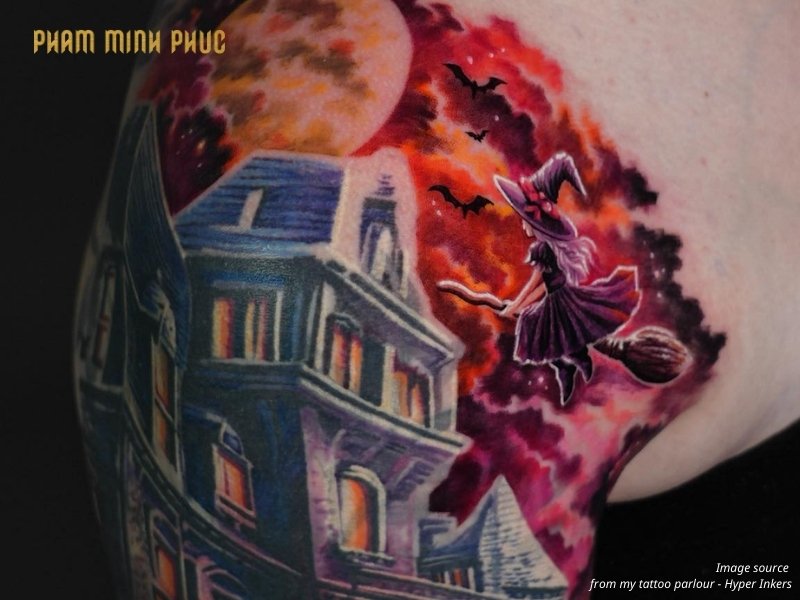
How Does Tattoo Size Impact Pain Levels?
Tattoo size impacts pain primarily through the duration of the session rather than the intensity of the needle. A small tattoo might feel sharp but finishes before your body’s natural painkillers wear off. A large piece requires stamina because your adrenaline and endorphins typically fade after the first hour.
The pain experience shifts dramatically as the hours pass.
- Micro to Small (30 – 60 mins): The pain is annoying but manageable. Your body releases adrenaline which acts as a numbing agent. Most clients find this very tolerable.
- Medium (2 – 3 hours): The adrenaline begins to fade. The skin becomes irritated and raw. You will start to feel the vibration and heat more intensely.
- Large (4+ hours): This enters the territory of endurance. The brain depletes its chemical resources causing “adrenal fatigue.” The body may start to shiver or feel feverish as it processes the prolonged trauma.
For a more detailed breakdown of how pain varies across different body areas and tattoo sizes, you can refer to the tattoo pain chart helping you understand which placements and scales are more sensitive before committing to your tattoo.
How Does Tattoo Healing Differ Based On Size?
Estimated healing timelines differ significantly by scale:
- Small Tattoos (2×2): Surface healing typically completes in 2 weeks. The trauma is localized so peeling is often light and finishes quickly.
- Medium Tattoos (4×4): Generally require 3 to 4 weeks for the skin to fully close. You will likely experience a more intense “itchy phase” as the collagen rebuilds.
- Large Tattoos (6×6+): Take 4 to 6 weeks for the scabs to fall off completely but deep tissue recovery lasts 2 to 3 months. The body needs significantly more energy to repair this extensive area.
You must also adjust your aftercare expectations based on the scale of the trauma.
- Systemic Shock: Large tattoos like back pieces or sleeves can trigger “Tattoo Flu.” You might feel tired or achy for 48 hours because your lymphatic system is working overtime to process the ink and wound.
- Swelling and Weeping: A 2×2 tattoo will weep very little plasma. A 6×6 piece or larger will weep significantly for the first few days and requires heavier absorption pads to manage the fluid.
- Scabbing Stage: Small tattoos often peel like a mild sunburn with light flakes. Large solid-color sections tend to form thicker scabs which creates a higher risk of cracking if not moisturized correctly.
How To Choose The Perfect Tattoo Size for Your Design?
The most effective way to choose the perfect size is to perform a physical “stencil test” with your artist while strictly evaluating three critical factors: design complexity, body anatomy, and pain tolerance. Never decide based solely on a phone screen because a digital image does not reflect how ink spreads and settles under biological skin over time.
You must weigh these practical factors before finalizing the dimensions:
- Design Complexity and Aging: You must prioritize the longevity of the art over a specific size constraint. Ink naturally migrates and lines thicken over time. If you force a detailed design into a small 2-inch space, it will eventually merge into a blurry blob. Complex concepts require a larger scale to provide “breathing room” for the negative space.
- Body Contours: The tattoo should flow with your muscles rather than floating aimlessly. A tiny 2-inch tattoo placed in the center of a large thigh often looks like a random “sticker” or a bruise whereas a 6-inch piece fills the canvas appropriately.
- Pain Tolerance: Larger tattoos require longer sessions which push your endorphin limits. If you have a low pain threshold, committing to a sensitive rib piece that takes 6 hours might be overwhelming compared to a manageable 1-hour session.

I always advise my clients to print at least three different size variations to tape onto the body before we even set up the machine. I have seen countless people regret going “too small” out of nervousness only to realize later that the details disappeared after healing. I would rather you choose a size that feels slightly intimidating today than end up with an unrecognizable smudge five years from now.
Once you have the stencil on your skin, look in a mirror from 5 feet away. If the design becomes unreadable or looks like a dark smudge from that distance, it is too small and needs to be scaled up to ensure it remains distinct for life.
What Is A Good Size For A First Tattoo?
A design in the 3×3 to 4×4 inch range (roughly palm-sized) is widely considered the ideal size for a first tattoo. This size is large enough to allow for a beautiful, detailed design that won’t blur out, yet small enough to be completed in a manageable 2-hour session. It introduces you to the sensation of tattooing and the healing process without the extreme commitment of a full sleeve or back piece.
How Much Does Tattoo Size Affect Price?
Tattoo size has a direct impact on tattoo prices because the physical dimensions determine the amount of time, ink, and disposable materials required to complete the piece. The relationship between tattoo size and tattoo price is not always linear because studios must cover baseline operational costs regardless of how small the design is.
You should understand how tattoo pricing structures shift as the size increases:
- Shop Minimums: Even a tiny dot or a 1-inch heart will cost the shop’s minimum (usually $50 – $100) because the setup, sterilization, and equipment costs are the same as for a larger piece.
- Flat Rates vs. Hourly: Medium pieces (around 3×3 to 4×4) are often quoted at a flat rate (e.g., $100 – $400). Once a tattoo exceeds the 6×6 mark or requires multiple sessions, artists typically switch to an hourly rate (e.g., $150 – $250/hour) because the time becomes harder to predict.
- Complexity Multipliers: A 4-inch simple outline is significantly cheaper than a 4-inch hyper-realistic portrait. The size provides the canvas but the complexity dictates the labor.
Since variables like skin type, placement, and specific design details change everything, it is impossible to give an exact number online. If you want to know precisely what your design will cost and how to budget for it, I invite you to book a consultation appointment with me. As a top rated tattoo artist in San Antonio, I can sit down with you, measure the placement on your body, and provide an accurate price quote based on the specific size that works best for your anatomy.
How Much Does A Medium Sized Tattoo Cost?
A medium-sized tattoo (approx. 4×4 inches or palm-sized) typically costs between $200 and $400, depending on the artist’s hourly rate and the design’s intricacy. For example, a blackwork symbol might be on the lower end ($250-$350), while a color-realistic flower of the same size could push towards the higher end ($350-$400) due to the time-intensive color blending required.
You must remember that these figures are only rough market estimates. Since every artist values their time differently and every skin type reacts uniquely, the only way to get a guaranteed price is to reach out directly. I highly recommend you contact a professional tattoo artist for a consultation where they can evaluate the design complexity in person and provide a hard quote that aligns with your specific budget.
Does Tattoo Size Affect Session Time?
Yes, tattoo size directly affects tattoo session length. Larger designs require more time for outlining, shading, and proper ink saturation, which can extend the session to several hours or even multiple appointments. In contrast, smaller tattoos are usually completed within a shorter timeframe because they involve less surface area and simpler execution.
Do Needle Sizes Affect Tattoo Size?
No, needle sizes do not dictate the overall physical dimensions of the tattoo. These configurations strictly define the texture and line weight within that size. While “size” in this context refers to the needle grouping (like a 3-Round Liner versus a 9-Magnum), the physical scale of the art is determined solely by the stencil application.
There is still a technical relationship between the tool and the canvas:
- Micro Tattoos: To execute a small 2×2 inch tattoo, an artist must use extremely fine needles (like tight liners) to capture the details without the ink spreading.
- Large Scale Work: For a large back piece or tribal design, artists use large magnum needles to pack color efficiently and cover surface area quickly.
You generally do not need to worry about needle sizes as a client. Your artist will instinctively select the correct needle configuration to match the scale and style of the design you have chosen.
In this guide, I helped you navigate the critical relationship between tattoo size and design longevity. You now understand why scale must be dictated by complexity and how dimensions directly influence pain levels, healing timelines, and the financial commitment. As a San Antonio-based custom artist, I always prioritize anatomical flow and long-term clarity over forcing a design into a space that cannot support it. If you are ready to find the perfect balance for your next artwork, I am here to help you measure and plan with confidence.