A wrist tattoo is rarely seen from only one angle. Every time you turn your hand, bend the joint, or let your arm rest naturally, the design can face a different direction. That makes orientation especially important in this area.
The inner wrist keeps the tattoo closer to your own line of sight, while the top and outer wrist make it easier for other people to see. A side placement creates a narrower look, and a wraparound design can connect several surfaces into one continuous composition.
Because the wrist is compact, highly detailed designs often need to be simplified, enlarged, or moved slightly onto the lower forearm. The stencil should also avoid forcing important details across deep creases where repeated hand movement changes the surface.
In this article, I will show you the main wrist tattoo placements and how each one affects design direction, visibility, scale, and connection with the hand or forearm.

Table of Contents
Where Can You Place a Wrist Tattoo?
A wrist tattoo can be placed on the inner, outer, or side of the wrist, or on the top of the wrist, or wrapped around the joint as a continuous band.
These areas sit close together, but they present different shapes and viewing angles. The inner wrist faces the palm, the outer wrist sits toward the outside edge of the lower arm, the top wrist faces upward when the palm is down, and the side placement follows one of the narrow edges between them.
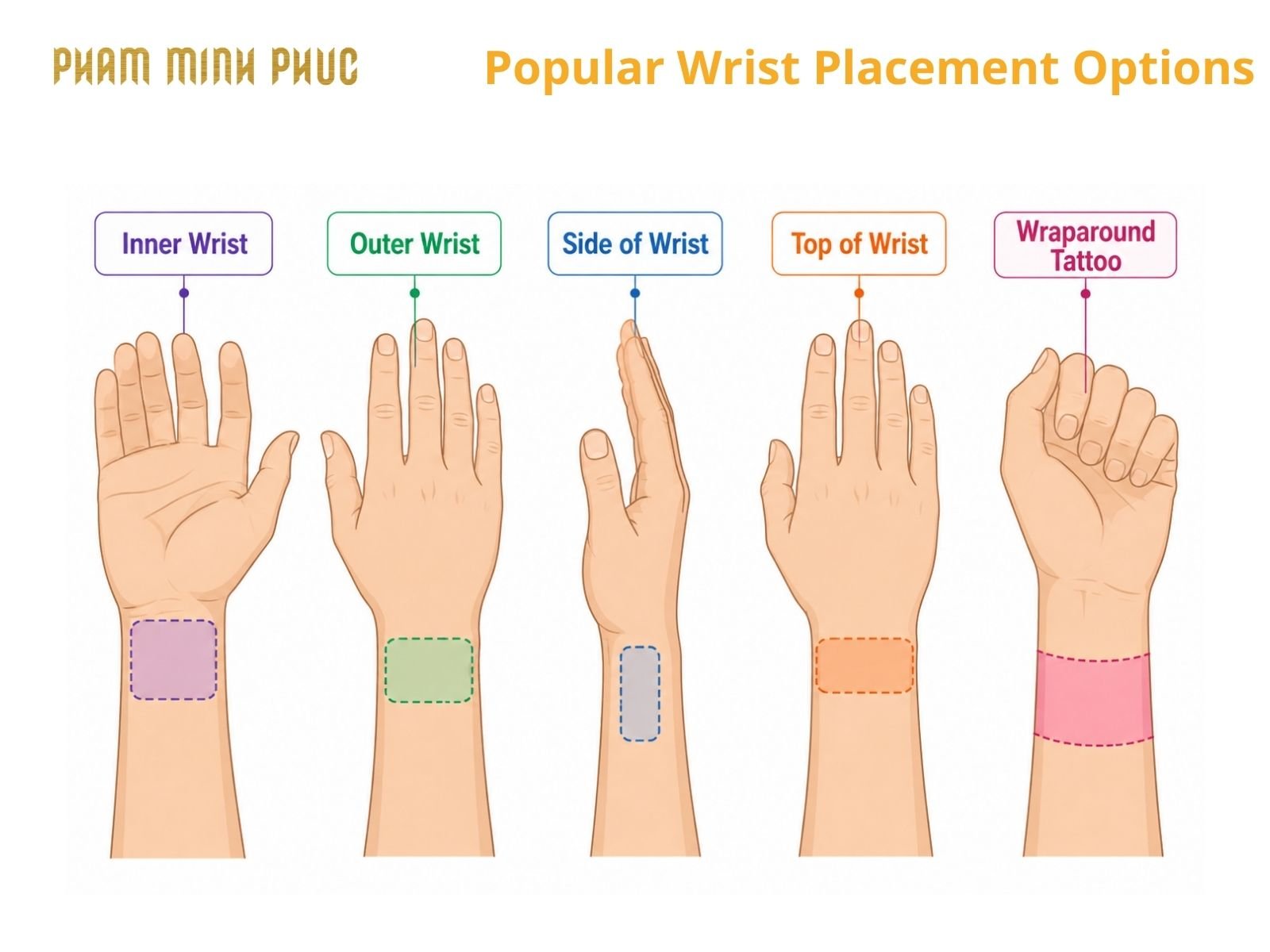
Inner Wrist Tattoo Placement
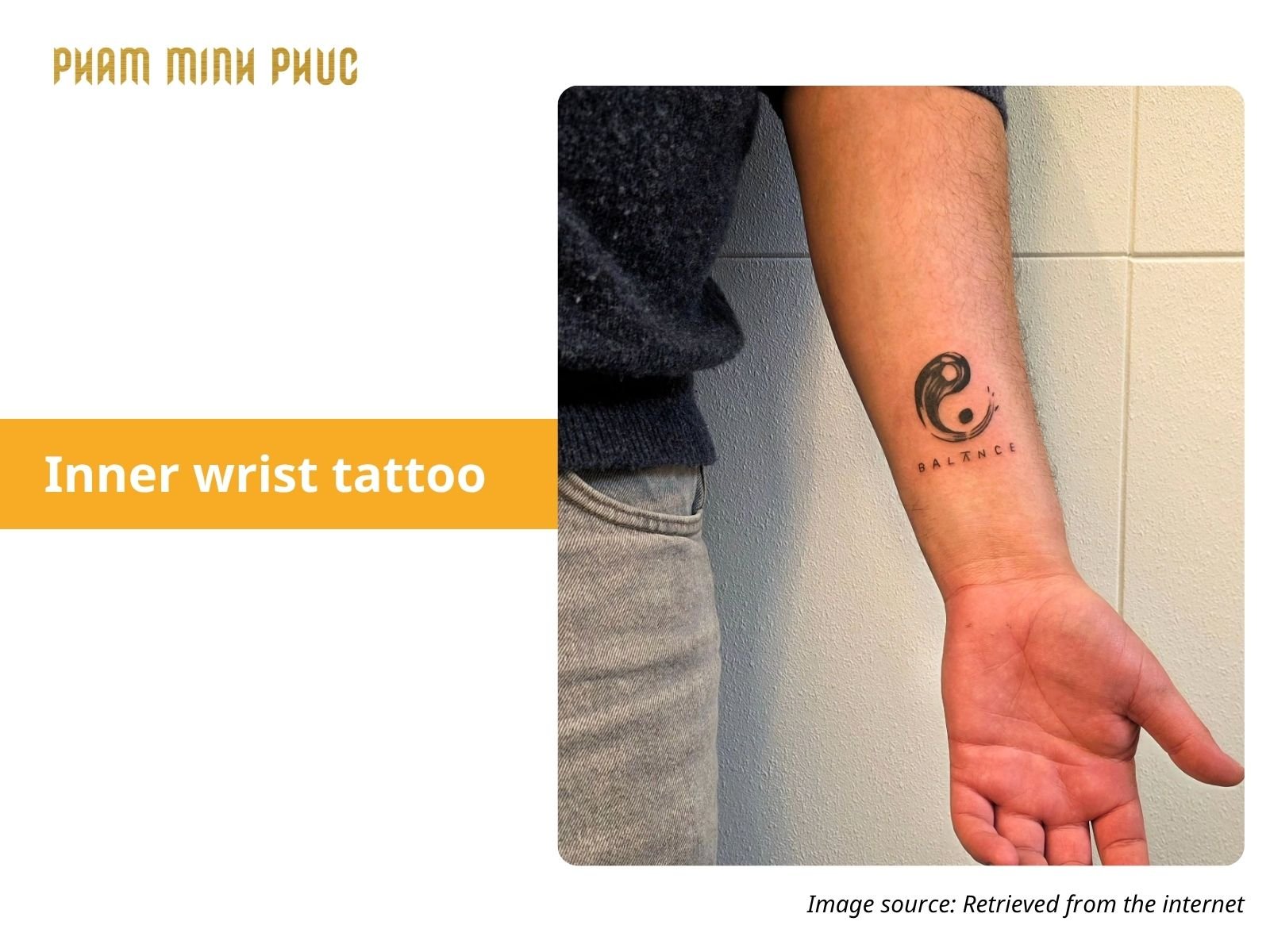
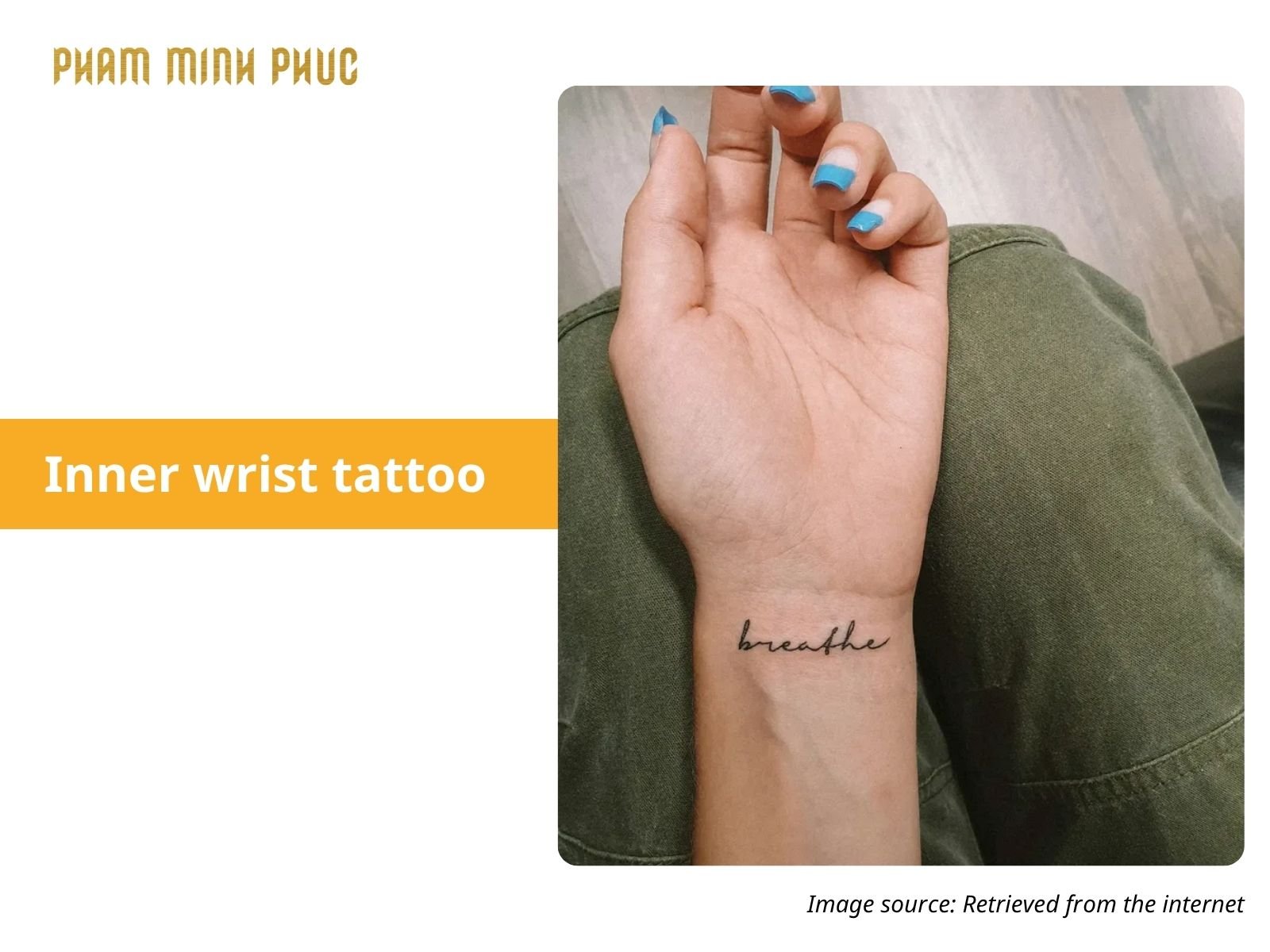
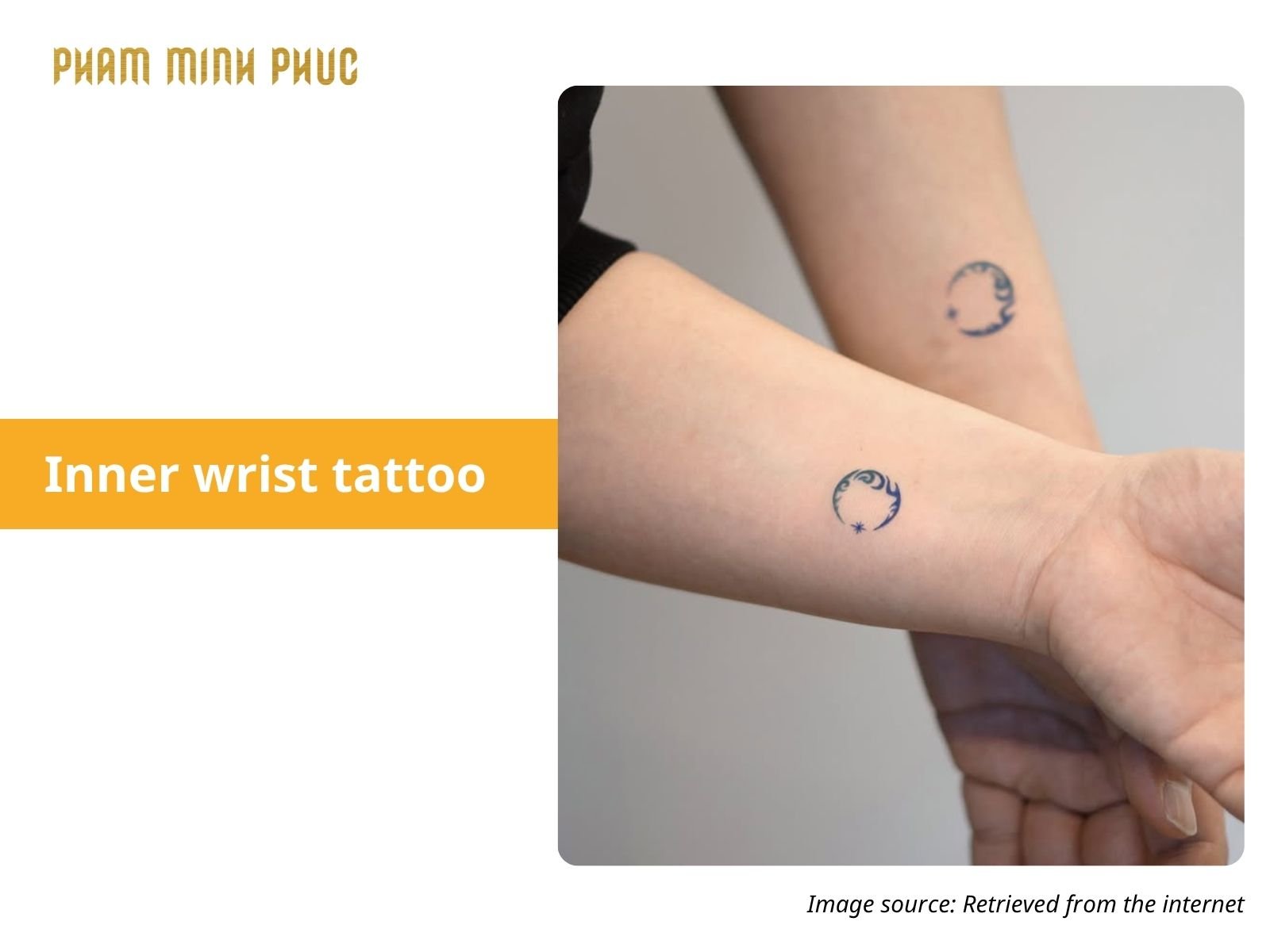
Inner wrist tattoo placement uses the palm-facing surface where the hand meets the lower forearm. The tattoo naturally enters your own line of sight when you turn the palm upward, which is why this area is often chosen for personal symbols, dates, short words, and small designs with private meaning.
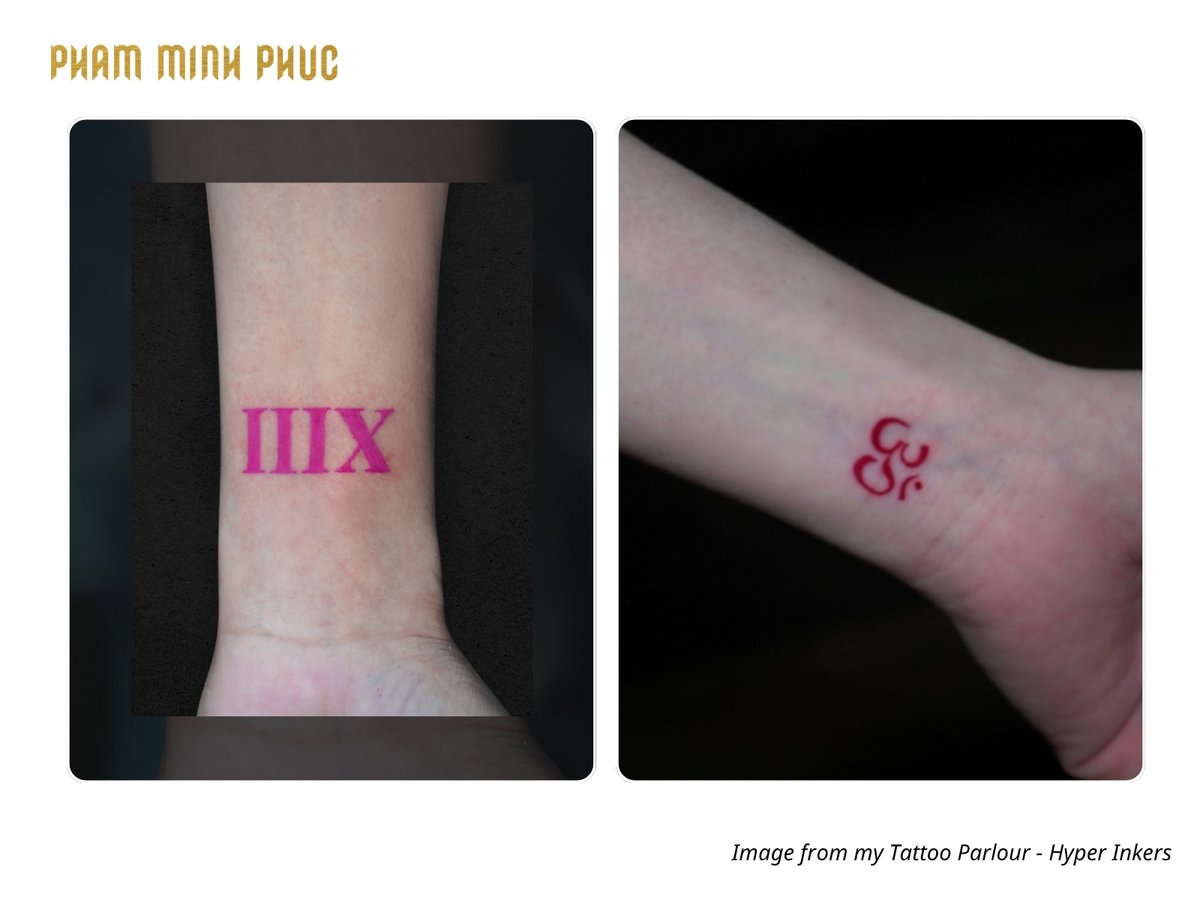
Fine-line florals, minimalist symbols, initials, short script, and simple ornamental details fit the limited width well. Designs with dense shading or many small elements may need to extend slightly higher onto the forearm so the details have enough separation.
This sensitive area contains numerous superficial veins and dense nerve endings. The complete lack of fat cushioning generates a sharp, intense sensation during the tattooing procedure.
You will likely experience the vein bleed myth fear when looking at this highly vascular zone. You must understand that professional tattoo needles only penetrate the shallow dermis layer and safely avoid the deep subcutaneous veins. You must also ask your artist to position the stencil at least one to two inches below the primary joint crease. This crucial adjustment prevents the biological folding of your hand from causing a permanent ink blowout.
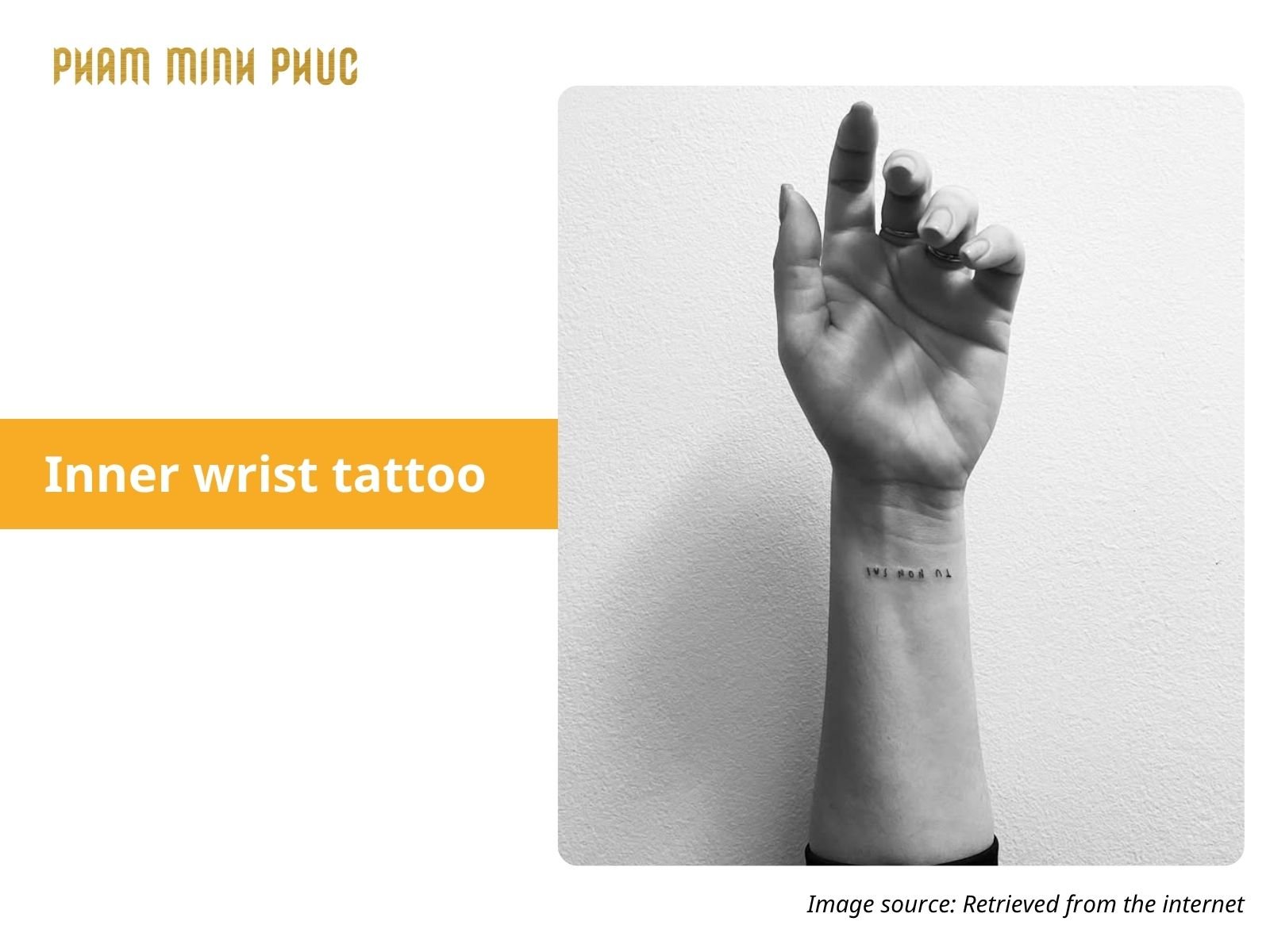
Natural wrist creases also affect stencil placement. Important lines or focal details should not be forced across a deep fold without checking how the skin moves when the hand bends.
Text creates an additional choice: it can face you when you look at your wrist or face outward so it appears upright to other people when your arm rests naturally.
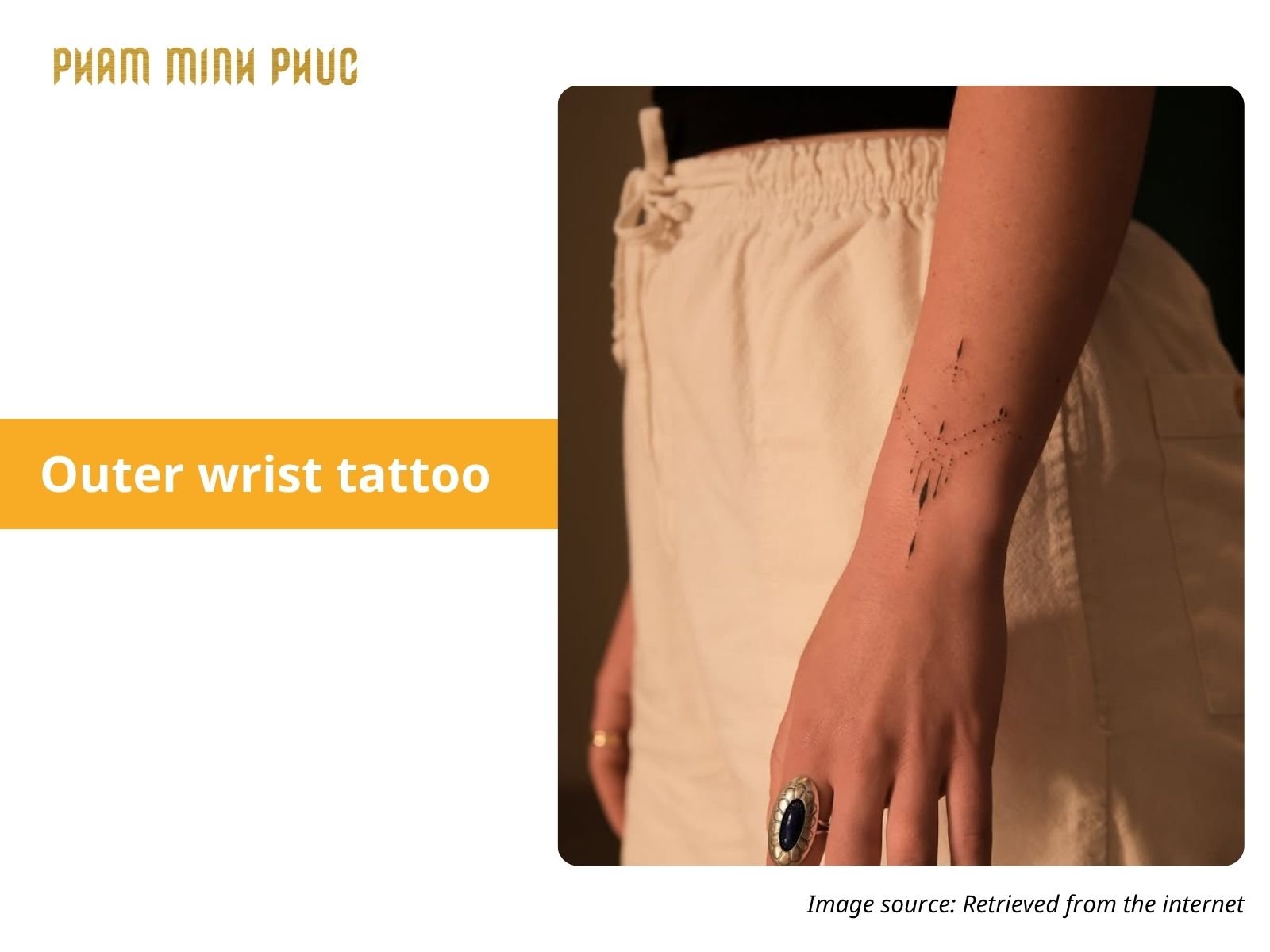
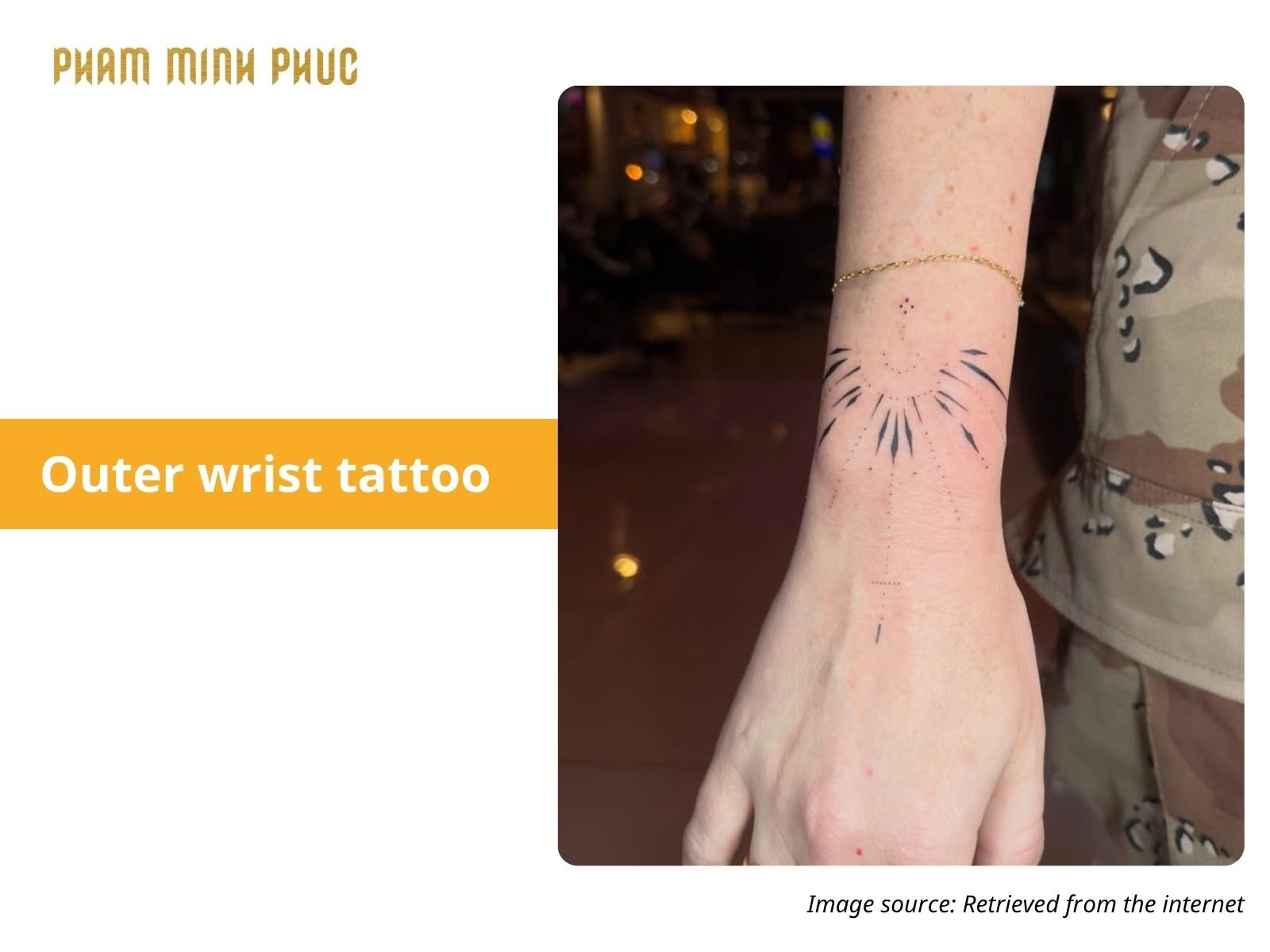
Outer Wrist Tattoo Placement
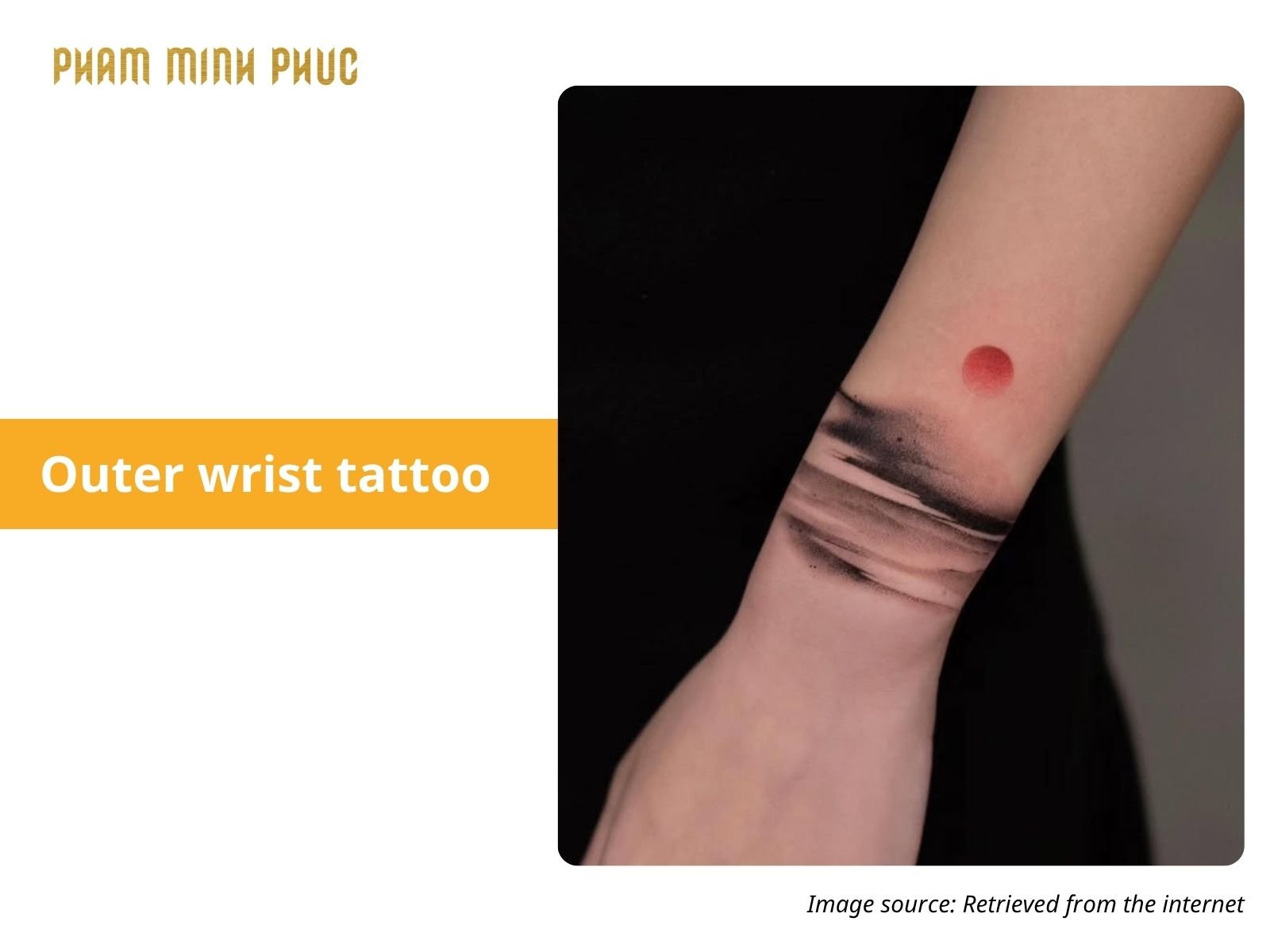
Outer wrist tattoo placement sits along the outside portion of the wrist where the lower forearm narrows toward the hand. The thicker skin and increased distance from major nerve clusters make this specific zone significantly less painful than the inner joint. The pain registers as a manageable dull ache rather than a sharp sting.
The surface can accommodate compact florals, symbols, small animals, geometric motifs, lettering, and illustrative designs without requiring the tattoo to wrap around the joint. Artwork placed here can also transition naturally into a lower-forearm composition. A small tattoo may remain close to the wrist, while a larger design can continue upward without creating an abrupt break between the two areas.
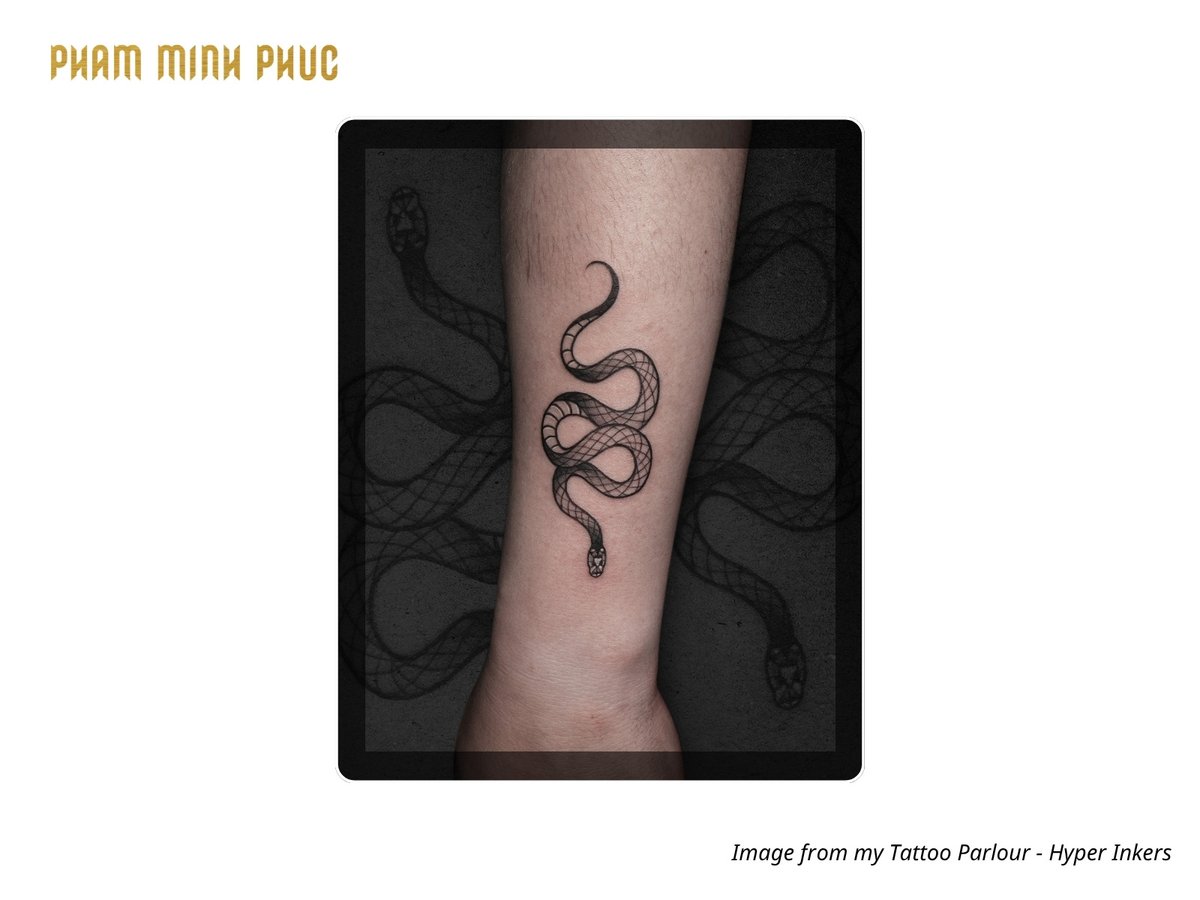
You need to protect the fresh artwork from heavy long sleeves or tight cuffs to ensure a smooth initial recovery phase. You must keep the area heavily moisturized to prevent the skin from stretching uncomfortably during normal arm rotations.
Hand rotation changes how directly the tattoo faces the viewer. When the arm hangs naturally, part of the design may read from the side rather than straight on, so the stencil should be checked with the arm relaxed instead of only with the wrist turned into position.
Moving the tattoo slightly above the wrist can provide more usable width for designs that need extra detail or may later connect with a forearm piece.
Side of the Wrist Tattoo Placement
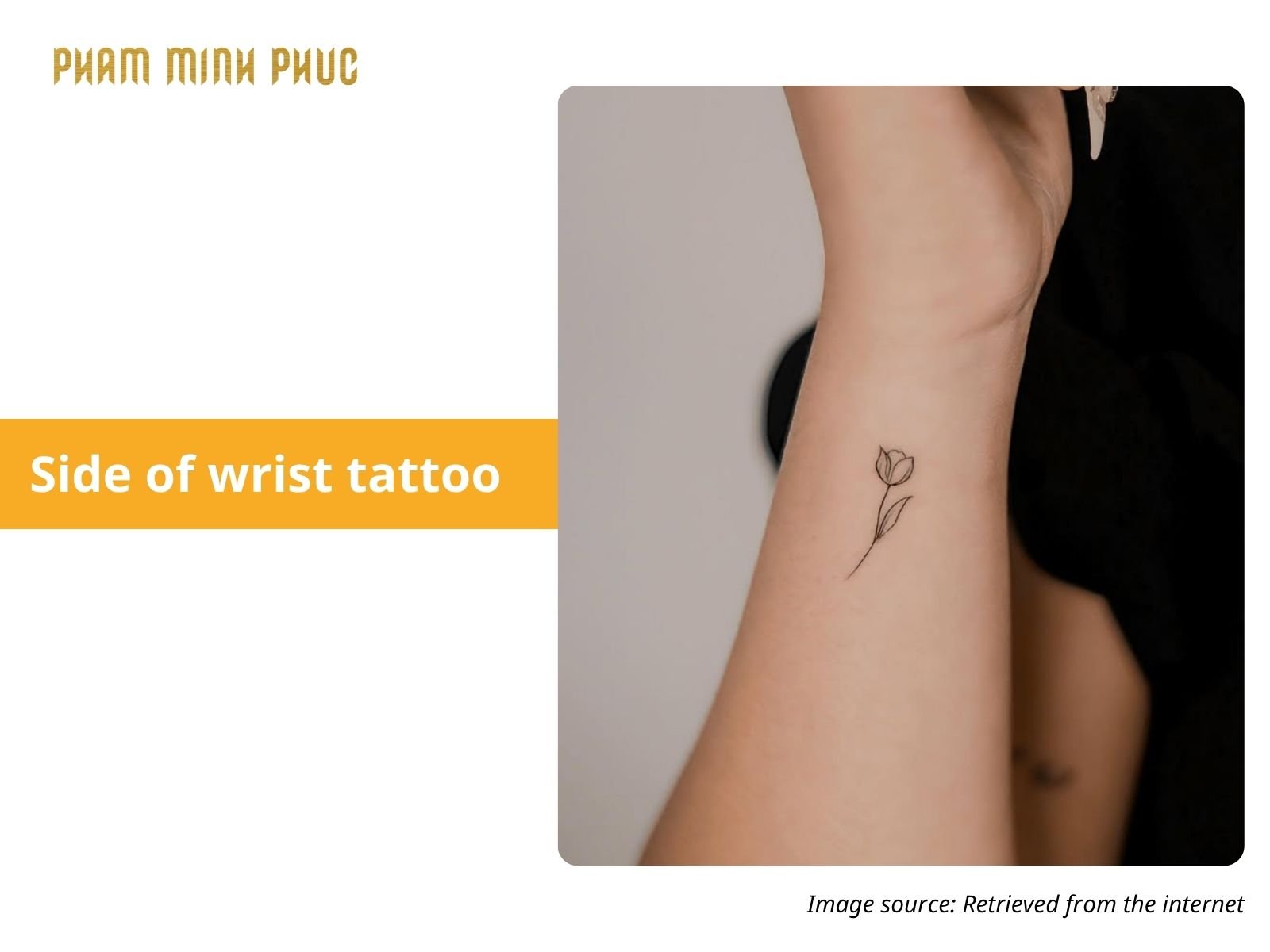
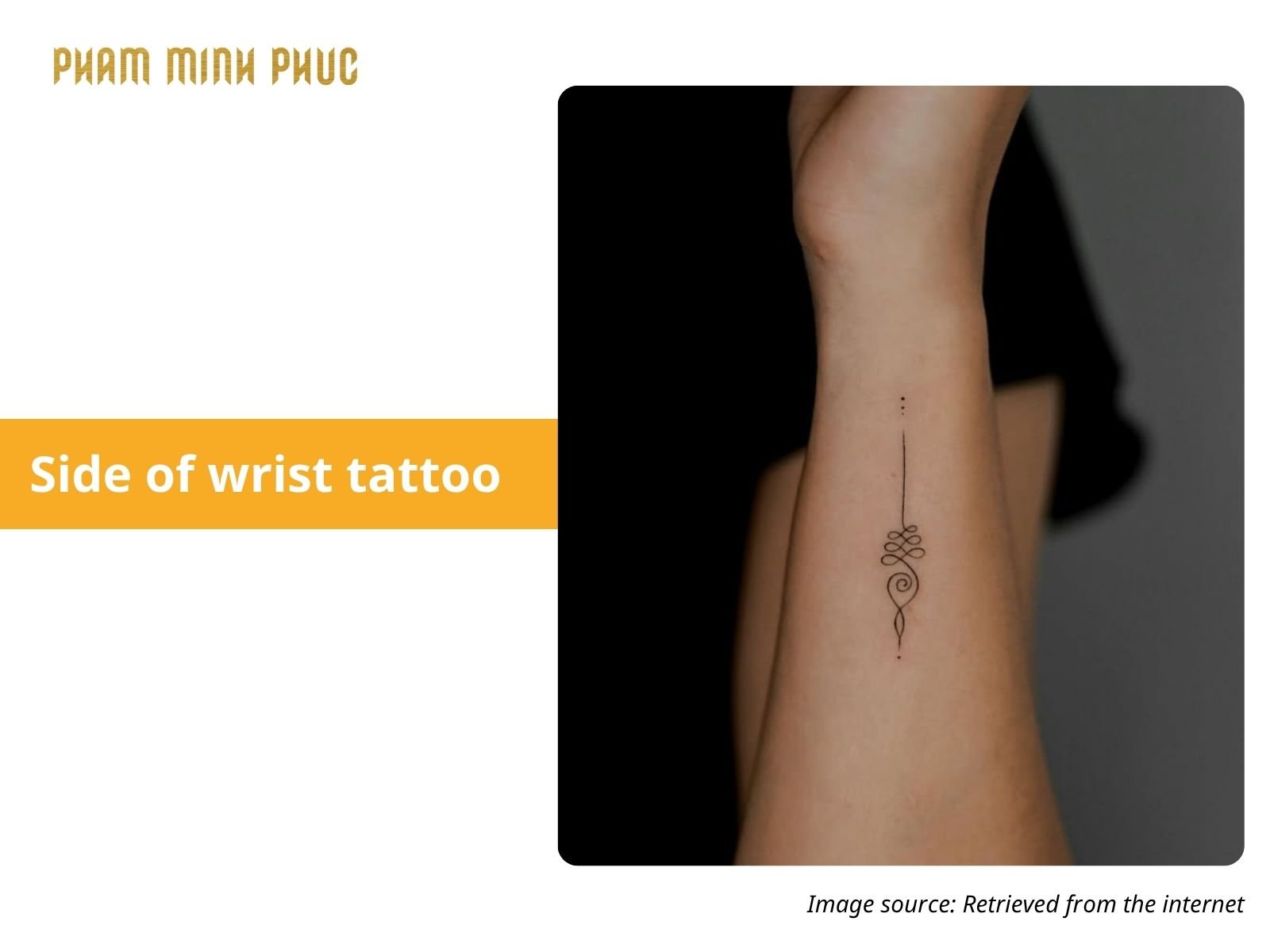
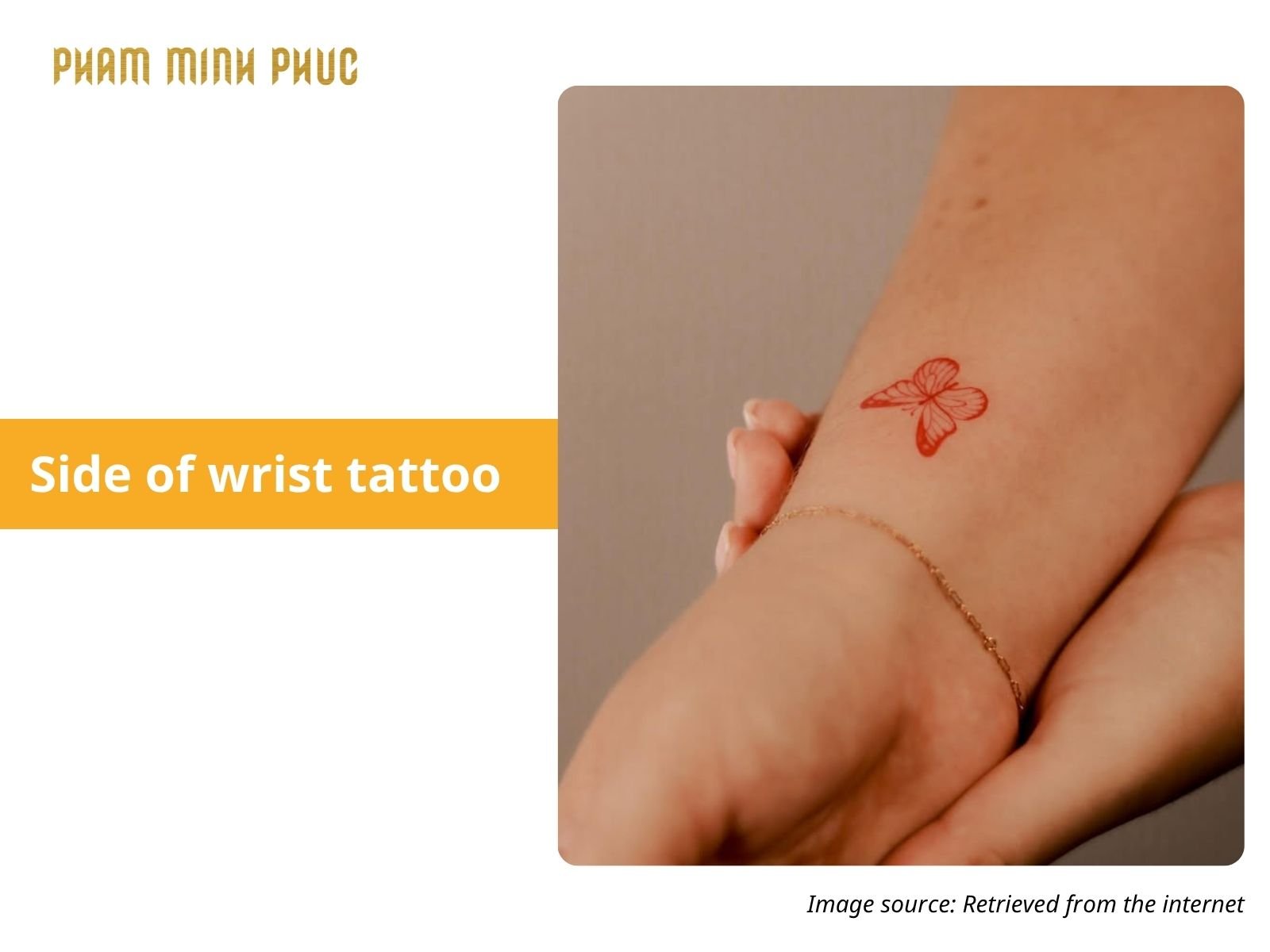
Side-of-the-wrist tattoo placement follows one of the narrow edges between the inner and outer wrist. The design may sit on the thumb side or pinky side depending on the desired viewing angle. This specific location rests directly over the hard wrist bone to provide a perfectly flat but very tight canvas. The lack of fat padding generates a sharp, bony sensation when the needle strikes the skin.
The limited width favors small or elongated artwork. Initials, dates, short words, fine-line branches, stars, tiny symbols, and narrow vertical designs can follow the wrist edge without appearing compressed.
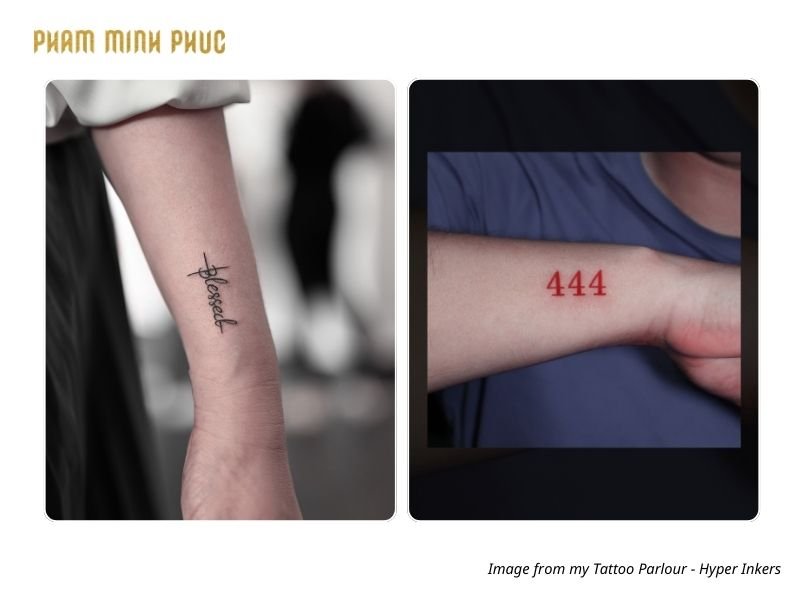
A side tattoo is less visible from a direct front view because much of the artwork only appears as the wrist rotates.
The thumb and pinky sides also interact differently with everyday movement and surfaces. A pinky-side tattoo, for example, may sit closer to a desk or table when the hand rests during computer work. Very small designs need simple shapes and enough spacing between lines. Adding too much detail to this narrow area can make the composition harder to read.
You must prepare for the desk worker trap during the critical healing phase. Your wrist edges constantly grind against hard tables and mousepads during daily computer use. You must utilize a soft foam wrist rest or minimize typing for the first five days to prevent mechanical friction from destroying your fresh scabs and pulling out the new ink.
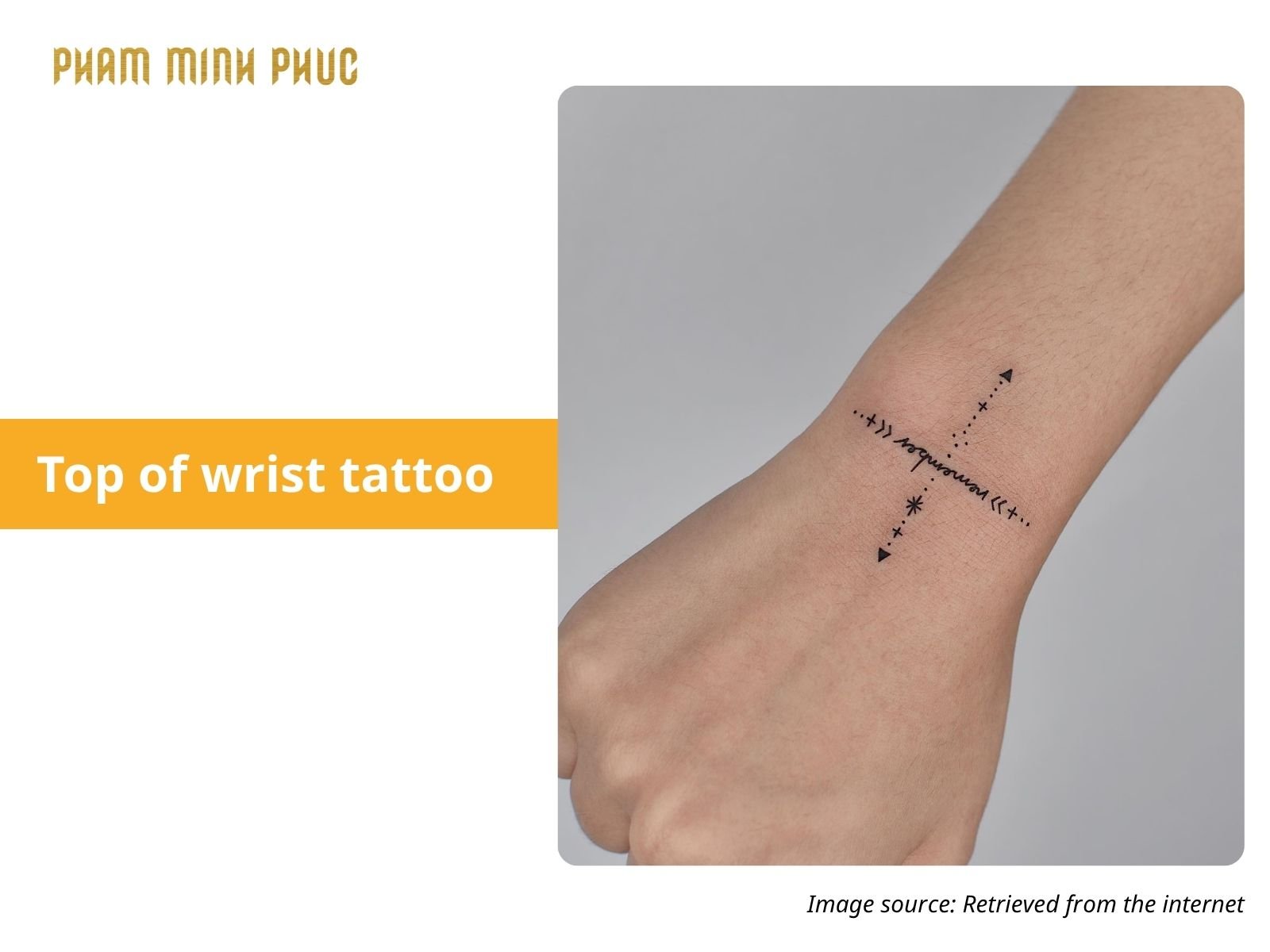
Top of the Wrist Tattoo Placement
The top of the wrist tattoo places bold artwork directly on the highly exposed dorsal joint. This prominent location provides a broad, flat surface to showcase intricate details beautifully. The pain level remains moderate and fluctuates depending on the exact proximity to the prominent wrist bones.
This surface can hold small-to-medium florals, ornamental motifs, geometric designs, animals, symbols, or compact illustrative work. Its width also allows more horizontal structure than the side of the wrist.
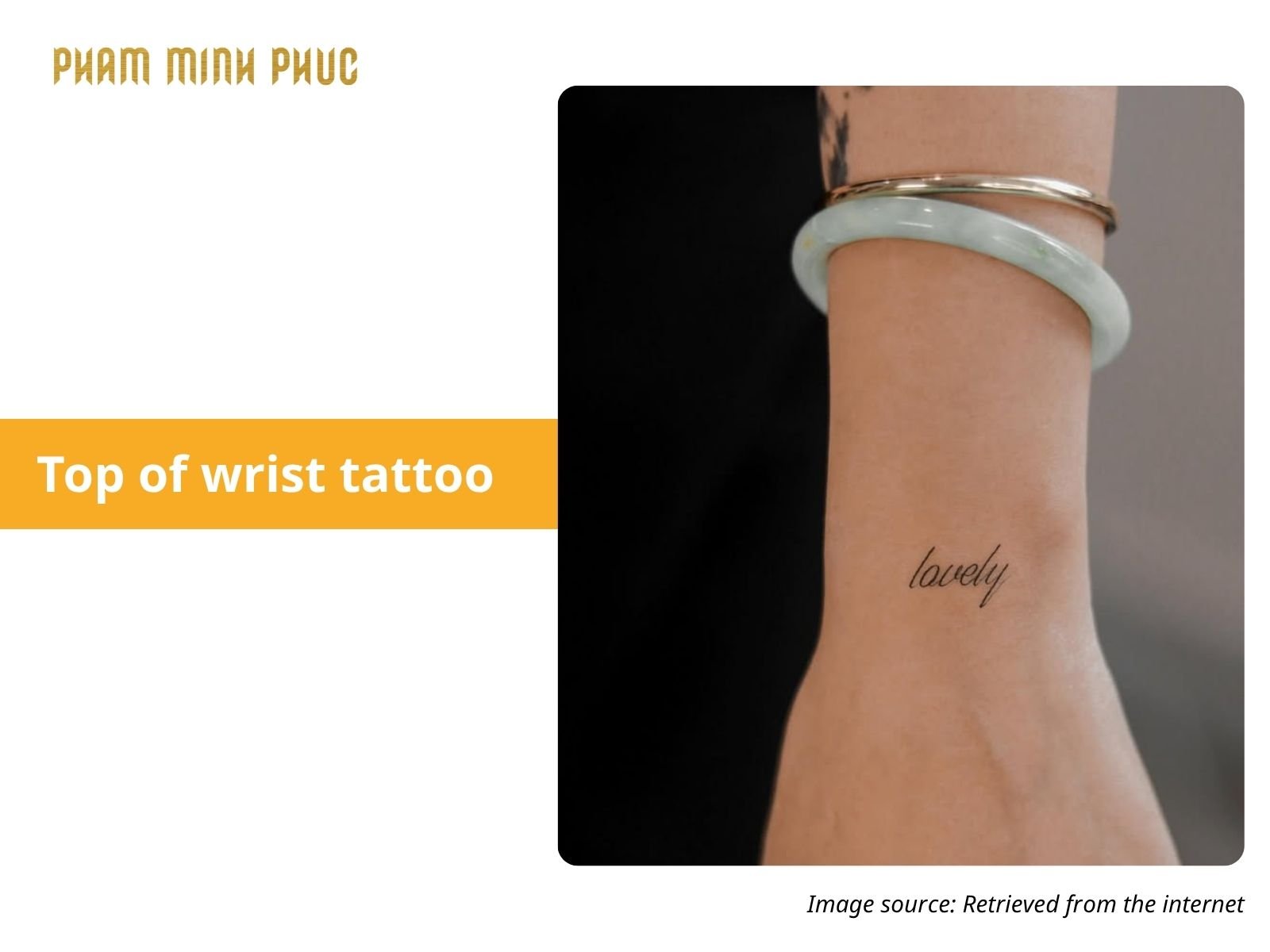
A tattoo positioned close to the hand creates a strong visual connection with hand tattoos, while moving it slightly upward makes it easier to integrate with future forearm artwork. The top wrist remains visible with most short-sleeve clothing, so the placement is better suited to artwork you are comfortable displaying frequently.
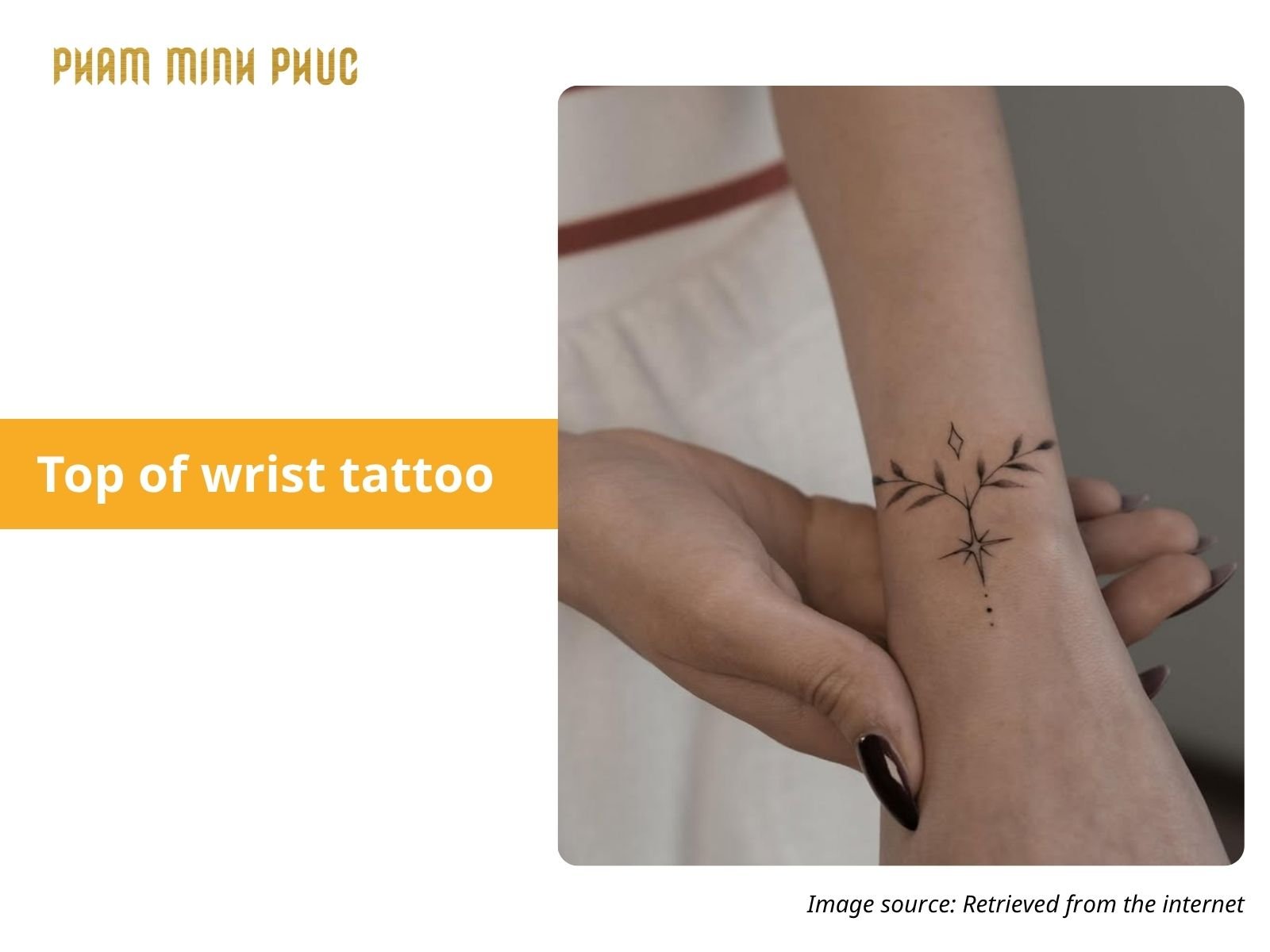
This top of the wrist placement constantly faces the severe UV radiation tax because it points directly upward toward the sun. You must commit to lifelong sun protection using high-SPF sunscreen to prevent the bright ink from fading rapidly over the years. You also need to keep the area completely clean from environmental dirt during the initial healing window to prevent dangerous infections.
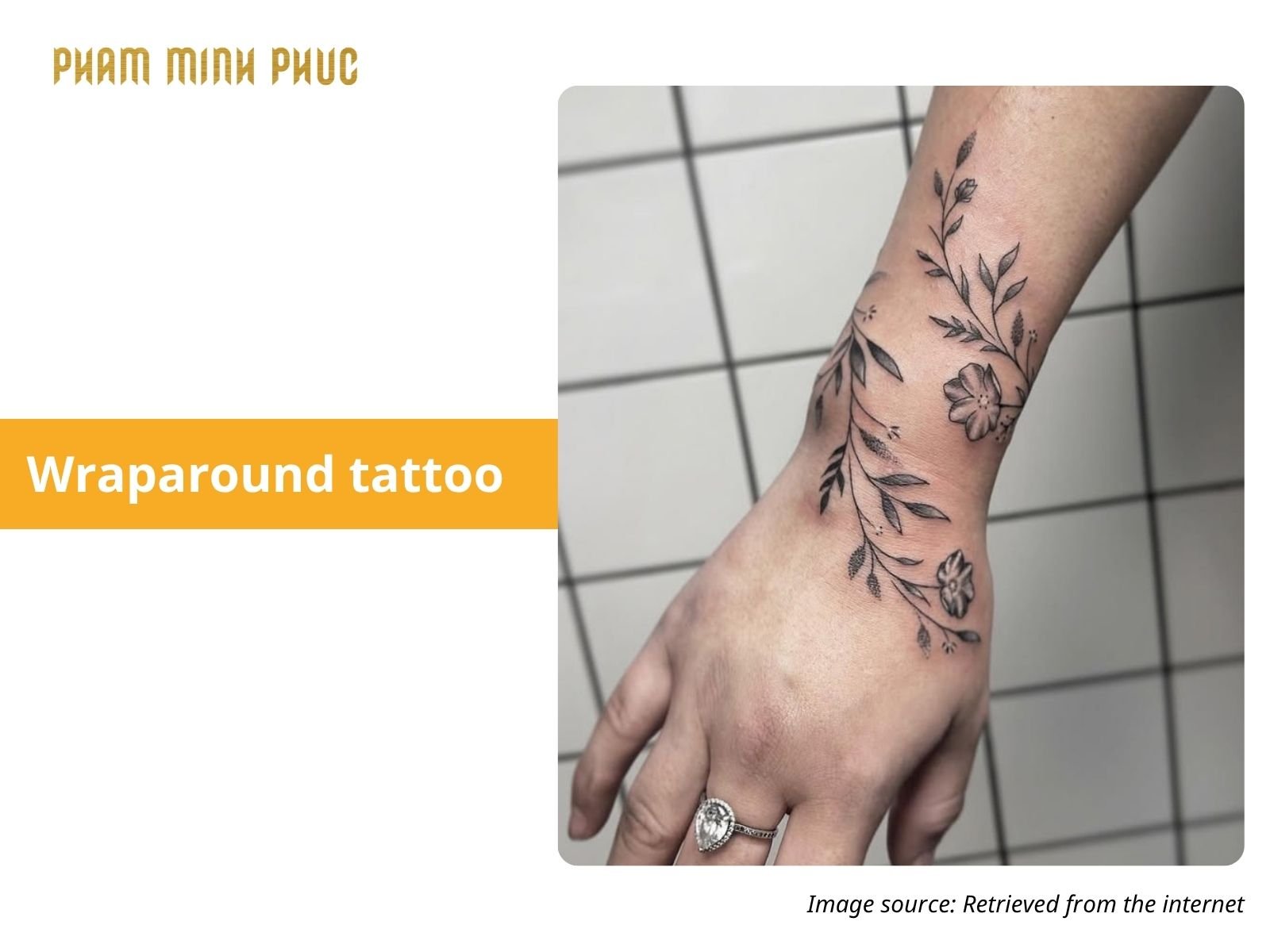
Wraparound Tattoo Placement
A wristband style tattoo completely encircles the joint to create a continuous permanent bracelet. This wraparound design forces you to endure multiple distinct pain levels as the artist moves across the inner, outer, and side sections.
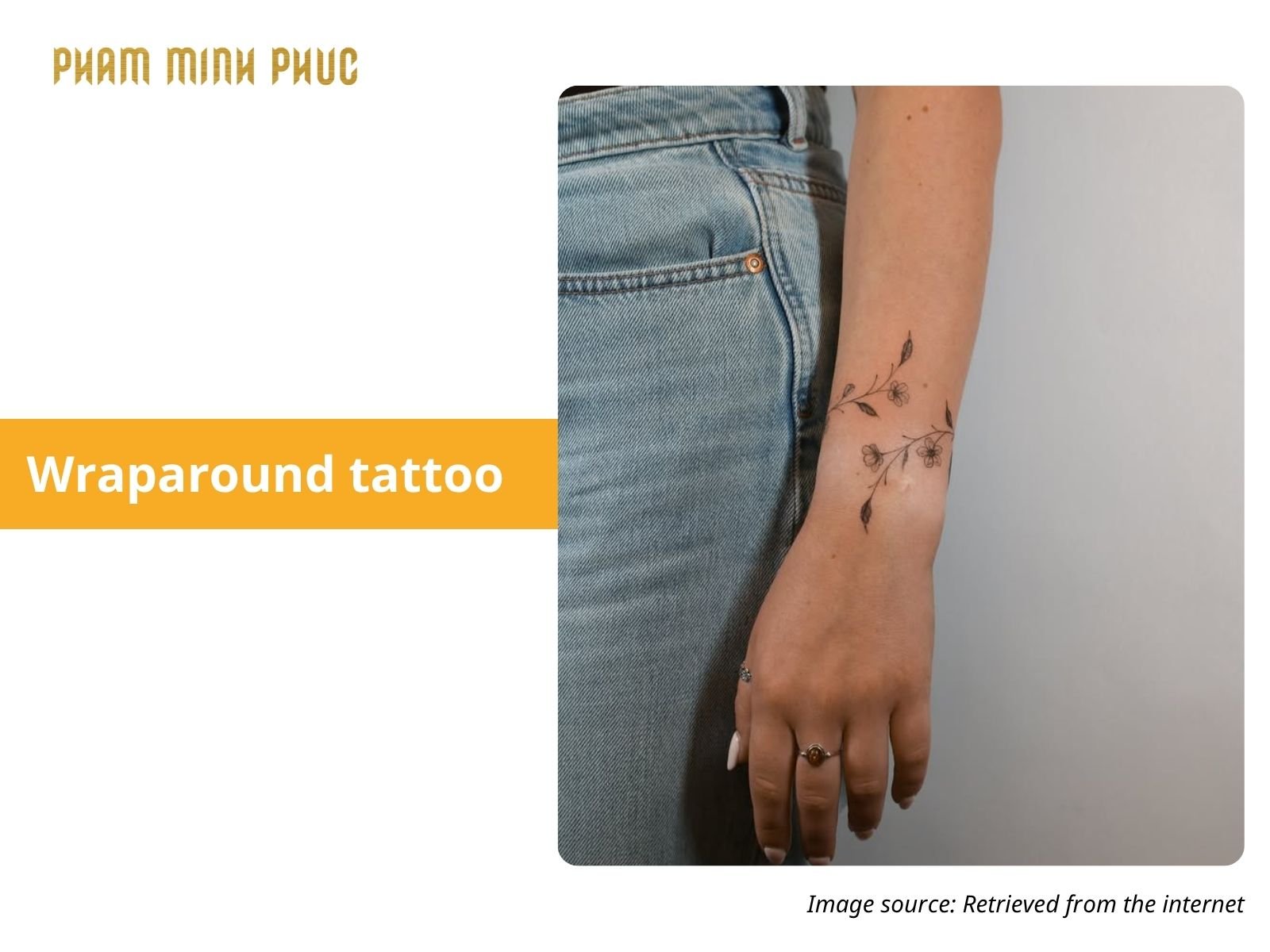
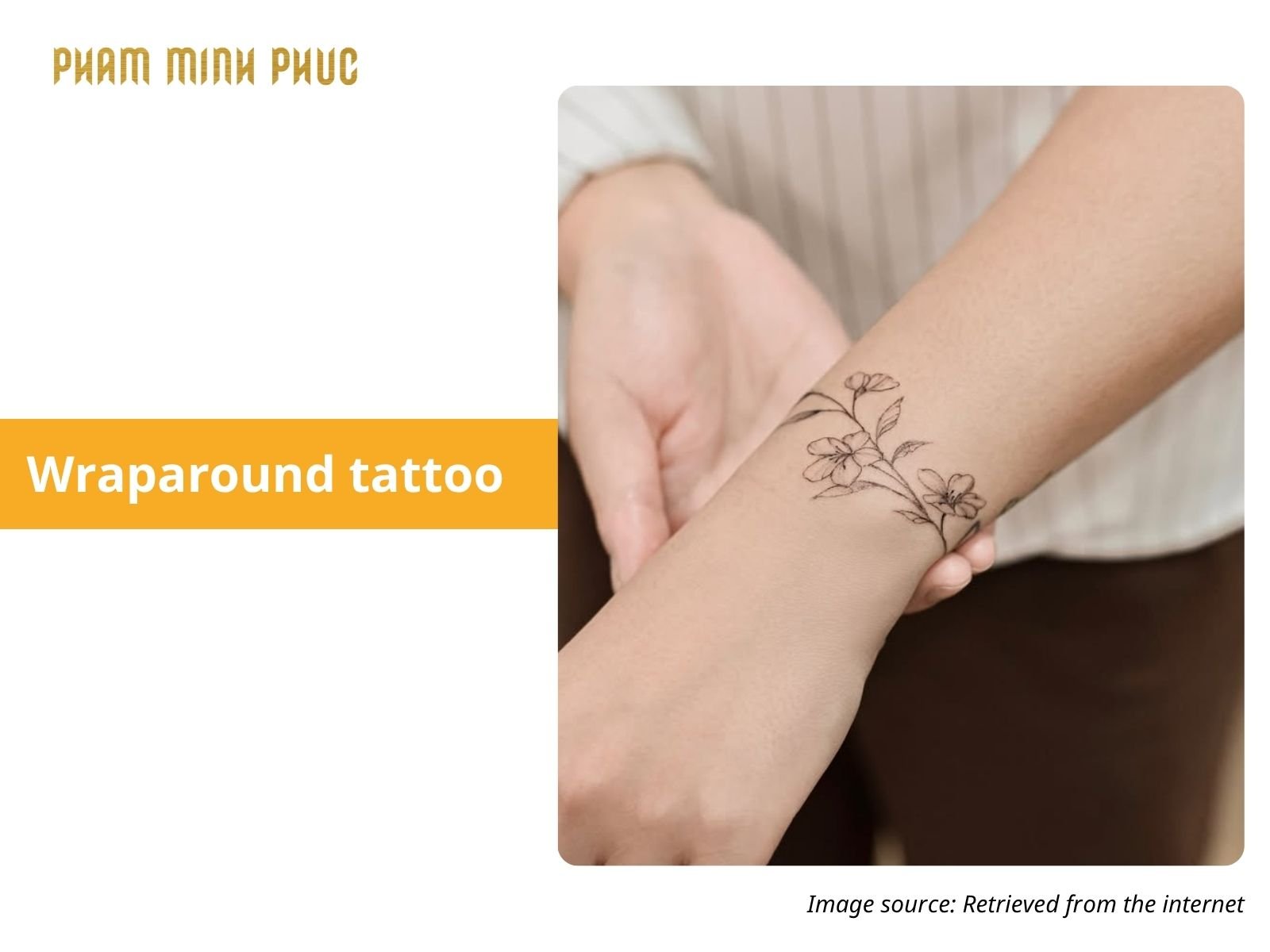
Bracelet tattoos, ornamental bands, vines, geometric patterns, linework, and continuous script are common choices because their compositions can continue horizontally around the wrist.
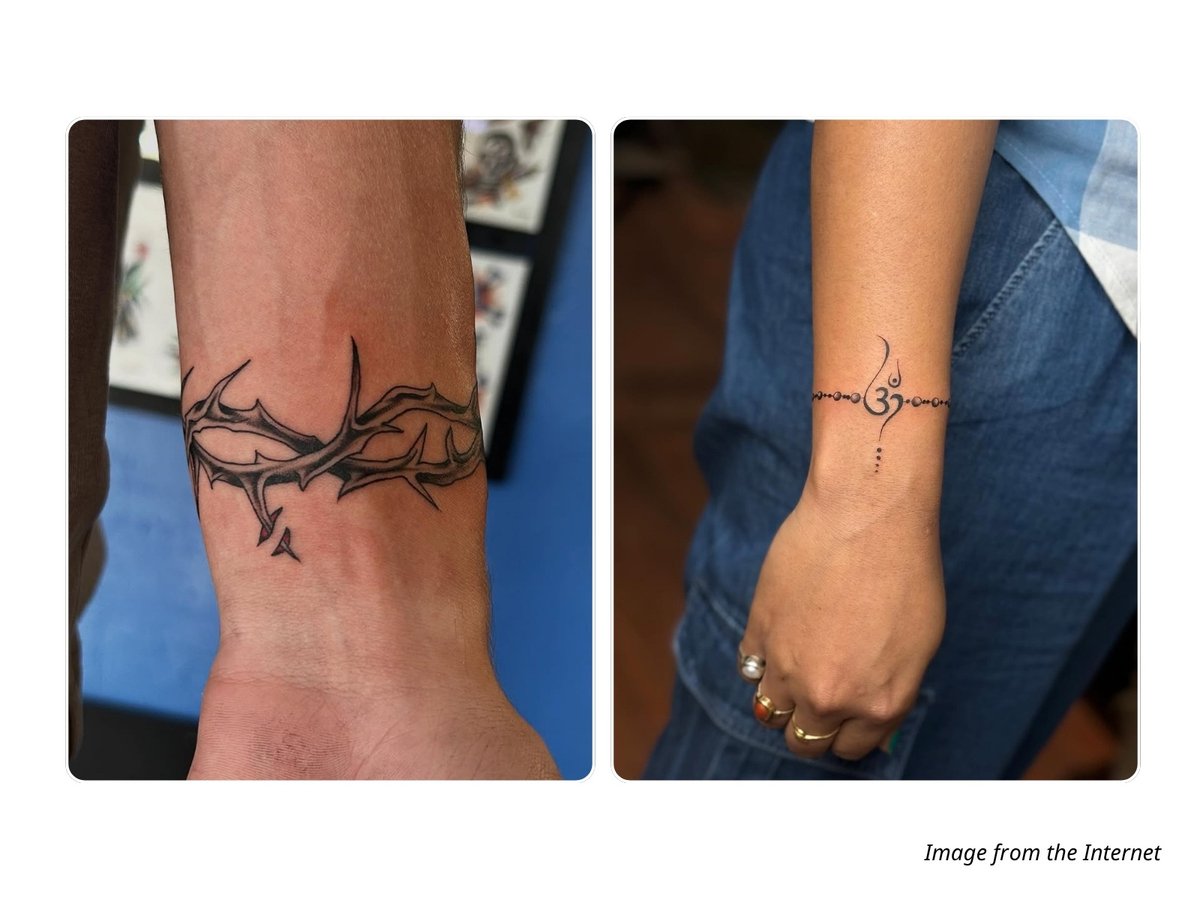
The design cannot be judged from a single viewing angle. Elements that look aligned from the front may shift visually as the tattoo moves around the curved wrist, so the stencil needs to be checked from several sides before tattooing begins.
Repeating geometric patterns usually depend on consistent spacing around the circumference. Floral or organic wraps have more freedom because stems, leaves, and other elements can adjust naturally to changes in wrist width.
You must maintain strict aftercare vigilance because the artwork crosses several high-motion friction points simultaneously. You absolutely cannot wear smartwatches or heavy metal bracelets over this continuous design for a full fourteen days. Tight accessories trap sweat and physically scrape the open wound, causing massive ink fallout across the entire band.
Which Tattoo Styles Work Well on the Wrist?
The wrist works best with designs that remain readable within a relatively narrow area.
- Fine-line tattoos can suit the inner and side wrist when the design uses clean spacing rather than packing many small elements together. Short botanical pieces, symbols, and simple linework are common examples.
- Minimalist tattoos use the limited surface efficiently. Small icons, dates, initials, abstract marks, and simple silhouettes can remain clear without needing to extend far into the forearm.
- Script and lettering often fit the inner wrist or along the side, especially when the phrase is short enough to avoid compressing the letterforms.
- Ornamental designs can sit on the top of the wrist or continue around the joint as a bracelet-style composition. Symmetry and spacing become more important when the pattern crosses several sides.
- American Traditional and small illustrative designs generally need a little more room than very delicate linework. The outer or top wrist can accommodate compact subjects with stronger outlines, while more detailed artwork may work better when it extends slightly above the wrist.
A wrist tattoo does not need to be extremely small. The design simply needs enough room for its lines, negative space, and main shapes to remain clear.
How Painful Is a Wrist Tattoo?
Wrist tattoo pain is generally around 5–6/10. The wrist has less soft tissue than areas such as the outer forearm or upper arm, so the needle can feel sharper as it works close to bone, tendons, and other sensitive structures.
The sensation is often described as a sharp pinching or concentrated sting rather than the duller scratching people may feel on fleshier areas. Pain can change slightly across the wrist depending on the exact position. A design sitting directly over a prominent wrist bone or close to the joint may feel sharper than one that extends a little farther onto the lower forearm.
Wraparound designs can also feel different during the session because the artist works across several surfaces rather than staying in one small area.
Pain tolerance varies from person to person, and session length matters too. A small symbol may only require a short appointment, while a detailed band or ornamental wrist piece keeps the area under the needle for longer.
See more: Tattoo Pain Chart
How to Choose the Right Wrist Tattoo Placement
The right wrist placement depends mainly on who should see the tattoo, how much space the design needs, and which direction the artwork should face.
- Choose the inner wrist when you want the tattoo to stay closer to your own line of sight. It works particularly well for short text, dates, symbols, and other personal designs.
- The top or outer wrist makes more sense when the artwork is intended to be seen outward. These surfaces also give slightly larger designs more room to connect toward the forearm or hand.
- A side wrist tattoo works best when the design is narrow. Small lettering, dates, tiny symbols, and vertical linework can use this space without competing for width.
- Choose a wraparound placement when the design depends on continuity around the wrist rather than one front-facing image. Bracelet patterns, vines, ornamental bands, and repeated geometric elements are natural candidates.
For a very small tattoo, avoid choosing the placement before deciding how much detail the design contains. A simple icon may fit directly on the wrist, while a more detailed small piece can benefit from moving slightly higher onto the lower forearm.
The wrist can work for a first tattoo, but a small canvas does not automatically mean an easy session. Wrist pain is moderate, and a tiny design with very dense detail can be more technically demanding than a simpler piece with slightly more space.
Women often choose inner, side, and wraparound wrist placements for fine-line florals, script, minimalist symbols, and ornamental designs. These are common preferences rather than placement rules, and the same areas can work equally well for anyone when the design fits the wrist.
Wrist Tattoo Aftercare in Daily Life
A healing wrist tattoo comes into contact with watches, bracelets, desk surfaces, sleeves, water, and repeated hand movement throughout the day.
- Avoid wearing a watch, fitness tracker, bracelet, or tight wristband directly over the fresh tattoo while the skin is still healing. These accessories can press and rub against the area and may trap moisture against the skin.
- If the tattoo sits on the side or lower edge of the wrist, pay attention to how your arm rests while typing or using a mouse. Repeated contact with a desk can irritate the area even when the pressure feels minor.
- Hand washing brings soap and water close to the tattoo several times a day. Clean the tattoo according to your artist’s instructions and avoid letting strongly fragranced products or hand sanitizer sit on the fresh skin.
- Normal wrist movement is unavoidable, so you do not need to keep the joint completely still. Activities that repeatedly bend the wrist under pressure or place equipment directly against the tattoo may be uncomfortable during early healing.
- Loose sleeves are usually easier to manage than tight cuffs that repeatedly drag across the tattoo.
Can You Work Out After Getting a Wrist Tattoo?
You cannot work out after getting a wrist tattoo for at least one week. Heavy lifting, yoga routines, and push-ups force the wrist joint to bend at extreme angles. This intense mechanical stress cracks the new scabs and causes massive ink fallout. Gym environments also introduce dangerous pathogens directly to your vulnerable healing skin.
Why Inner Wrist Tattoos Blur over Time?
Inner wrist tattoos blur over time due to the crease line blowout phenomenon. The inner joint features deep natural skin folds that crease aggressively every time you bend your hand. Inexperienced artists often place the stencil directly over these deep lines. The constant biological folding pushes the pigment out of the dermis layer. You must ask your artist to position the design at least one to two inches below the primary joint crease to ensure long-term crispness.
If you’re considering an even more visible tattoo, continue with my guides to hand tattoo placement and finger tattoo to compare how these locations differ in healing, fading, and everyday wear.
FAQs about Wrist Tattoo
Which Way Should a Wrist Tattoo Face?
A wrist tattoo should face the direction that best serves your personal intention for the artwork. Most clients choose to have inner text or symbols face themselves to serve as a constant daily reminder. You can also orient the design to face outward toward the public if you want the art to remain upright for observers when your arms hang naturally at your sides.
Does getting a wrist tattoo hurt more than an arm tattoo?
Getting a wrist tattoo hurts significantly more than a standard upper arm tattoo. The lower forearm contains minimal fat and muscle tissue to absorb the machine’s vibration. The inner section features dense nerve clusters that produce a sharp, burning sensation. The outer bicep or upper forearm provides a thick natural cushion that makes the process much more comfortable than the delicate wrist joint.
Can a wrist tattoo cover self-harm scars?
A wrist tattoo can successfully cover self-harm scars by utilizing textured designs to disguise uneven skin topography. You must wait until the scars heal completely and turn white. This recovery process typically takes one to two years. Your artist will strategically place dark shading, organic floral leaves, or intricate geometric lines directly over the raised tissue to draw the eye away from the scar texture beautifully.
See more: Read full tattoo placement guide
Can you tattoo over wrist veins?
Yes, tattoos can generally be placed over wrist areas where superficial veins are visible. Tattoo needles work within the skin rather than intentionally targeting deeper blood vessels. Visible veins alone do not automatically make the wrist unsuitable for tattooing, although the artist still needs to assess the skin and exact placement before starting.
Is a wrist or ankle tattoo better?
The wrist gives you daily visibility without any wardrobe dependency, while the ankle stays hidden or exposed based entirely on what you wear that day. Healing on the wrist is generally smoother because the area avoids the constant friction that socks and shoes create on fresh ankle ink.
The outer wrist takes more UV damage from daily sun exposure, so ink on that surface fades faster than a well-protected inner ankle piece. Line work on the wrist also tends to stay crisper longer because the skin regenerates more slowly than the ankle, where foot movement and shoe pressure accelerate cell turnover. If your lifestyle involves a lot of athletic footwear or formal dress codes, ankle tattoo gives you more control over when the tattoo is seen and when it disappears entirely.
The wrist gives a tattoo several possible viewing angles within only a small area. Inner placement keeps the design closer to the wearer, side placement creates a narrower profile, top and outer placements face outward more naturally, and wraparound artwork uses the entire circumference as part of the composition.
Before the stencil is finalized, check the tattoo with your arm hanging naturally and rotate your wrist to see how the design reads during normal movement. If you are planning a wrist tattoo and are unsure about the position, direction, or scale, you can contact me, Minh Pham, for a consultation so we can compare those options directly on your wrist before tattooing.