Hand tattoos can cover the back of the hand, follow the outer edge, span the knuckles, appear on the palm, or extend across the fingers. These areas sit close together anatomically, yet they do not behave the same once movement, daily contact, skin texture, and viewing angle are considered. Each placement creates different limits for the design and how it holds over time.
The back of the hand provides the most usable space for a main focal design, while the outer edge works better for narrower, directional artwork. Knuckles divide the composition into separate sections. The palm and fingers require more caution because these areas experience frequent movement, friction, and wear.
Hand placement also affects how the tattoo connects with the rest of the arm. A design can stop at the hand, continue into the fingers, or transition through the wrist as part of a larger composition.
Because hand tattoos are difficult to hide and may fade differently from tattoos on lower-wear areas, you should plan the placement around both the artwork and how you use your hands every day. In this article, I will explain the main hand tattoo placements, pain, fading, suitable design types, healing considerations, and what you should think about before choosing the best position for your tattoo.
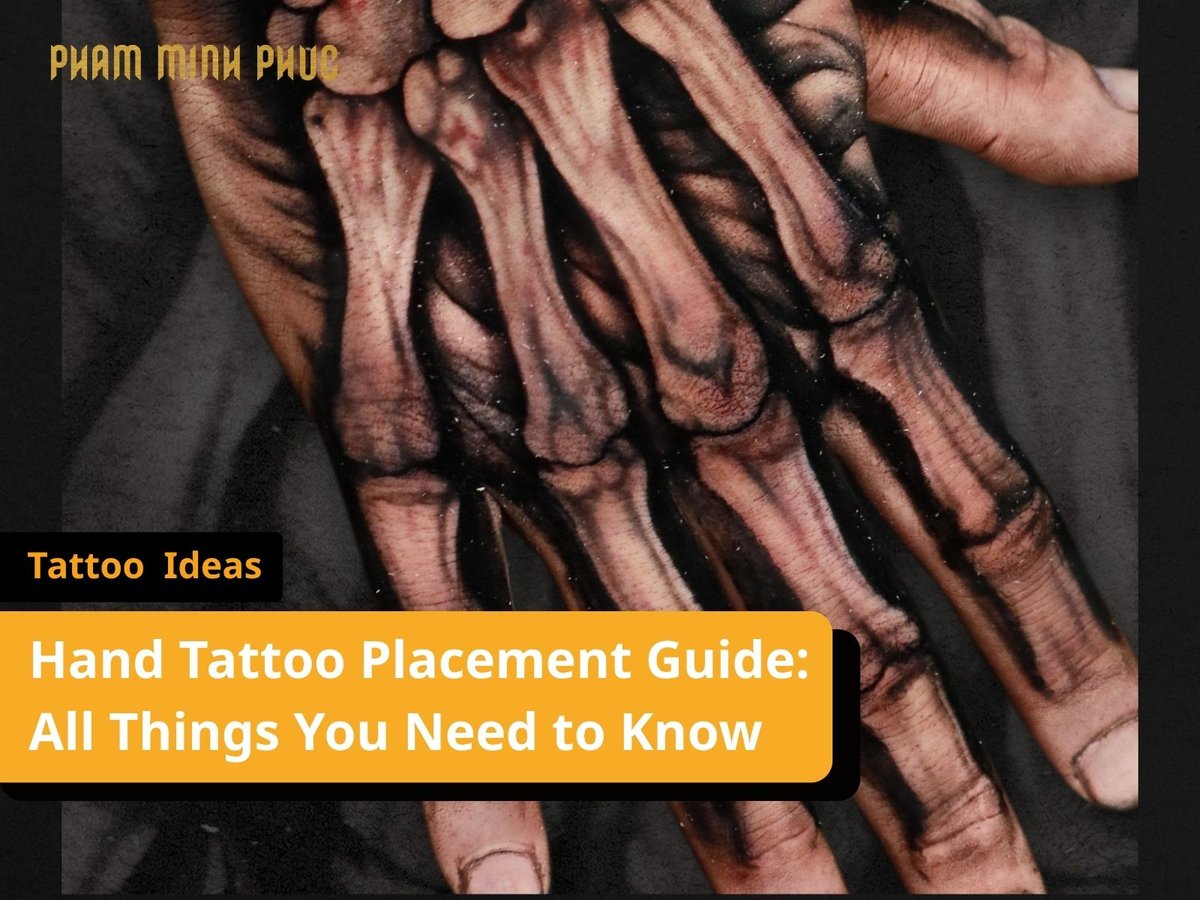
Table of Contents
Where Can You Place a Tattoo on Your Hand?
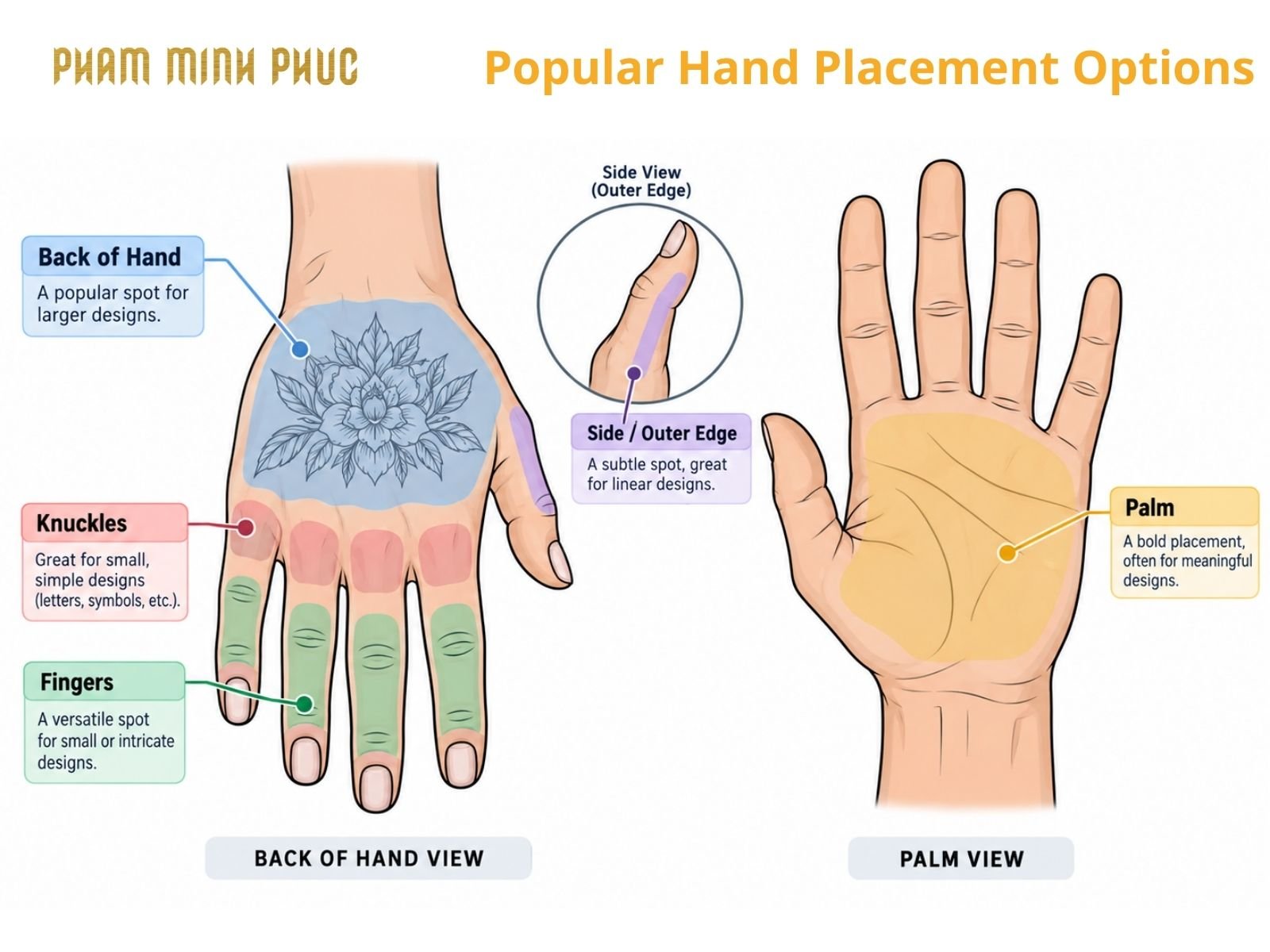
The five main hand tattoo placements are the back of the hand, side or outer edge, knuckles, palm, and fingers. Each area gives you a different amount of space and a different relationship with movement, friction, and visibility.
The Back of the Hand
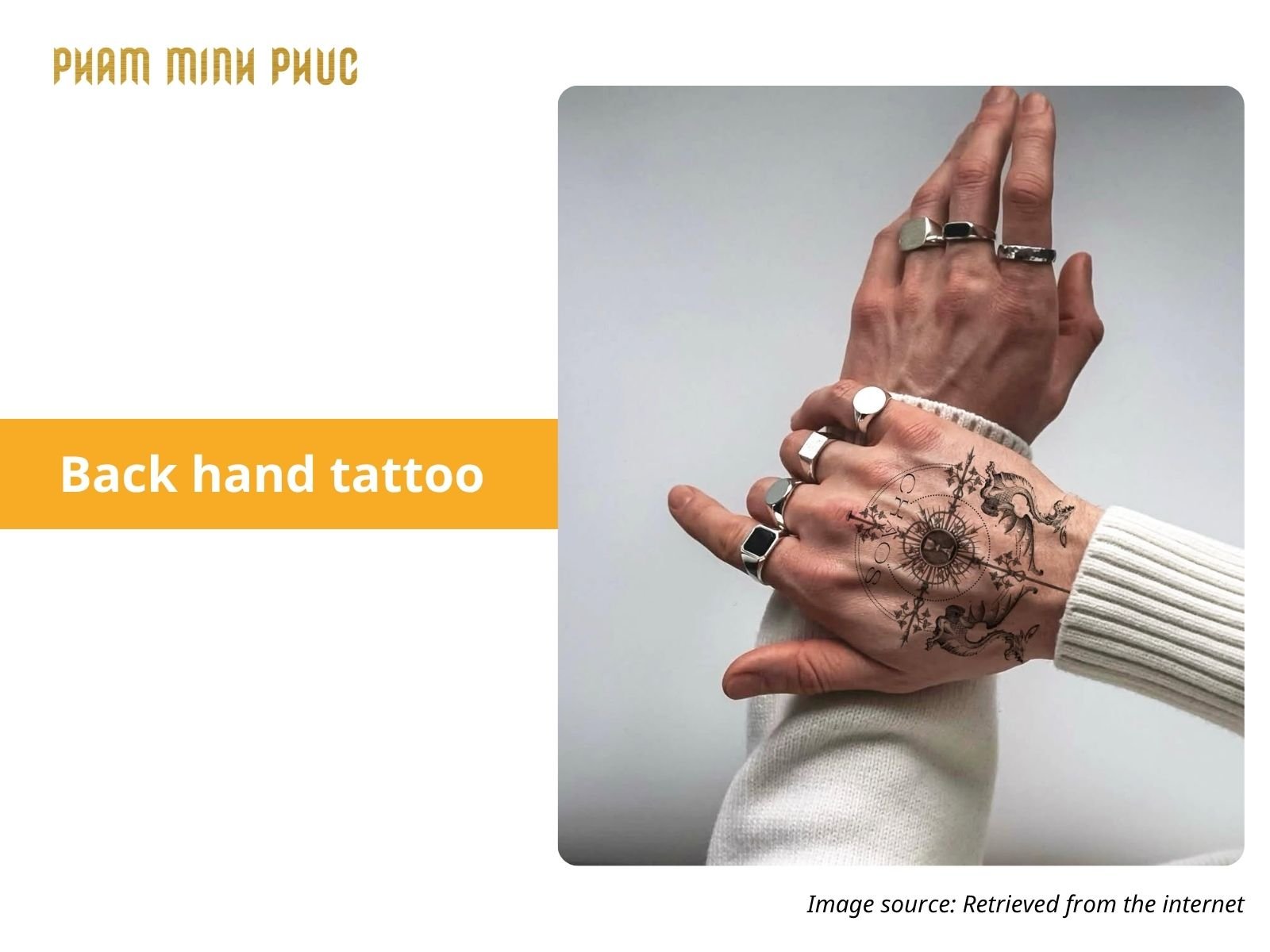
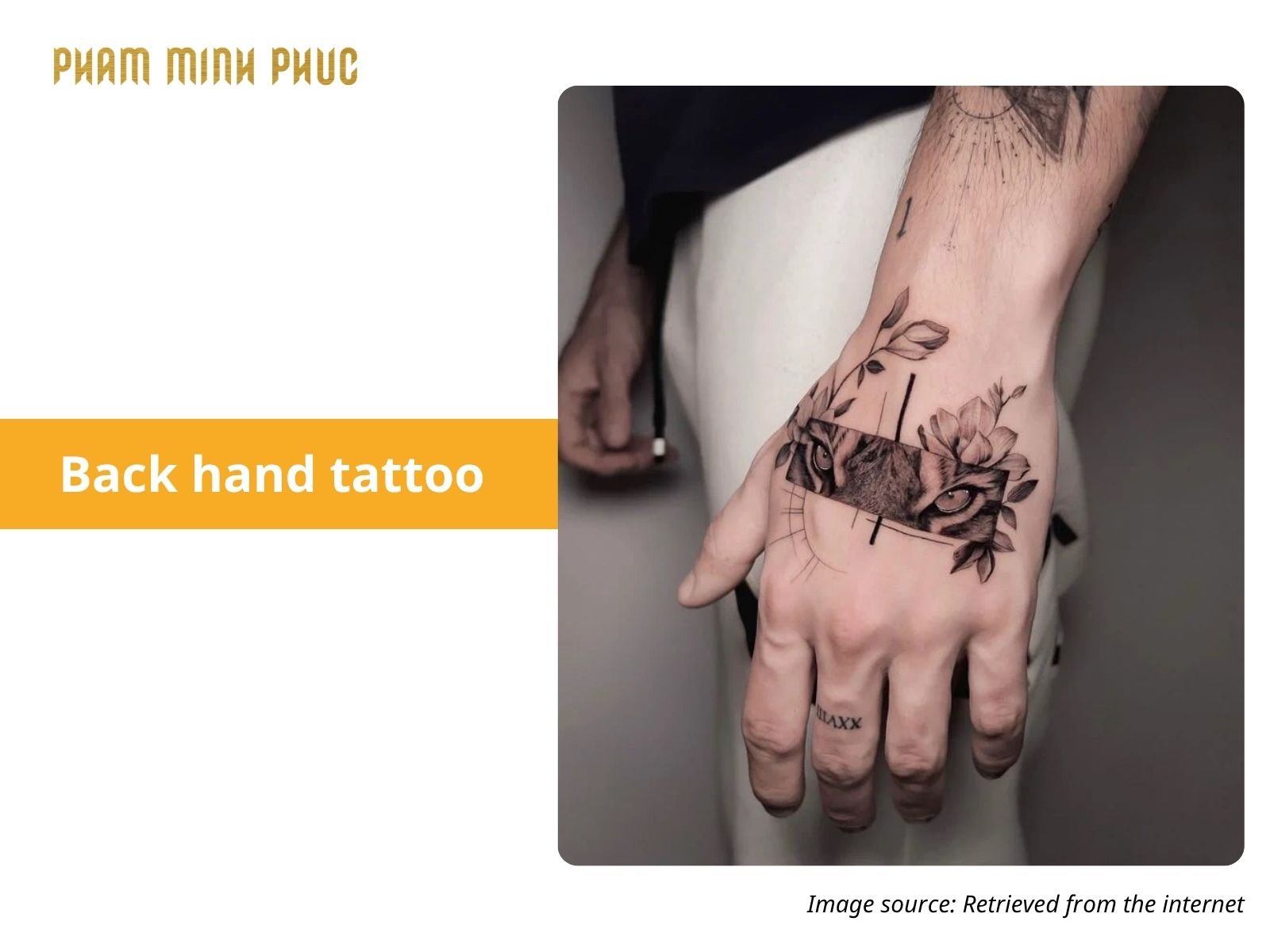
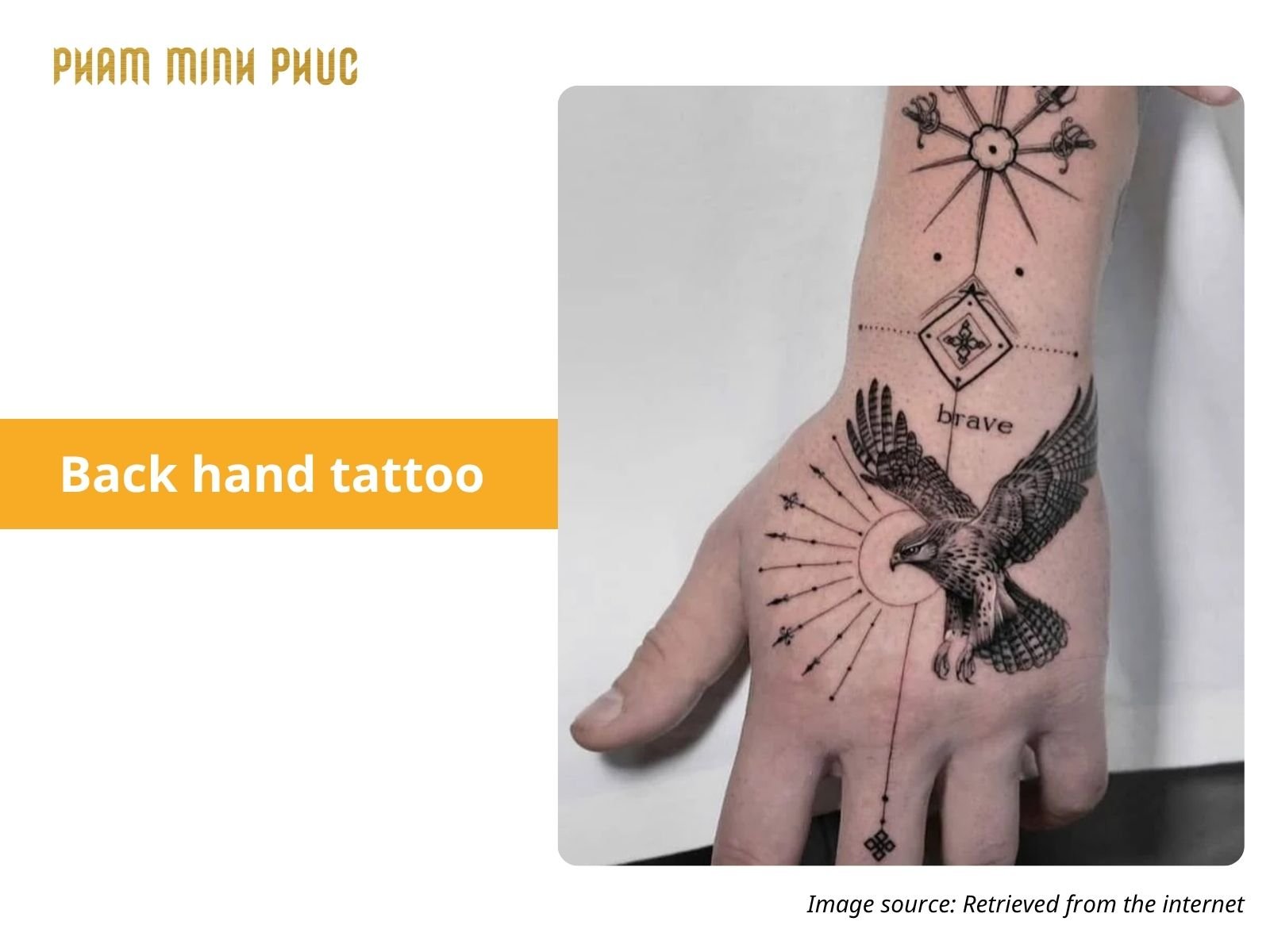
The back of the hand is the largest main tattoo surface on the hand and works best when the design needs a clear focal point that can be seen immediately. Unlike the palm or fingers, this area gives you enough continuous space for a single composition rather than forcing the artwork into several small sections. Moreover, this area holds ink exceptionally well compared to the fingers because the skin experiences less direct mechanical friction.
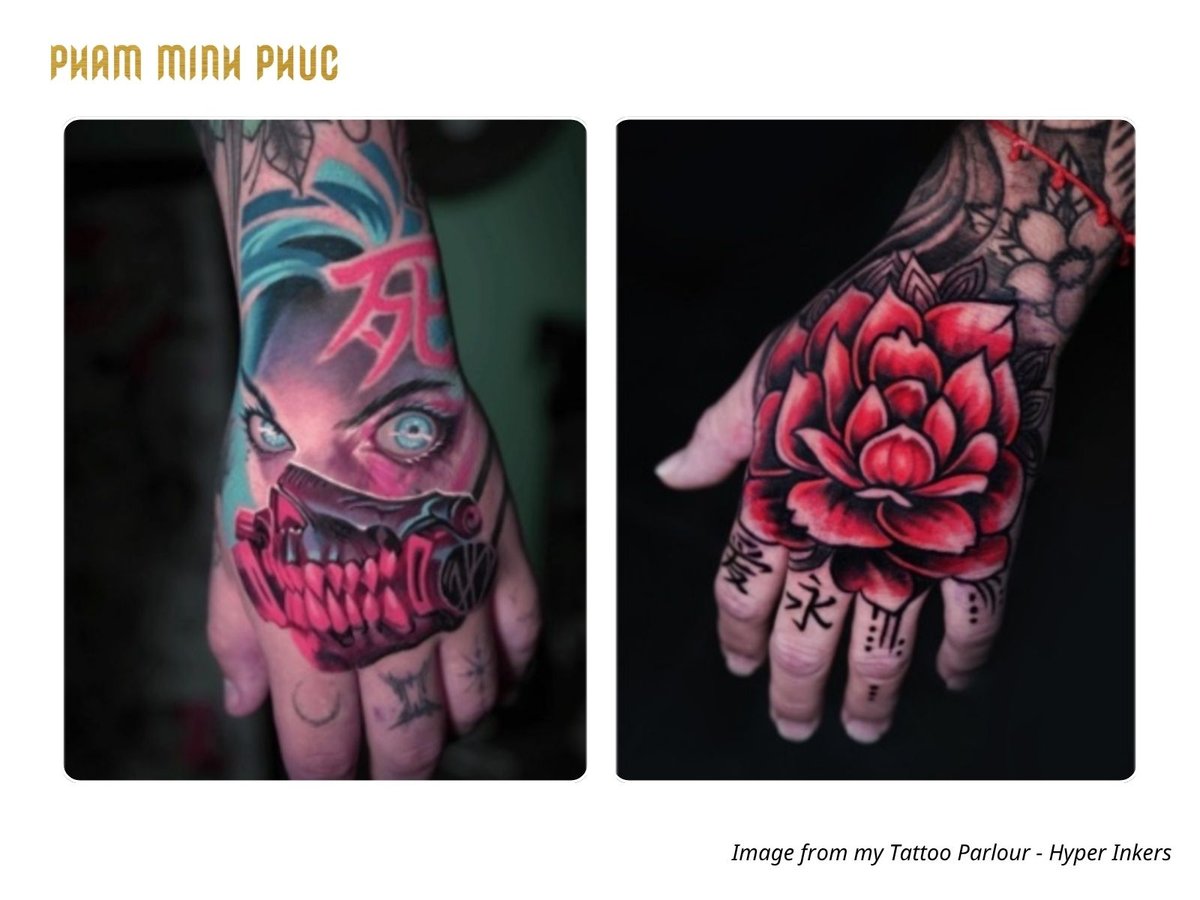
Designs that often work well here include:
- Ornamental and mandala-style pieces
- Roses, animals, skulls, and other bold subjects
- Blackwork and illustrative designs
- Realistic or portrait-inspired work
The hand is not a perfectly flat canvas. Tendons, metacarpal bones, and the change in width between the wrist and knuckles affect how the design sits, especially when the fingers move.
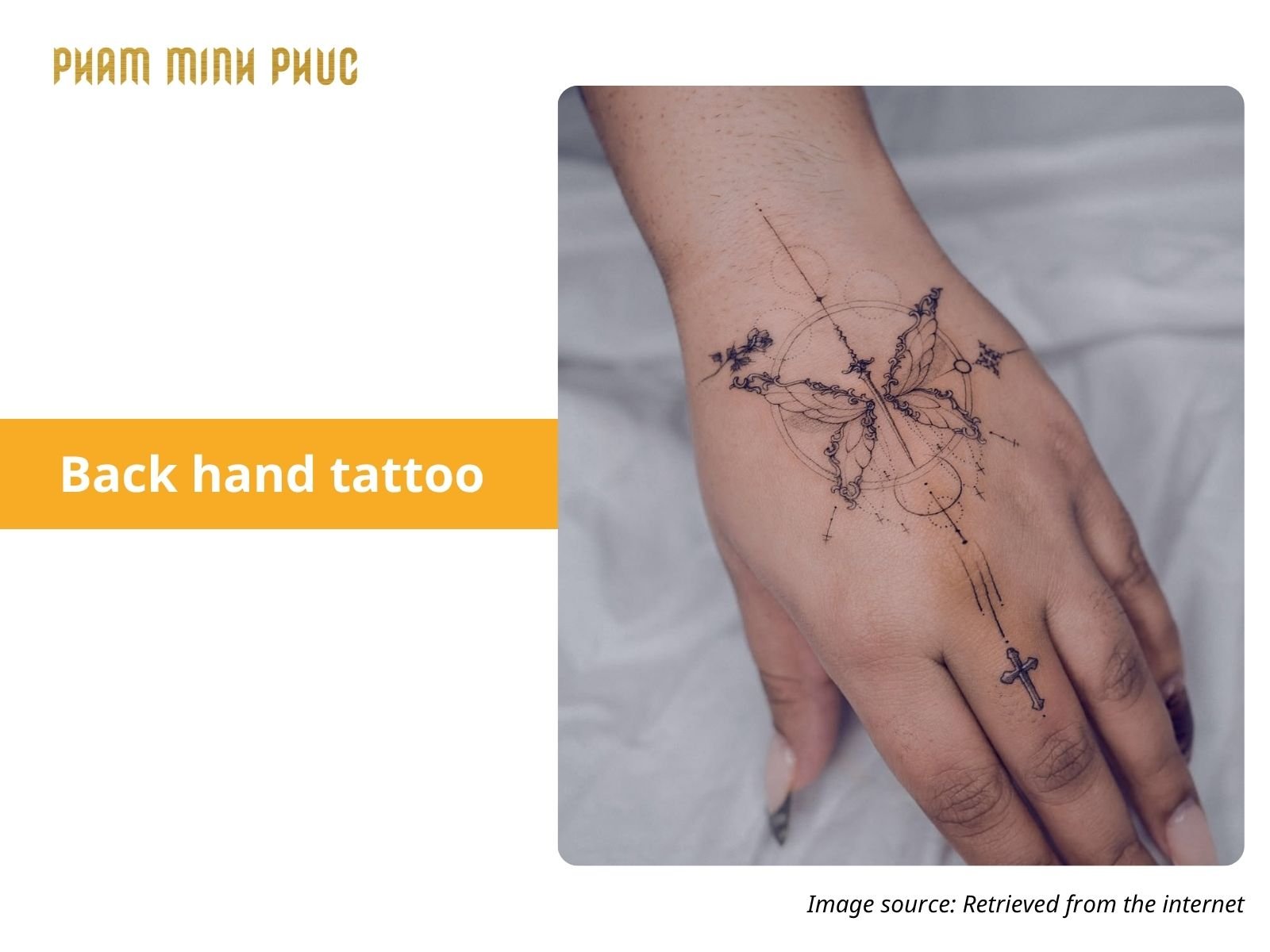
For a centered design, I would check the stencil with the hand relaxed rather than stretched open. A design that appears perfectly centered when the fingers are spread can shift visually once the hand returns to its natural position.
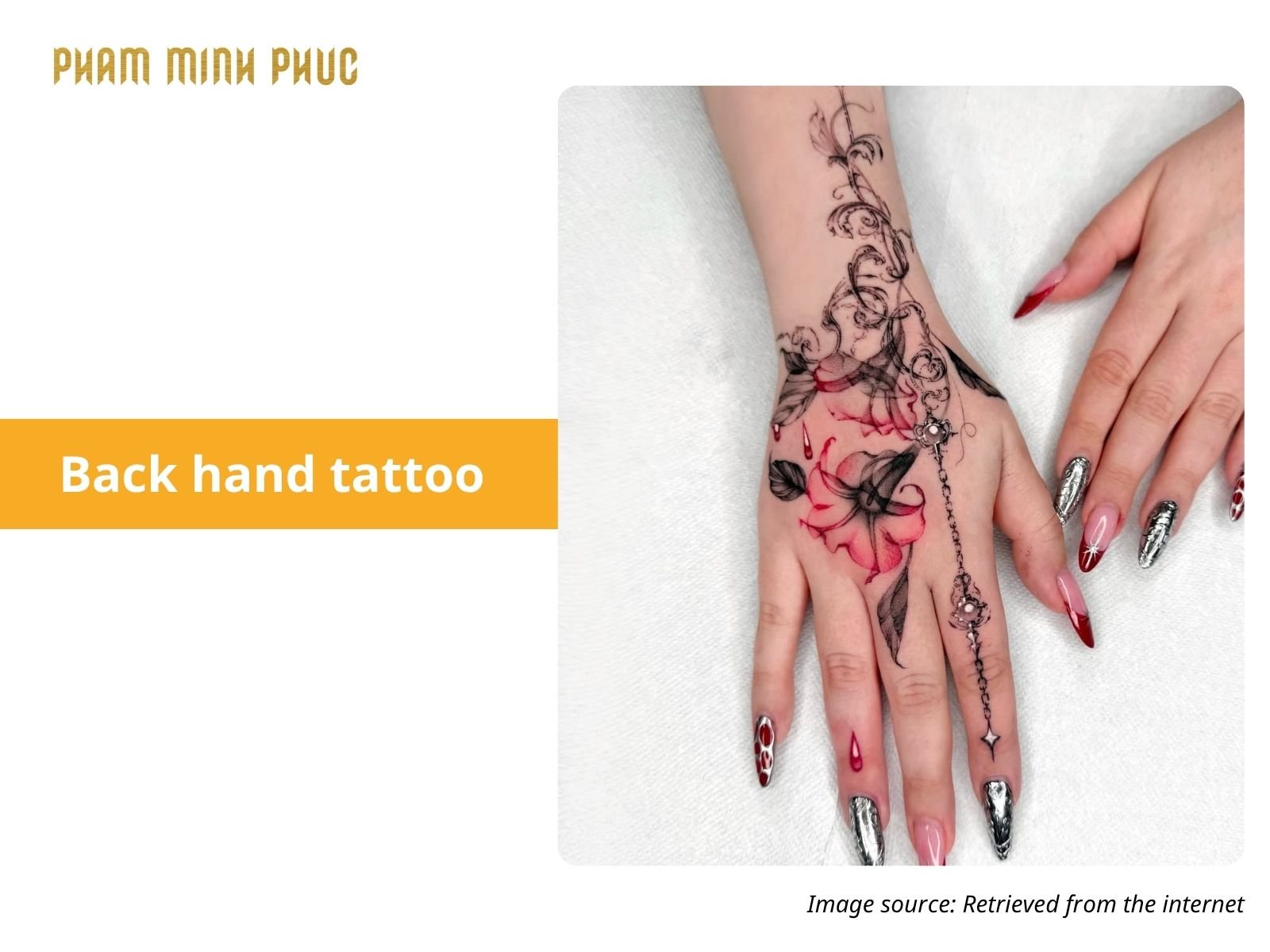
The lower edge also needs planning if the tattoo may later continue through the wrist tattoo placement. A transition designed from the beginning usually looks more intentional than adding a separate wrist element later. Because this placement is exposed during most daily activities, visibility should be part of the decision before the design is finalized.
Side of Hand / Outer Edge Tattoo Placement
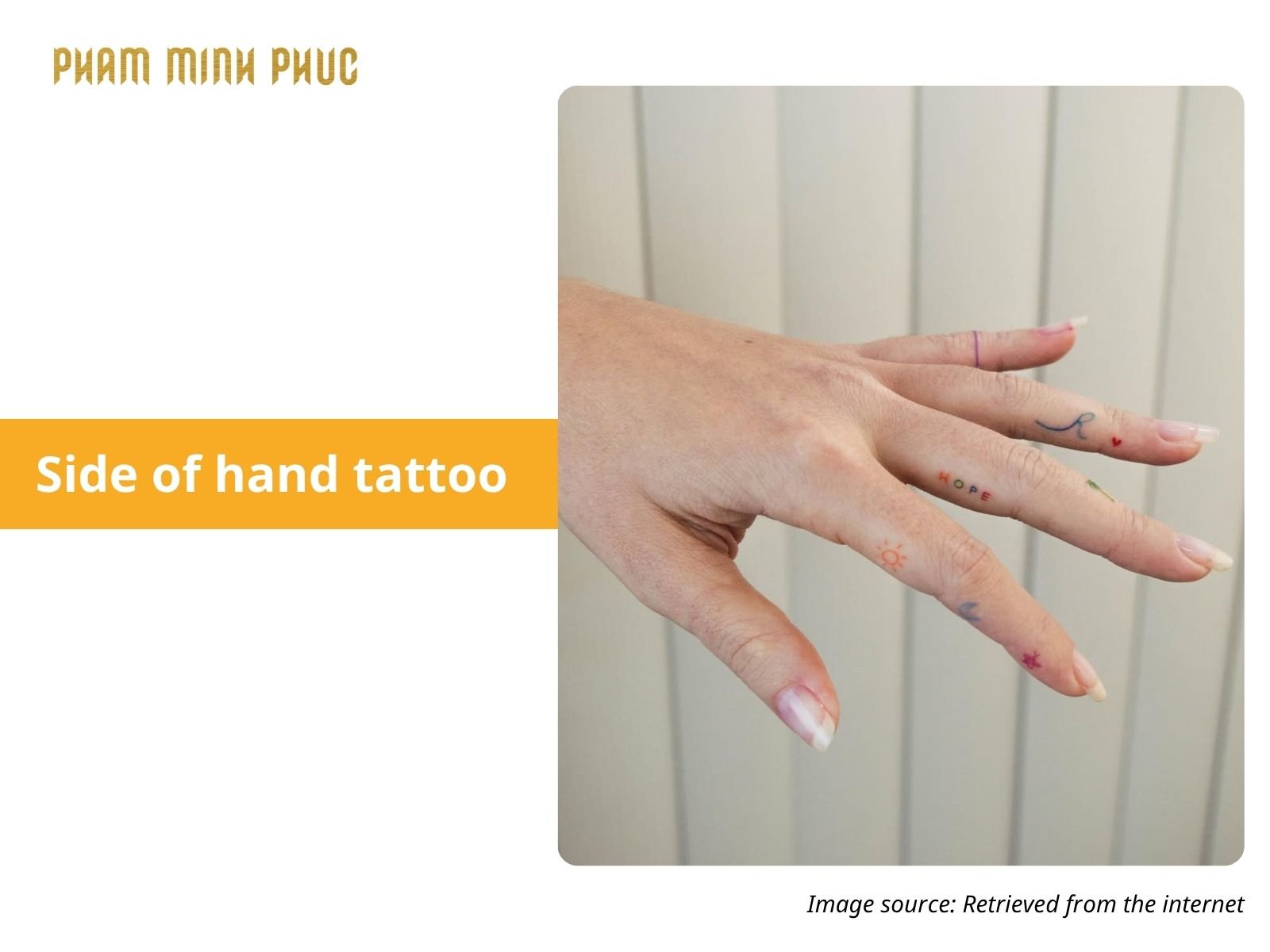
The side of the hand is a narrow placement that runs along the outer edge, usually from below the little finger toward the wrist. There is much less width available here than on the back of the hand, so the direction of the design matters more than its overall size.
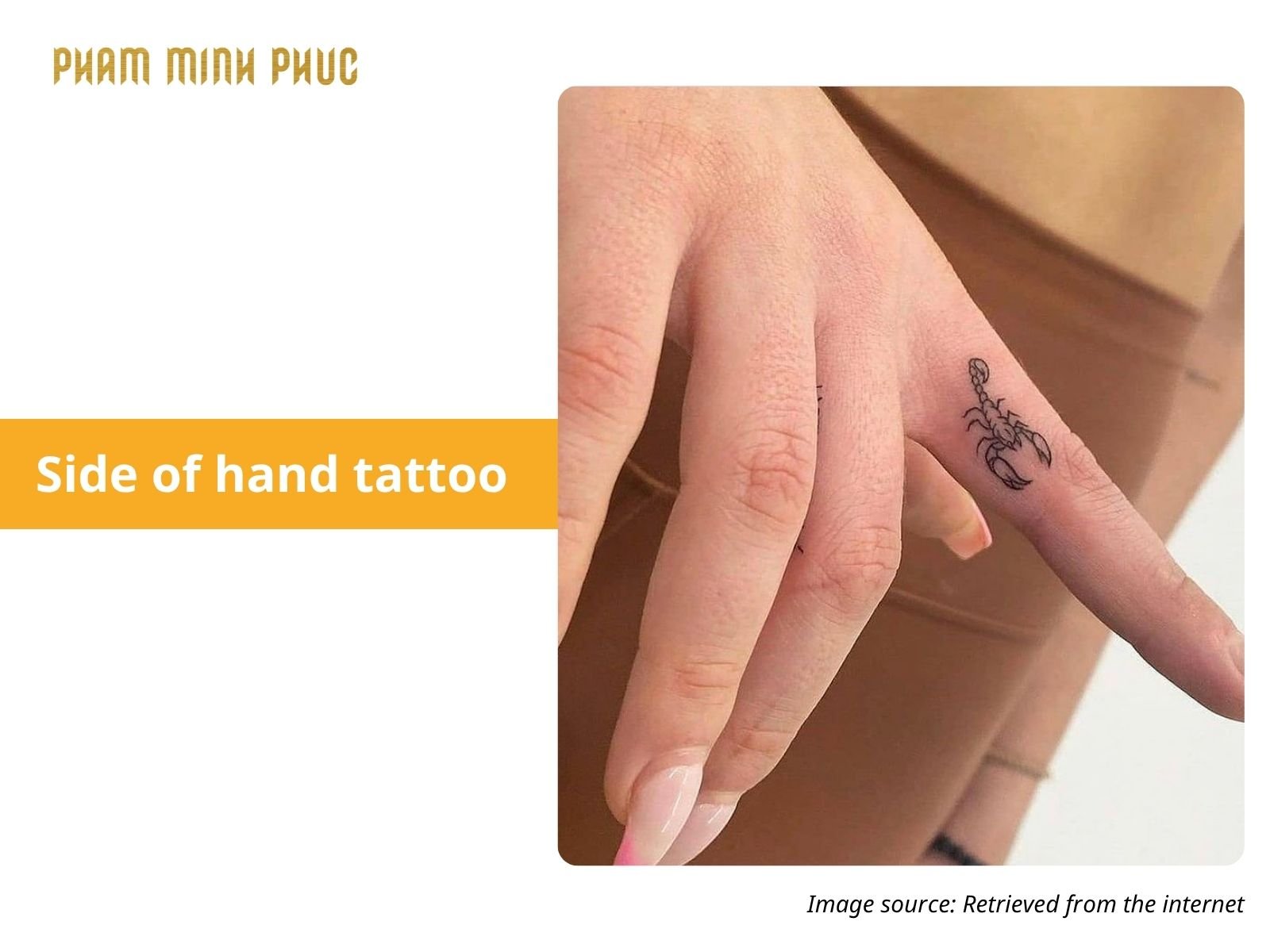
Short script, names, small symbols, arrows, vines, fine-line botanical elements, and other linear designs can follow the length of the hand naturally.
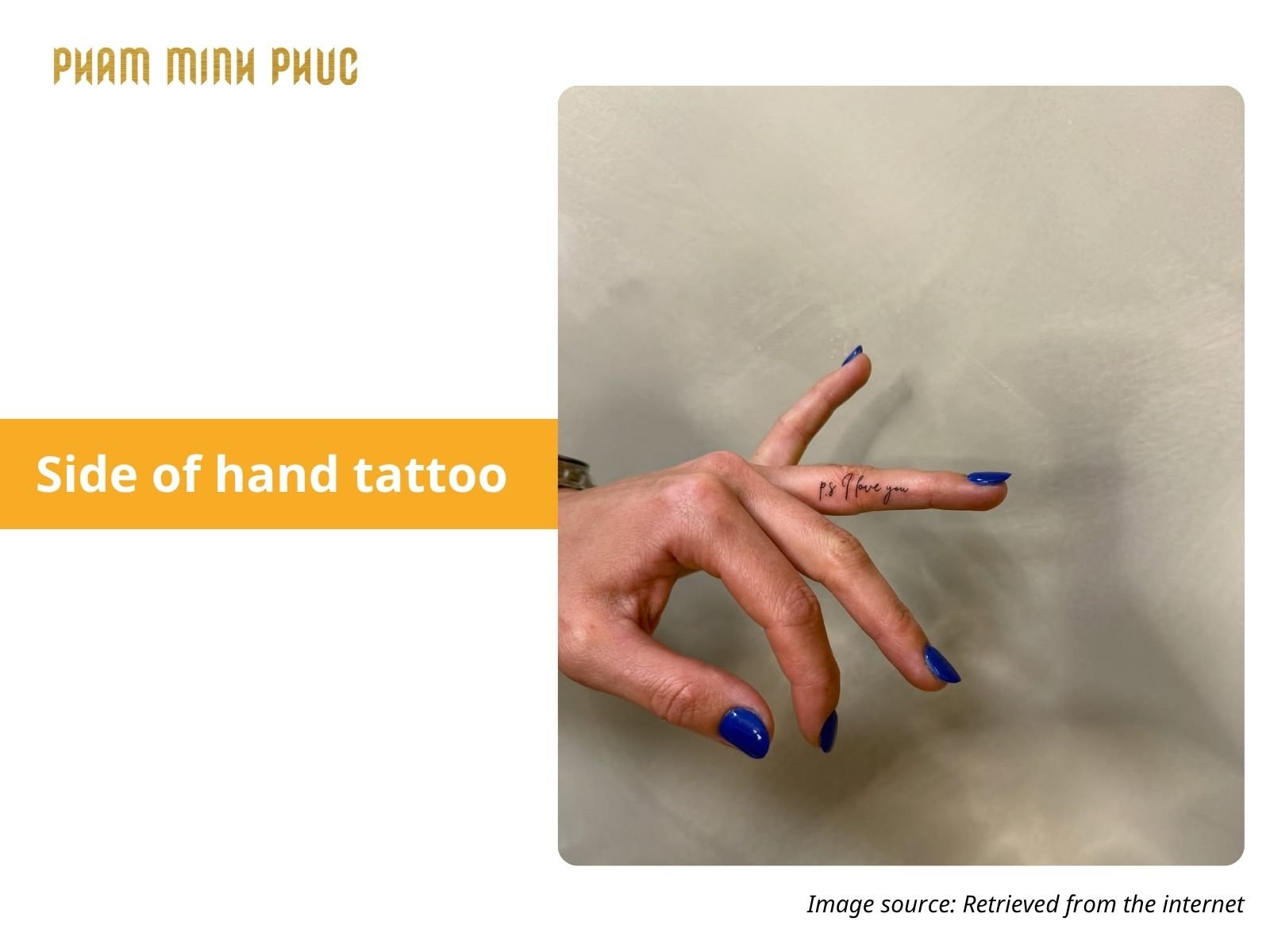
The outer edge also receives frequent contact with desks, pockets, tools, and other surfaces. That does not mean every side-hand tattoo will fade quickly, but it can make very delicate details less forgiving over time. Text requires extra planning here. A phrase that looks balanced in a digital mockup may feel too long once it is fitted between the little-finger side and the wrist, so shortening the wording or increasing the letter size may improve readability.
Knuckle Tattoo Placement
Knuckle tattoos divide a design across several small, moving surfaces rather than creating one continuous canvas. This placement works especially well for letters, numbers, repeated symbols, small icons, or a short word spread across multiple fingers.
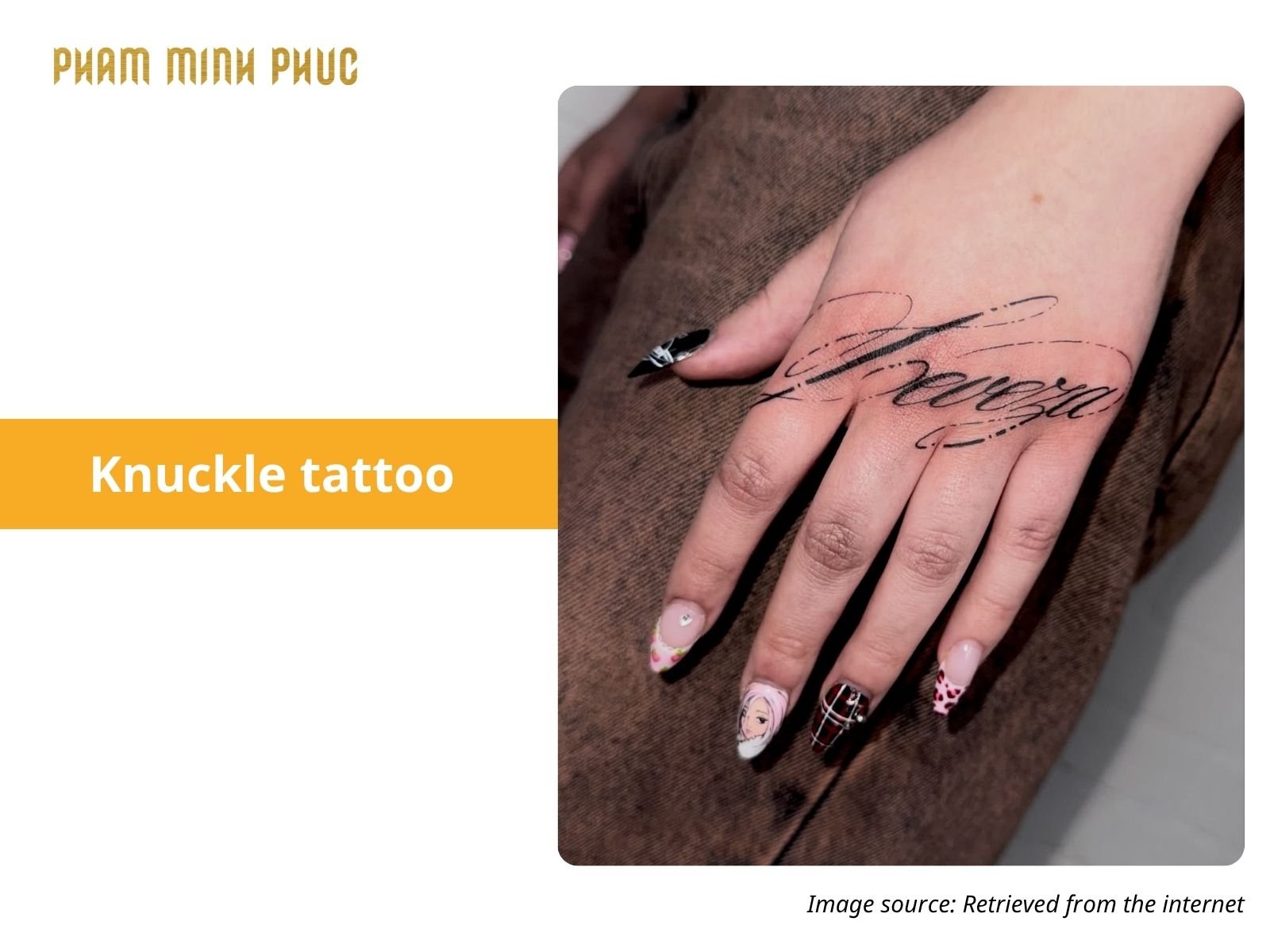
Spacing matters because the relationship between each element changes as your fingers open, close, or rest naturally. The stencil should be checked in several hand positions before tattooing begins. Knuckle skin also bends frequently and sits close to the bone, which makes fine details harder to preserve. For this reason, simpler designs usually work better than highly detailed artwork.
The thin skin over the knuckles can also make this a very painful placement, with noticeable swelling during or after the session. Constant joint movement and daily friction may accelerate fading, so touch-ups can be necessary over time to maintain clarity and legibility.
Palm Tattoo Placement
Palm tattoos are one of the most technically demanding hand placements because the skin texture and constant use of the palm make ink retention less predictable than on the back of the hand. Bold symbols, simple blackwork, traditional motifs, and designs with clear negative space generally suit this area better than fine shading or dense micro-detail. The palm’s unique skin structure can also cause some parts of a tattoo to heal lighter or require additional work.
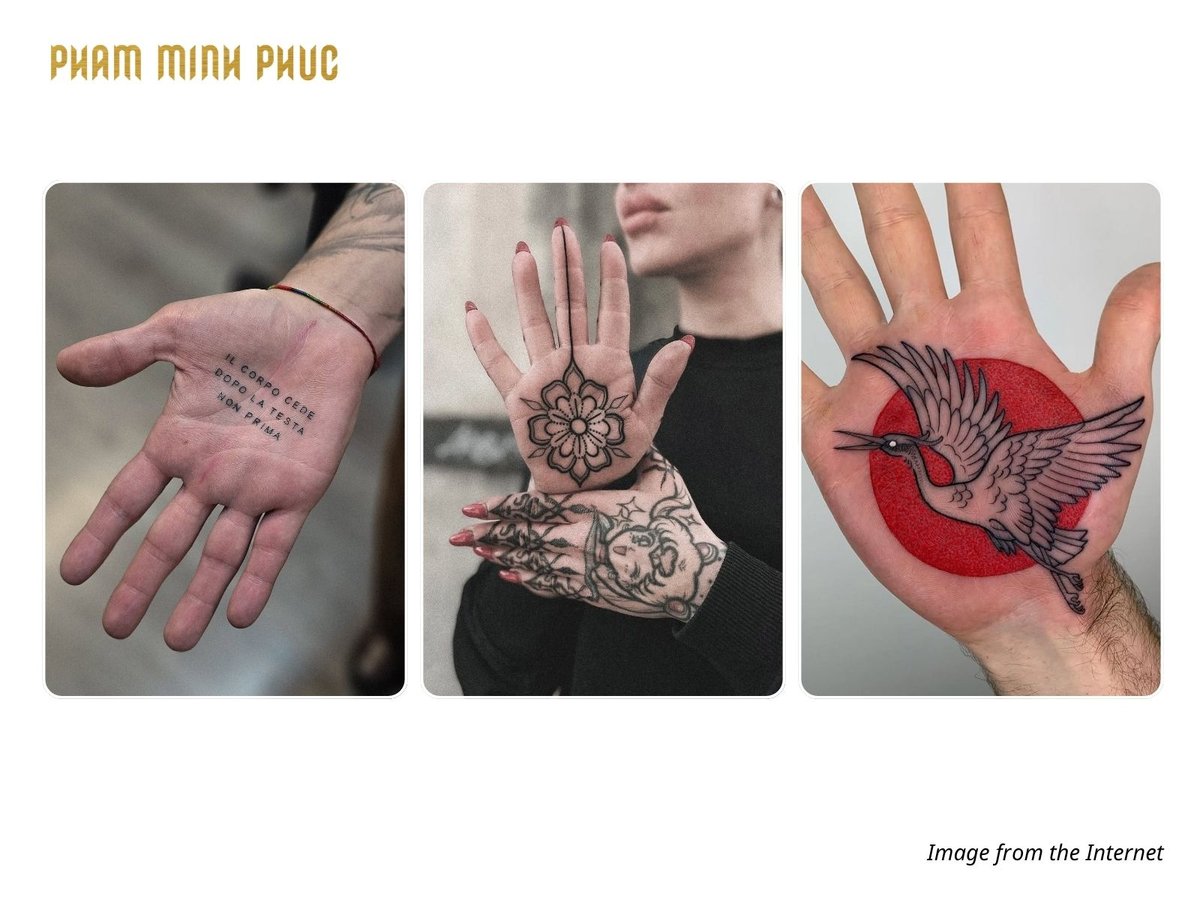
The exact position within the palm and your individual healing response can affect the final result, so you should keep realistic expectations before choosing this placement. The palm also causes a high level of tattoo pain, with this site’s pain framework placing it around 8–9/10.
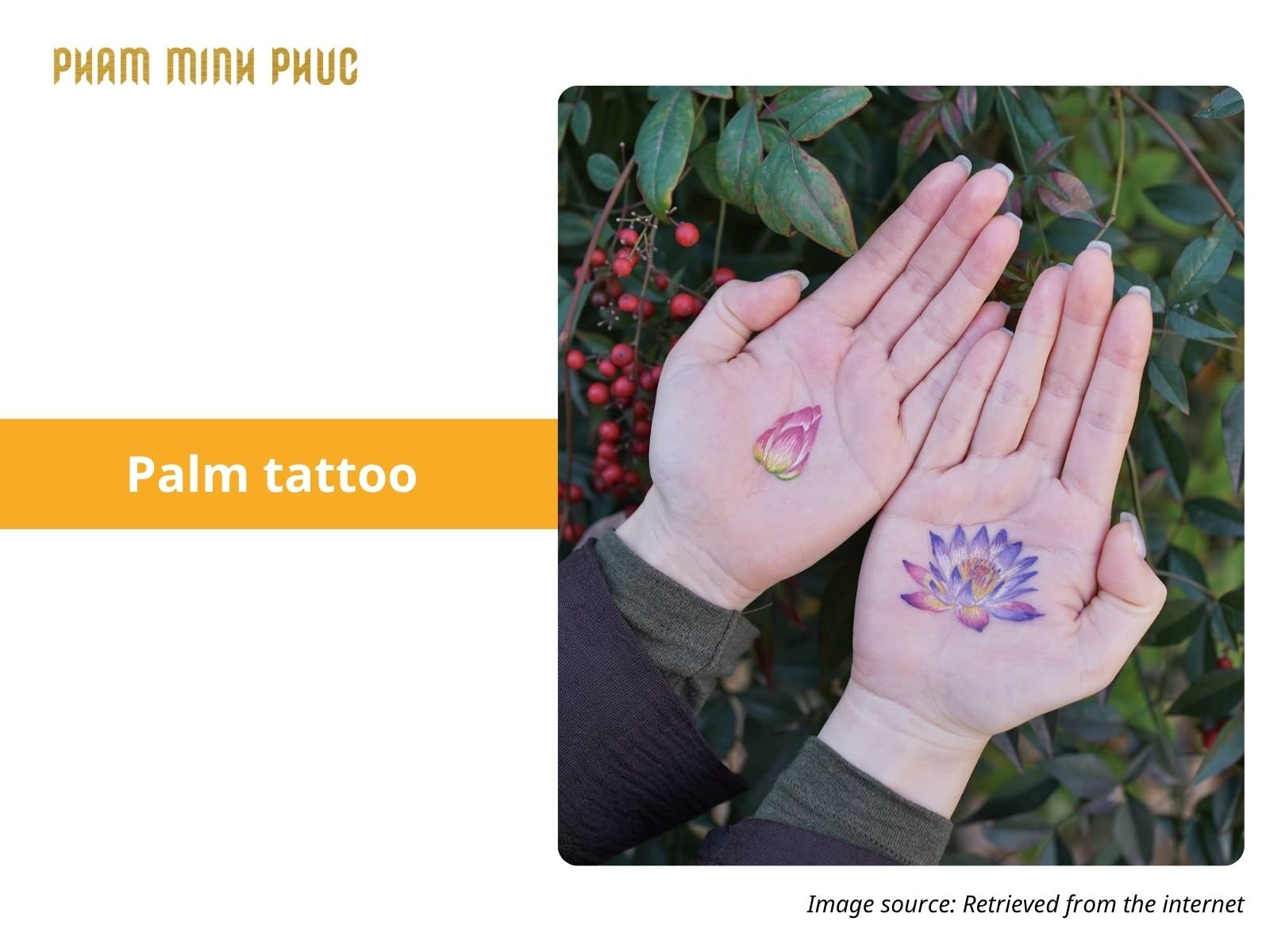
Palm tattooing requires specific technical experience, so you should consider an artist’s experience with this placement as carefully as the design itself. A reference image may show an appealing design, but the artist may need to simplify or adjust that design so it works effectively on palm skin.
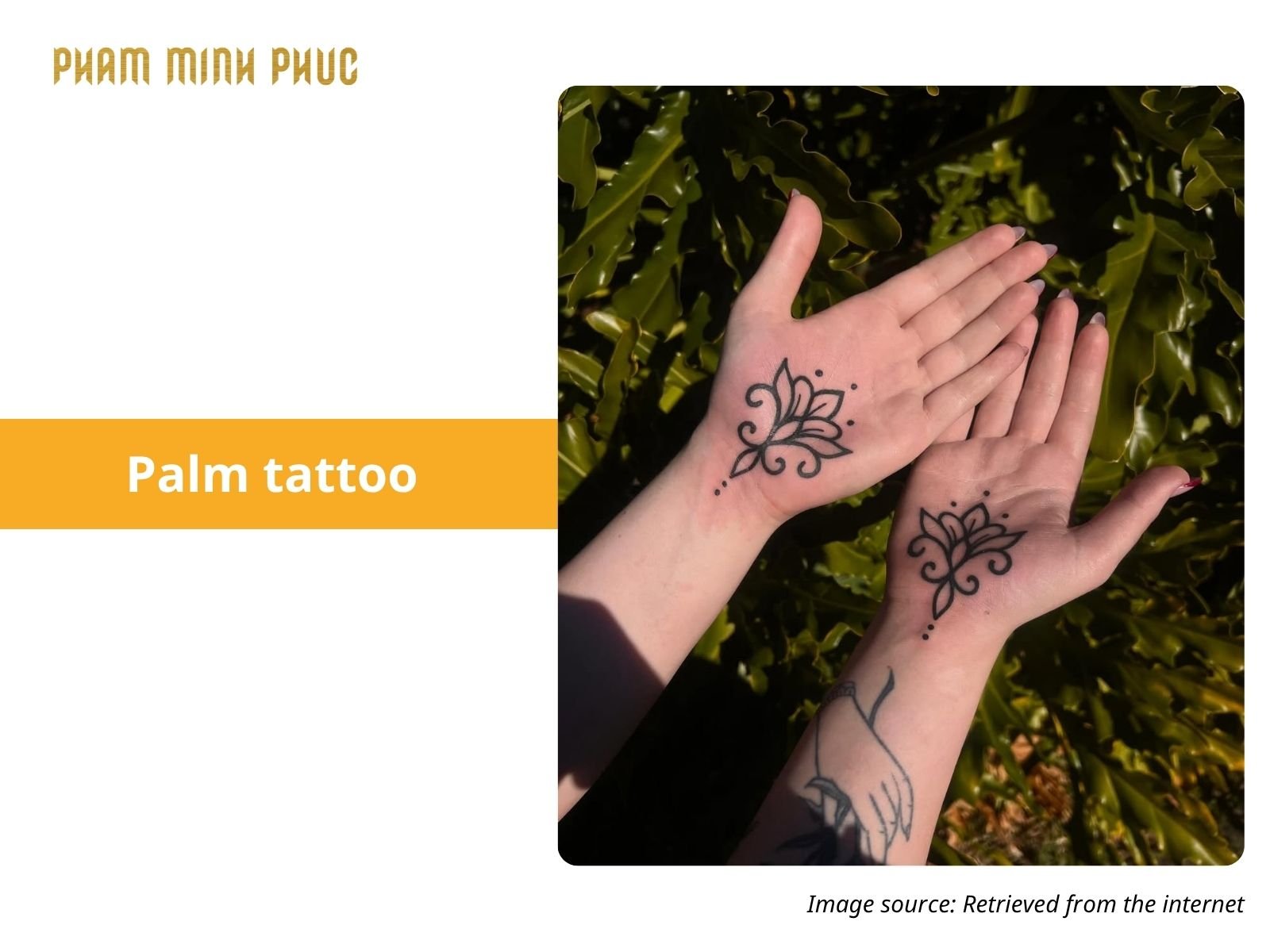
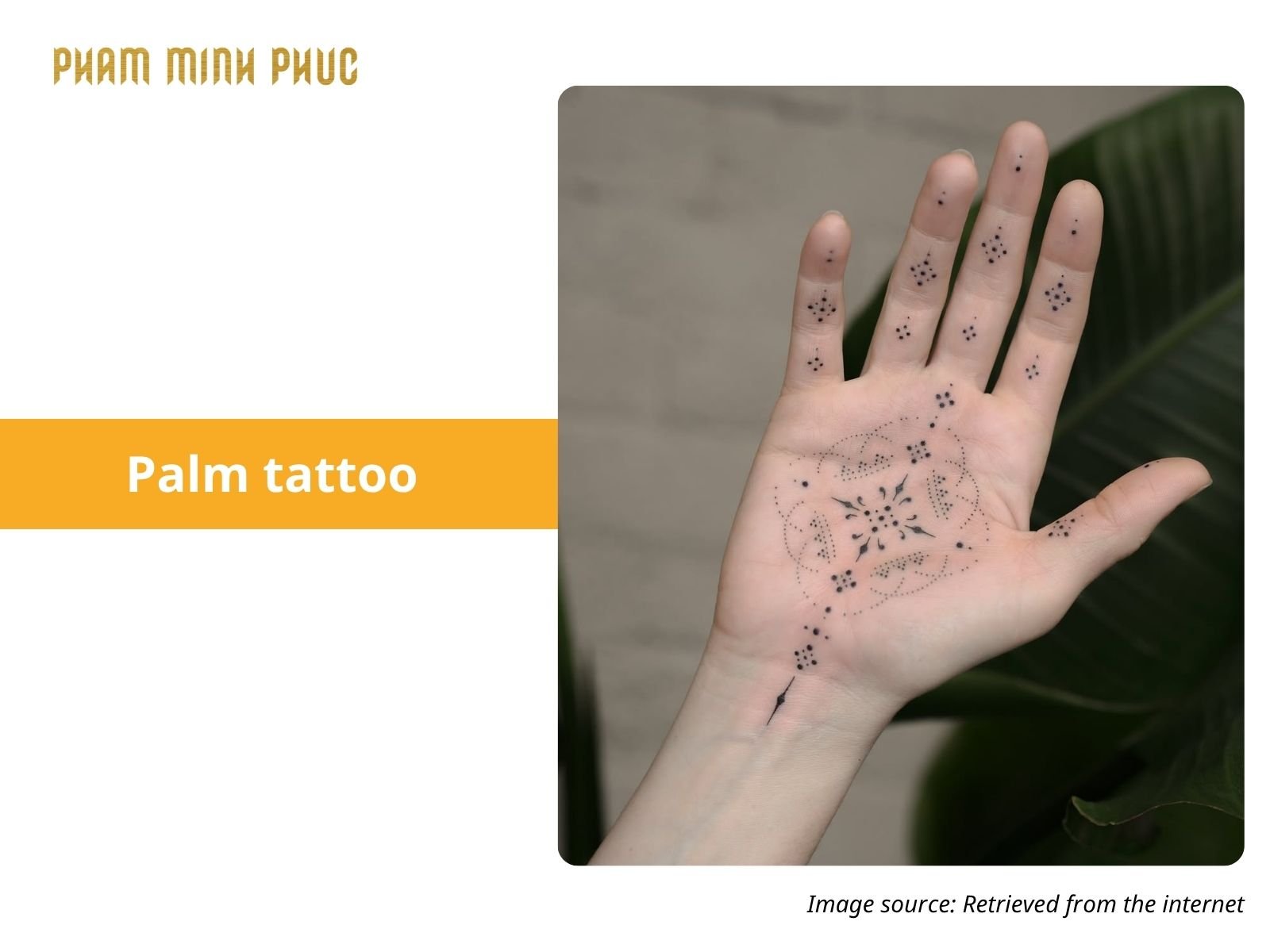
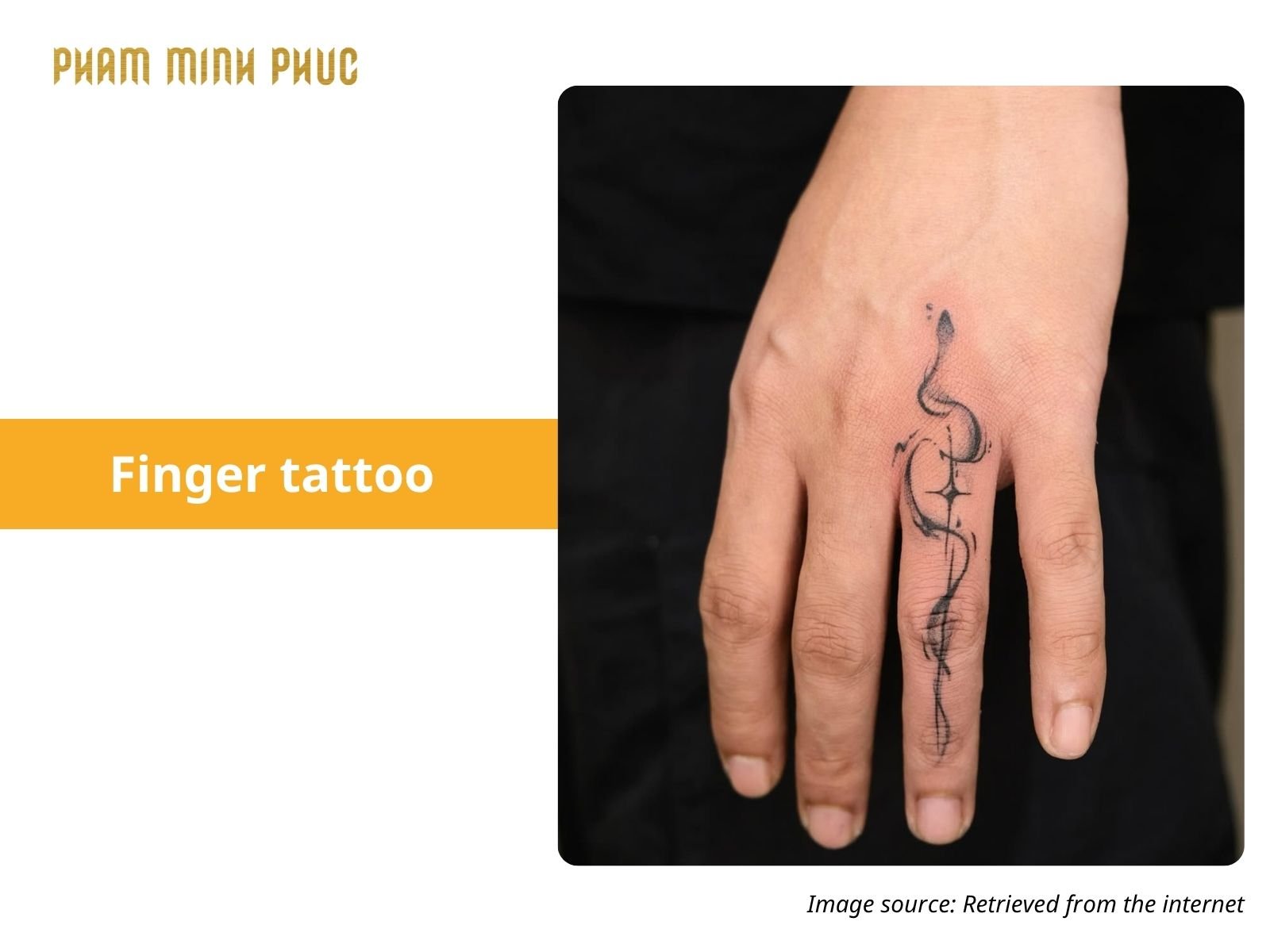
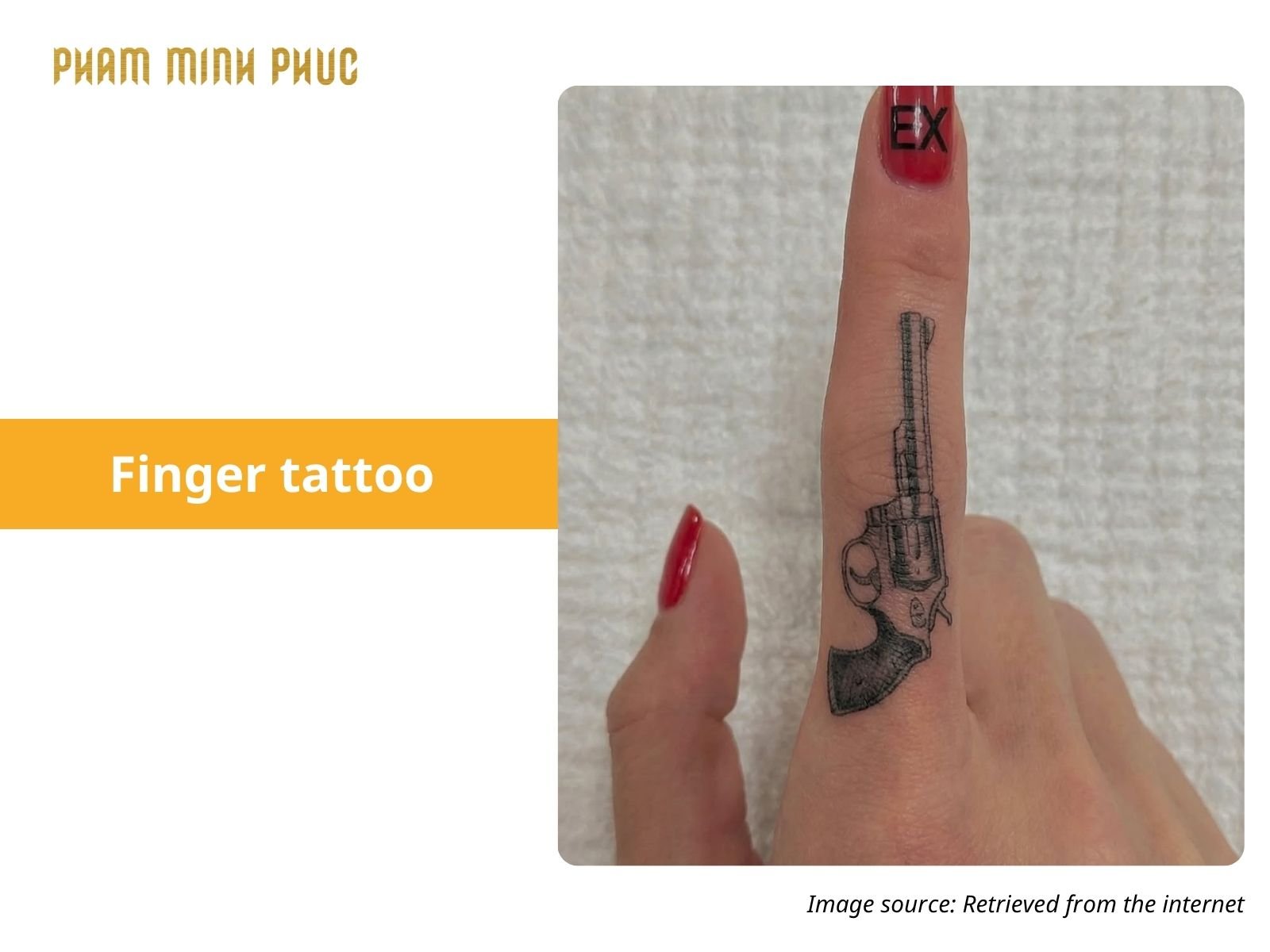
Finger Tattoo Placement
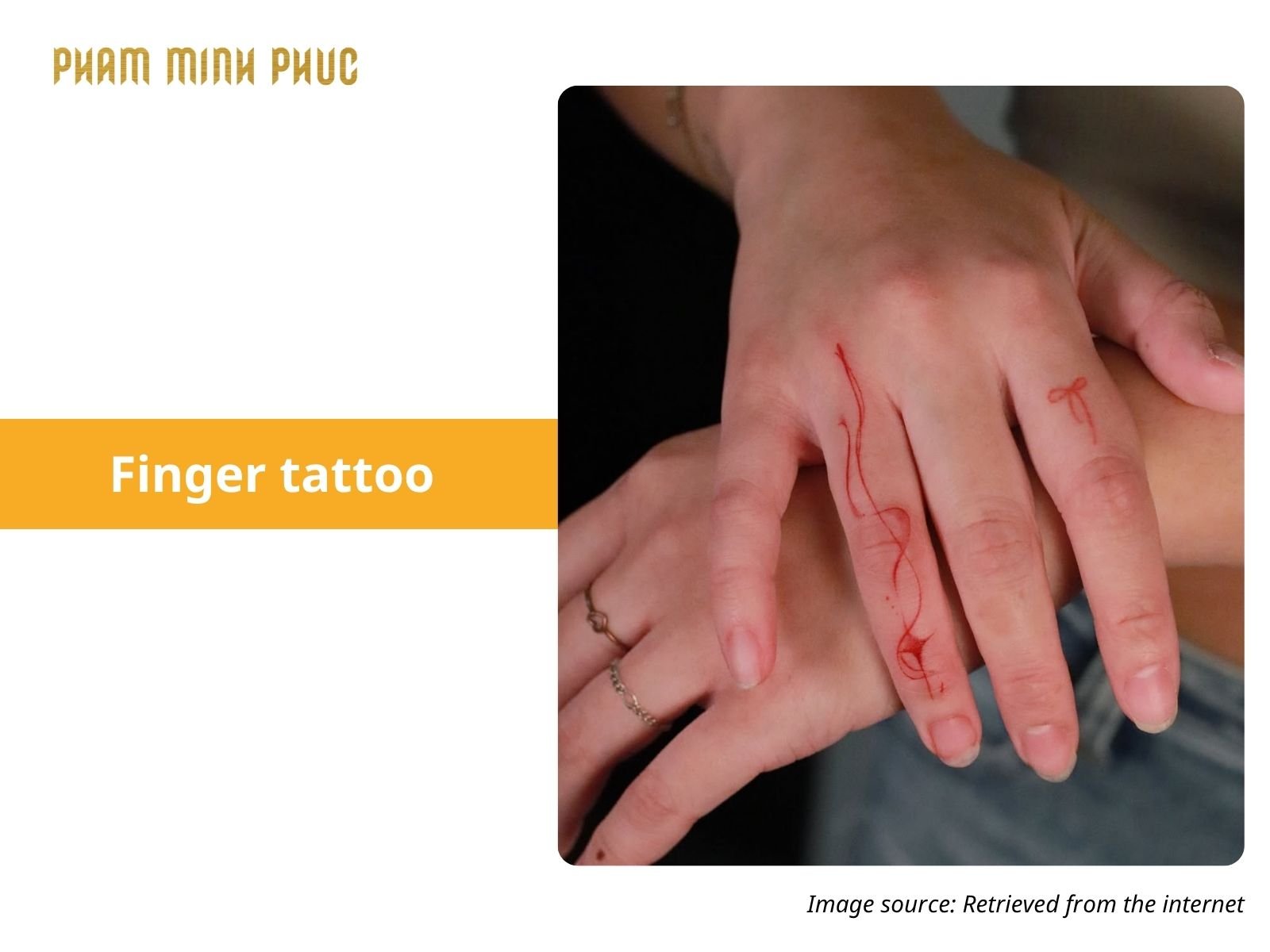
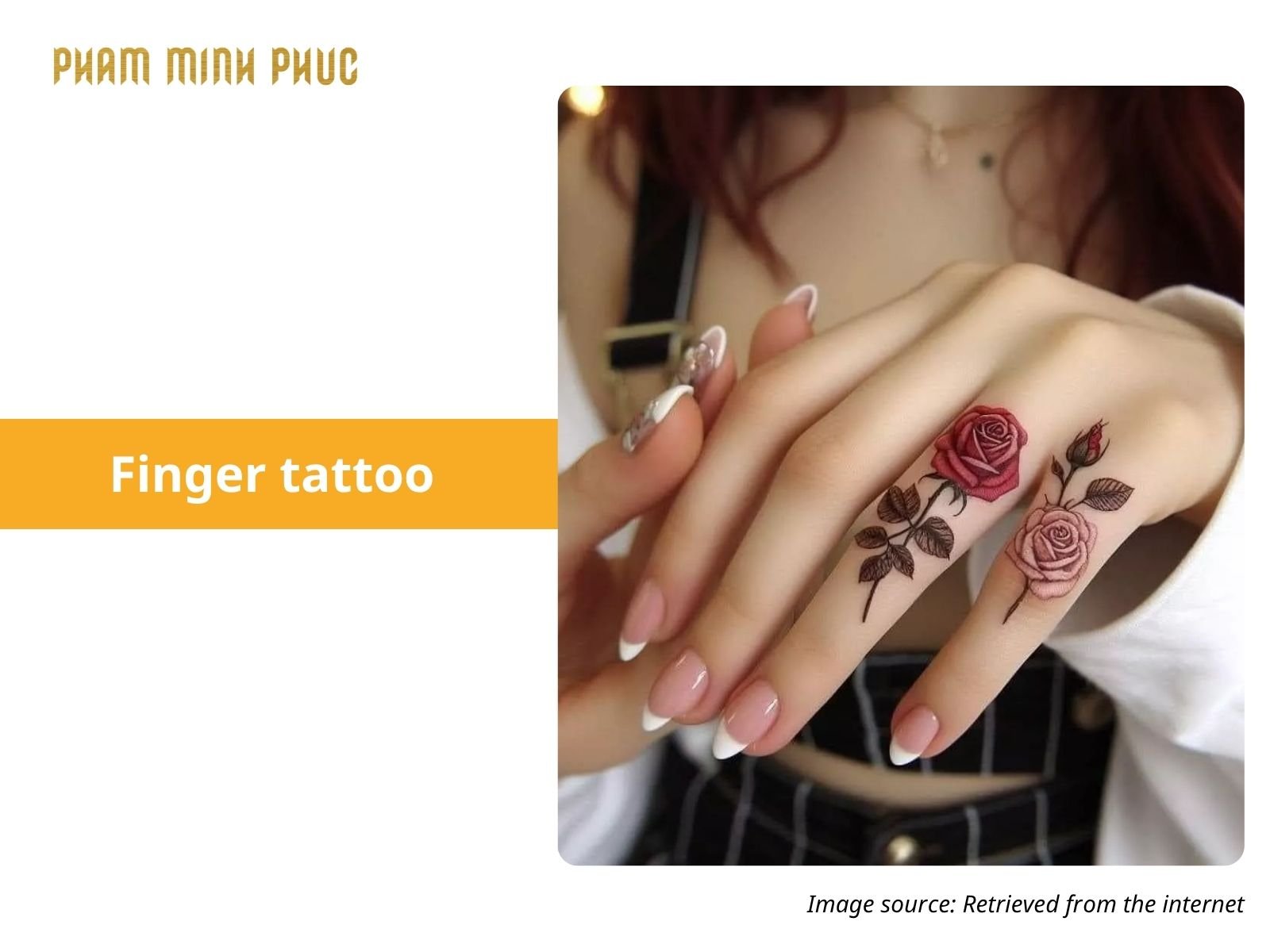
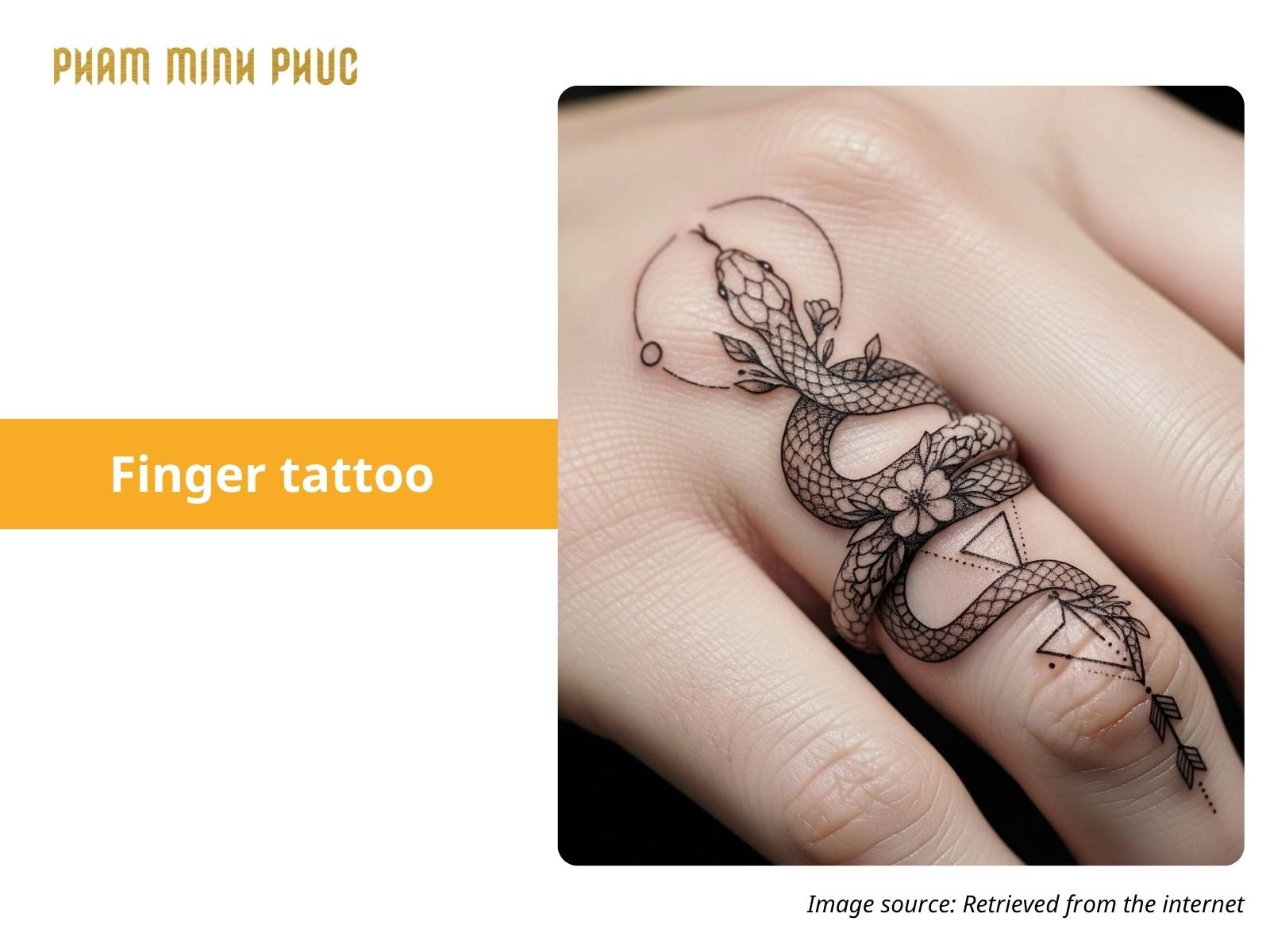
Finger tattoos use very limited space, so the design needs to remain simple enough to stay readable at a small scale. The tattoo can sit on top of the finger, along the side, or wrap around it. Small symbols, single letters, numbers, simple linework, and ring-style designs usually work well in these areas.
Frequent finger movement, hand washing, and repeated surface contact can make fading more noticeable than on larger areas of the hand.
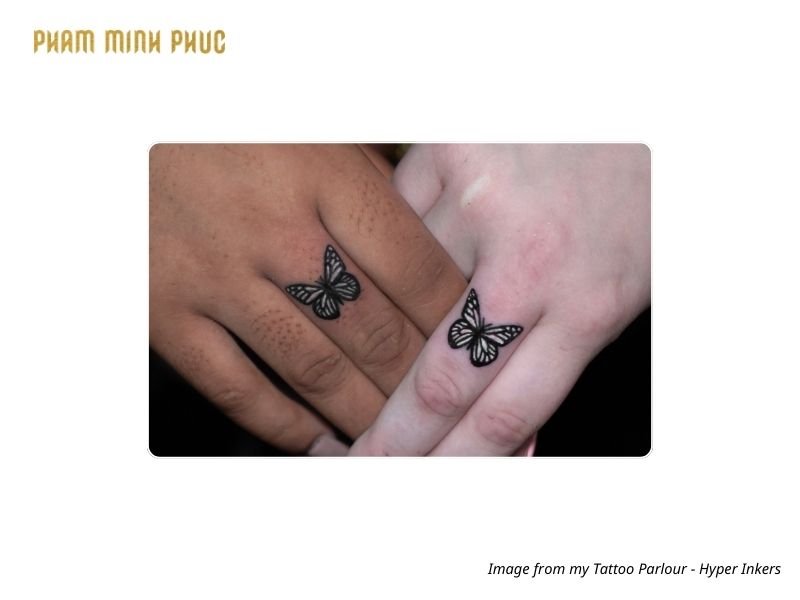
If the tattoo sits near a ring, you should remove the jewelry before the session because swelling can make it feel tight, uncomfortable, or difficult to remove. When a finger tattoo connects with a larger hand piece, you should plan the transition before finishing the main design so the lines flow naturally into the fingers and later additions do not look disconnected.
How Painful Is a Hand Tattoo?
Hand and finger tattoos generally fall around 6–7/10 on the pain scale, while palm tattoos reach around 8–9/10. Pain changes with the exact placement. Knuckles and other bony parts of the hand can feel sharper because the skin has less cushioning over the bone, while finger tattoos can become uncomfortable quickly because the working area is small, mobile, and close to bone.
Tattoo size and session length also affect the experience. A small symbol on a sensitive area may finish quickly, while a larger back-of-hand tattoo can become more tiring after extended lining, shading, and detail work.
Do Hand Tattoos Fade Faster?
Hand tattoos can fade faster than tattoos in many lower-wear areas because your hands experience frequent washing, movement, friction, and sun exposure. The exact placement strongly affects how the tattoo wears.
- The back of the hand provides a larger, more continuous surface but receives regular sun exposure.
- The side of the hand has more contact with everyday surfaces, while the fingers and knuckles bend repeatedly throughout the day.
- Palm tattoos create a different challenge because palm skin and constant daily use make ink retention less predictable. Design scale, line weight, healing, skin characteristics, lifestyle, sun exposure, and placement all influence how the tattoo ages.
The side of the hand needs particular attention when longevity is a priority. Very small text and delicate details leave less room for visible change, so I would rather increase the scale or simplify the design than rely on artwork that only looks crisp when it is new. After healing, regular sun protection can help preserve exposed hand tattoos.
What Tattoo Designs Work Well on the Hand?
Strong hand tattoo designs work with the limited space, movement, and natural shape of the hand instead of simply shrinking artwork created for a larger body area.
- Back of the hand: A clear focal subject usually works better than several competing details. Roses, animals, skulls, ornamental compositions, blackwork, traditional subjects, and selected realistic designs can use the central surface effectively when the main features remain readable at the final size.
- Geometric and ornamental designs: These designs require careful stencil testing because the hand changes shape when the fingers open and close. The composition should look balanced when the hand rests naturally, not only when it is stretched flat.
- Script and lettering: Short words and compact lettering can work along the side of the hand or across the knuckles. Letter size and spacing matter more than forcing a long phrase into a narrow area.
- Blackwork and American Traditional: Clear outlines and simplified shapes adapt well to the hand. Color can also work when the composition keeps enough contrast to remain readable from a normal viewing distance.
- Fine-line designs: Fine-line designs need enough size and spacing to preserve clarity. Compressing several delicate elements into a tiny hand placement can make the composition harder to read.
Which Hand Tattoo Placement Fits Your Priorities?
No single hand placement works for every tattoo. The right position depends on design space, visibility, subtlety, connection to existing tattoos, and the amount of daily wear the area receives.
| Placement | Works Best When Your Priority Is | Main Trade-Off |
| Back of Hand | More space and a strong central design | Extremely visible and regularly exposed to sun |
| Side / Outer Edge | A narrow, subtle, linear tattoo | Less space and more contact with everyday surfaces |
| Knuckles | Letters, numbers, or repeated symbols | Segmented surface and frequent joint movement |
| Palm | A distinctive placement with simple, bold artwork | Challenging healing and less predictable ink retention |
| Fingers | Very small symbols, letters, or ring-style designs | Limited detail and greater wear in many subplacements |
If none of these locations fits your design, moving the tattoo slightly upward can create more usable space while keeping it visually connected to the hand. My full tattoo placement guide also compares the hand with less exposed body areas.
How Do You Care for a Hand Tattoo?
Hand tattoo aftercare requires extra attention because you use your hands throughout the day. Washing, friction, movement, moisture, and repeated surface contact can interfere with the healing area. You should follow your artist’s dressing instructions and wash the tattoo gently when appropriate. Regular hand washing is unavoidable, so you should focus on avoiding unnecessary soaking, scrubbing, and repeated irritation while the skin heals.
Work gloves can create another challenge. Rubber, latex, nitrile, and other occlusive gloves can trap sweat and moisture, so you should discuss your work routine with your artist before the appointment. Manual work also deserves consideration because tools, gym equipment, cleaning products, pockets, keyboards, and other surfaces can contact different parts of the hand.
You should avoid tight jewelry around freshly tattooed areas, especially when the design extends toward the fingers.
After the tattoo heals, regular sun protection is especially important for artwork on the back of the hand because this area receives frequent UV exposure.
Can a Hand Tattoo Affect Work or Career Options?
A hand tattoo can affect some work environments because normal clothing cannot easily cover it. Employer policies toward visible tattoos vary between industries and workplaces.
- Back-of-hand and knuckle tattoos remain visible during interviews, meetings, customer interactions, and most everyday tasks.
- If your workplace has appearance rules, you should check them before choosing this placement and consider whether your future career may involve stricter policies.
Hand Tattoo Placement FAQs
Do Hand Tattoos Need Touch-Ups?
Hand tattoos may need touch-ups more often than tattoos in lower-wear areas, but there is no fixed schedule that applies to everyone. Fingers, the palm, knuckles, and the side of the hand can be more prone to uneven fading because of movement and daily contact. A tattoo on the back of the hand may behave differently because it has a broader surface, although sun exposure still matters.
Whether a touch-up is needed depends on how the tattoo heals, the placement, design, skin, and everyday use of the hand. Wait until the tattoo has healed before judging whether a lighter area actually needs to be refreshed.
Why Do Some Tattoo Artists Decline Hand Tattoos?
Some tattoo artists are more cautious about hand tattoos because they are highly visible, can be harder to heal consistently, and require realistic expectations about fading and future touch-ups. An artist may also want to know whether this is your first visible tattoo or whether the design is appropriate for such a small, exposed area. Policies differ from artist to artist. Declining a hand tattoo does not automatically mean there is one universal industry rule against tattooing hands.
Does a Tattoo on the Left or Right Hand Have a Different Meaning?
A tattoo on the left hand does not automatically have a different meaning from the same tattoo on the right hand.
The symbolism usually comes from the design, cultural context, personal story, or reason you chose that particular side. Practical differences may matter more than symbolic ones. If one hand is used more heavily for work, tools, sports, or other repetitive tasks, that may influence which side you prefer to tattoo.
What Hand Tattoo Placements Work Well for Men?
The same main hand placements work for men and women: the back of the hand, side, knuckles, palm, and fingers.
For larger or more visually dominant designs, the back of the hand gives the most continuous space. Traditional roses, animals, skulls, blackwork, ornamental compositions, and bold illustrative work are common choices because the central subject remains easy to read. Knuckles work better when the concept depends on letters, numbers, or repeated symbols, while the side and fingers suit smaller compositions.
The better choice should come from the design and your hand anatomy rather than treating one placement as exclusively masculine or feminine.
Are Hand Tattoos a Good Choice for a First Tattoo?
A hand tattoo can be a first tattoo, but it deserves more consideration than a placement that can be easily covered. The main issue is not simply pain. Visibility, fading, work policies, and the limited design space of certain hand areas can all affect the long-term decision. If you are unsure about having a permanently visible tattoo, starting on the wrist, forearm, or another easier-to-cover area may give you more flexibility.
I hope this article helps you understand how each hand tattoo placement differs in space, visibility, pain, fading, and healing. The best position should support both the design and the way your hands move and work every day. Careful planning before the session can help the tattoo fit the hand naturally and remain clear as it ages. If you want personalized advice about a hand tattoo, you can book a consultation with me so we can review the placement, design, size, and how the tattoo should flow with your hand.