Tattoo placement dictates the long-term structural integrity of permanent body art. A professional artist evaluates the human body as a three-dimensional moving canvas rather than a static flat surface. The client must understand how anatomical flow and daily joint movement warp rigid designs like geometric circles or photorealistic portraits if placed incorrectly over a kneecap or elbow. Furthermore, environmental variables such as constant ultraviolet radiation on the forearms accelerate ink degradation, meaning the location directly influences how fast the piece fades.
I, Minh Pham, have engineered a comprehensive mapping system to align your aesthetic vision with the biological realities of your skin. This guide categorizes every major body zone, ranging from high-visibility micro-canvases like the wrist to massive low-pain foundations like the outer thigh, to ensure you select a location that guarantees longevity in the analysis below.

Table of Contents
The Rules of Tattoo Placement
The rules of tattoo placement dictate how a design interacts with human anatomy and environmental variables. A professional artist views the body as a three-dimensional canvas rather than a flat piece of paper. You must understand the technical constraints of your skin before selecting a location to ensure the artwork maintains its structural integrity over decades.
- Muscle and Bone Flow: Tattoos must follow the natural lines and body contours to look aesthetically pleasing. Artists utilize the natural S-curve on the ribs or the cylindrical shape of the bicep to achieve a dynamic placement that complements your specific musculature.
- Distortion and Movement: Joints twist and bend constantly during daily activities. Placing a rigid portrait or perfect geometric circle over elbows or knees causes severe skin distortion, warping the design entirely when you move your limbs.
- The Sun and UV Exposure: Ultraviolet radiation acts as a slow laser removal system. High-exposure areas like the shoulders and outer forearms suffer rapid UV degradation, which causes the ink to fade much faster than protected areas like the inner bicep or thighs.
- Pain Tolerance: Your personal pain threshold directly impacts the quality of the final piece. Areas with thin skin over bone hurt significantly more, making it crucial to consult a detailed tattoo pain chart to ensure you can sit completely still during the entire session.
The Ultimate Tattoo Placement Chart
The ultimate tattoo placement chart categorizes different body parts based on size capacity, pain thresholds, visibility, and aging potential. This visual guide helps you align your design goals with the physical realities of your skin. The comprehensive table below outlines the core metrics for all major placements to help you make an informed decision.
| Placement | Maximum Size | Pain Level | Visibility | Longevity |
| Upper Arm (Bicep/Shoulder) | Medium | Low | Medium | Excellent |
| Forearm | Medium | Low | High | Very Good |
| Wrist | Small | Medium | Very High | Good |
| Hands and Fingers | Very Small | High | Very High | Poor |
| Chest | Large | Medium to High | Low | Excellent |
| Back of Shoulders | Large | Low | Low | Excellent |
| Spine | Large | High | Low | Excellent |
| Stomach, Side, and Ribs | Medium to Large | Very High | Low | Good |
| Thigh | Large | Low to Medium | Medium | Excellent |
| Back of Thigh | Large | High | Medium | Excellent |
| Calf | Medium | Medium | Medium | Very Good |
| Glutes | Large | High | Low | Excellent |
| Ankle | Small | High | Medium | Good |
| Feet | Small | Very High | Medium | Poor |
| Neck | Medium | High | Very High | Fair |
| Behind Ear | Very Small | Medium | Medium | Good |
| Hip | Medium | Medium | Low | Good |
| Hip Bone and Pelvic Area | Medium | High | Low | Good |
| Elbow | Small | Very High | Medium | Poor |
Best Placement for Small and Tiny Tattoos
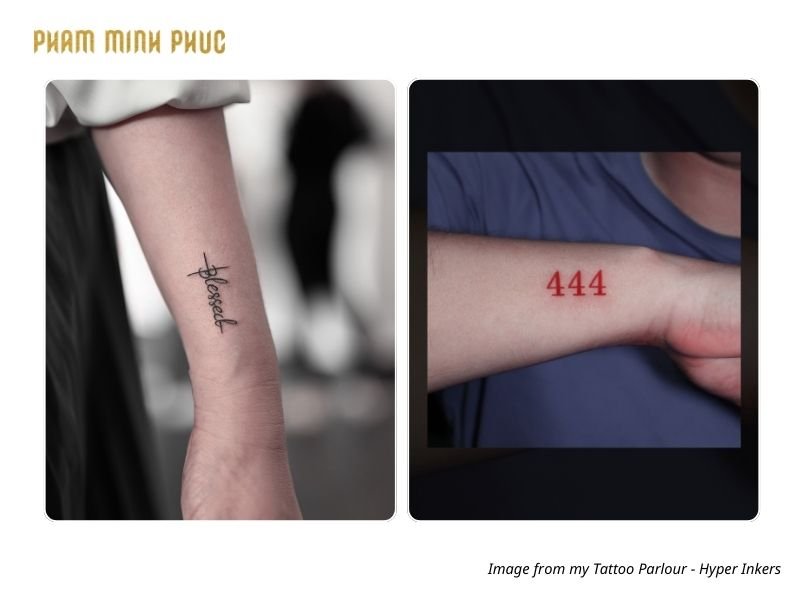
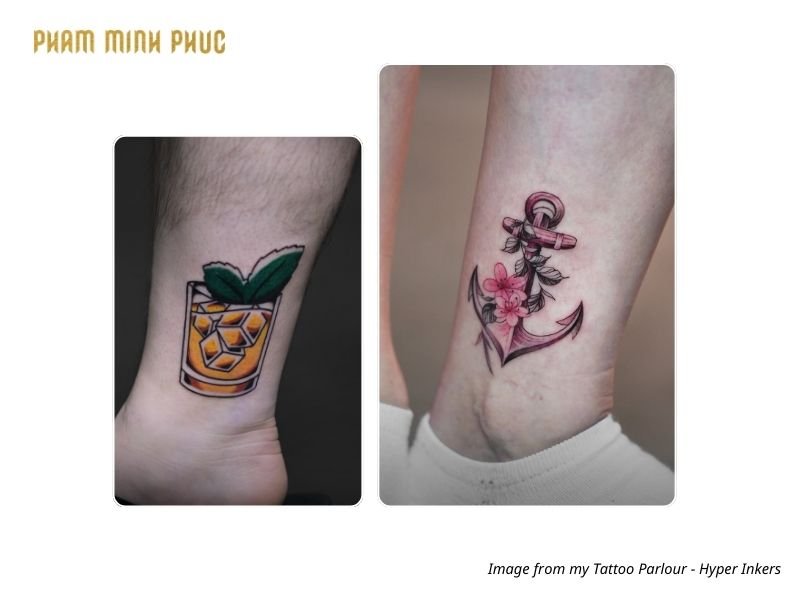
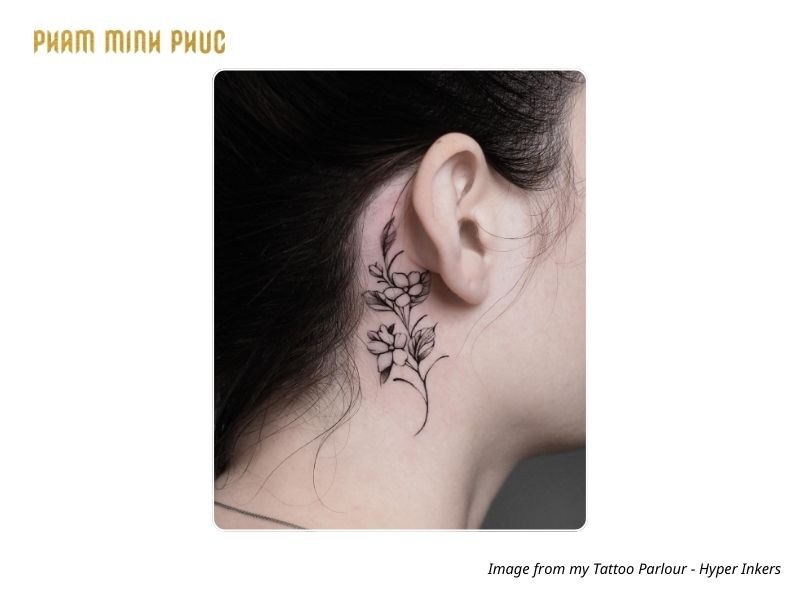
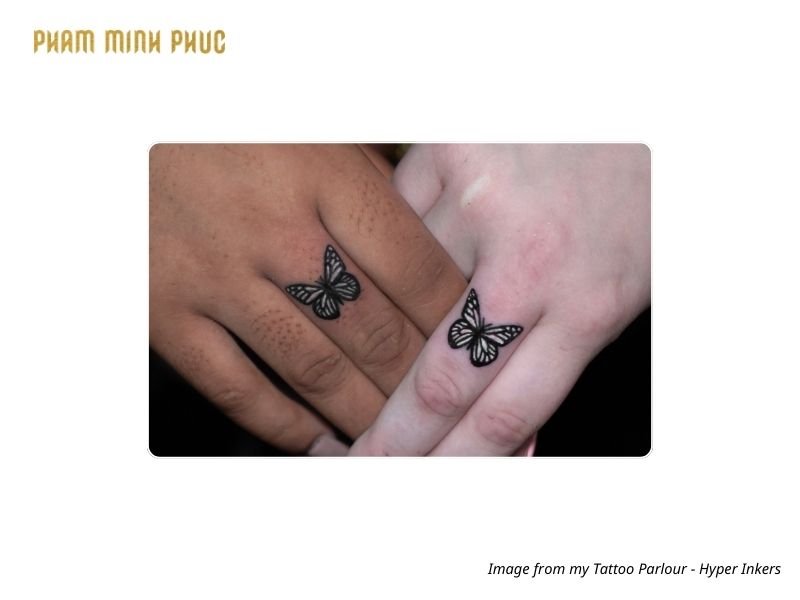
The best placement for small and tiny tattoos includes contained anatomical areas that naturally frame delicate artwork. These micro-canvases provide the perfect foundation for minimalist concepts without leaving awkward empty spaces on the body. Placing a tiny design on a massive canvas wastes prime body real estate and makes the art look disconnected.
- Wrist: The wrist tattoo placement is highly visible area perfectly highlights minimalist script and fine-line symbols.
- Hands and Fingers: Artists frequently place tiny geometric shapes and micro-portraits on these extremely prominent, high-visibility spots.
- Ankle: You can easily conceal this medium-visibility canvas or show off small floral sprigs and dainty bands depending on your footwear.
- Feet: Delicate script and small traditional pieces fit naturally here, offering moderate visibility depending on the season.
- Behind Ear: A discreet, medium-visibility placement choice tailored for hidden micro-florals and tiny stars.
- Elbow: Small circular patterns or traditional webs wrap well around this joint, providing a medium level of daily exposure.
Best Placement for Medium Tattoos
The best placement for medium tattoos involves areas that offer a long or moderately flat surface area. These mid-sized canvases comfortably accommodate detailed flash art and moderate-sized portraits without wrapping awkwardly around joints. They offer excellent versatility for the artist to establish clear details and precise shading.
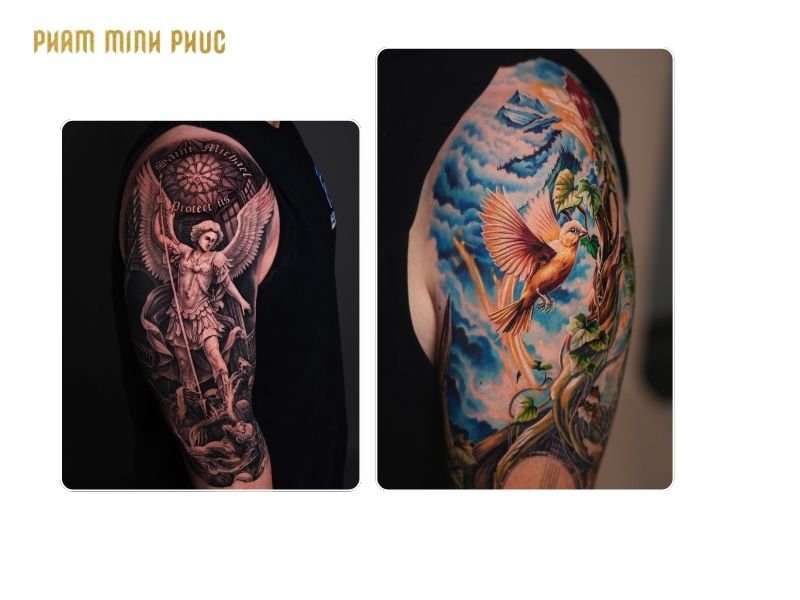
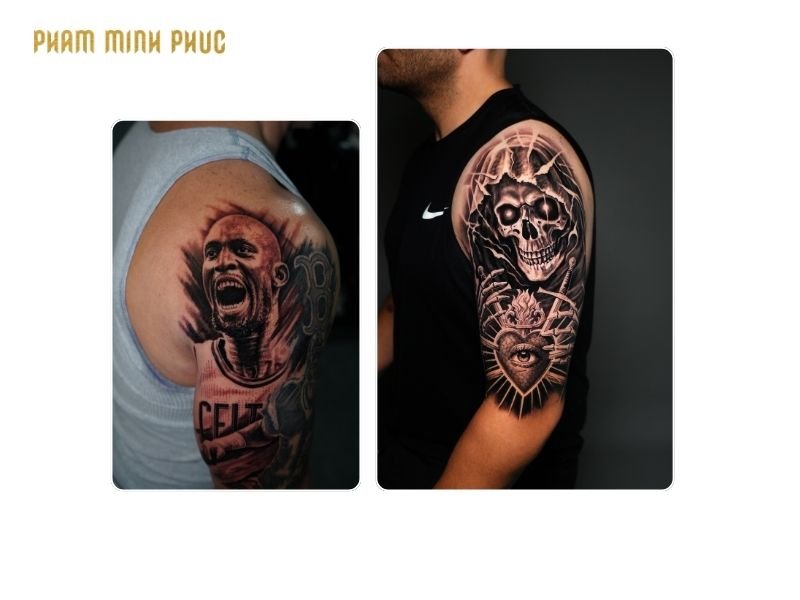
- Upper Arm (Bicep/Shoulder): Blackwork, realism, and tribal pieces thrive on this medium-visibility muscle group.
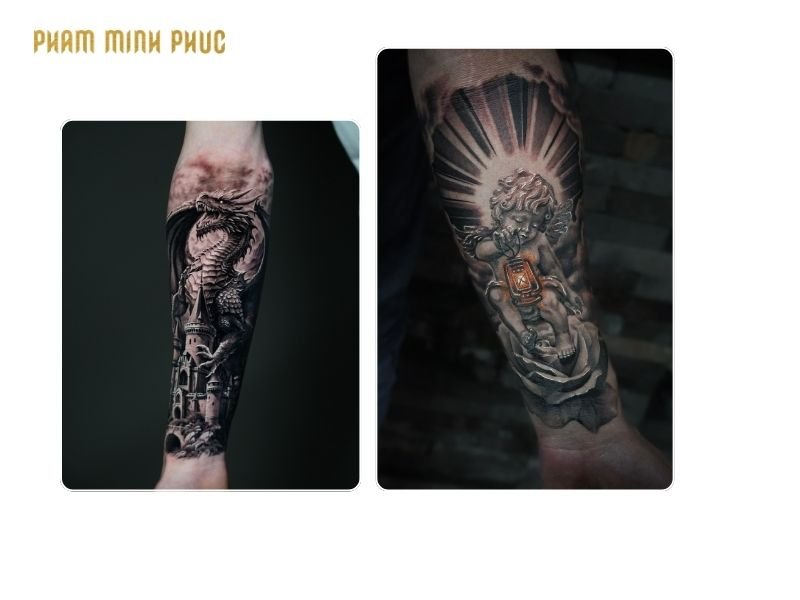
- Forearm: This highly visible location serves as the premier choice for American traditional and neo-traditional designs.
- Calf: Vertical floral arrangements and geometric patterns flow beautifully down this moderately visible leg muscle.
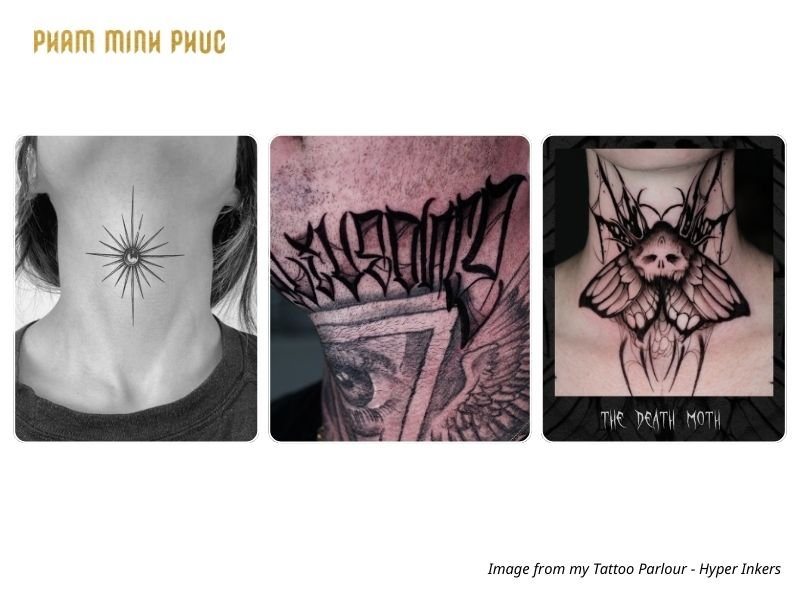
- Neck: Bold traditional elements and fine-line mandalas command immediate attention on this maximum-visibility canvas.
- Hip and Pelvic Area: Ornamental linework and flowing script remain highly private on this low-visibility placement.
Best Placement for Large Tattoos
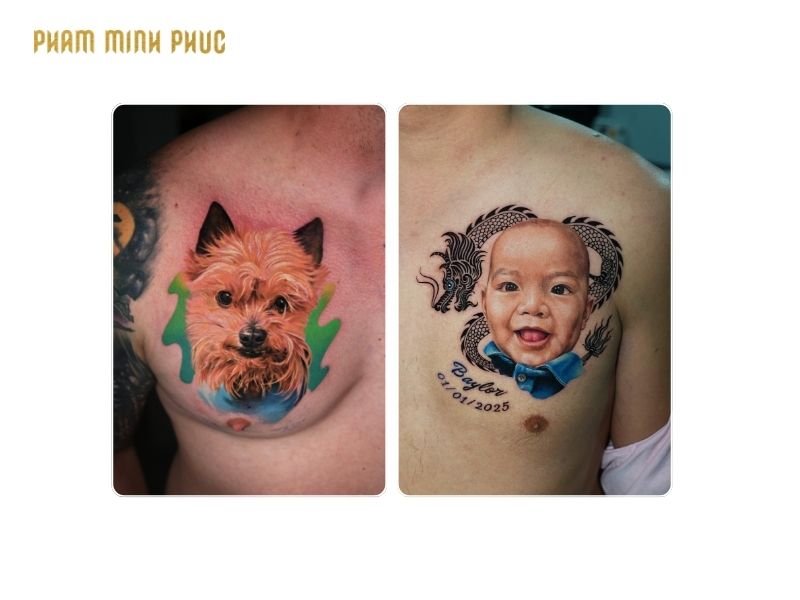
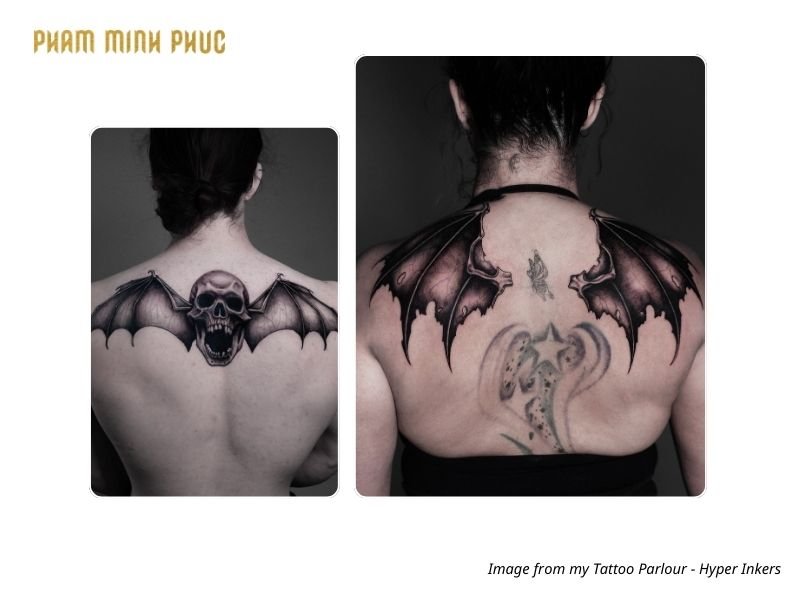
The best placement for large tattoos requires broad flat surfaces that allow for intricate detailing and complex shading techniques. These expansive skin zones give the artist ample room to execute proper depth, contrast, and structural flow. Choosing a large canvas ensures your bold statement piece remains highly legible over decades.
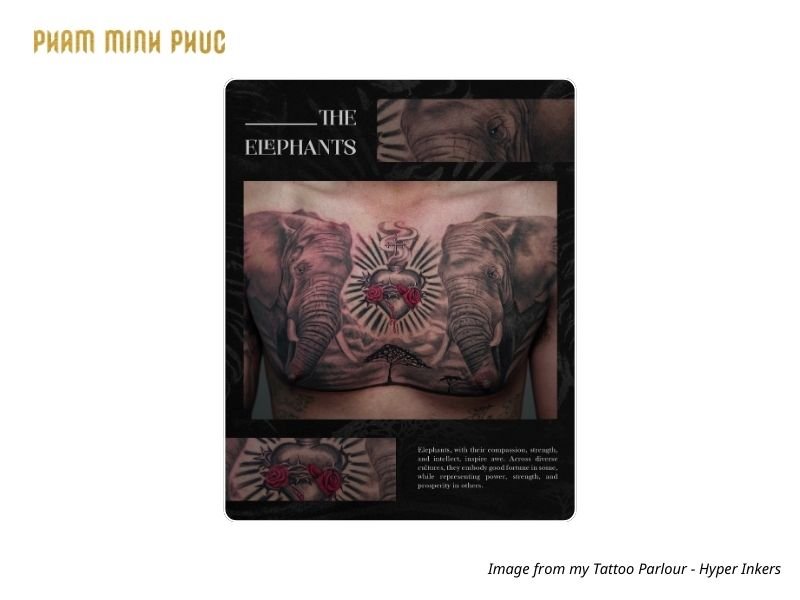
- Chest: Large traditional eagles, script, and illustrative pieces dominate this powerful, low-visibility frontal canvas.
- Back of Shoulders: Sprawling floral pieces and Japanese motifs stretch perfectly across this broad, easily hidden area.
- Spine: Long vertical script and ornamental designs align naturally with the vertebrae, offering a striking yet low-visibility aesthetic.
- Thigh and Back of Thigh: Large-scale realism and intricate mandalas utilize this massive, medium-visibility canvas to achieve stunning depth.
- Glutes: Bold traditional pieces and large Japanese elements fit seamlessly on this fleshy, highly private location.
- Stomach, Side, and Ribs: Sweeping body-contouring florals and large script accentuate the torso while maintaining low daily visibility.
Best Placement for Extra Large Tattoos
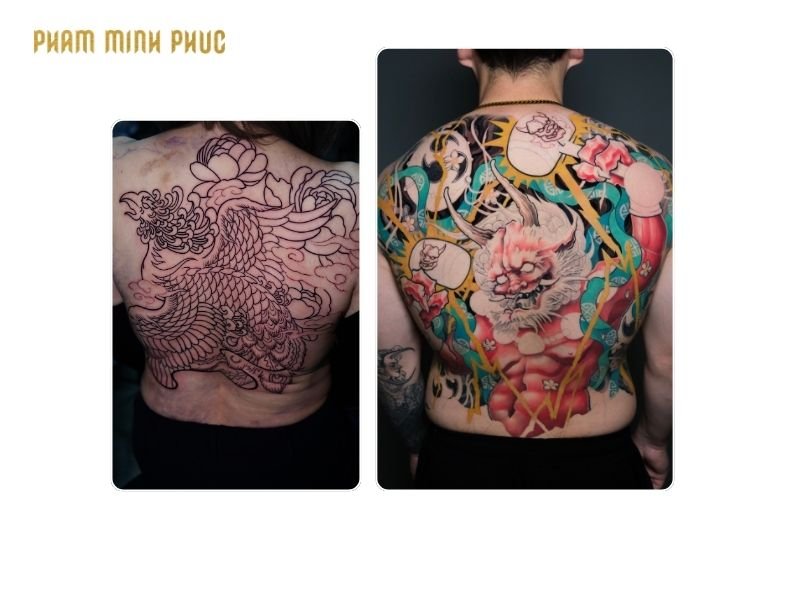
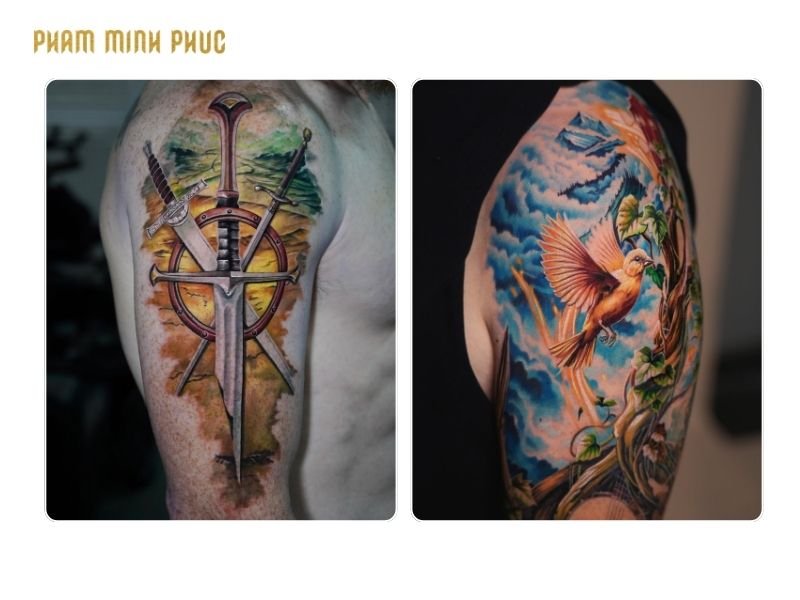
The best placement for extra large tattoos encompasses full body segments that demand multiple sessions and massive commitment. These ultimate canvases involve linking multiple major muscle groups into a single cohesive narrative. A skilled artist designs these massive projects to flow seamlessly across the entire limb or torso.
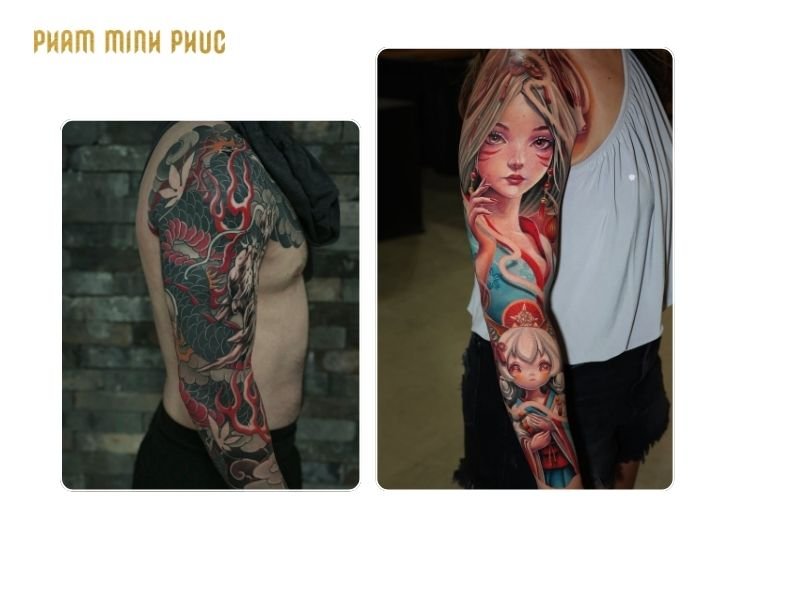
- Full Arm Sleeve: Japanese traditional, biomechanical, and full realism themes wrap the entire arm to create a highly visible, moving art gallery.
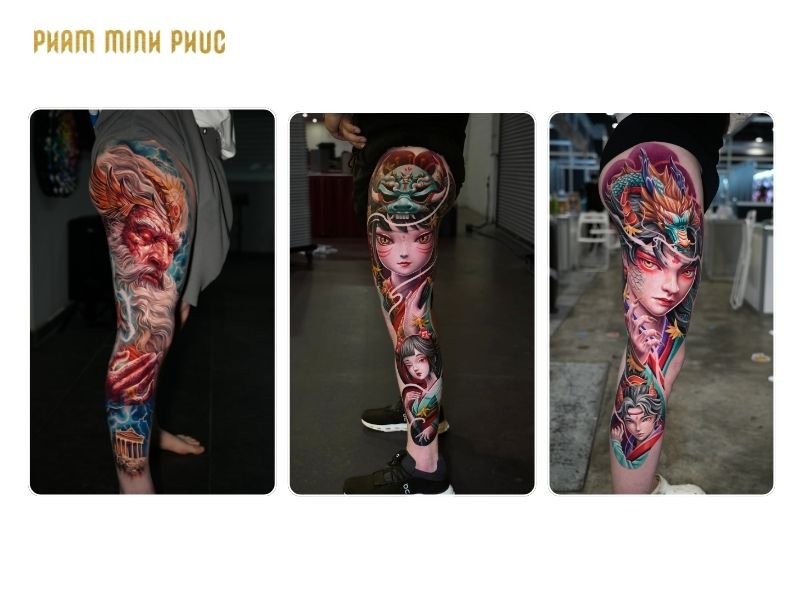
- Full Leg Sleeve: Large neo-traditional compositions and heavy blackwork utilize the full leg length, offering medium to high visibility depending on your wardrobe.
- Full Back (Spine, Shoulders, and Glutes combined): Epic Japanese body suits and massive illustrative scenes require this ultimate, low-visibility canvas to tell a complete visual story.
- Full Front (Chest and Stomach combined): Large symmetrical ornamental armor and sprawling traditional designs transform the entire torso into a private, low-visibility masterpiece.


Best Tattoo Placement Ideas for Women
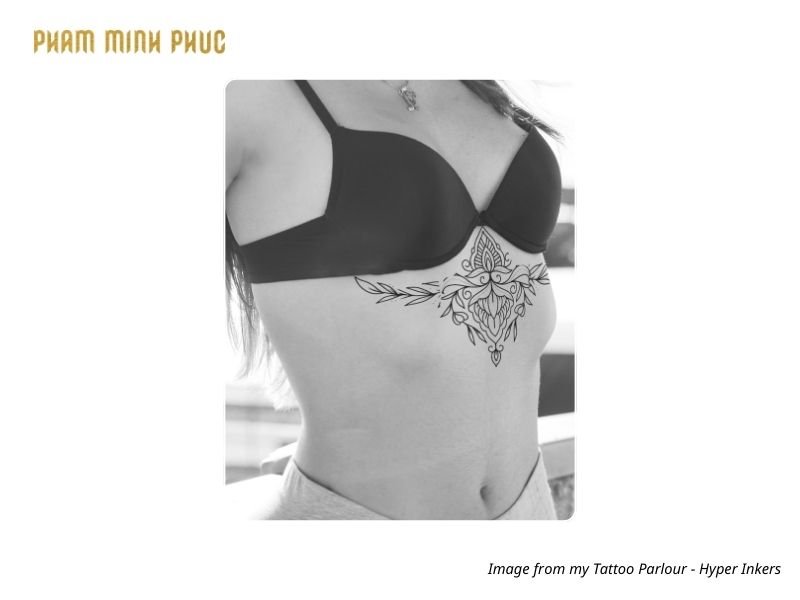
Finding the perfect canvas for women often comes down to highlighting natural curves and creating an elegant, jewelry-like aesthetic across the body. I constantly advise my female clients to avoid rigid, boxy designs on the waist or hips; the art must breathe and wrap naturally with your unique body mechanics. Placing a fluid design on a curved surface enhances your natural silhouette rather than fighting against it.
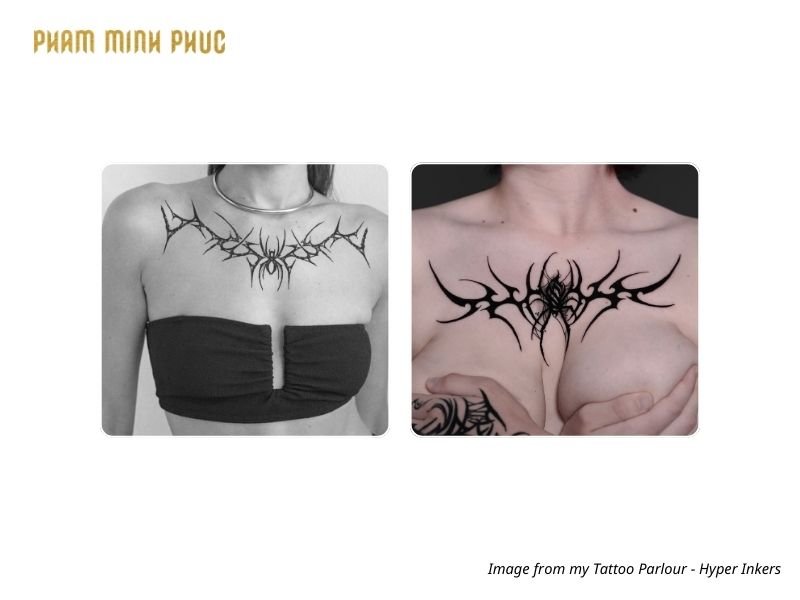
- Sternum and Underbust: This central placement acts as a permanent, intricate centerpiece perfectly suited for symmetrical mandalas, ornamental chandeliers, and delicate fine-line florals.
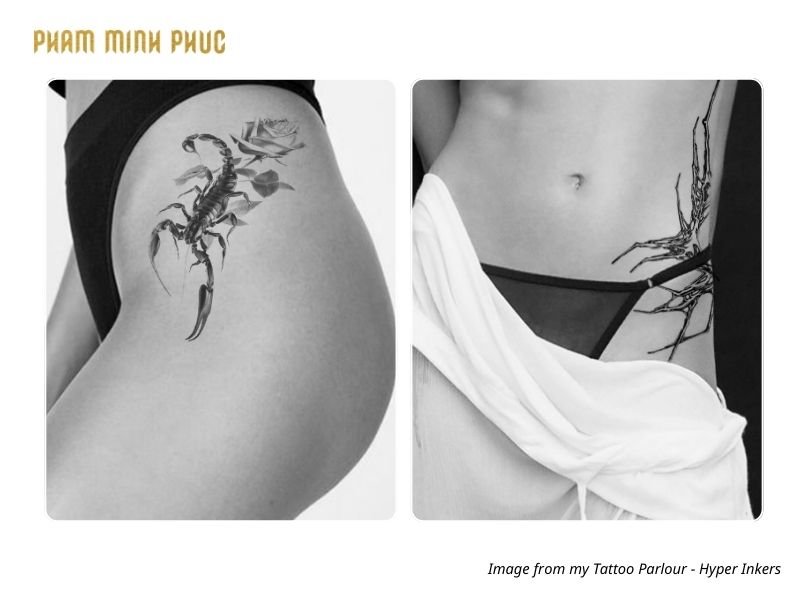
- Ribs: This area provides a beautiful vertical canvas that elongates the torso. It pairs beautifully with elegant flowing script and single botanical stems.
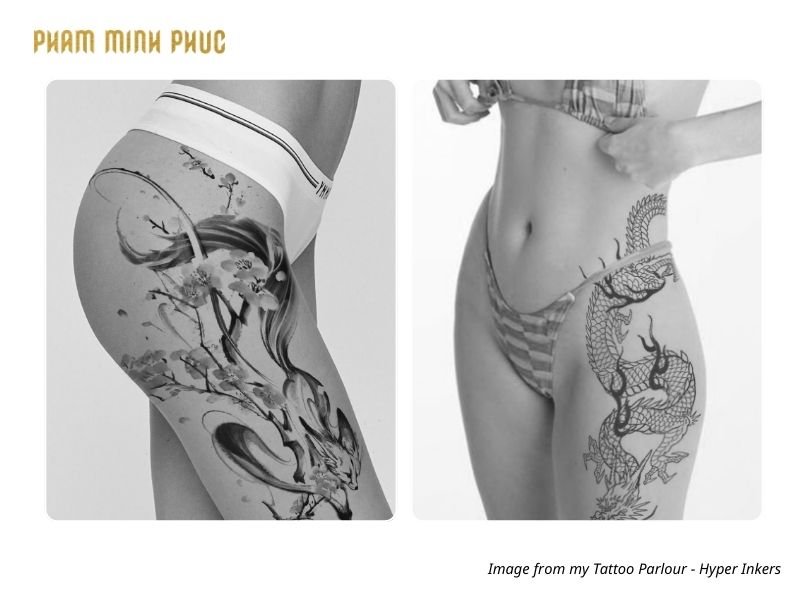
- Hip and Outer Thigh: These areas offer a sensual, private canvas with ample space for large-scale work like large blooming peonies, wrapping snakes, and intricate ornamental garters.
- Collarbone: This delicate bone structure frames the face beautifully while offering easy concealment. It works flawlessly with fine-line script, tiny constellations, and small floral sprigs.
Best Tattoo Placement Ideas for Men
Masculine placements typically utilize broad muscle groups to project bold, definitive statements. I routinely steer clients away from placing a two-inch design in the exact center of a massive pectoral muscle; this common mistake wastes prime body real estate and shrinks the visual impact of the chest. You must scale your artwork to fill the specific muscle group entirely to achieve a powerful aesthetic.
- Chest and Pecs: This powerful symmetrical foundation commands immediate attention and frames the upper body, making it ideal for traditional eagles, fierce animal portraits, and large ornamental armor.
- Full Back: The largest flat canvas on the body accommodates epic, cohesive masterpieces such as large-scale Japanese traditional scenes and intricate geometric back-pieces.
- Forearm: This highly visible cylinder serves as the perfect daily display for realistic wildlife, classic American traditional daggers, and detailed compasses.
- Calf: This thick leg muscle provides a dynamic canvas that stretches naturally with movement, perfectly accommodating neo-traditional portraits, bold script, and biomechanical elements.
How to Choose Your Perfect Tattoo Placement?
Choosing your perfect tattoo placement requires a strategic balance between your daily lifestyle, professional environment, and long-term aesthetic goals. You should evaluate multiple practical factors before finalizing the location of your permanent artwork.
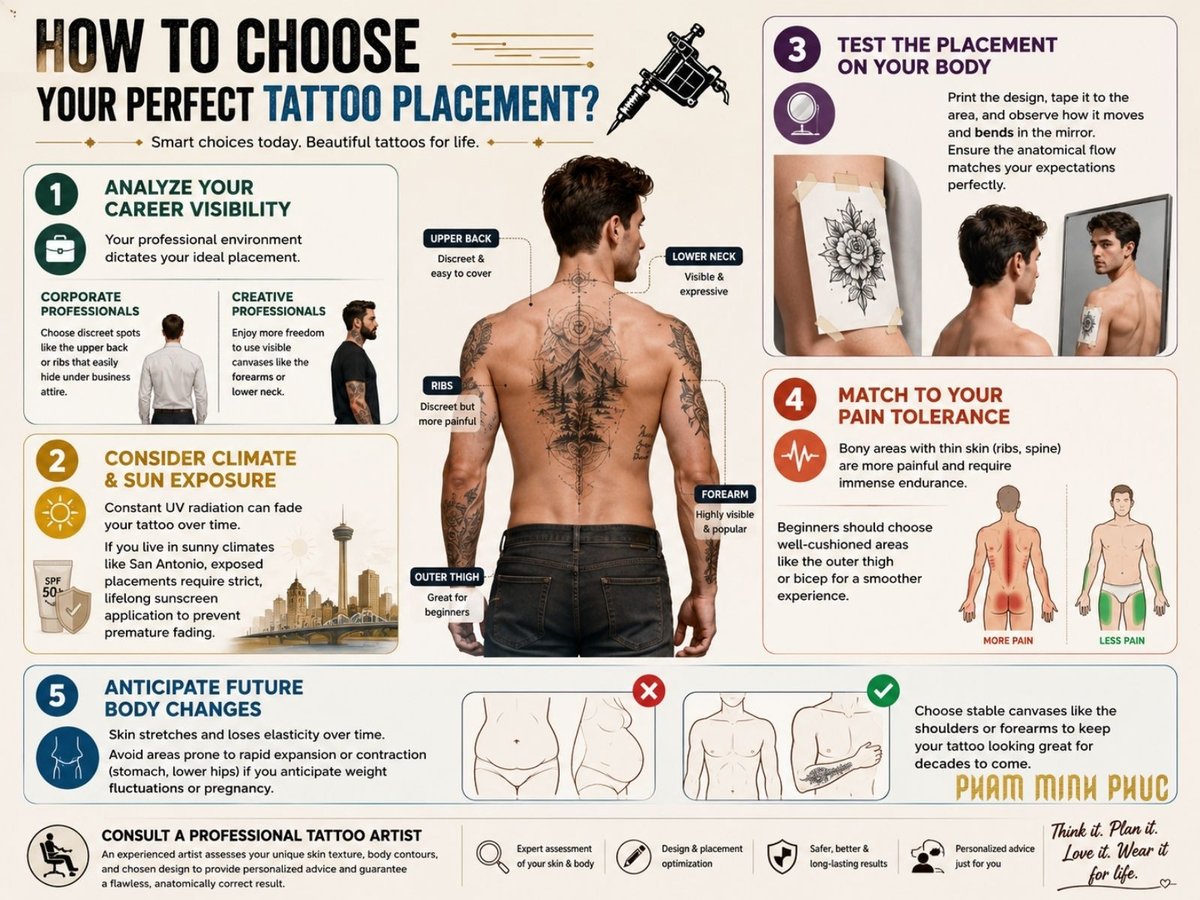
Firstly, analyze your career visibility needs. Your professional environment dictates your ideal placement. Corporate professionals generally benefit from discreet spots like the upper back or ribs, which easily hide under standard business attire. Creative professionals enjoy more freedom to utilize highly visible canvases like the forearms or lower neck.
Secondly, factor in the local climate and daily sun exposure. Constant ultraviolet radiation acts as a slow-motion laser removal treatment. Clients living in sunny climates like San Antonio must recognize that placing a piece on an exposed area demands strict lifelong sunscreen application to prevent premature fading.
Thirdly, test the placement physically on your body. You should always visualize the piece before making a permanent commitment. You can print the design on paper, tape it to the desired area, and observe how the image moves and bends in the mirror to confirm the anatomical flow matches your expectations perfectly.
Fourthly, match the placement to your personal pain tolerance. You must evaluate your ability to sit completely still during the entire session. Bony areas with thin skin, such as the ribs or spine, cause intense discomfort and require immense endurance. Beginners should select well-cushioned areas like the outer thigh or bicep to ensure a smooth and completed tattoo process.
Finally, anticipate future body changes. Your skin stretches and loses elasticity over time. You must avoid areas prone to rapid expansion or contraction, such as the stomach or lower hips, if you anticipate significant weight fluctuations or pregnancy. Selecting stable canvases like the shoulders or forearms ensures the design remains intact over the decades.
Ultimately, you should always consult a professional tattoo artist before finalizing your decision. An experienced artist assesses your unique skin texture, body contours, and chosen design to provide personalized advice and guarantee a flawless, anatomically correct result.
Tattoo Aftercare Tips for Different Areas of Your Body
Tattoo aftercare tips for different areas of your body depend entirely on the specific location of the fresh wound. Different placements require distinct care tactics to prevent friction, manage swelling, and ensure proper healing. A universal rule applies everywhere: keep the area clean and moisturized. You must then adjust your daily routine based on exactly where the new ink sits.
Upper Body Tattoos
Getting inked on the upper body usually involves accessible areas like the chest, back, or arms. These regions remain relatively easy to keep clean and moisturized. You must pay close attention to clothing friction and your sleeping habits to protect these specific placements.
- Chest Tattoos: You must wear soft, loose clothing to avoid irritation on the raw skin. Sleep on your back to prevent accidental scratching or pressure against the mattress.
- Back Tattoos: You need to sleep on your stomach or side to eliminate pressure on the fresh design. Avoid carrying heavy backpacks or wearing tight sports bras during the first two weeks of healing.
- Arm Tattoos: Steer clear of tight sleeves that suffocate the pores. Keep the arm elevated frequently post-session to reduce blood pooling and minimize swelling.
Lower Body Tattoos
Lower body tattoos include designs on the legs, hips, or feet. These extremities present unique healing challenges due to gravity, restrictive footwear, and constant movement. I always warn my clients that lower extremity pieces naturally swell more and take slightly longer to heal fully due to increased blood pressure in the lower half of the body.
- Leg and Calf Tattoos: You must avoid skinny jeans or tight leggings that rub constantly against the fresh pigment. Elevate your legs whenever you sit to promote proper plasma drainage and reduce throbbing.
- Hip Tattoos: Monitor your sleeping position carefully to avoid putting direct body weight on the new tattoo. Choose underwear with soft waistbands that sit completely above or below the healing tissue.
- Foot and Ankle Tattoos: You must completely avoid tight, closed-toe shoes. Opt for clean sandals or remain barefoot at home until the skin completely closes to prevent severe bacterial infections from sweaty socks.
If you’d like more detailed guidance, you can read my tattoo aftercare article, which covers everything you need to know about proper tattoo aftercare.
How Body Changes Affect Tattoo Placement?
Body changes affect tattoo placement by physically stretching, shrinking, or warping the skin over decades. Significant weight fluctuations, rapid muscle growth, and pregnancy directly alter your biological canvas, heavily distorting designs placed on volatile areas like the stomach, hips, and lower ribs. I always remind my clients to consider their long-term physical goals before committing to these specific regions to avoid permanent aesthetic damage.
Selecting stable canvases like the upper back, forearms, or upper chest ensures the artwork remains perfectly proportionate regardless of natural anatomical shifts. Furthermore, tattooing over existing scars or stretch marks requires precise technical execution due to the compromised skin texture. An experienced artist navigates these bumpy landscapes carefully and utilizes specialized shading techniques to camouflage the altered tissue without causing further trauma.
Which Are the Best Spots for A First Tattoo?
The best spots for a first tattoo consist of fleshy anatomical areas with minimal nerve density and thick muscle padding. I always advise my new clients to start their body art journey on the outer thigh, upper shoulder, or forearm to test their physical endurance safely. These well-cushioned locations absorb the needle impact effectively, keeping the overall discomfort highly manageable.
Before booking your initial session, you should review a comprehensive tattoo pain chart to understand exactly how different body parts react to the needle. Starting in a proven low-pain zone ensures a positive introduction to the tattooing process and builds your confidence for future, more complex pieces.
Which Placement Do They Hurt the Least?
Placements that hurt the least consist of fleshy areas located far from underlying bones and major nerve clusters. The outer bicep, forearms, calves, and glutes rank lowest on the pain scale. The needle simply vibrates against the muscle tissue rather than echoing intensely through your skeletal structure.
Where Do Tattoos Fade the Fastest?
Tattoos fade the fastest on extremities that endure constant physical friction and rapid skin regeneration. The hands, fingers, and feet regenerate skin cells rapidly and suffer continuous rubbing from daily tasks or tight shoes. Finger tattoos often blow out or blur within a few months. Professional artists frequently warn clients that these high-friction zones require multiple touch-ups to maintain any semblance of crisp line work.
Does Placement Affect Tattoo Price?
Placement affects tattoo price primarily because certain areas of the body demand significantly more time and technical skill to tattoo properly. Skin on the ribs, neck, and stomach is highly elastic and requires the artist to use advanced stretching techniques to create solid lines. Bony areas and awkward angles force the artist to work at a slower pace to ensure safety and precision. This increased session time naturally raises the overall cost of the project.
Do Tattoo Placements Have Meanings?
Tattoo placements do not have universal meanings, as the significance relies entirely on the individual wearer’s intention. A person might place a memorial portrait over their heart to signify love, or ink a compass on their foot to represent guidance. The only external meaning associated with placement comes from societal perception. Highly visible “job stoppers” on the face, neck, or hands often carry strong cultural assumptions, marking the wearer as someone fully committed to the tattoo lifestyle.
Strategic placement transforms a good design into a masterpiece that moves naturally with the musculature. By respecting the limitations of skin elasticity and acknowledging how significant weight fluctuations distort areas like the stomach, the client protects their investment for decades. As a San Antonio-based custom artist, I architect designs specifically for the chosen anatomy, ensuring the artwork complements the body’s natural S-curves rather than fighting them. If the goal is a perfectly positioned piece that ages gracefully, I am ready to map the canvas.