Ankle tattoos are especially popular for small, decorative designs because they can stay discreet with everyday clothing while still being easy to show with shorts, skirts, or open footwear. This balance makes the ankle a common choice among women, particularly for fine-line florals, small symbols, ornamental bands, and other compact designs.
Tattooing this area introduces severe physical pain and complex healing challenges. The needle strikes the lateral malleolus bone and Achilles tendon directly due to extremely thin skin, causing intense skeletal vibration. Furthermore, gravity forces blood to pool in the lower extremities, making the healing process highly prone to swelling.
Today, I will let you know the main ankle tattoo placements, suitable design ideas, pain, healing, and how to choose a location that fits both your artwork and daily routine.

Table of Contents
Where Can You Place an Ankle Tattoo?
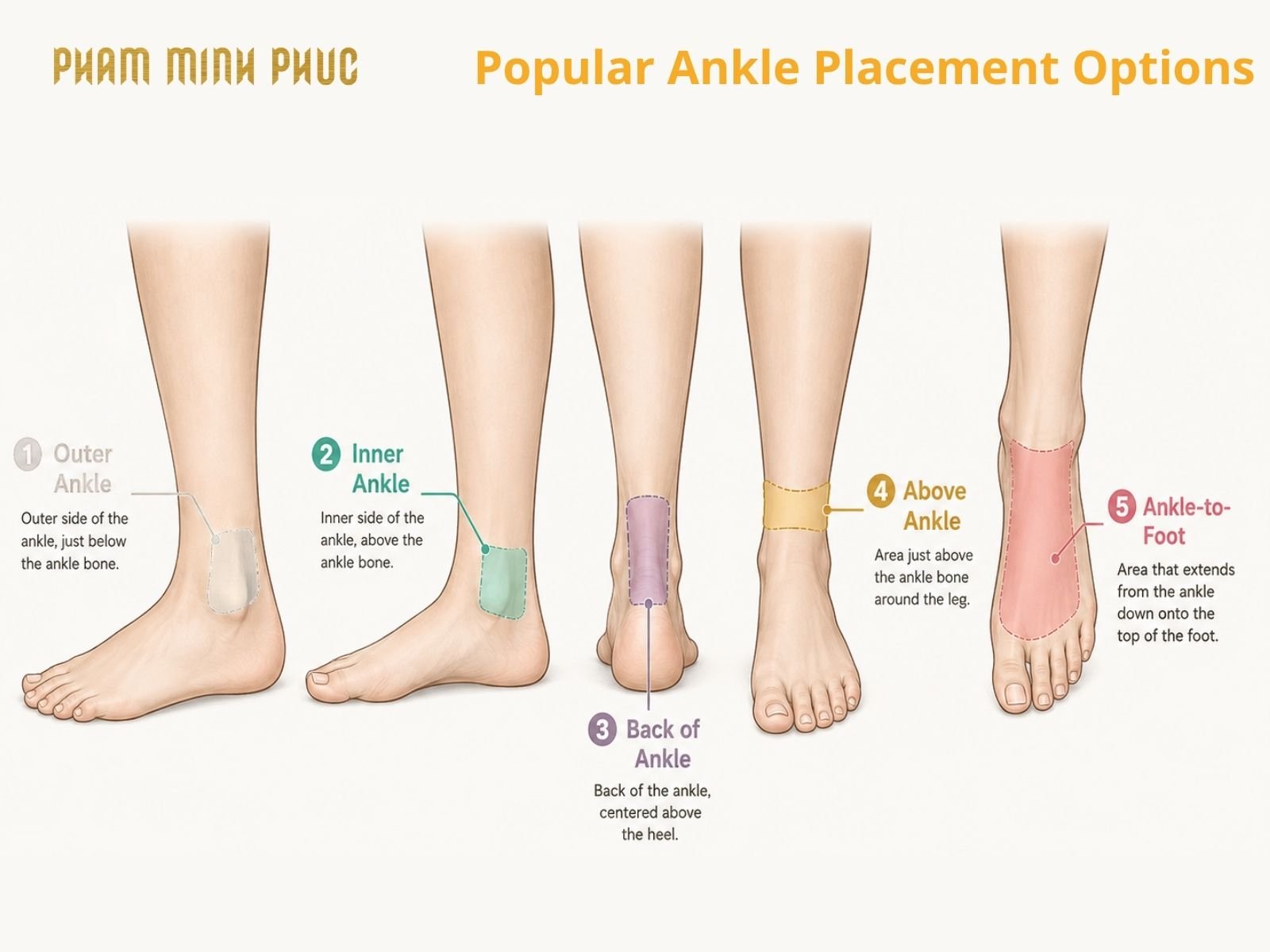
You can place an ankle tattoo on the outer ankle, inner ankle, back of the ankle, slightly above the joint, or extend the design from the ankle onto the foot.
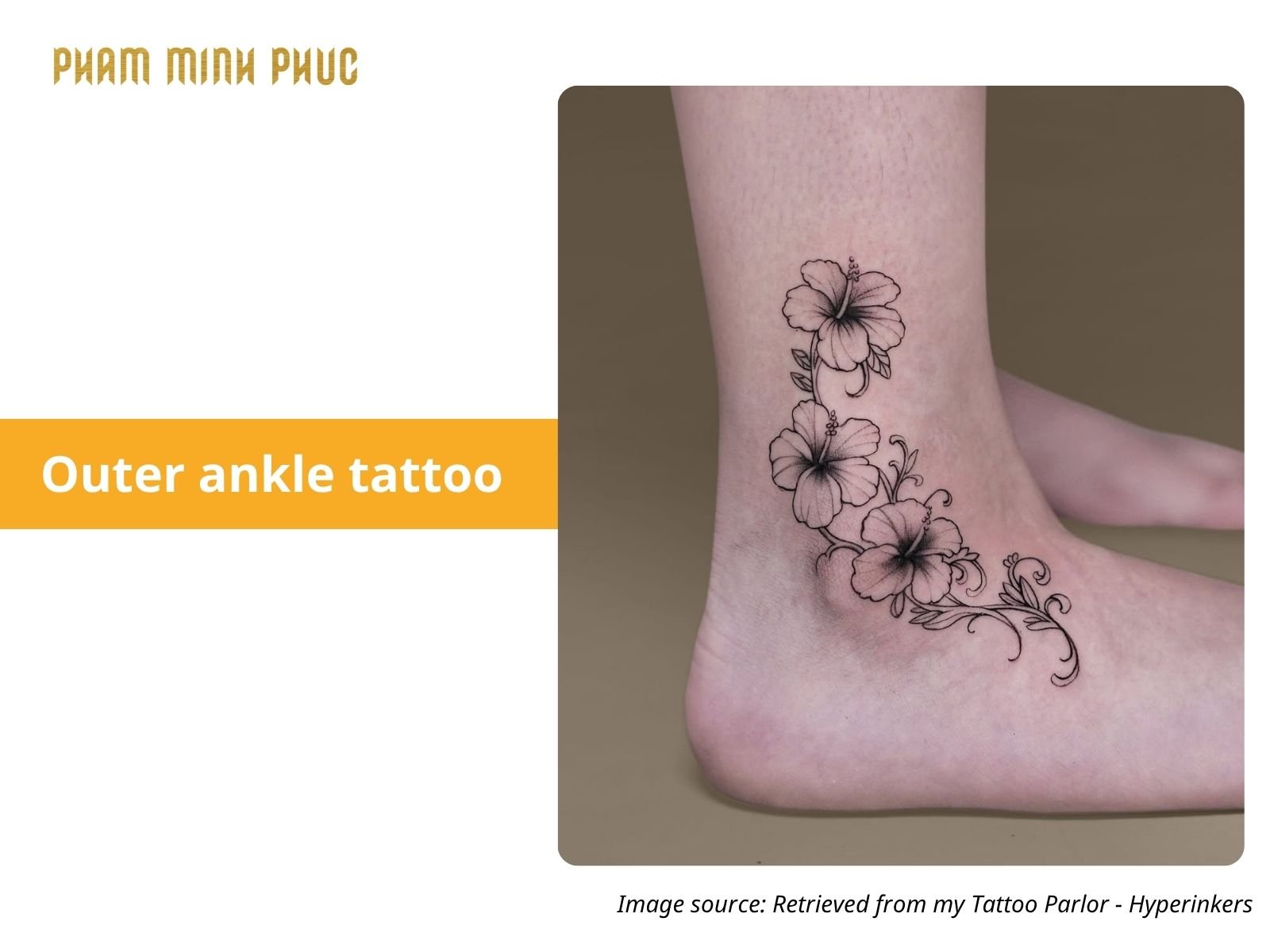
Outer Ankle Tattoo Placement
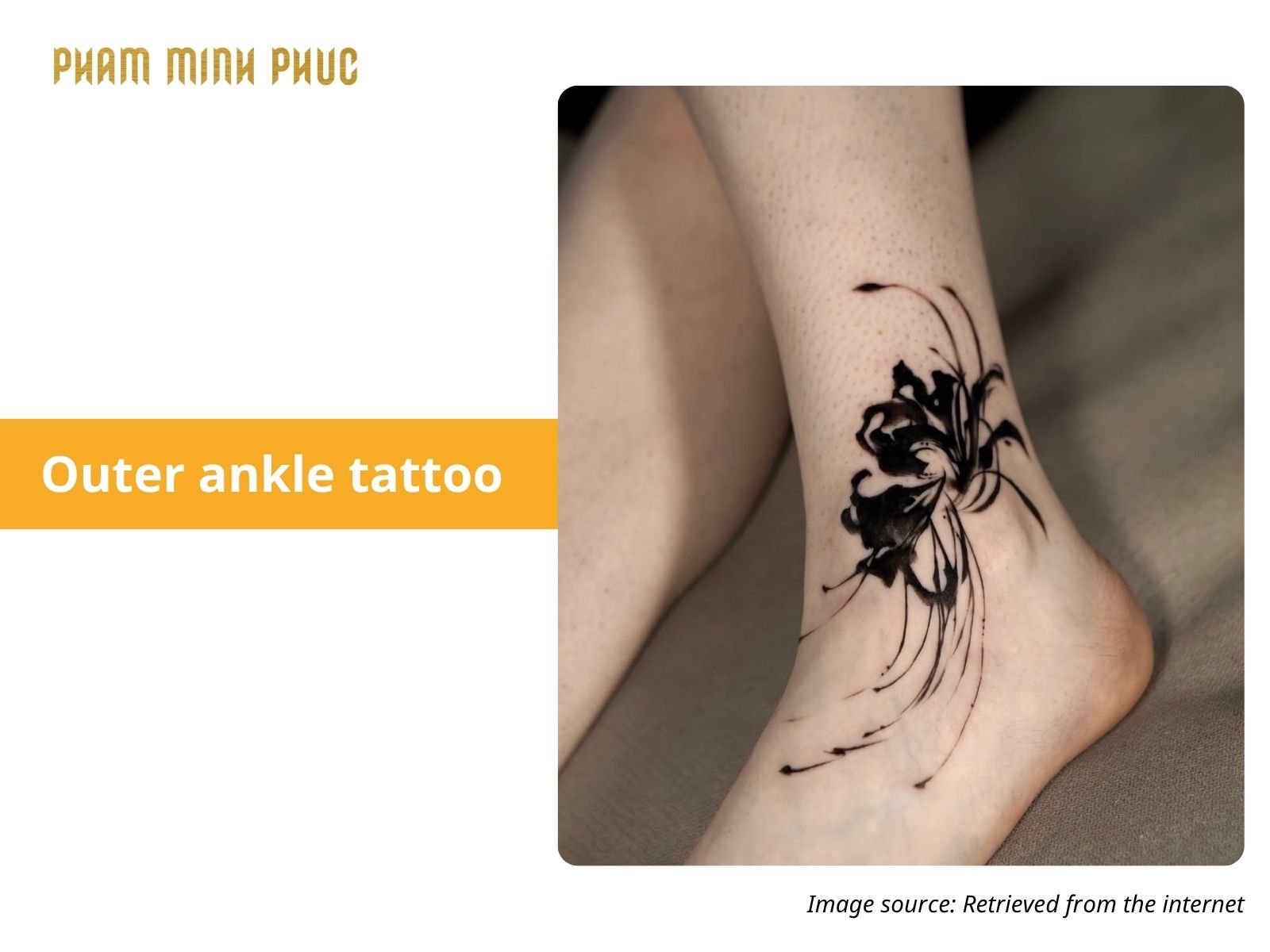
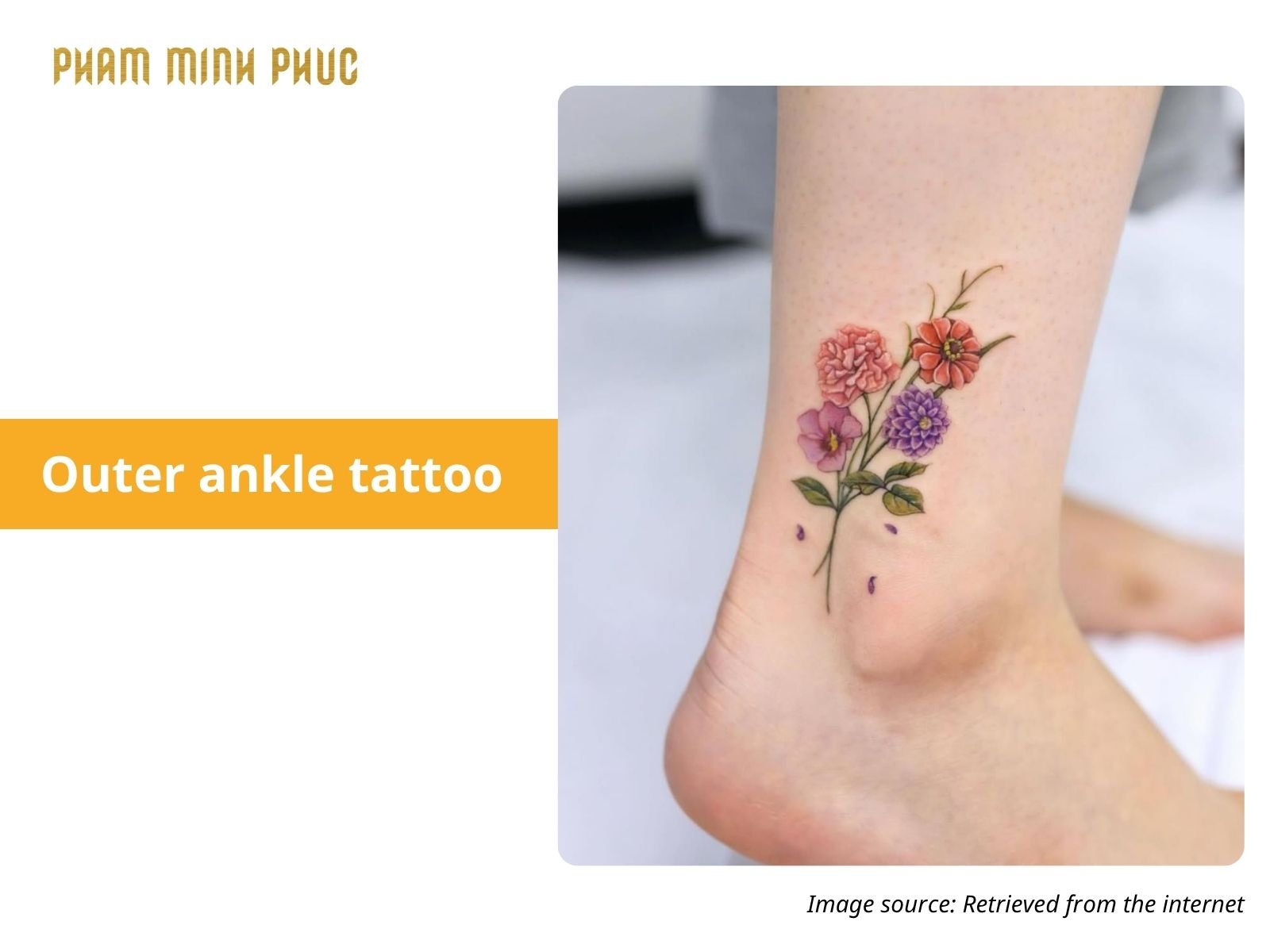
The outer ankle gives small-to-medium designs a visible position along the outside of your joint. The tattoo usually sits around or slightly above the outer ankle bone, where it can be seen clearly from the side when you wear shorts, skirts, sandals, or low-cut shoes.
Florals, animals, symbols, ornamental motifs, and compact illustrative designs can fit well here. Artwork can remain centered beside the ankle or curve slightly around the lower leg when the composition needs more width. Because the ankle is not a flat surface, the design should follow the contour of your leg rather than being treated like an image placed on a straight panel.
You should evaluate your stencil placement while standing and bearing full weight on your foot. The skin shifts drastically between sitting and standing positions over this protruding bone. Requesting your artist to curve the design around the malleolus rather than placing it directly over the center ensures the artwork moves naturally with your stride and creates beautiful three-dimensional depth.
Inner Ankle Tattoo Placement
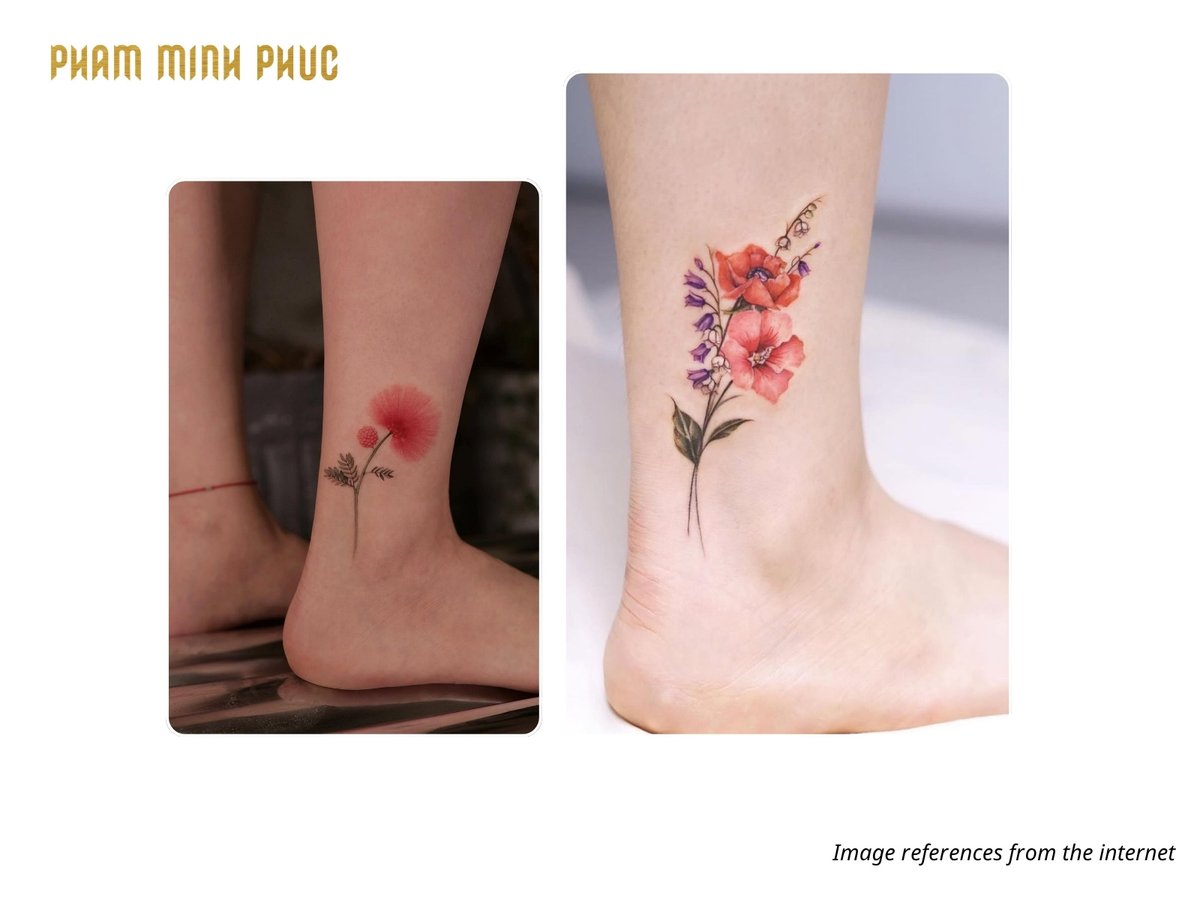
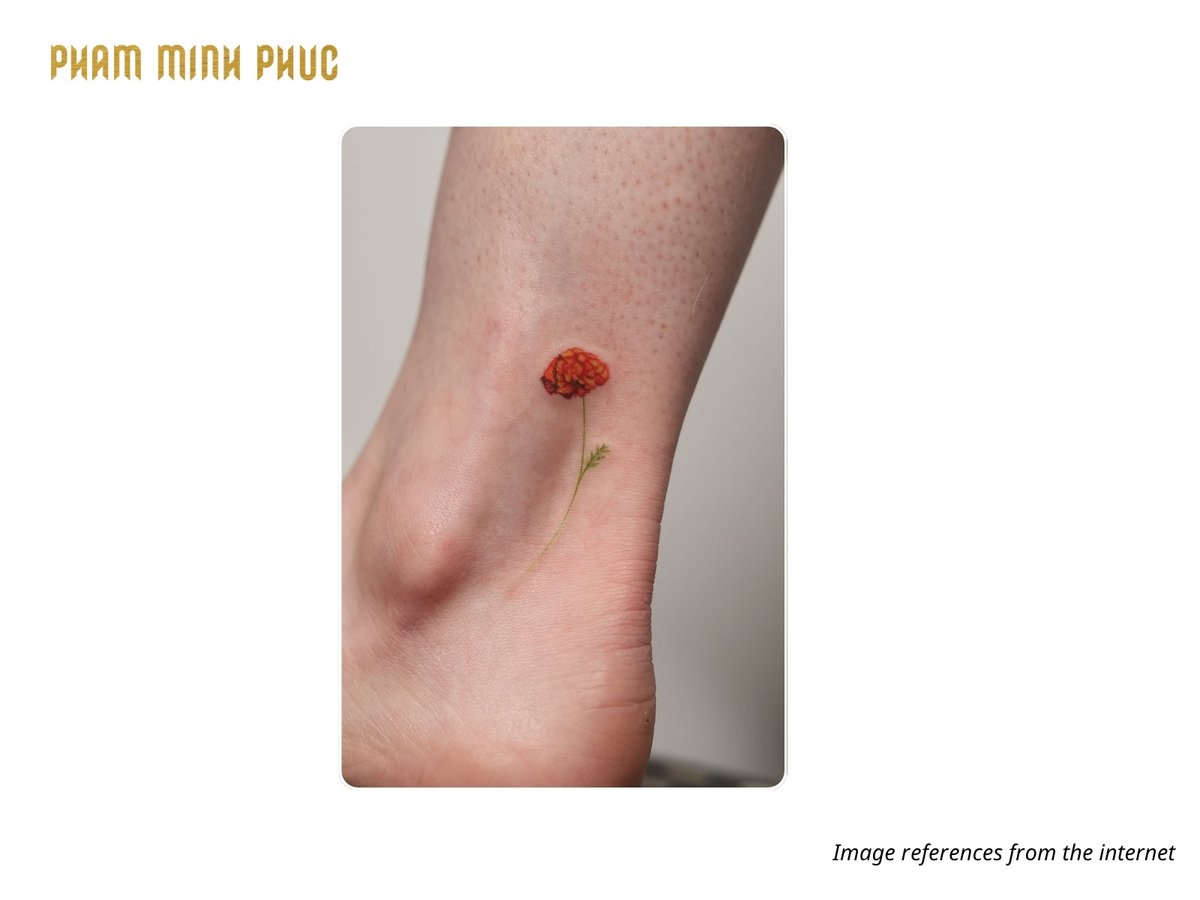
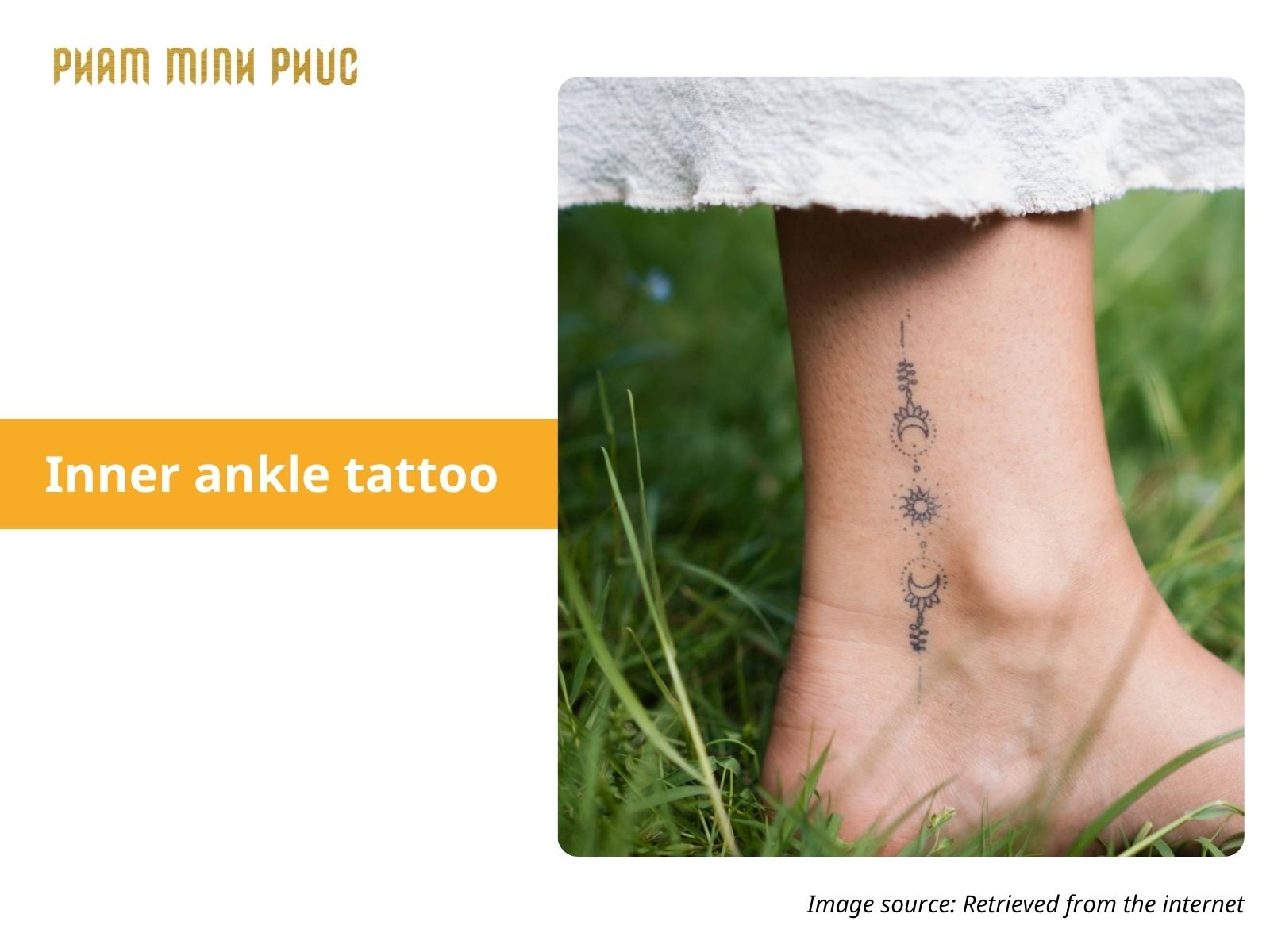
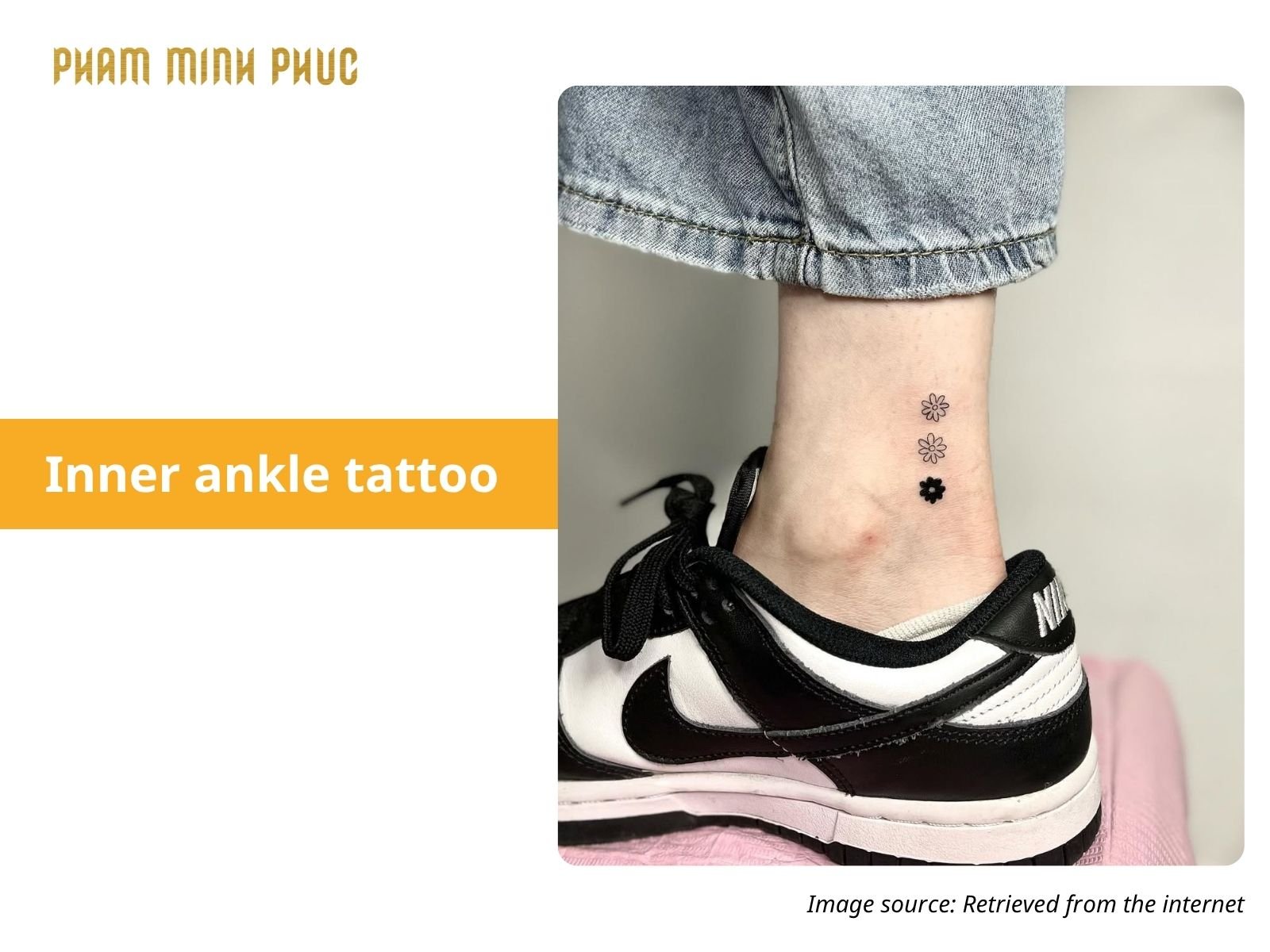
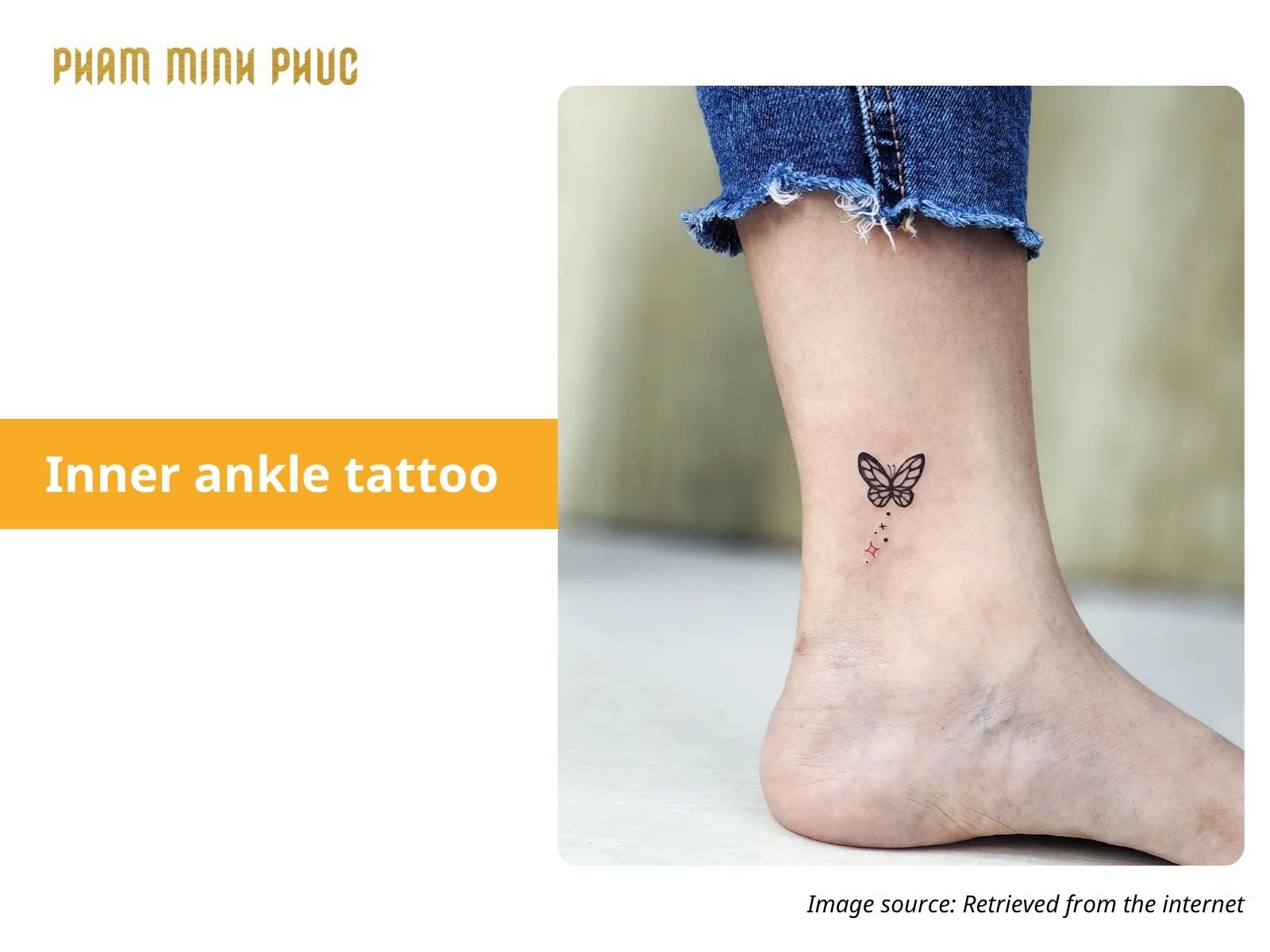
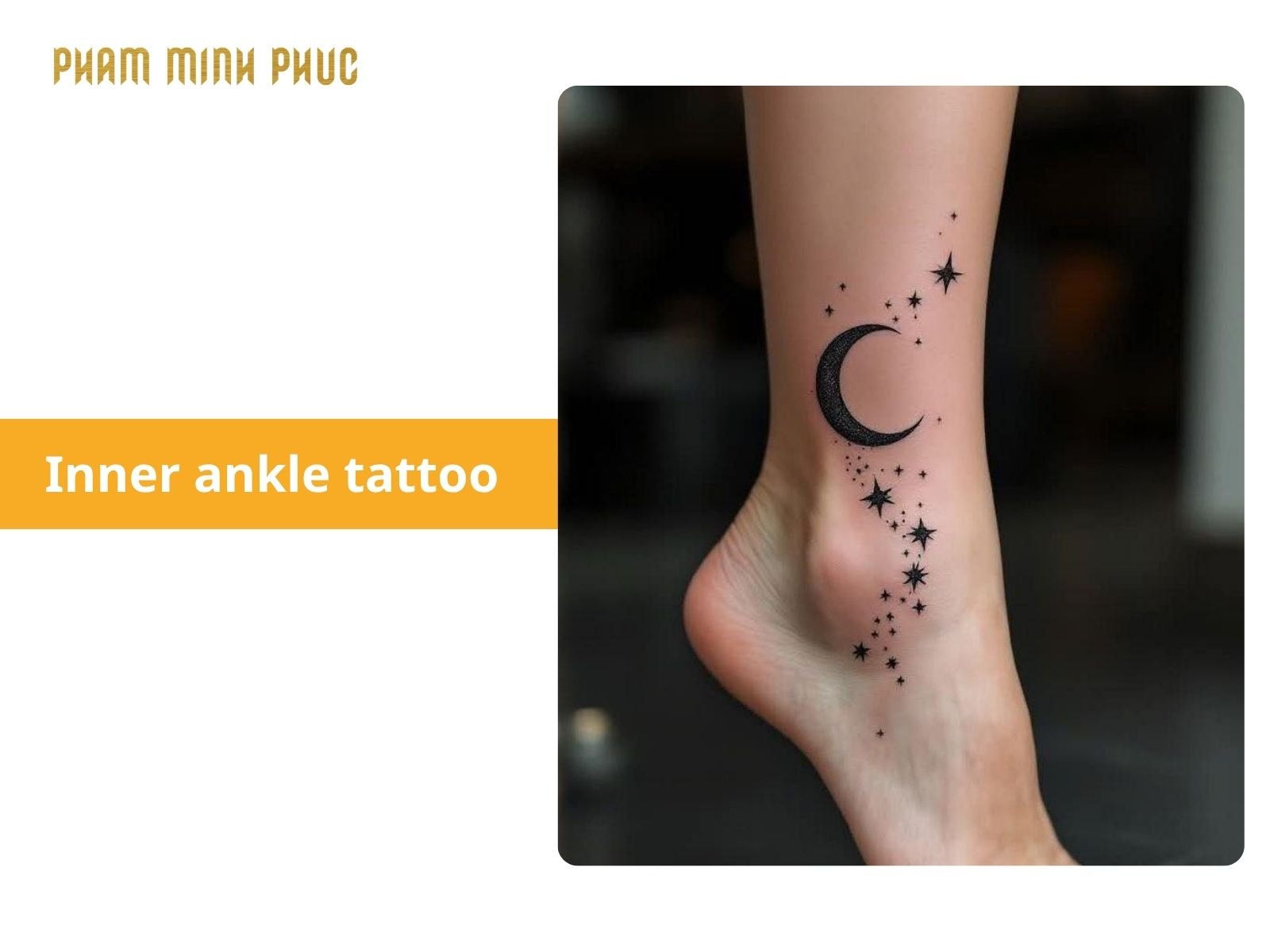
An inner ankle tattoo gives you a more discreet placement on the inside of the lower leg.
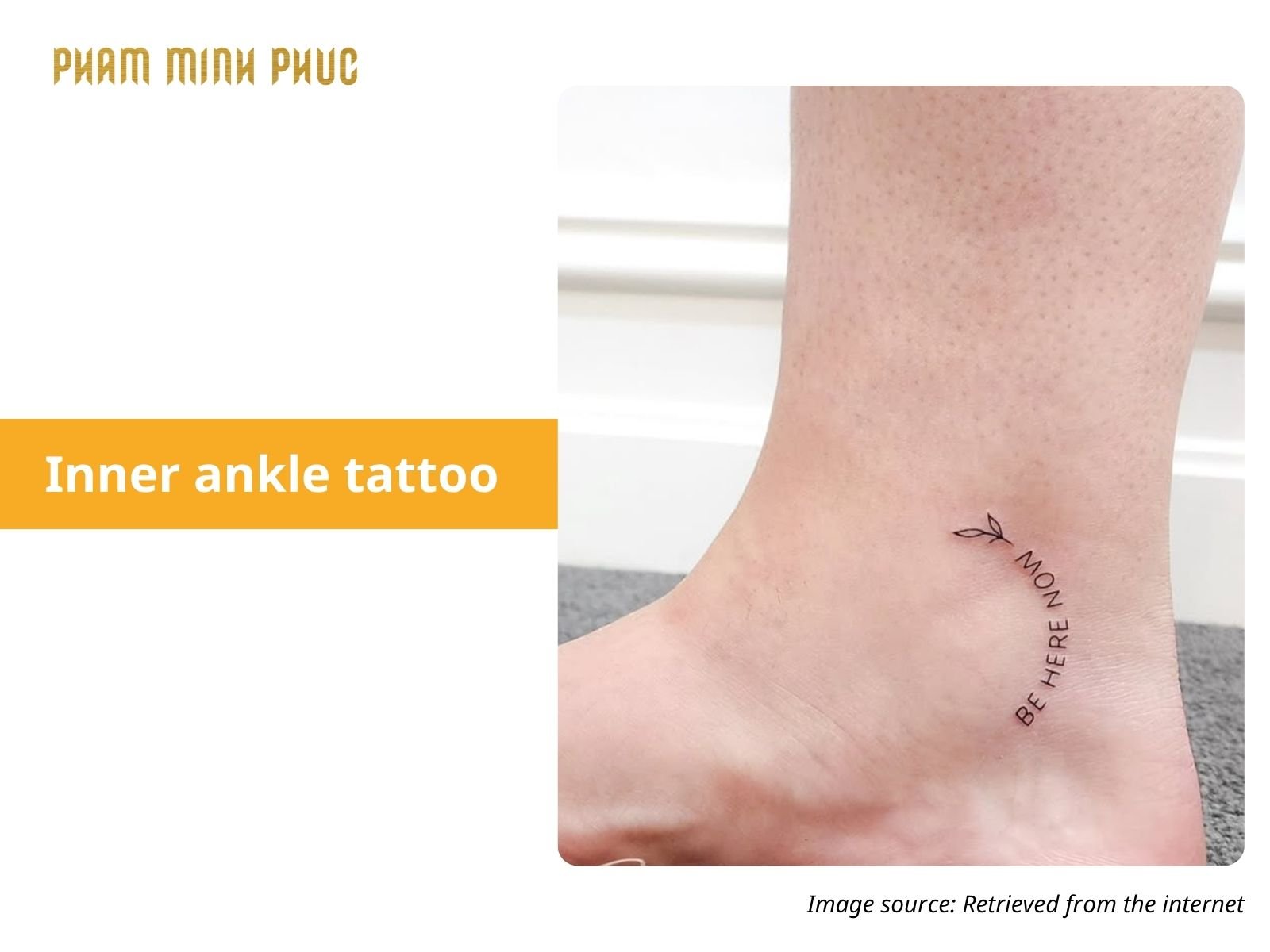
This area works particularly well for small florals, initials, dates, fine-line symbols, short script, and minimalist designs that do not need much width.
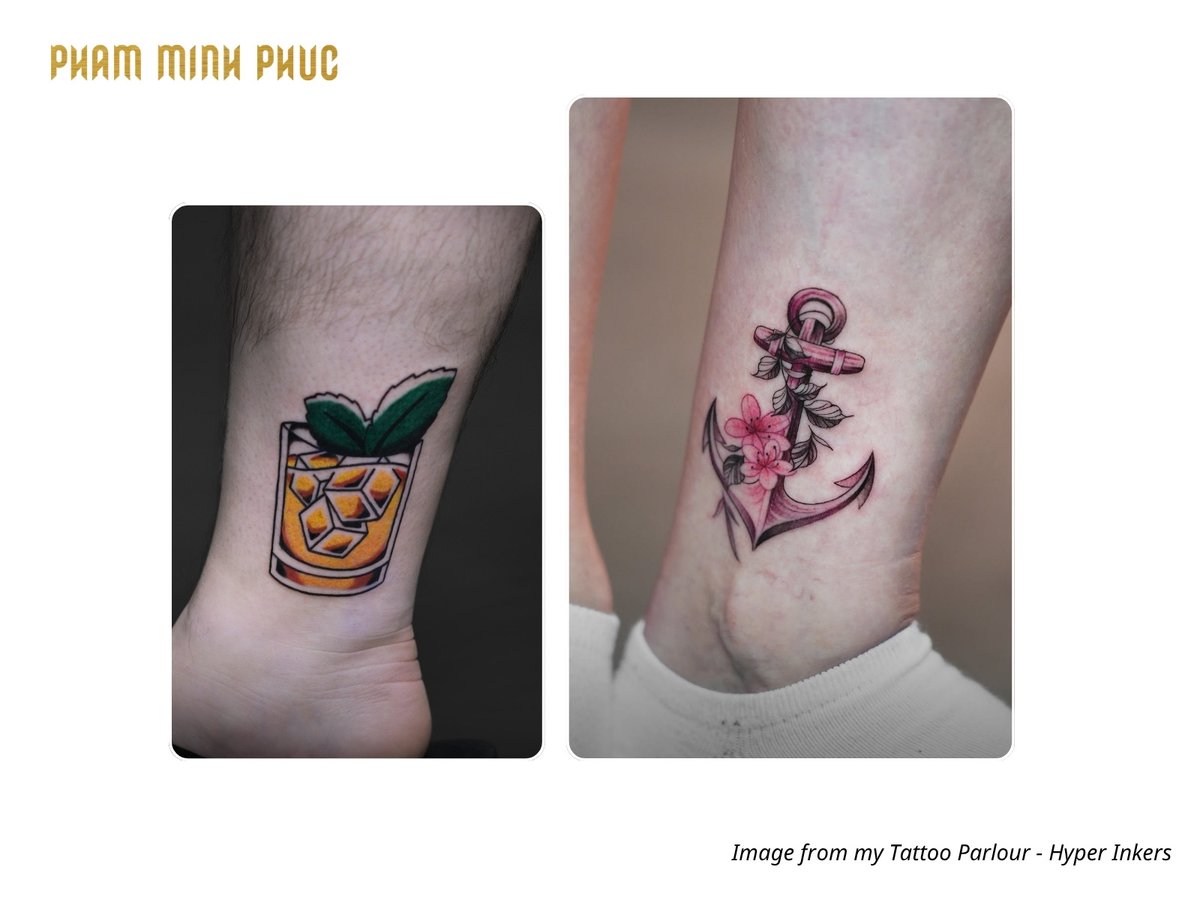
The tattoo can sit slightly above the inner ankle bone or move lower toward the foot depending on how visible you want it to be. Higher placements are usually easier to keep separate from shoes, while lower designs can create a closer visual connection with the foot. Women frequently choose the inner ankle for small fine-line and decorative tattoos because the placement can remain subtle while still being easy to reveal with open footwear.
The extremely thin skin and close proximity to the bone elevate the pain threshold significantly, making it a highly sensitive area. The physical transition toward the sole creates a delicate blowout zone that requires precise technical execution from the artist. For designs with very small details, enough spacing should remain between lines so the tattoo does not feel compressed within the narrow area.
Back of Ankle Tattoo Placement
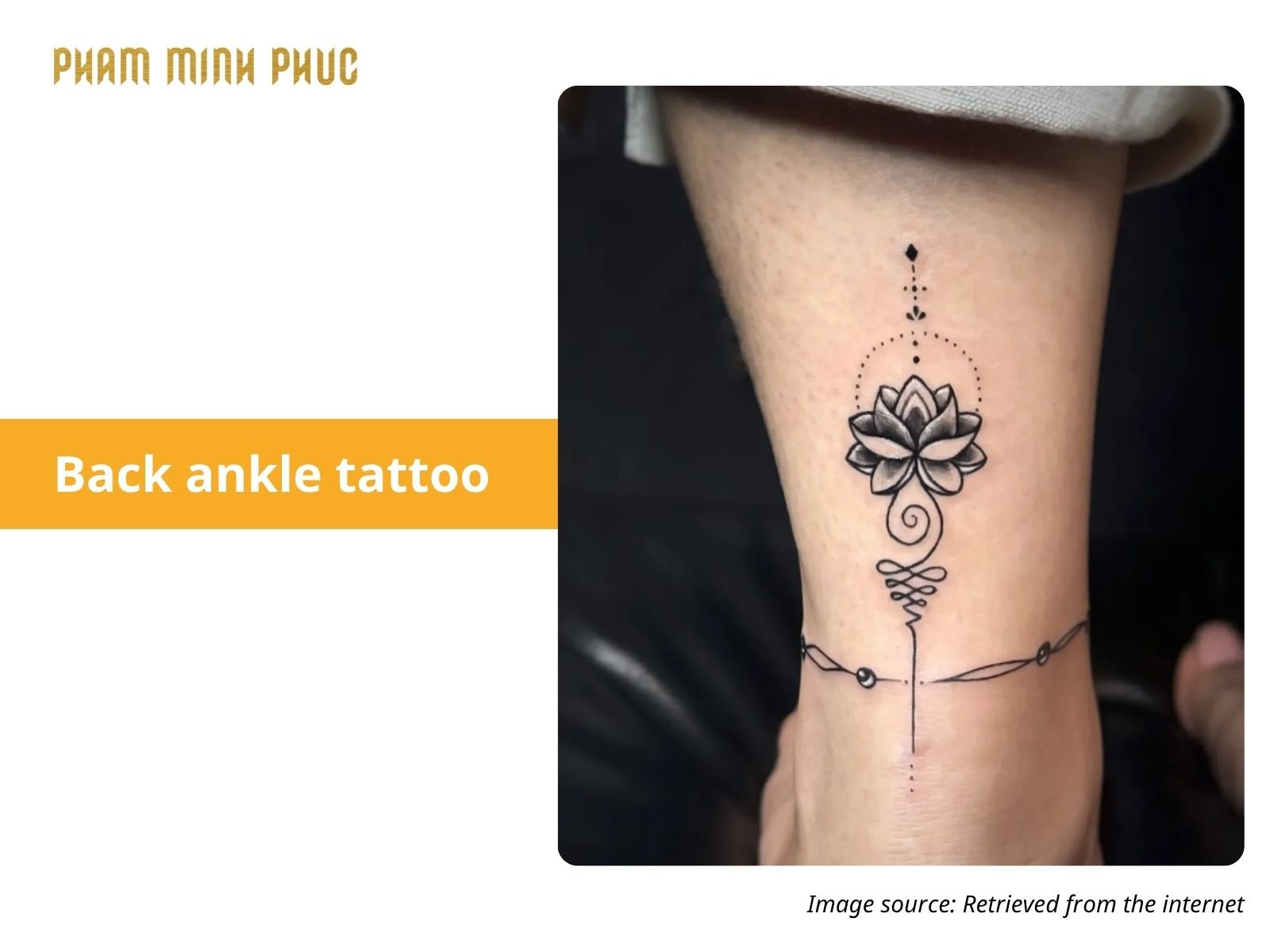
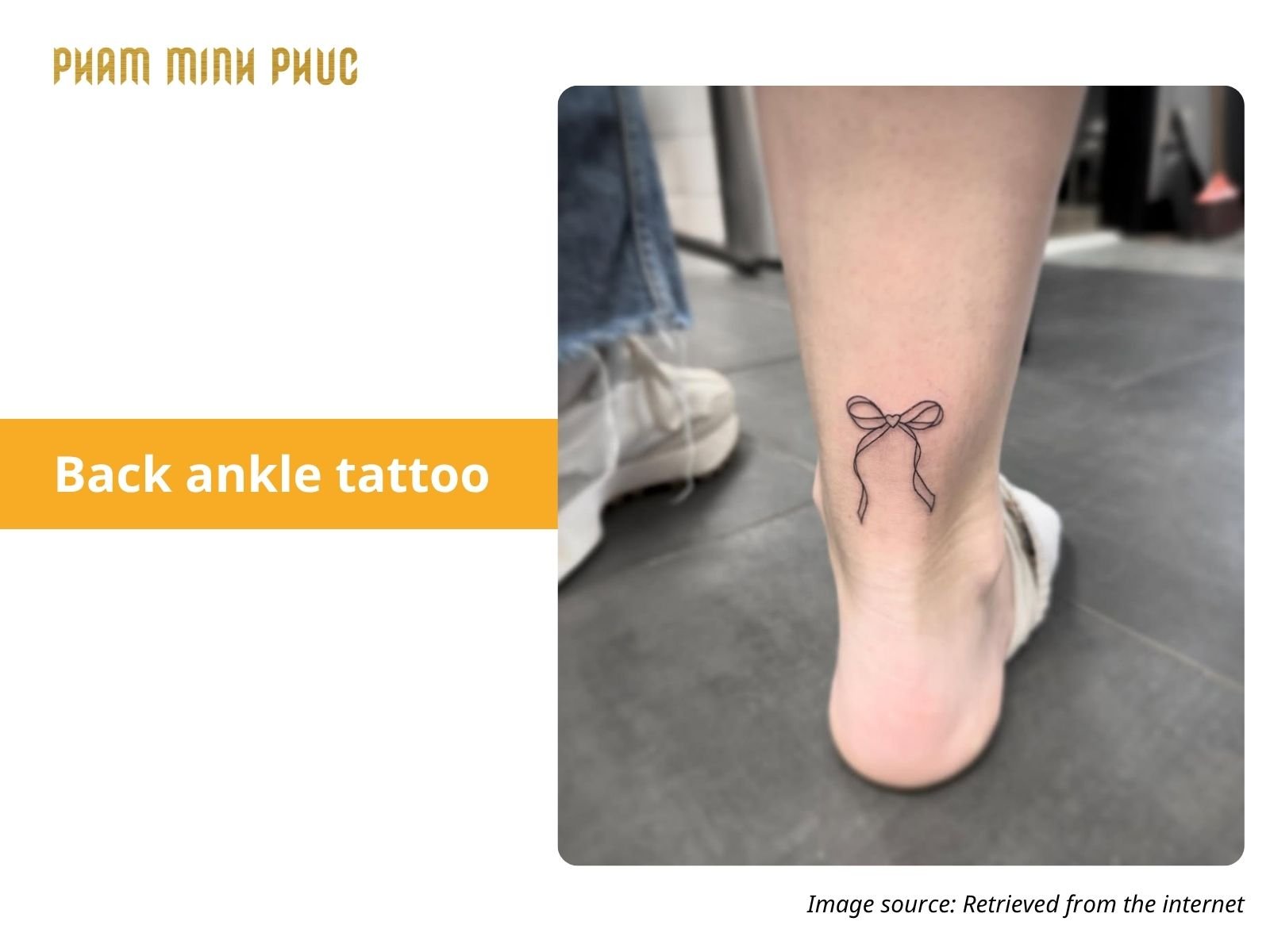
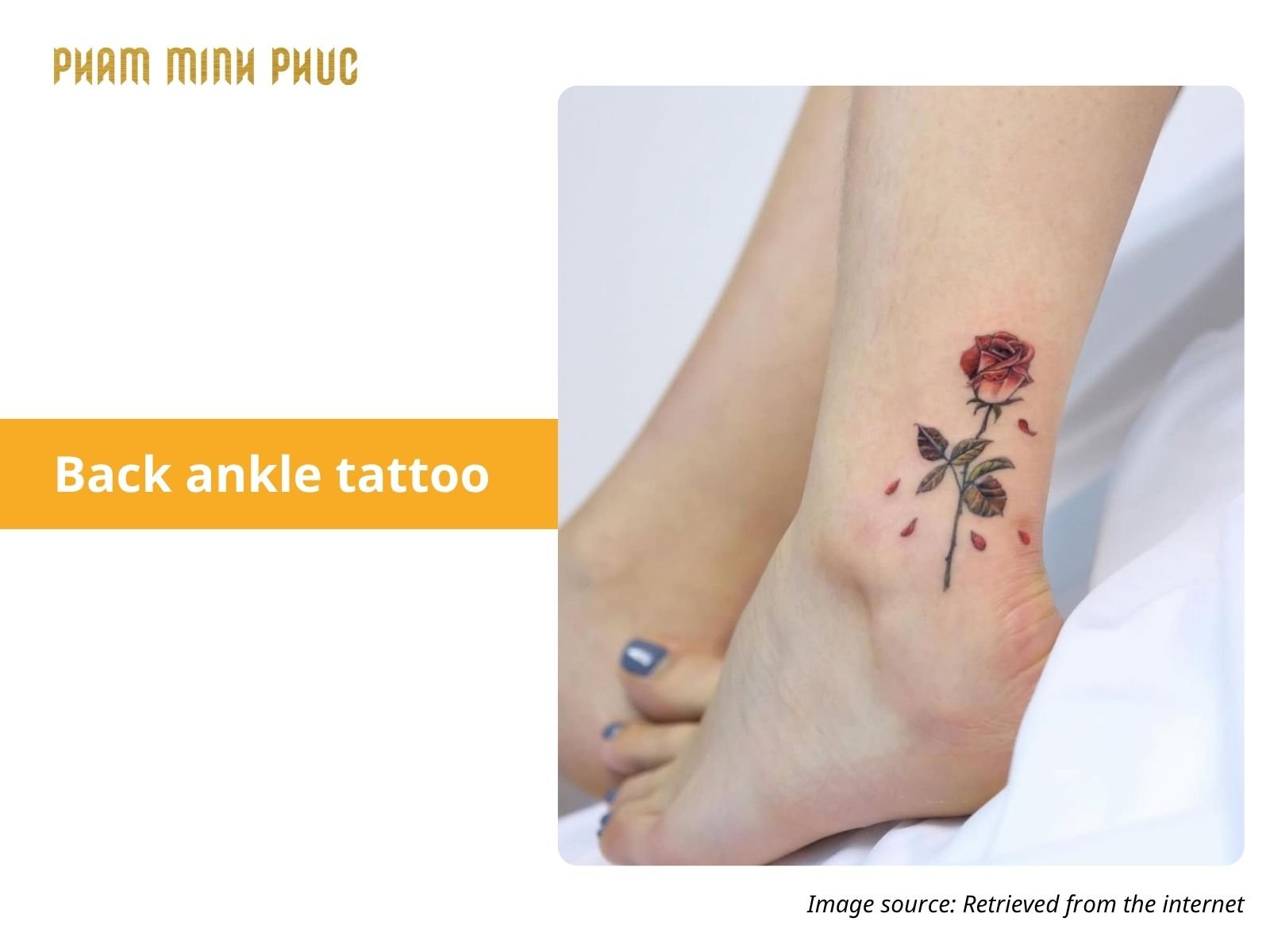
A back-of-ankle tattoo creates a narrow vertical focal point above the heel and along the Achilles area. The tattoo is mainly viewed from behind, which gives it a different visual effect from inner or outer ankle placements. A small piece can remain close to the heel, while a longer design can continue upward toward the lower calf.
Long florals, vines, short vertical script, ornamental linework, and small symbols can use this direction naturally without needing a wide canvas.
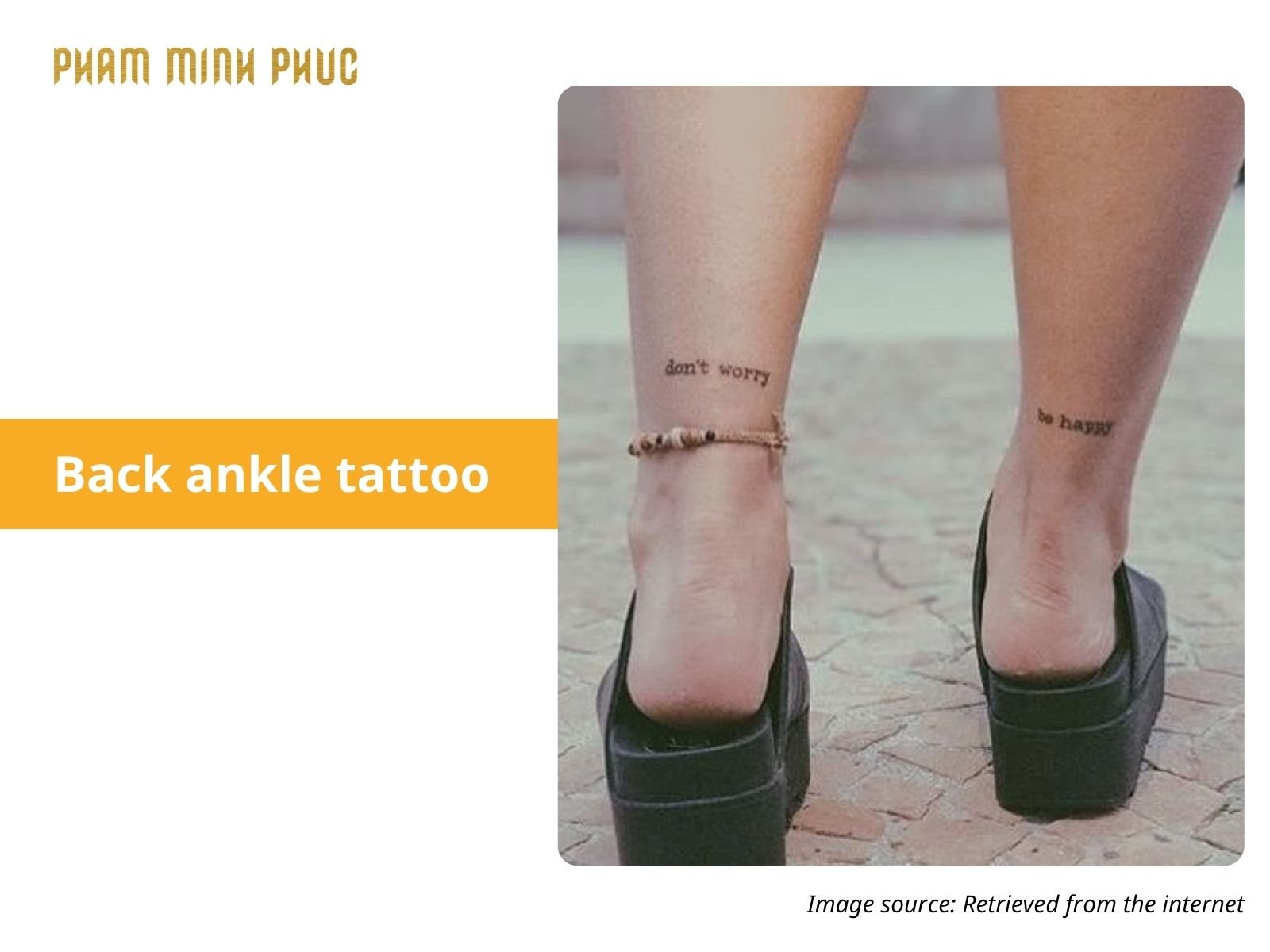
You should strictly select vertical design concepts rather than horizontal bands for this area. The Achilles tendon stretches and contracts intensely with every step you take. Vertical lines flow smoothly with this mechanical movement, whereas horizontal lines face constant physical stress that distorts the image and breaks the ink structure over the years.
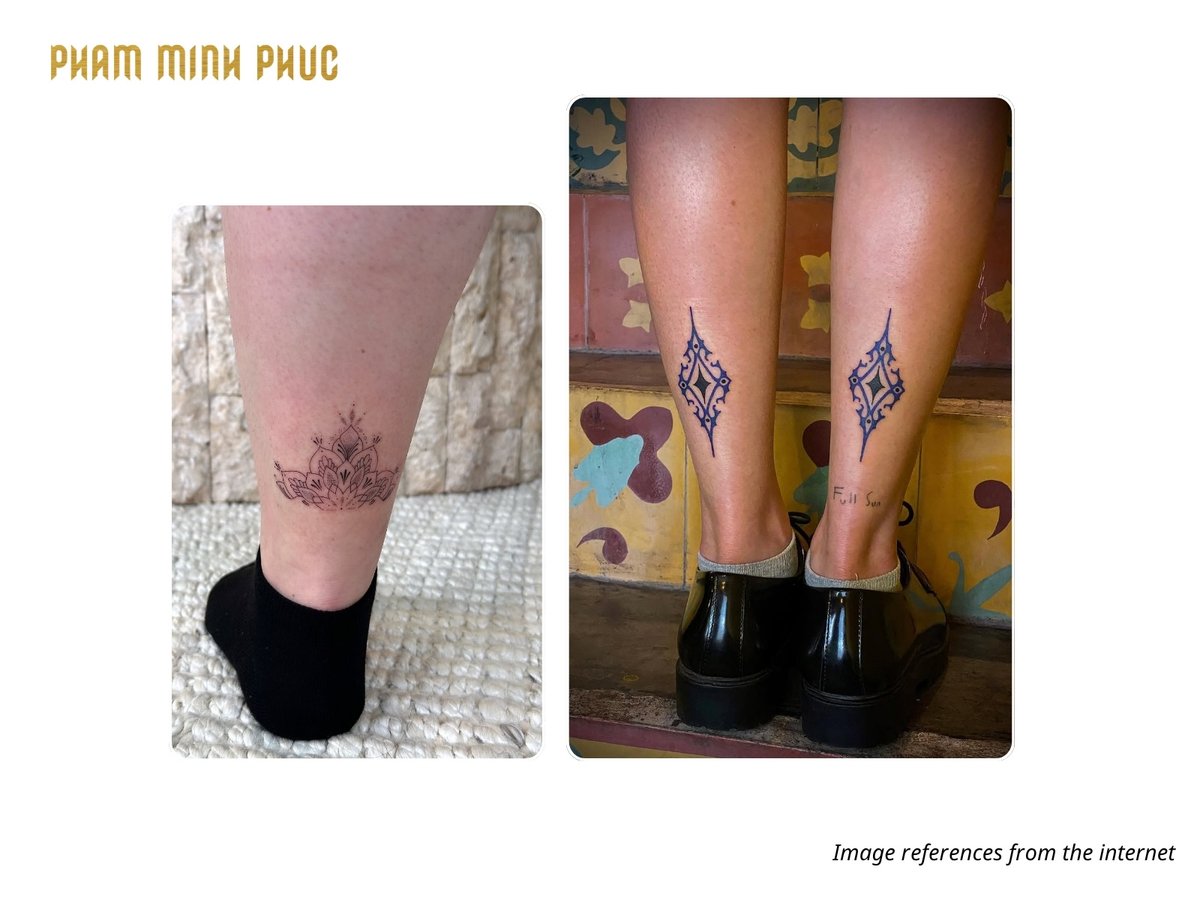
Your footwear should be considered before choosing the exact height. Shoes with high backs may sit directly across a low tattoo, while a slightly higher placement can move the design away from that contact point. A vertical composition often uses this narrow space efficiently, but the final direction should still follow your leg rather than being forced into a perfectly straight line.
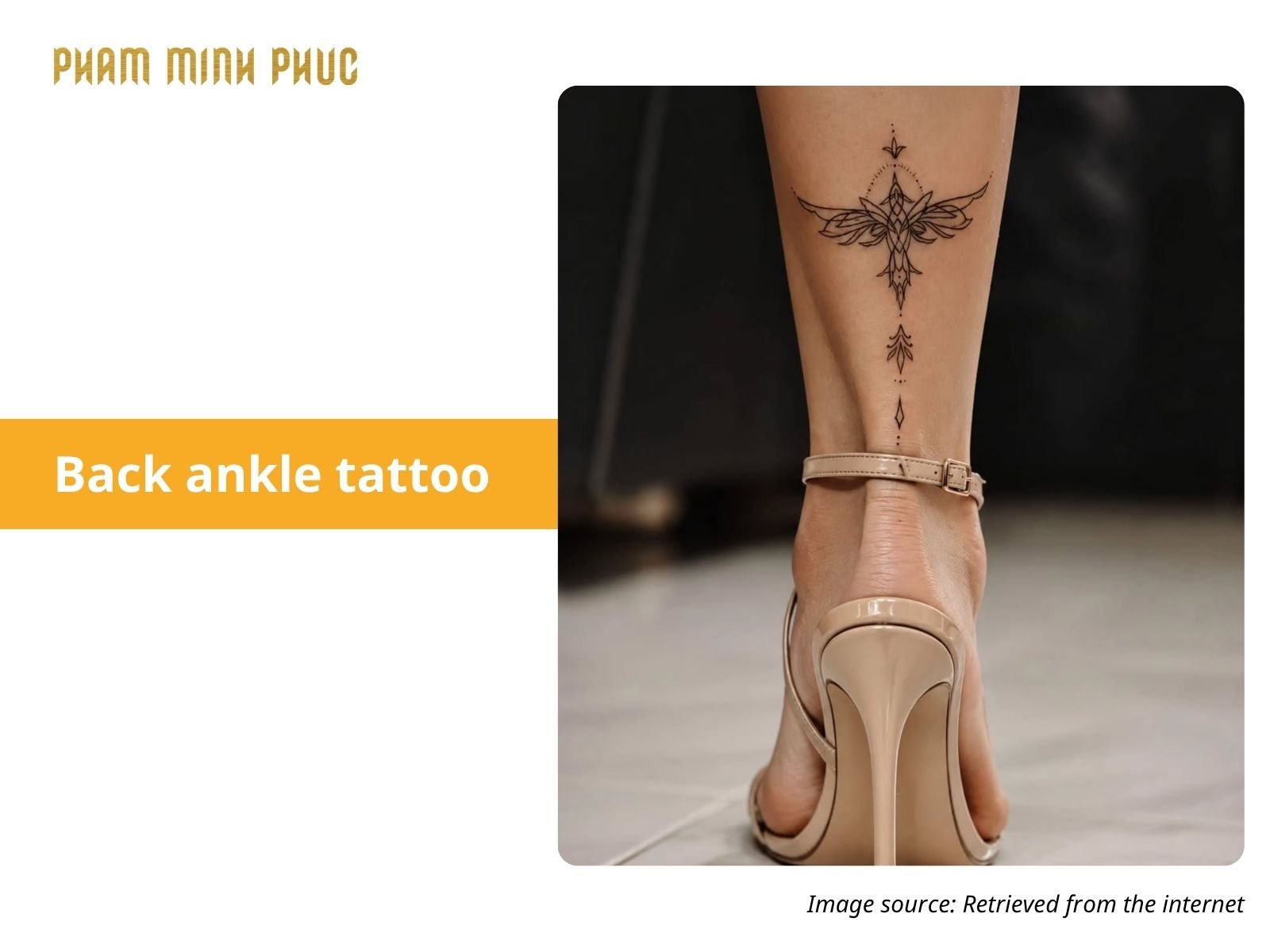
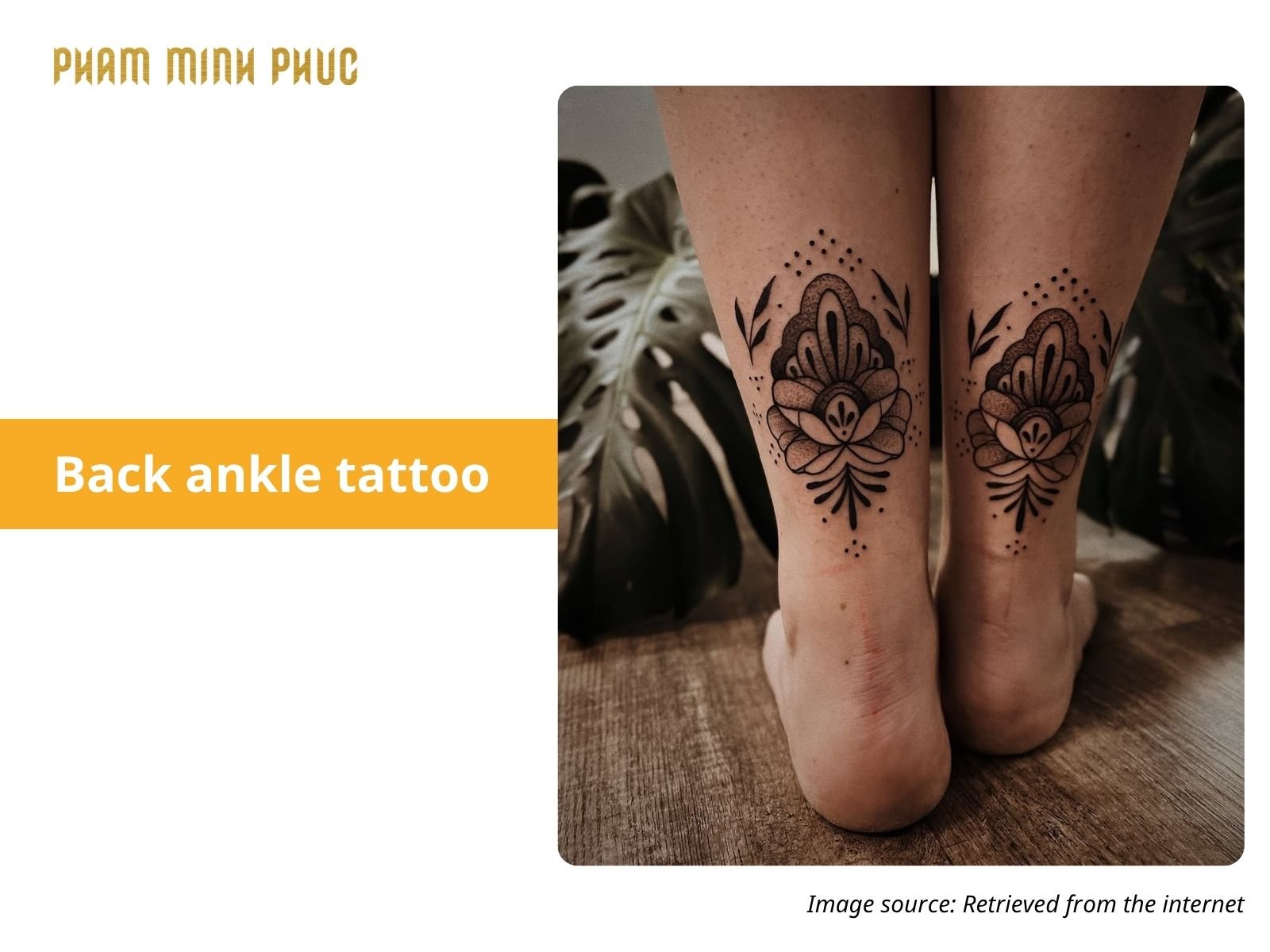
Above Ankle Tattoo Placement
Above ankle placement targets the lower calf muscle right before it tapers into the joint, offering a highly versatile and easily visible canvas. This fleshy area provides the most comfortable tattoo experience and the lowest pain level because the thicker muscle tissue effectively cushions the needle vibration. This heavily requested location features a tapered anatomy rather than a perfect mathematical cylinder.
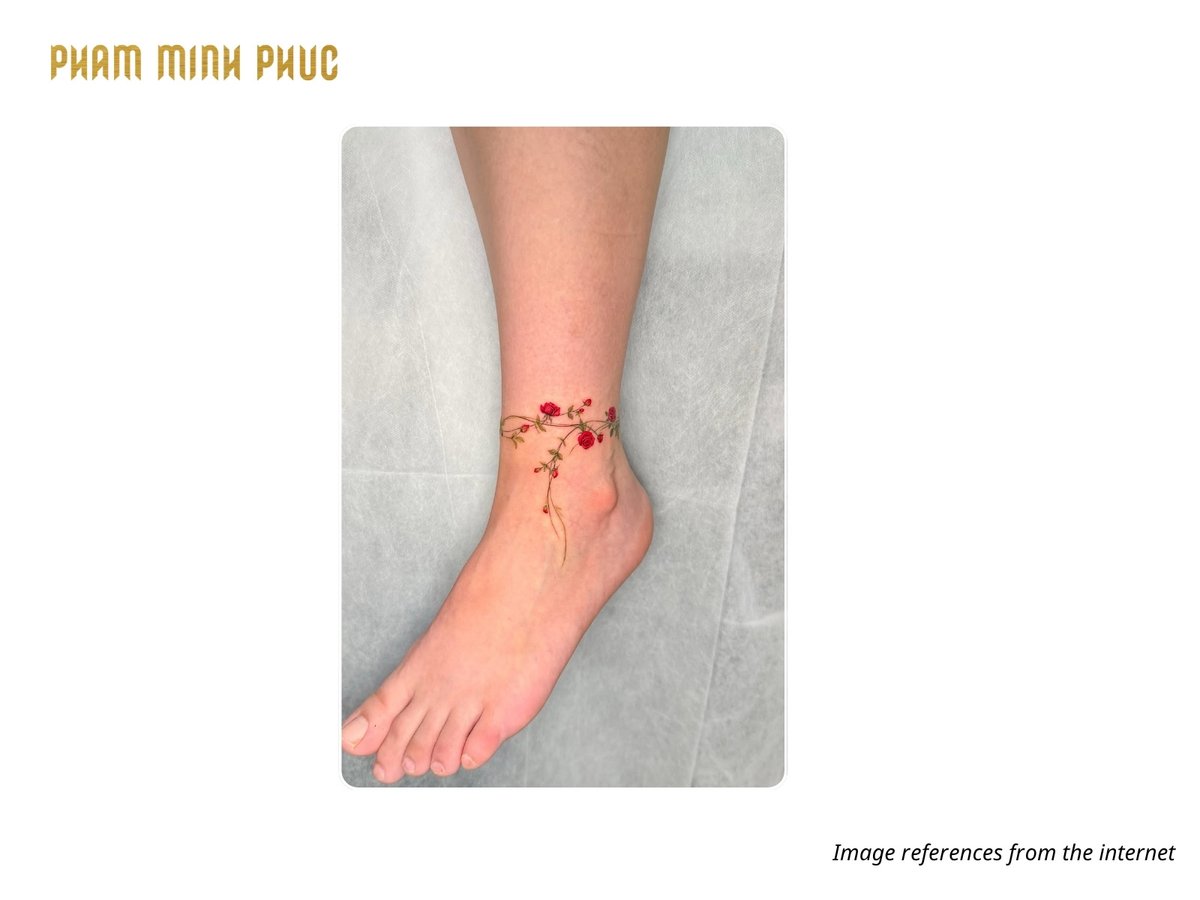
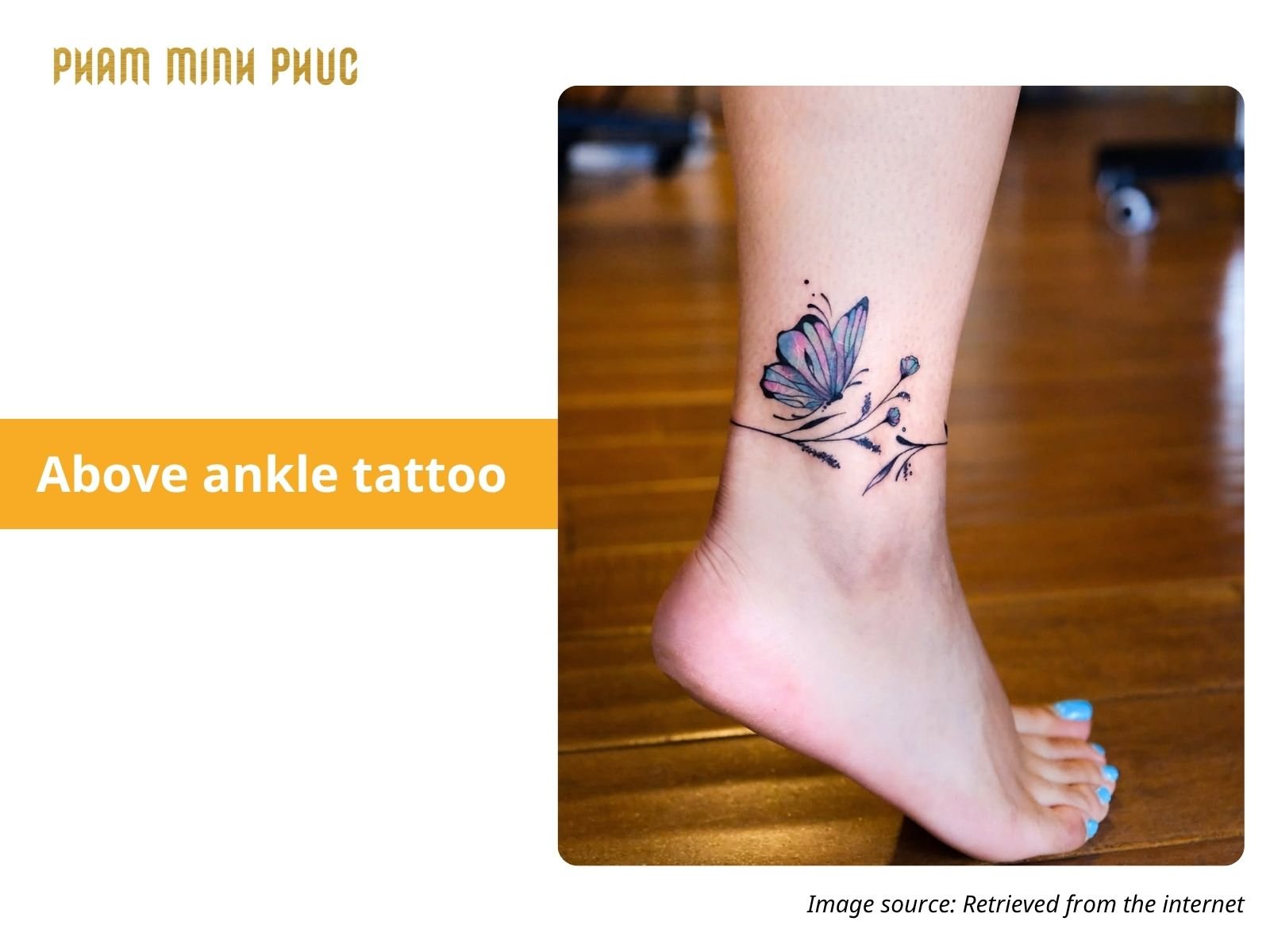
Anklet tattoos, decorative bands, vines, and other wraparound designs fit particularly well here because the artwork can follow the circumference of the lower leg without being concentrated directly over the ankle bone. You can keep the tattoo narrow like a piece of jewelry or extend it higher when the design needs more vertical space.
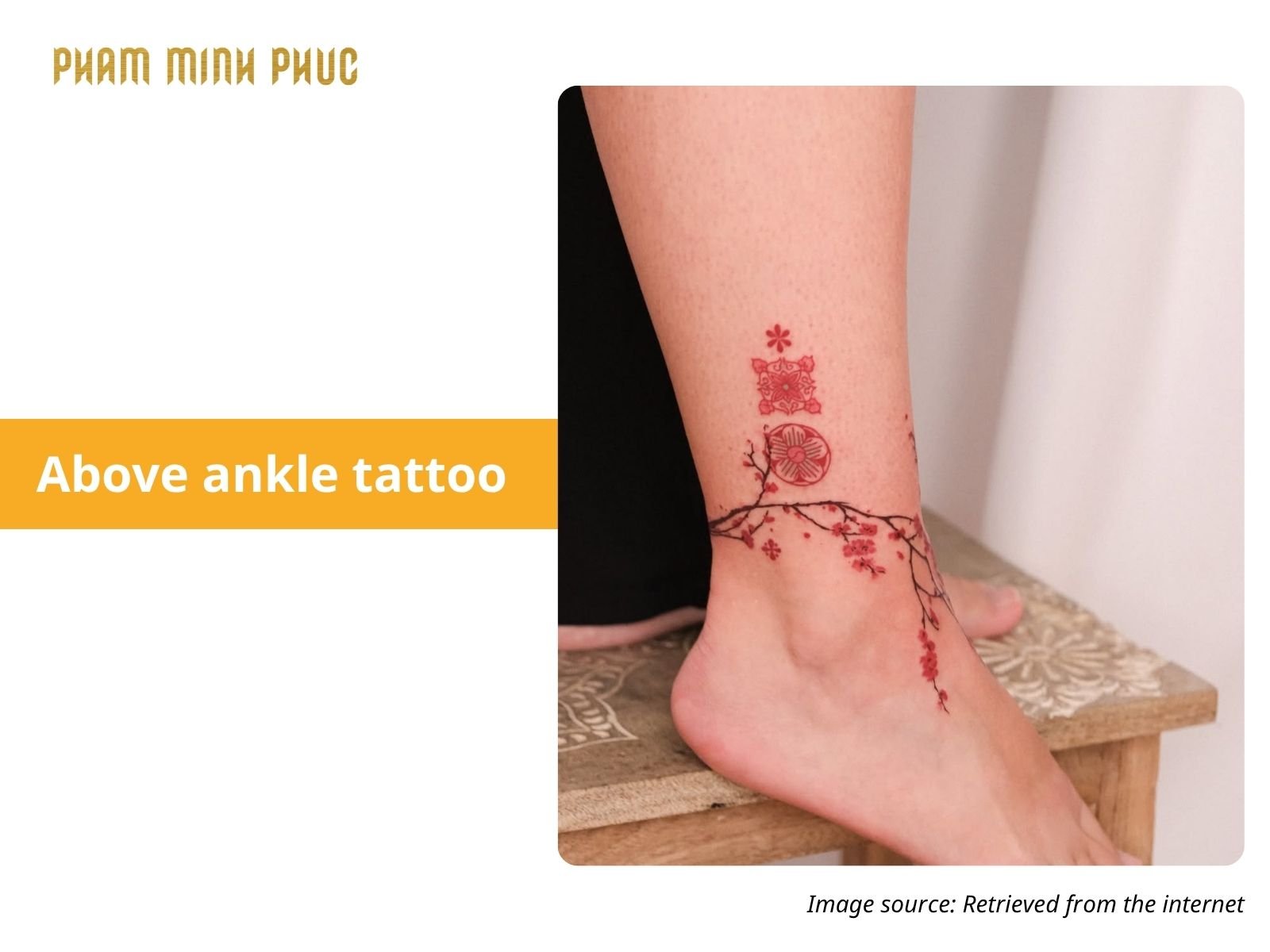
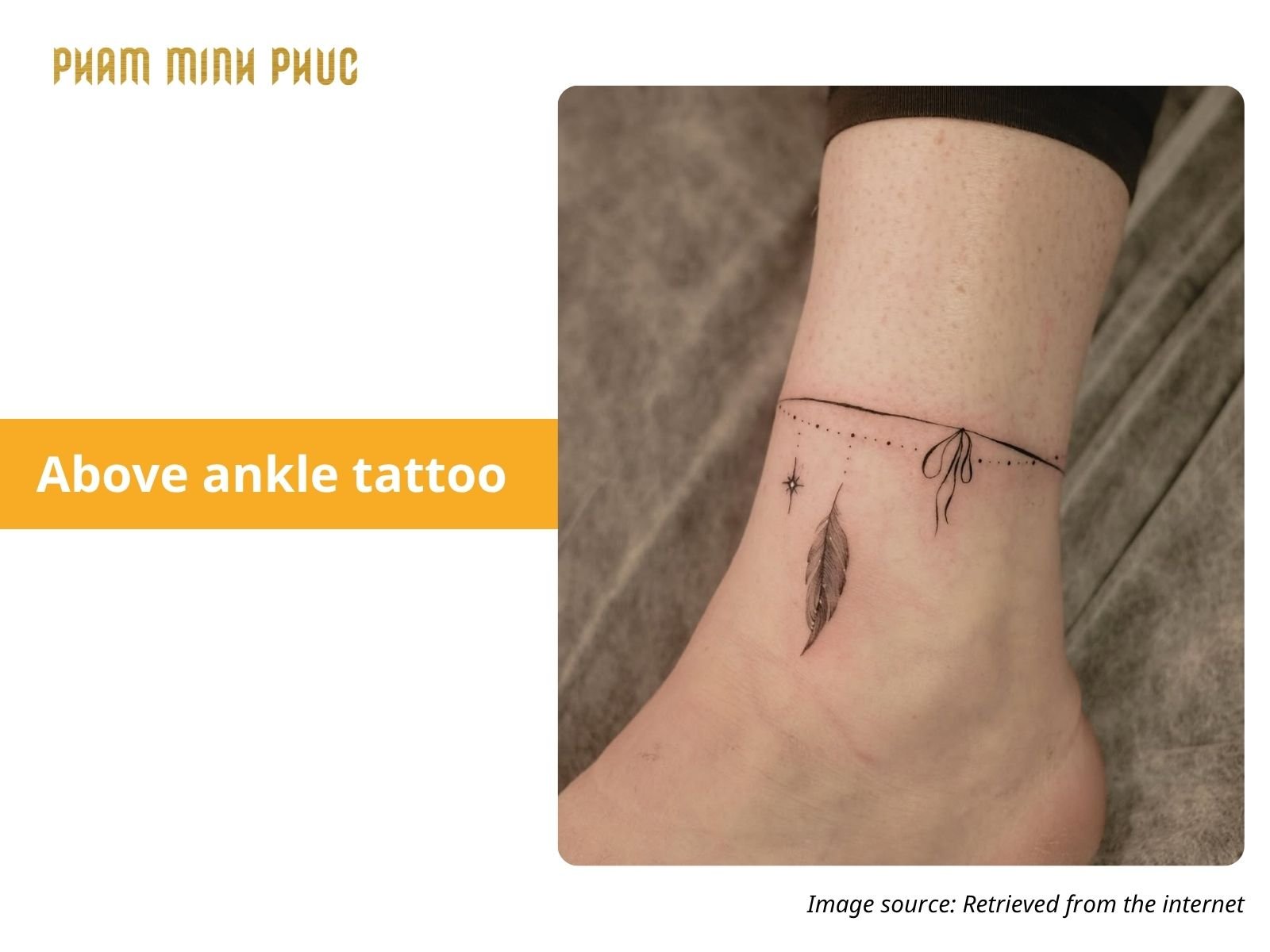
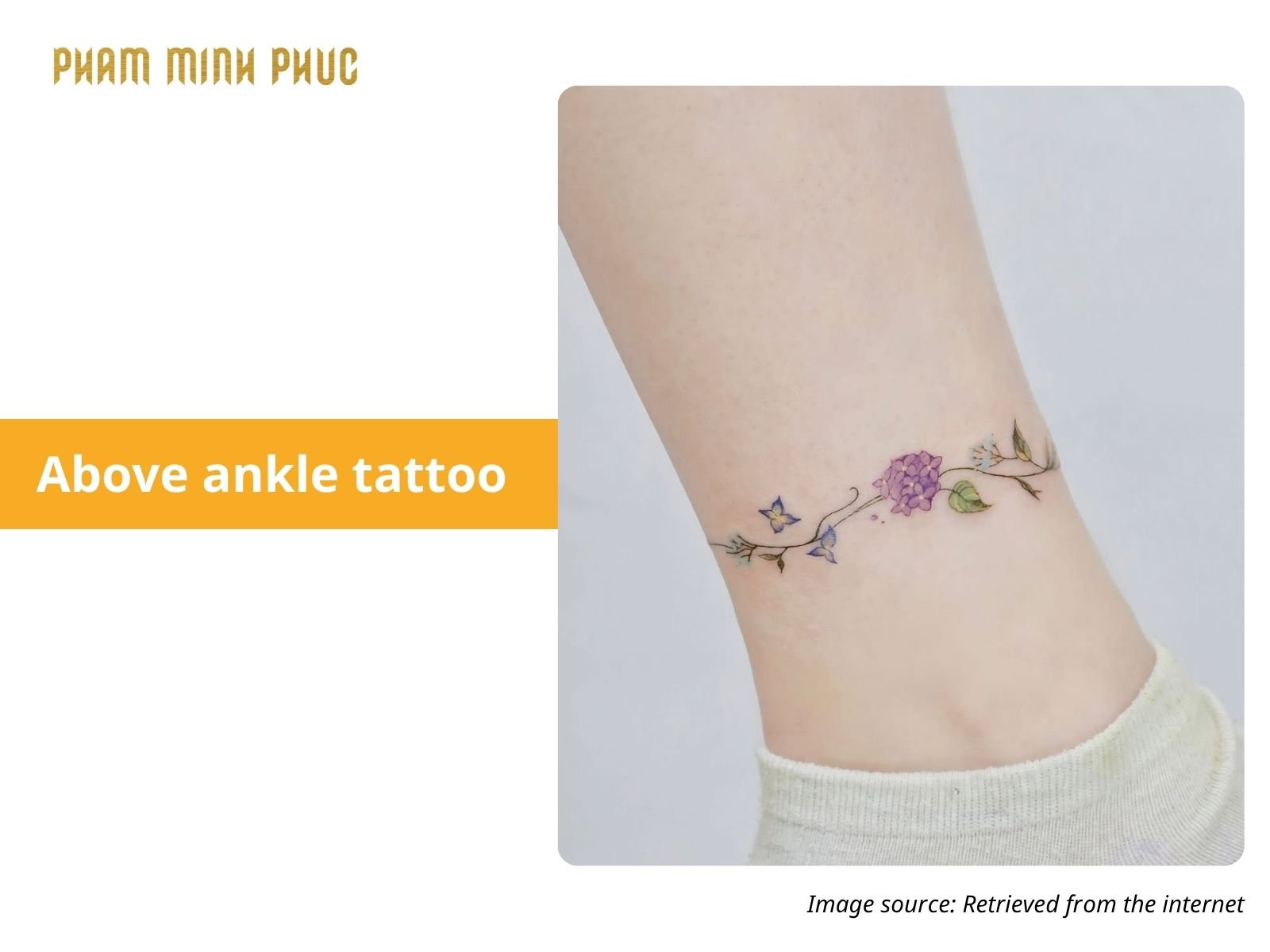
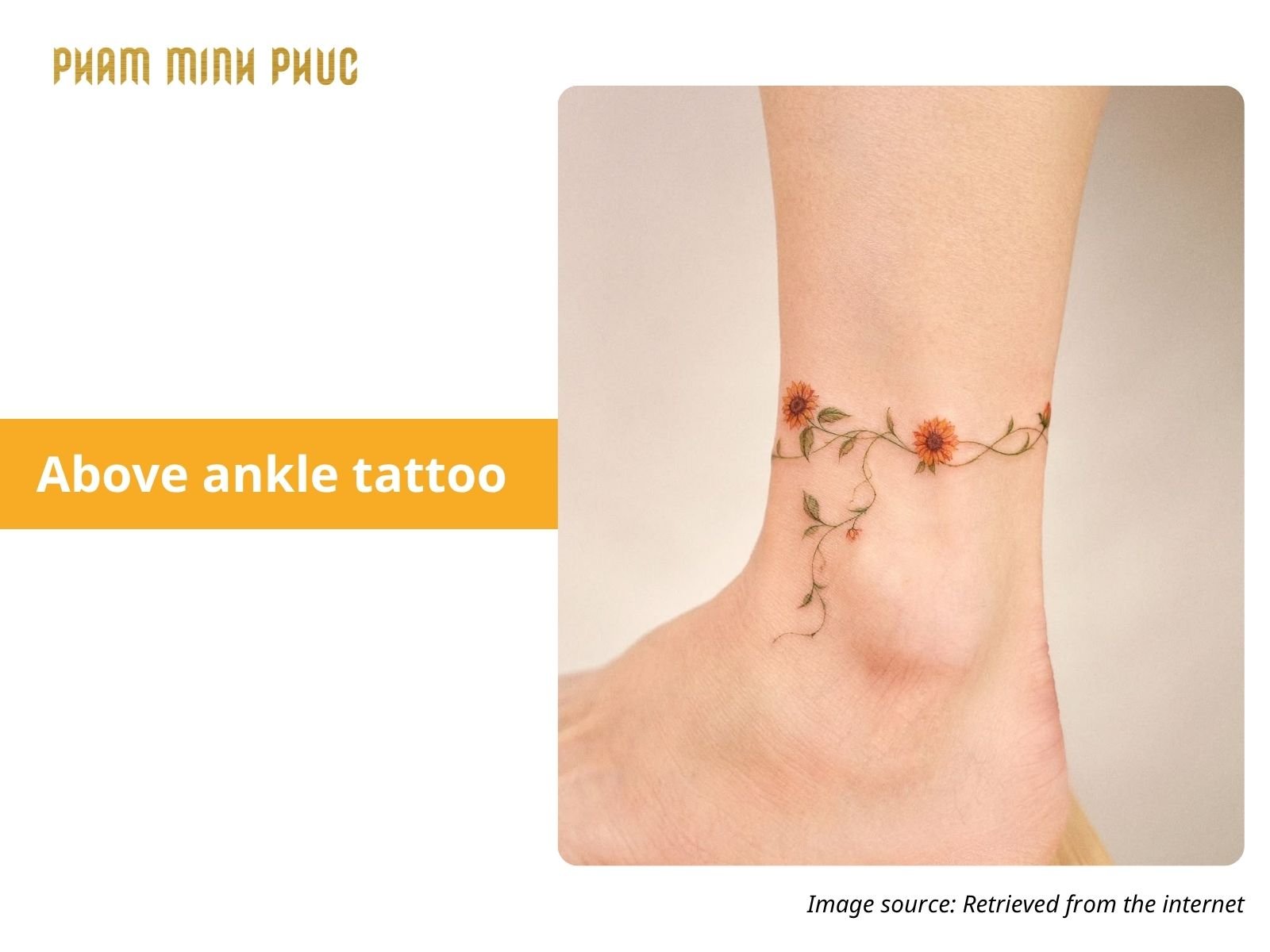
Moving the artwork above the joint can also make it easier to connect with a future leg tattoo placement if you later want to expand the composition.
Ankle-to-Foot Placement
An ankle-to-foot tattoo connects the lower leg with the top or side of your foot as one continuous design.
Florals, vines, ornamental patterns, snakes, and other directional artwork can move across the ankle instead of stopping abruptly at the joint.
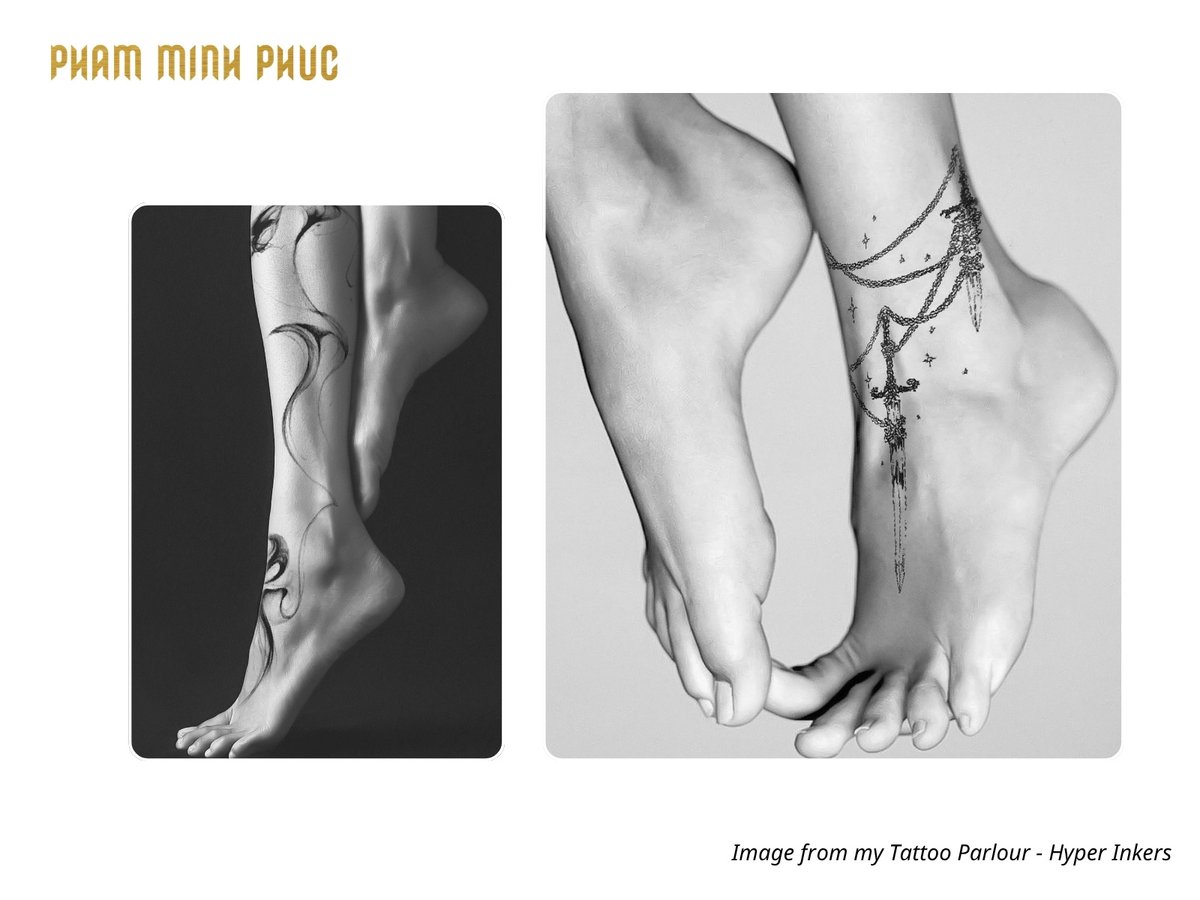
This placement gives you more space than a small standalone ankle tattoo, but the two surfaces have different shapes. The design needs to transition from the rounded ankle onto the flatter or angled surface of the foot without losing its main direction. A composition may begin above the ankle and taper downward, or use the foot as the main focal area with smaller elements extending up the leg.
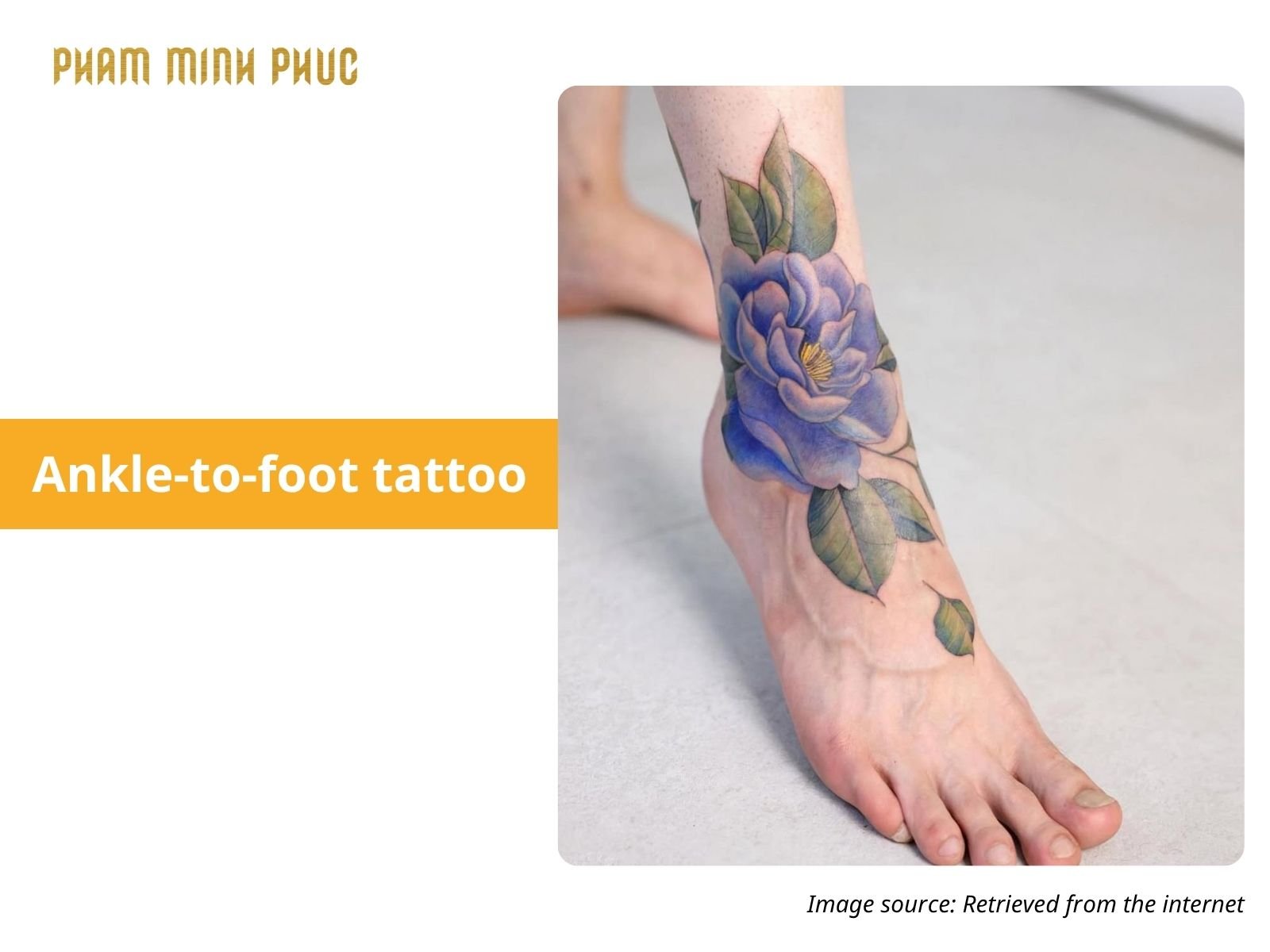
This expansive canvas demands high commitment because the dense nerve endings and complete lack of muscle padding create a severe pain level.
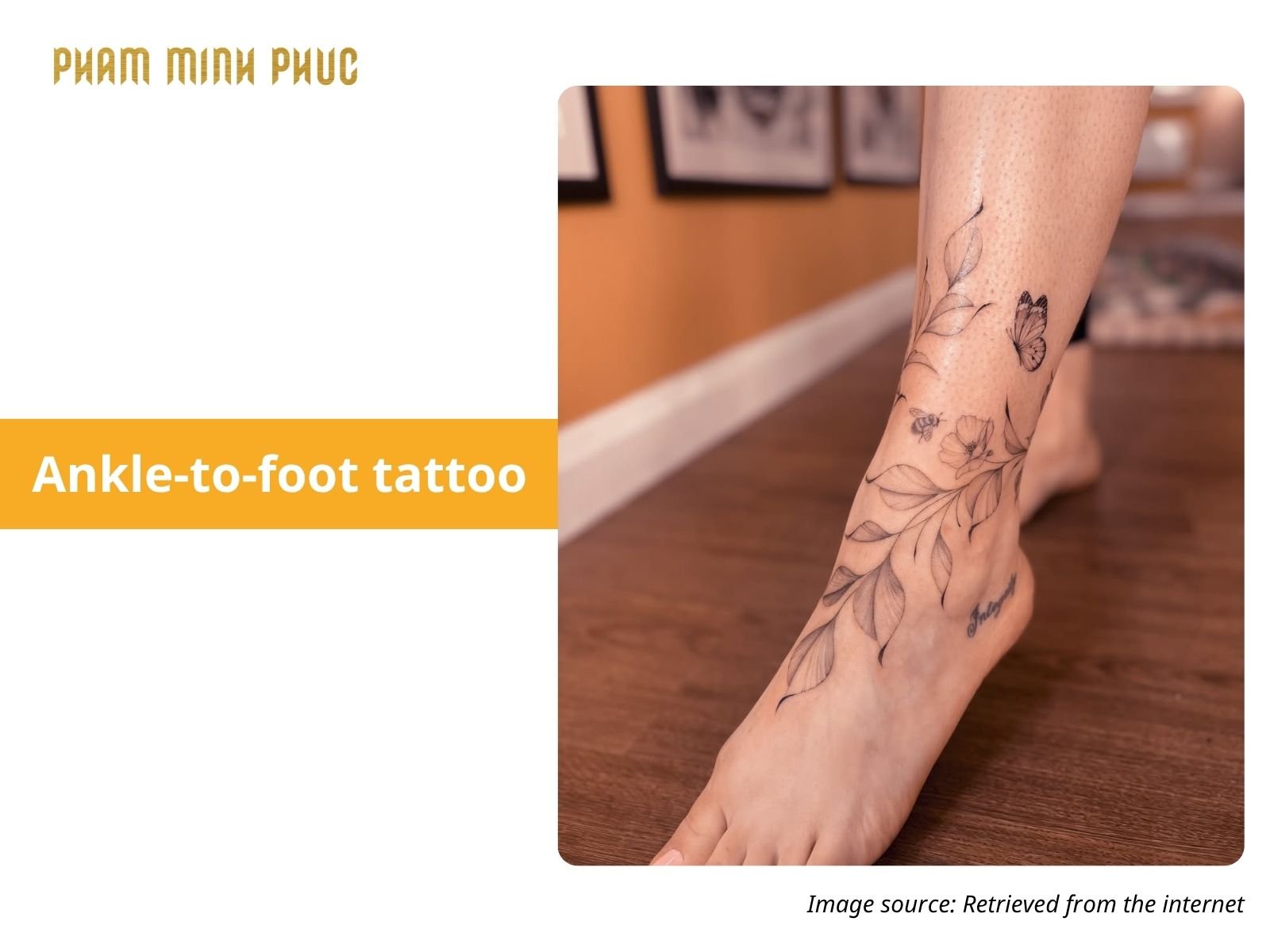
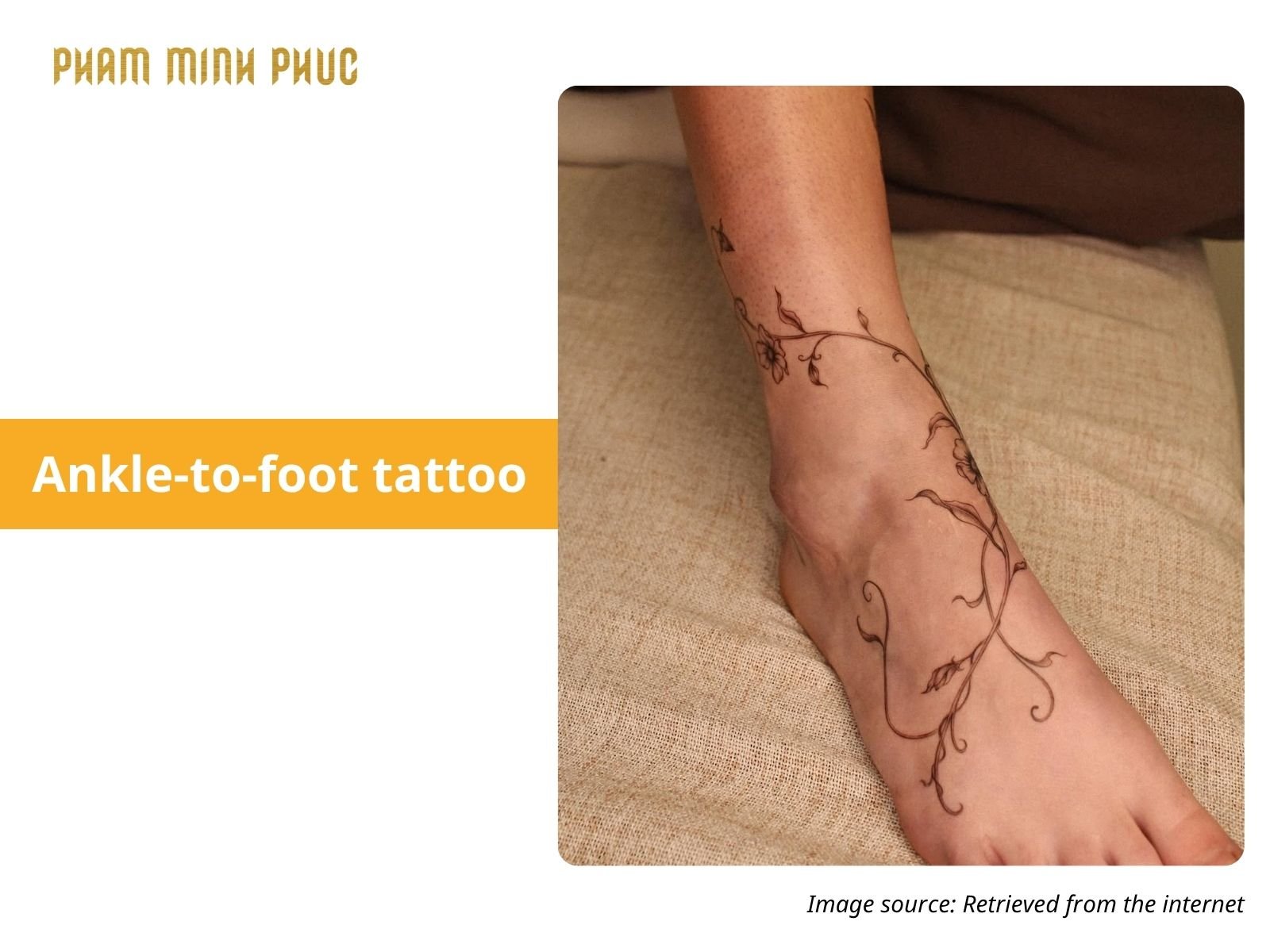
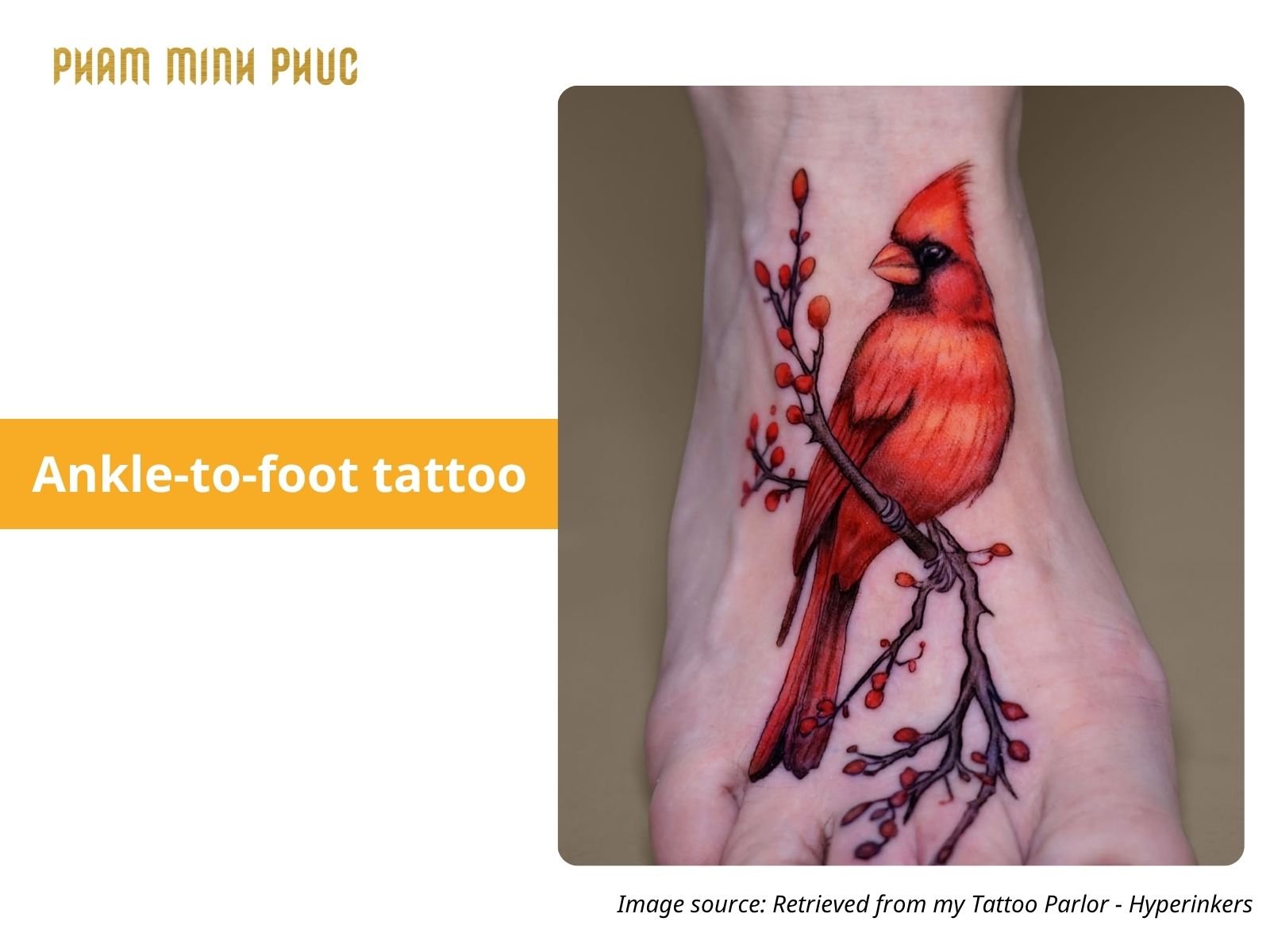
Shoes and socks become especially important because parts of the tattoo may sit directly beneath footwear during healing. If you are considering this type of composition, see my full foot tattoo placement guide for the different areas available on the foot.
How Painful Is an Ankle Tattoo?
You can expect an ankle tattoo to be around 7–8/10 in pain because much of the area has relatively little cushioning over the bone. You may feel sharper stinging and stronger vibration when the needle works close to the ankle bone. The sensation can also change as the tattoo moves between the side of the ankle, the back near the Achilles area, and the transition toward the foot.
If your tattoo is small, the session may be relatively short even though the area feels sensitive. Larger designs, wraparound pieces, or ankle-to-foot tattoos can become more tiring because the artist needs to work across a wider section of the joint.
Your pain tolerance also matters. Two people getting tattoos in the same ankle area can experience the session differently, so the 7–8/10 range should be treated as a general reference rather than an exact personal score.
What Tattoo Designs Work Well on the Ankle?
Tattoo designs that work well on the ankle are usually compact, directional, or shaped to follow the curve of the lower leg.
- Fine-line florals are a common choice because stems and leaves can follow the ankle vertically or curve around the joint without requiring a large canvas.
- Small symbols, initials, dates, stars, hearts, and minimalist illustrations fit well when you want the tattoo to remain subtle.
- Ornamental designs can use the natural circumference above the ankle to create anklet-style or wraparound compositions. These designs may remain narrow like jewelry or extend upward when more detail is needed.
- Vines, snakes, and other flowing subjects can work well for ankle-to-foot tattoos because the design can continue across the joint instead of being restricted to one small area.
For more detailed illustrative work, make sure the tattoo has enough space for the important lines and shapes to remain readable. Very small designs with too many details can become visually crowded on the ankle.
How to Choose the Right Ankle Tattoo Placement?
You should choose an ankle tattoo placement based on the size of your design, how visible you want it to be, where your shoes and socks sit, and whether you may expand the tattoo toward your foot or lower leg later.
- If your design is very small, placing it near a clear anatomical point such as the inner ankle, outer ankle, or back of the ankle can make it feel more intentional than leaving it isolated in a larger open area.
- If you prefer a subtle tattoo, consider how the design looks from normal standing angles rather than only how easy it is to cover. The inside of the ankle is less exposed from many side views, while designs placed farther outward become part of the visible outline of your lower leg.
- If you may extend the tattoo later, think beyond the first design. A piece above the ankle can connect upward into the lower leg, while an ankle-to-foot design can continue downward across the joint.
Women often choose the inner ankle, back of the ankle, or slightly above the joint for fine-line florals, small symbols, ornamental bands, and other compact designs. The outer ankle and ankle-to-foot area can work well when you want the tattoo to be more visible or need more space for the composition.
You should also check where your everyday footwear touches your ankle. A shoe edge, sock band, or boot may sit directly over certain placements, which can affect comfort during healing and how often the tattoo experiences friction afterward.
How Does an Ankle Tattoo Heal?
An ankle tattoo usually goes through the same main healing stages as tattoos on other body areas, but walking, shoes, socks, and swelling can make the first part of healing less comfortable. You may notice temporary swelling or tightness around the ankle after the session, especially if you spend a lot of time standing or walking. If movement increases soreness, reduce unnecessary walking and give the area more time to rest.
Footwear is one of the main practical concerns during healing. You have to avoid shoes or socks that rub directly across the fresh tattoo, and choose looser options when possible until the skin is no longer irritated by contact.
If you have a tattoo on the back of your ankle or extending toward your foot, you should pay extra attention to the areas where your shoes usually come into contact with your skin. Repeated friction from your shoes can irritate the healing surface, even when your tattoo is relatively small. When you clean your tattoo, you should use lukewarm water and gently wash the area instead of scrubbing it. You should also follow the dressing, cleaning, and moisturizing instructions that your tattoo artist provides.
Read my detail tattoo aftercare guide
Ankle Tattoo Placement FAQs
Is the Ankle a Good Place for a First Tattoo?
Yes, the ankle can work for a first tattoo if you are comfortable with a relatively sensitive placement and choose a design that does not require a very long session.
Ankle pain is generally around 7–8/10 in the pain framework used in this guide, so it may feel more intense than fleshier areas such as the outer thigh. A small design can still make the overall session easier to manage because less skin needs to be tattooed.
Prefer a less sensitive area? Explore our thigh tattoo placement guide.
When Can You Wear Socks After an Ankle Tattoo?
You can wear socks once they no longer rub, stick to, or irritate the healing tattoo. During the early healing stage, avoid tight elastic bands or fabric that sits directly across the fresh area. If you need to wear socks, choose a loose option that does not press against the tattoo and follow your artist’s aftercare instructions.
Do Ankle Tattoos Fade Quickly?
Ankle tattoos do not automatically fade quickly. However, shoes and socks can cause repeated friction, and sunlight can affect the tattoo over time. The tattoo’s placement can also affect its appearance. A tattoo near a shoe edge can experience more rubbing than a tattoo positioned slightly higher above the ankle.
After the tattoo heals completely, sun protection can help preserve its appearance over time. Protecting the exposed skin from strong sunlight can also help maintain the tattoo’s color and overall appearance.
What Are Popular Ankle Tattoo Placements for Women?
Popular ankle tattoo placements for women include the inner ankle, outer ankle, back of the ankle, and the area slightly above the joint.
The inner and back of the ankle are often chosen for small florals, fine-line symbols, initials, and vertical designs. The area above the ankle gives ornamental bands and wraparound tattoos more space, while the outer ankle provides a more visible side-facing position.
Does Ankle Tattoo Placement Have a Specific Meaning?
An ankle tattoo placement does not have one universal meaning. The meaning usually comes from the design itself and the reason you chose it. Some people select the ankle because they want a tattoo that can stay relatively discreet, while others use the area for decorative artwork that follows the shape of the lower leg.
Should You Get a Ankle or Wrist Tattoo?
Both locations share similar canvas size and visibility levels, but they age and heal differently. The ankle endures constant friction from socks and shoes, which accelerates ink fading and extends the initial healing window compared to the wrist. The wrist faces more daily sun exposure on the outer surface, meaning UV degradation hits faster on that side. Pain tolerance is comparable between the two, though the ankle bone prominence makes the inner ankle sharper than anything on the wrist.
- If concealment matters more than longevity, the ankle wins.
- If daily visibility is the priority, wrist tattoo placement offers more consistent display without the footwear variable.
See More: Full guide about tattoo placement to discover the best spot for your design, pain tolerance, and long-term aesthetic goals.
A few centimeters around the ankle can noticeably change how your tattoo looks. The same design can feel more discreet on the inner ankle, more visible on the outer side, more vertical behind the heel, or more decorative when it wraps above the joint.
Before you approve the stencil, look at the design while you are standing naturally and check where your usual shoes and socks sit. Your tattoo should have enough space for its important details while still working with the shape of your ankle and your daily routine.
If you are planning a fine-line, ornamental, floral, or connected ankle tattoo, I can help you compare the placement options and position the design around the natural shape of your ankle before the tattoo begins.