Finger tattoo placement demands absolute commitment to a high-maintenance and fully visible aesthetic. Creative professionals utilize this prominent anatomical location to showcase minimalist symbols, heavy script, and ornamental dotwork directly on the digits. The physical layout features distinct micro-zones including the stable top surface, the discreet inner side, and the highly regenerative palm area.
Constant mechanical friction and rapid skin shedding actively destroy delicate ink structures over time. The thin skin covering the knuckles frequently triggers pigment blowouts, while the palm side rejects ink almost entirely. Additionally, daily hand washing creates a severe hygiene paradox that complicates the critical healing phase. I, Minh Pham, authored this guide to detail the mandatory touch-up reality, the optimal high-contrast styles, and the strict aftercare rules necessary for hand tattoos in the sections below.
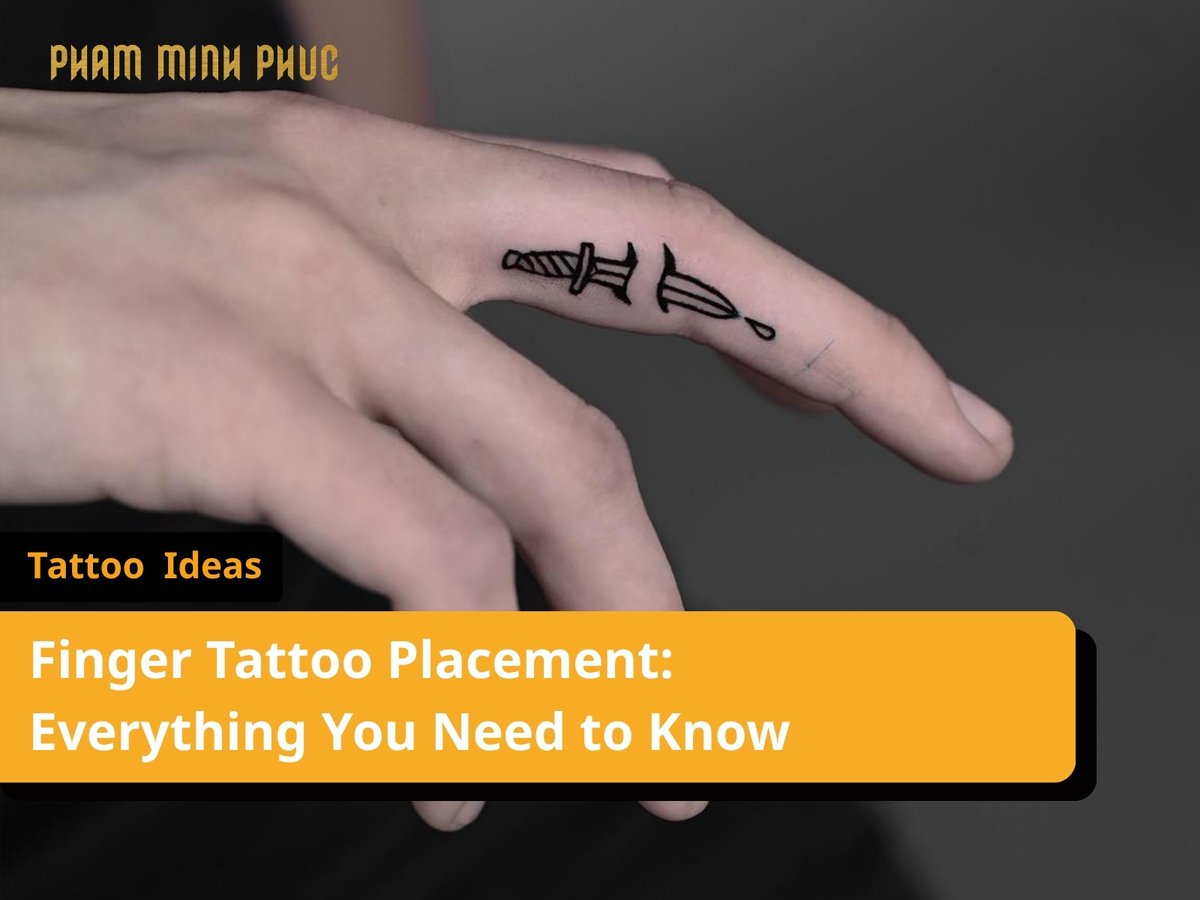
Table of Contents
Who is a Finger Tattoo Suitable For?
A finger tattoo suits specific individuals who prioritize meaningful expression over absolute technical perfection. You must evaluate your career path and your tolerance for long-term ink evolution before committing to this high-maintenance area.
- The Dedicated Collector: This placement serves the dedicated collector who views body art as an ongoing journey. These individuals understand the biological complexities of hand healing and accept the necessity of a regular tattoo touch-up to refresh fading pigment. If you already possess visible ink and appreciate the natural aging process of tattoos, the fingers offer a sophisticated addition to your collection.
- The Non-Corporate Creative: Finger tattoos function as a permanent job stopper placement because they remain impossible to conceal during professional interactions. This location is ideal for creatives, entrepreneurs, or freelancers whose industries celebrate 100% visible self-expression. You should only select this zone if your career trajectory allows for prominent, unhideable artwork on your hands.
- The Realistic Minimalist: You must avoid this placement if you expect your lines to remain as crisp in year five as they appeared on day one. Due to constant skin movement and friction, some ink fallout is a biological certainty rather than a possibility. You should only proceed if you truly embrace a lived-in aesthetic, where the natural thickening and softening of the lines add character to the piece over time.
Main Finger Tattoo Placement
The main finger tattoo placement divides the digit into sections based on skin thickness and daily mechanical use. Each zone reacts differently to the tattooing process and requires specific design considerations to ensure the ink remains legible.
Tops of the Fingers
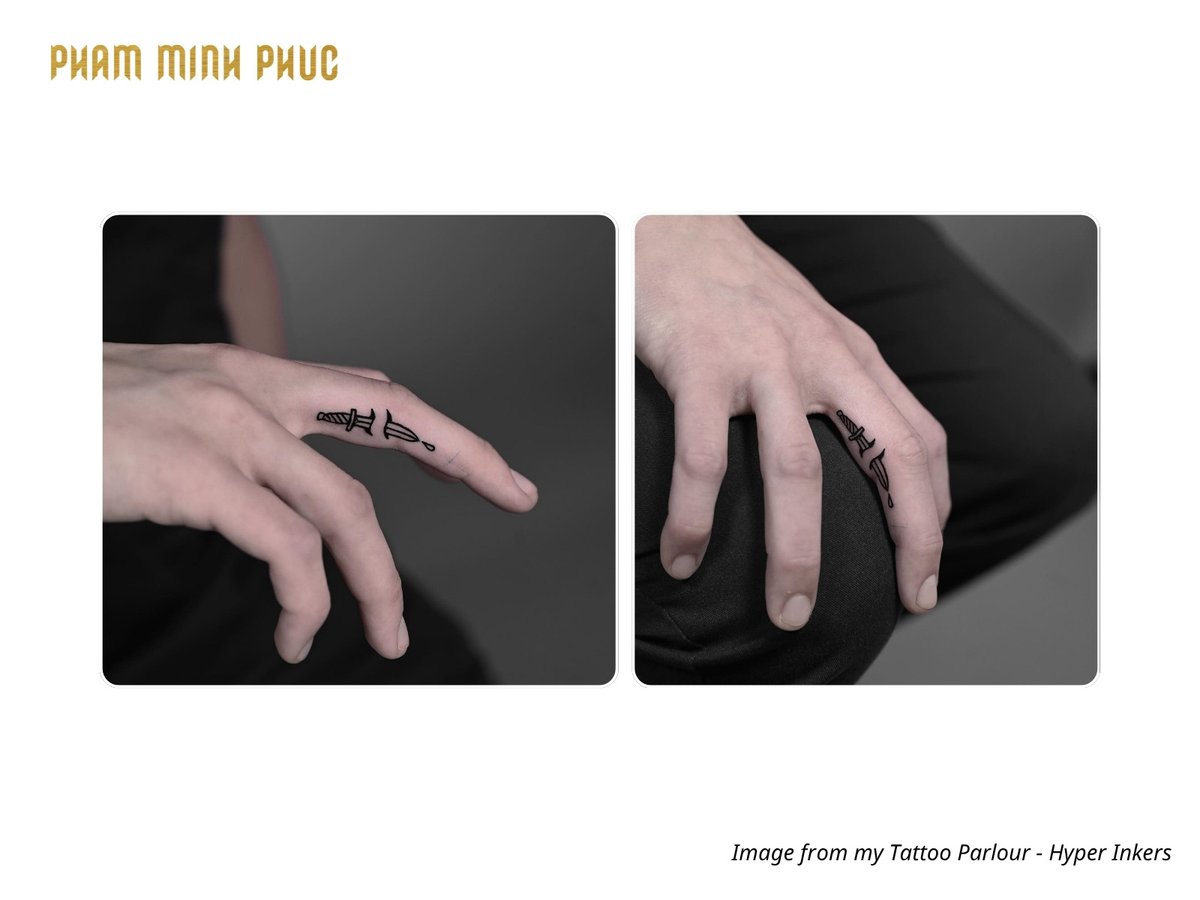
The tops of the fingers offer the most stable surface for longevity because this skin experiences less friction than the palms. This placement allows designs to sit directly above the phalanges with minimal spreading over time. You should choose this zone if you want your artwork to maintain crisp lines for the longest possible duration. Placing designs specifically between the knuckles ensures the ink remains clear despite constant digit movement.
Inner / Side of the Finger
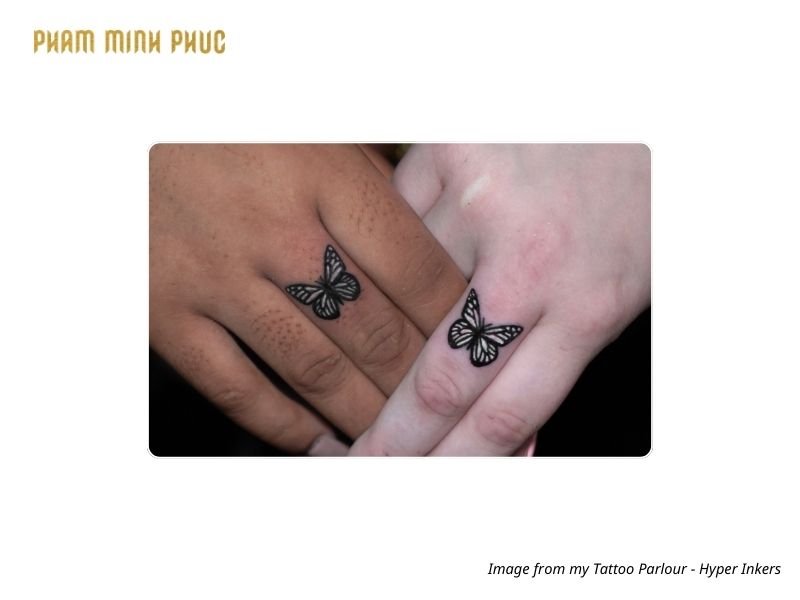
The inner or side of the finger provides a discreet canvas for secret messages or delicate symbols. This placement remains hidden when your hand is in a relaxed position, offering a high level of professional privacy. You must anticipate faster fading in this zone due to constant contact with adjacent fingers. Bold line work is essential here to counteract the natural dispersion of ink caused by moisture and friction.
The Palm Side of the finger
The palm side of the fingers represents the most challenging anatomical zone for pigment retention. This skin contains a different texture and higher regeneration rate, leading to significant ink fallout within weeks. You should expect the design to look faded or incomplete as the body naturally sheds these thick skin layers. Most artists recommend against complex imagery on the palm-facing surface to avoid a messy, blurry final result.
Which Tattoo Styles Work Best on Fingers?
Tattoo styles on fingers must prioritize structural integrity over intricate detailing to combat the natural ink dispersion found on the hands. The constant movement of the digits and high skin regeneration rate will inevitably blur delicate details into a messy smudge over time. Choosing a style with high contrast and clear boundaries ensures your artwork remains legible for years rather than months.
- Bold Fine-line: Standard fine-line work often disappears or blows out on thin finger skin. Selecting a slightly thicker line weight ensures the design remains crisp while maintaining a sophisticated, minimalist aesthetic.
- Minimalism: Simple symbols, tiny geometric shapes, and high-contrast icons deliver the most reliable results. These clean structures resist the natural spreading of ink and age much better than complex imagery.
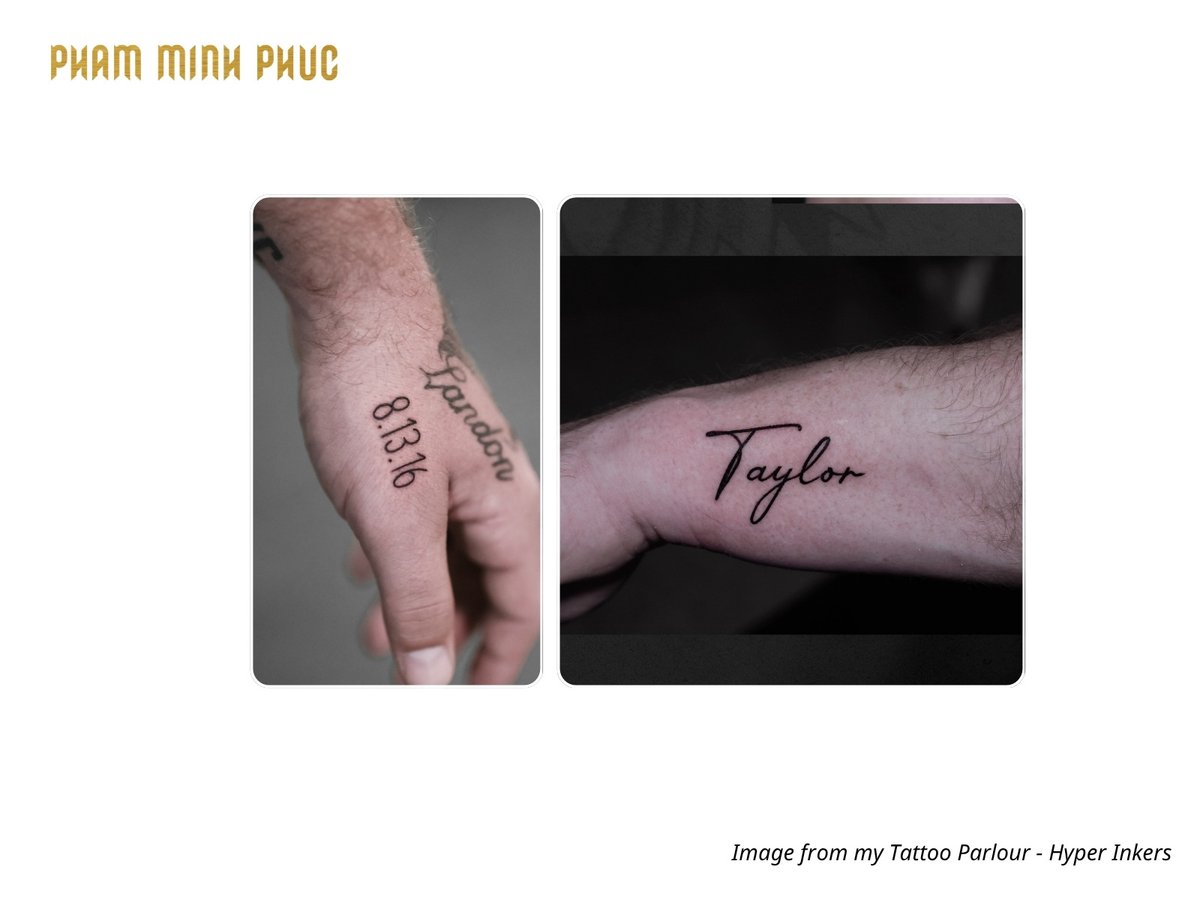
- Heavyweight Script: Single-word designs or initials work best when utilizing bold, sturdy fonts. You should avoid delicate cursive or thin calligraphy because the tight loops will likely fuse together during the healing process.
- Ornamental Dotwork: Small-scale dot patterns following the natural curve of the finger mimic the look of fine jewelry. This style ages gracefully because individual dots can soften without ruining the overall shape of the piece.
You should avoid hyper-realistic portraits or dense, multi-tonal shading on such a small canvas. These technical styles require a level of skin stability that the fingers simply cannot provide. Sticking to the styles listed above guarantees a professional result that respects the biological limitations of your hand anatomy.
Popular Finger Tattoo Ideas
Popular finger tattoo ideas utilize the vertical space of the digits to create meaningful, accessory-like art. Minimalist dates, single-word script, and tiny celestial symbols remain top choices for the top surface. Many clients select ornamental vines that wrap partially around the finger to mimic jewelry. Tiny animal silhouettes or spiritual icons provide a powerful statement while maintaining the subtle nature of the placement.
Tattoo Aftercare and Healing Tips for Fingers
Tattoo aftercare for fingers demands extreme diligence because your hands interact with countless bacteria-laden surfaces daily. You must wash the area three times a day with fragrance-free antibacterial soap and lukewarm water. Apply a microscopic layer of ointment to prevent over-moisturizing, which traps bacteria and hinders healing. Minimize friction from tight gloves, keyboards, and pockets during the first two weeks to ensure the ink settles correctly into the dermis.
The hygiene paradox presents a major challenge during this phase. You must wash your hands for health, but over-washing with harsh soaps will leach the ink before the wound closes. Using thin plastic gloves when performing chores like washing dishes or handling chemicals protects the pigment from premature fading during the first seven days.
How long does a finger tattoo take to heal?
A finger tattoo takes approximately two weeks to heal superficially, but the deeper tissue requires up to 2 months to fully stabilize. You will experience peeling and localized swelling more intensely than on other body parts. Constant hand movement can prolong this process, so you should keep your digits relaxed during the first week to prevent the skin from cracking and losing pigment.
Discover relevant tattoo placements by exploring our hand tattoo guide for ideas that build naturally from finger tattoos.
FAQs about Finger Tattoo
Why Finger Tattoos Fade So Fast?
Finger tattoos fade quickly because hand skin regenerates much faster than skin on the rest of the body. Constant hand washing, sun exposure, and mechanical friction from daily chores accelerate the breakdown of ink particles. The high density of sweat glands on the hands also creates a moist environment that encourages the ink to disperse. You should anticipate a touch-up session within the first year to restore the original sharpness of your design.
Will a Finger Tattoo Affect Your Career?
A finger tattoo impacts your career path depending on the cultural norms of your specific industry. This high-visibility placement is difficult to hide during interviews or client meetings, making it a public commitment. Many creative and tech industries accept hand tattoos as standard self-expression, but conservative legal or financial sectors may still uphold strict dress codes. You should research your target industry’s policies to ensure your ink does not create unnecessary professional obstacles.
How does a finger tattoo hurt?
Finger tattoos hurt intensely because the skin is incredibly thin and sits directly over bone and nerves. You will feel a sharp, biting sensation as the needle strikes the phalanges without any muscle or fat padding to cushion the impact. This procedure also triggers a unique bone vibration that resonates throughout your entire hand. You should stay relaxed and avoid clenching your fist, as muscle tension increases the discomfort and interferes with the artist’s precision.
Do you have to pay for finger tattoo touch-ups?
You will generally pay for finger tattoo touch-ups due to the high-maintenance nature of hand skin and the recurring costs of professional materials. Artists must utilize a full set of sterile, single-use equipment for even the smallest pigment correction. Most studios charge their standard shop minimum to cover these setup costs and studio overhead regardless of the session duration.
You should discuss long-term maintenance fees during your initial consultation to avoid financial surprises. Budgeting for a pigment refresh every 12 to 24 months ensures your artwork remains defined as the skin naturally regenerates. This proactive approach treats the tattoo as a living piece of art that requires consistent care to combat the daily friction of hand use.
Can you use hand sanitizer on a new finger tattoo?
You must not use hand sanitizer on a new finger tattoo under any circumstances. The high alcohol content in Những products severely burns raw tissue and bleaches the fresh pigment instantly. This chemical exposure can lead to scarring and permanent ink distortion. You should stick to mild, fragrance-free soap for cleaning until the skin has completely regenerated and the scabbing phase is finished.
Are finger tattoos a good idea for a wedding ring alternative?
Finger tattoos serve as a popular wedding ring alternative but present significant technical challenges for permanent wear. The skin on the underside of the finger rejects ink almost entirely, meaning your ring will likely only be visible on the top and sides. You should accept that a tattooed band will look weathered and incomplete over time. Designing a partial band on the top surface is a smarter expert strategy to ensure the symbol remains legible without constant, failed touch-ups on the palm side.
Discover full tattoo placement guide to find the best spot
Securing a legible finger tattoo requires an aggressive approach to aftercare and design simplicity. The client maximizes ink retention by selecting bold fine-line styles and avoiding complex realism on this volatile canvas. The individual must also navigate the initial two-week healing window by wearing protective gloves during wet chores to prevent premature fading. As a San Antonio-based custom artist, I specifically calibrate my machine depth to counter the unique biological limitations of hand skin. If the goal is a striking piece of permanent jewelry that aligns with your professional life, I am ready to evaluate your design.