A hidden tattoo placement represents any bodily location where the artwork remains covered during specific professional or personal contexts. You control exactly when observers see the ink. This distinction matters significantly before you book an appointment. A sternum tattoo remains completely hidden under a work blouse but becomes fully exposed at the beach. An inner wrist tattoo disappears under a bracelet at the office but reveals itself during a handshake.
Many clients ask me how to hide their tattoos at work. The exact concealment level depends entirely on your daily wardrobe and specific professional environments. You must answer four critical questions before choosing a spot. What clothing do you wear most often at work? How often do you face situations requiring full coverage? What is your realistic pain tolerance? How large is your intended design? A massive floral piece requires more real estate than a tiny symbol. This single factor restricts your available placement options immediately.
In this article, I will evaluate twenty hidden tattoo placements based on concealment level, pain intensity, healing behavior, and long term aging. You can use this data to make a decision that holds up perfectly for decades.
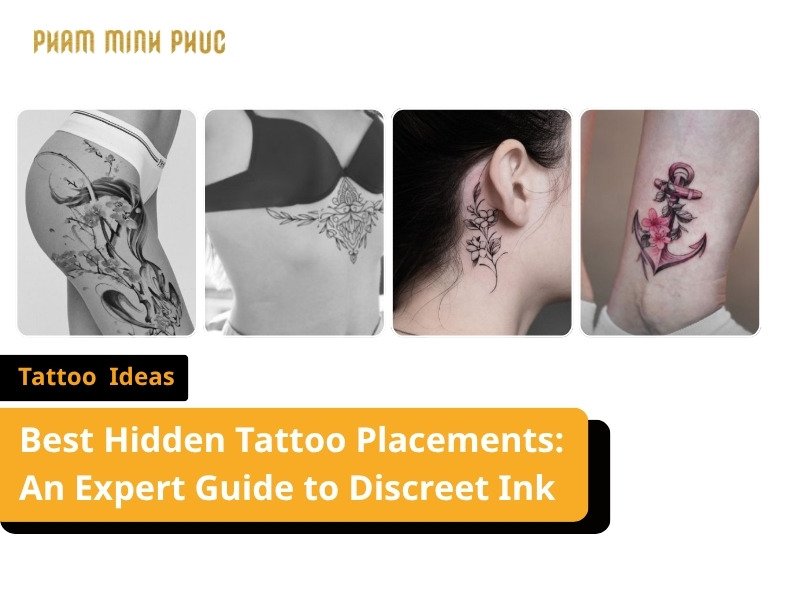
Table of Contents
Behind the Hairline
Behind the hairline tattoos sit at the base of the skull where the hair meets the neck. A full head of hair renders the tattoo completely invisible in daily office settings and formal events. This concealment only breaks down if you shave your head, wear your hair up consistently, or experience significant hair thinning.
The skull sits directly beneath thin scalp skin with minimal fat padding. The needle vibration transfers straight into the bone. This creates an internal rattling sensation rather than a surface sting. The machine sound amplifies through the skull. This auditory factor elevates the pain rating to an eight out of ten.
Small geometric patterns and fine line scripts fit this space naturally. Larger designs risk drifting into visible territory. Longevity exceeds normal expectations because minimal sun exposure and low friction keep the lines crisp for years. You should place the design slightly higher on the scalp if you anticipate future hairstyle changes
Behind the Ear
Behind the ear placements occupy the shallow curved space between the ear and the skull. Hair provides the primary visual cover. The tattoo disappears entirely when you wear your hair down. The artwork shows clearly when you wear your hair up. You must understand this visibility factor before committing to this spot.
The skin here sits over thin cartilage with minimal cushioning, and because of that the pain lands consistently around 7 to 8 out of 10. Clients describe it as a sharp, buzzing ache, similar to what you’d feel if someone pressed a vibrating metal rod against the side of your skull. The close proximity to the ear canal also means the machine’s sound is noticeably louder throughout the session, which adds a layer of discomfort that’s hard to prepare for.
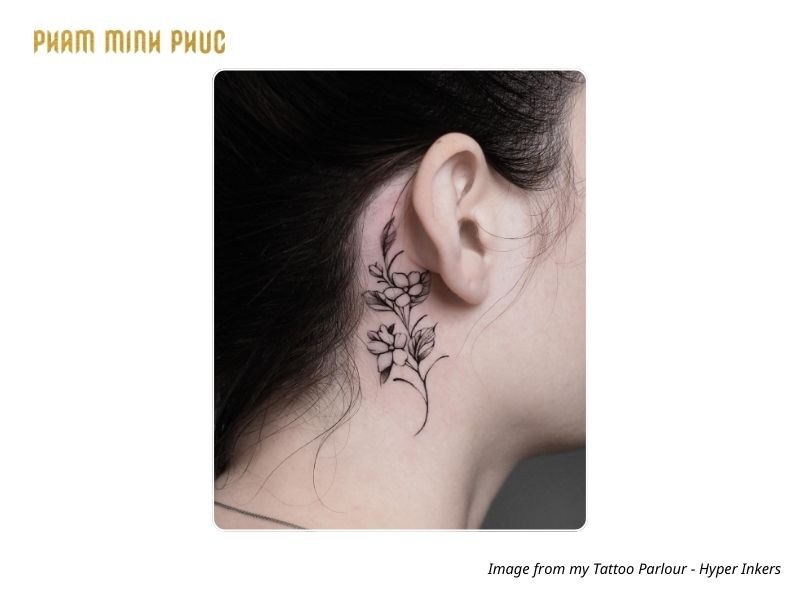
Small, single-element designs suit this behind the ear tattoo placement best. Tiny florals, thin geometric shapes, single stars, and short script of 2 to 3 words are the most common choices, and designs larger than a quarter tend to lose detail over time because the skin here has less structural support.
Minh Pham’s note: This is the placement where I see the most mismatched expectations. Clients imagine their hair down and the tattoo invisible. But if you work in F&B, healthcare, hospitality, or any field with a strict uniform policy requiring a high ponytail or bun, the back of the ear and nape are exposed for your entire shift, every day. I’ve had nurses, hotel staff, and baristas come in after the fact saying they didn’t think about this. If your workplace mandates tied-back hair, treat behind-the-ear as a visible placement, not a hidden one. Plan the design accordingly, or choose a different location entirely.
Longevity remains solid when the tattoo stays out of the sun. You can expect minor fading over five years without significant distortion.
Earlobe
Earlobe tattoos sit in soft tissue that naturally folds away from view, and jewelry covers the spot completely when needed. Most people simply miss an earlobe tattoo in professional settings. The soft fatty tissue lacks cartilage, bringing the pain noticeably lower to 4 to 5 out of 10, but the dense nerve endings still create a sharp sting.
Only very small designs fit the space. Dots, tiny geometric shapes, small flowers, symbols like a crescent or cross, and single initials are the realistic options. Fine details risk bleeding out because the skin remains soft and porous. Earlobe tattoos fade and spread faster than almost any other location since soft tissue fails to hold ink firmly. You must plan for a touch up within 3 years to maintain sharp lines, and remember that heavy earrings physically distort the surrounding skin over time.
Inside the Lip
Inner lip tattoos represent the ultimate hidden placement because they remain completely invisible unless you pull your lip down deliberately. You need no clothing or jewelry for concealment. The mucous membrane contains dense nerve endings, making the tissue react highly to needle contact. The sensation produces a sharp sting with minor bleeding that hits 7 to 8 out of 10.
Only the simplest designs survive here, making single words and short numbers the practical options. Inner lip tattoos fade significantly, and many disappear almost entirely within 1 to 3 years because constant moisture and saliva break down the ink rapidly. This placement suits clients seeking temporary and deeply private artwork.
Neck (Back and Side Hairline)
Neck tattoos positioned along the back hairline behave differently from visible front neck placements. Hair covers them in most settings, while shirt collars and scarves handle the rest to provide reliable concealment across professional situations.
The thin skin sitting over multiple nerve pathways makes the neck consistently uncomfortable at 7 to 8 out of 10, and the tattoo machine’s vibration can trigger a subtle gag reflex for some clients when working on the front or sides. The back of the neck is slightly more tolerable than the sides, which is worth knowing if you’re sensitive.
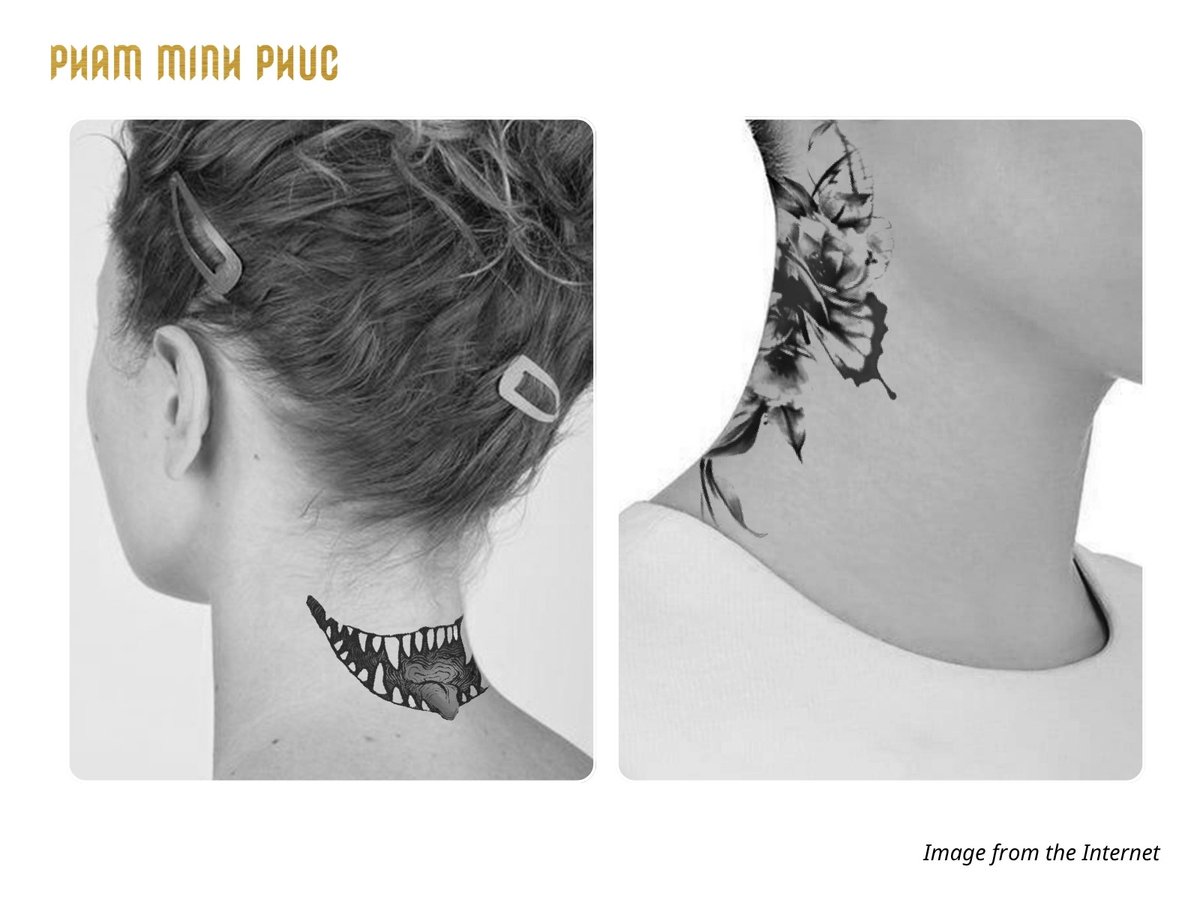
Small, precise designs hold up best here. Fine line botanicals, minimalist geometric shapes, single symbols, and short script work well, and keeping the design contained is both aesthetic and practical given the neck’s natural movement.
Minh Pham’s note: I’d call this a “visible hidden” placement. It hides well in most daily situations, but it’s one hairstyle change away from becoming a statement piece. I’ve had clients who wore their hair down every day for years and then cut it short, and suddenly the tattoo became their most prominent piece. Think about where your hair is going long-term, not just right now.
Neck tattoos age well structurally, but sun exposure is the main variable. If the tattoo regularly gets sun from outdoor work or summer activities, expect noticeable fading by year 3 to 5.
Collarbone
Collarbone tattoos run horizontally along the clavicle, from the center of the chest outward. Higher necklines, crew-neck shirts, and business attire cover them completely, while V-necks and low-cut tops reveal them. That clothing-dependent visibility gives you real control over when it shows and when it doesn’t.
The clavicle is a prominent bone with skin lying directly against it and very little cushioning, which pushes the pain into the 7 to 9 out of 10 range depending on where along the bone the needle works. The sensation is similar to the sternum: direct bone vibration with heavy pressure, though the outer ends of the collarbone, where it curves toward the shoulder, tend to be slightly more tolerable because of more tissue coverage there.
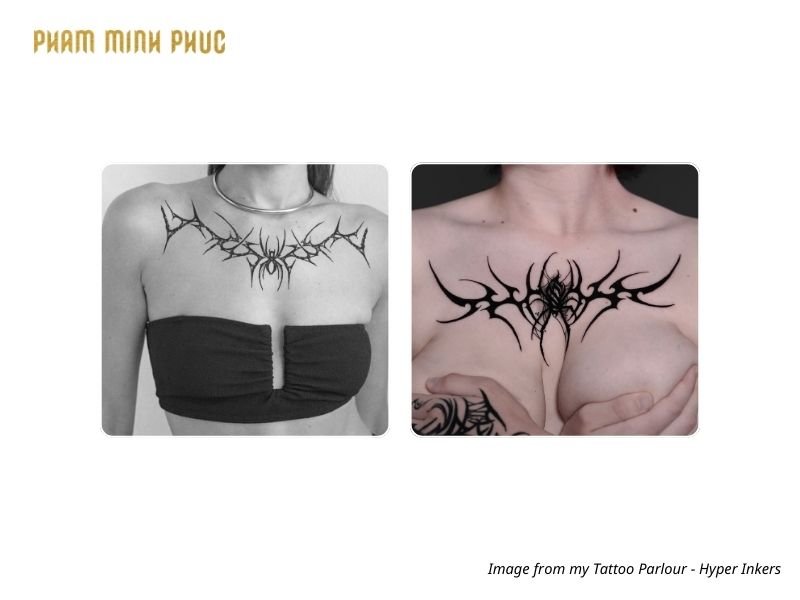
Horizontal designs complement this placement naturally. Script lettering that follows the bone’s curve, small floral arrangements, a single horizontal symbol or word, and thin ornamental lines all work well, while designs that fight the horizontal orientation tend to look forced in this space. Longevity is reasonably good when covered, but sun exposure at the chest degrades fine line work faster than most clients expect. If you plan to wear low necklines frequently in summer, applying SPF 50 consistently over the healed tattoo is a habit worth building.
Sternum
Sternum tattoos run down the center of the chest between the breasts, where standard clothing covers them completely. They’re only visible in swimwear, low-cut tops, or intimate settings, which makes this one of the most reliable professional concealments on the upper body.
The flat breastbone lacks fat buffering, meaning every needle pass vibrates directly against the bone. This deep drilling sensation pushes the pain in the 7 to 9 out of 10 range, and breathing adds rhythmic movement during the session to make precise line work technically demanding.
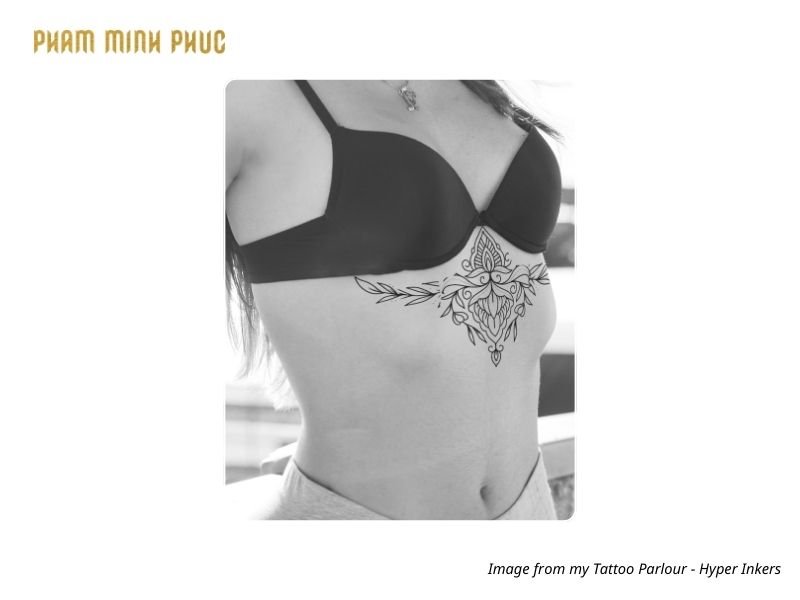
The vertical orientation of the sternum suits elongated designs beautifully. Delicate florals that trail downward, geometric mandalas, thin script with a meaningful quote, and ornamental patterns that follow the body’s center line are the most common requests, and the placement frames particularly well with underboob or rib extensions for clients who want a larger connected piece.
Minh Pham’s note: The sternum tattoo placement is one of my favorite placements from a design standpoint because the symmetry it creates down the center of the body is unmatched. But I’m direct with clients about the pain. If your tolerance is on the lower end, I’ll recommend numbing cream applied 45 to 60 minutes before the session. It doesn’t eliminate the deep vibration, but it takes the edge off the surface sting significantly.
Longevity here is excellent. Minimal sun, minimal clothing friction once healed, and stable skin that doesn’t stretch dramatically with normal body changes combine to keep fine detail sharp for 7 to 10 years with basic aftercare.
Under the Breast (Underboob)
Underboob tattoos sit in the curved space directly beneath the breast, and standard clothing covers this placement entirely. This concealment demands a massive pain tradeoff because the skin sits directly over the ribs with minimal fat cushioning. The rib bones amplify the machine vibration throughout the chest cavity, and each breath adds movement while the needle works. This placement consistently hits 9 to 10 out of 10, and I do not recommend it for beginners.
Flowing, curved designs that follow the breast’s natural contour work exceptionally well here. Floral arrangements that arch upward, ornamental lace patterns, script that curves along the bottom edge, and botanical elements that extend toward the ribs are common approaches. The space accommodates medium to large designs, though each additional inch adds session time in an already demanding pain zone.
Minh Pham’s note: Wardrobe choices play a major role in tattoo healing. For underboob and rib tattoos, underwire bras should be avoided for at least 2 to 3 weeks because pressure and friction can damage fresh ink. Soft bralettes, seamless tops, or nipple covers are much safer during recovery. The same applies to hip and bikini-line tattoos, where tight elastic waistbands and stiff underwear can irritate the area and slow healing. Soft, high-rise cotton briefs work best during the first few weeks. I always go through the wardrobe checklist in the consultation before booking any of these locations. If a client has a major event coming up where they need structured support, we schedule after the event, not before.
Longevity is good once healed. The covered location protects from UV, and the skin here doesn’t typically stretch significantly unless there are major weight fluctuations or pregnancy.
Sideboob and Ribs
Rib tattoos along the side of the torso offer excellent discretion under most clothing. T-shirts, blouses, and professional attire cover them fully, while cropped tops and swimwear may reveal them depending on the cut. The skin sits directly over the bone with zero cushioning, ranking the ribs as the most painful location at 9 to 10 out of 10.
The ribs don’t just transmit the machine’s vibration, they amplify it throughout the entire torso, and because the ribcage expands and contracts with every breath while the needle is moving, clients feel the intensity compound with each inhale.
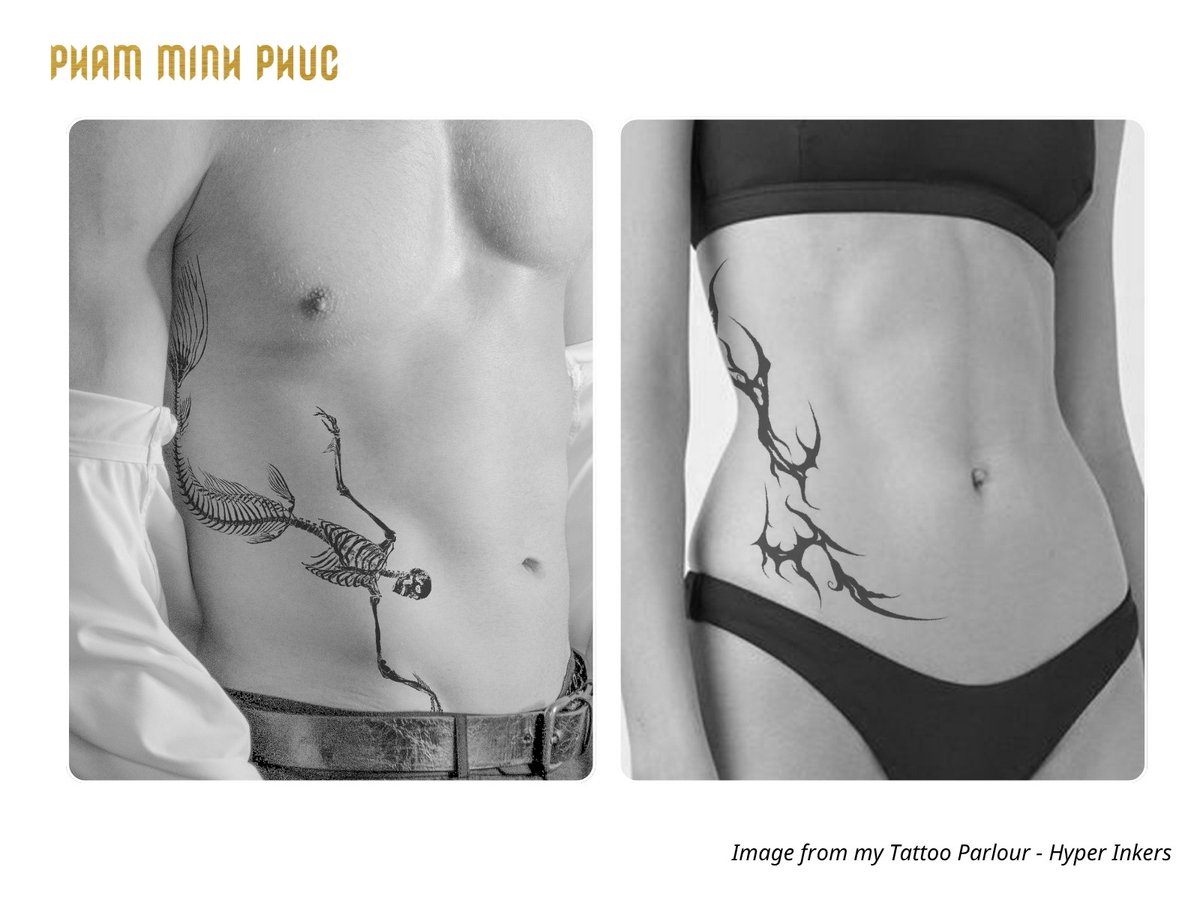
Minh Pham’s note: I’ve tattooed hundreds of people on the ribs, and the feedback is consistent: it’s intense. People who have a high pain threshold for other areas still find the ribs genuinely difficult. I break longer rib sessions into 2-hour blocks with rest intervals, and if someone is set on a large rib piece, I plan it across 2 sessions rather than one long sitting.
Vertical designs flow naturally along the rib cage. Long botanical stems, quote work in a single vertical line, ornamental patterns that follow the ribcage’s natural curve, and abstract compositions that use the length of the torso are the most requested approaches. Longevity is strong because the covered location protects from UV, and rib skin doesn’t stretch or shift with normal body changes.
Armpit
Armpit tattoos offer maximum concealment because they remain invisible under all standard short sleeves. Observers only see this tattoo if you raise your arm deliberately. This maximum concealment causes extreme pain, as the armpit holds major nerve clusters and extremely thin skin that push the pain to a ten out of ten. The burning sensation feels similar to an electric shock, and involuntary flinching remains extremely hard to control.
Simple designs work best here, while detailed fine line work fails cleanly in this location. You must avoid deodorant for three weeks during healing because the area traps heat and moisture constantly. Simple bold designs hold significantly better long term than intricate fine lines.
Inner Bicep
The inner bicep sits on the soft, tender skin facing the torso when your arm is at rest. A standard short sleeve shirt covers it completely, and rolling up a sleeve or raising the arm reveals it instantly, which gives you precise control over visibility with nothing more than a sleeve adjustment.
Compared to bony placements, the inner bicep is more forgiving in terms of pain, though it still registers around 5 to 6 out of 10 because the skin here is tender and more sensitive than the outer arm. Clients describe a continuous burning sensation rather than sharp stinging, and the discomfort tends to build over longer sessions in a way that feels more exhausting than acute.
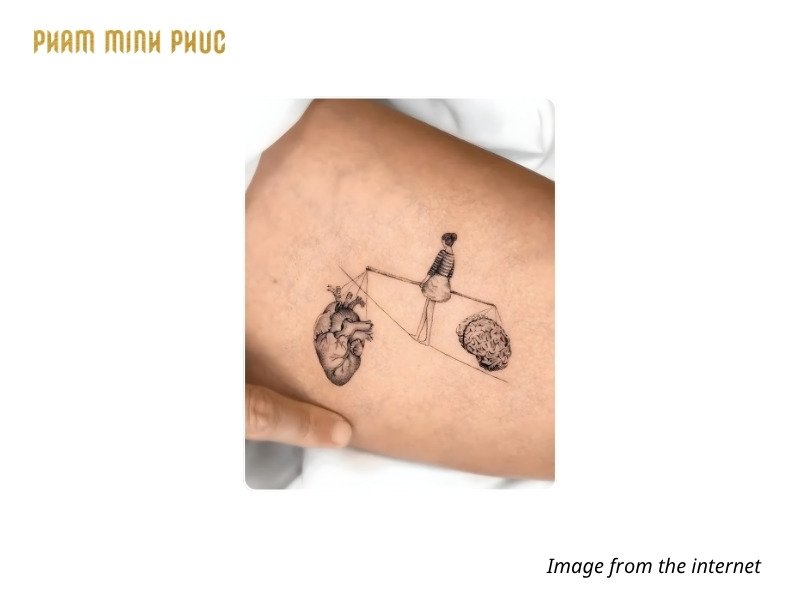
This placement accommodates a good range of design sizes. Fine line text, portraits, nature scenes, geometric patterns, and detailed illustrative work all translate well to the inner arm’s relatively flat surface, and medium-sized pieces in the 3 to 5 inch range use the space well without feeling cramped. Aging is above average for this location because it stays out of direct sun for most of the year and doesn’t experience significant skin stretching, so fine line work and detailed shading hold well for 8 to 12 years with standard aftercare.
Inner Forearm
The inner forearm is one of the most accessible hidden placements precisely because the control is so simple. Long sleeves conceal it completely. Short sleeves reveal it. The choice resets with every outfit, which makes it a practical option for anyone in a workplace that has standards but allows some personal expression.
It’s also one of the least painful hidden placements, consistently landing at 3 to 4 out of 10 thanks to good muscle and fat coverage, adequate skin thickness, and no major bony prominences on the inner surface. Most clients describe the sensation as mild and scratchy, which is why the inner forearm is often the right starting point for people who are unsure of their pain tolerance.
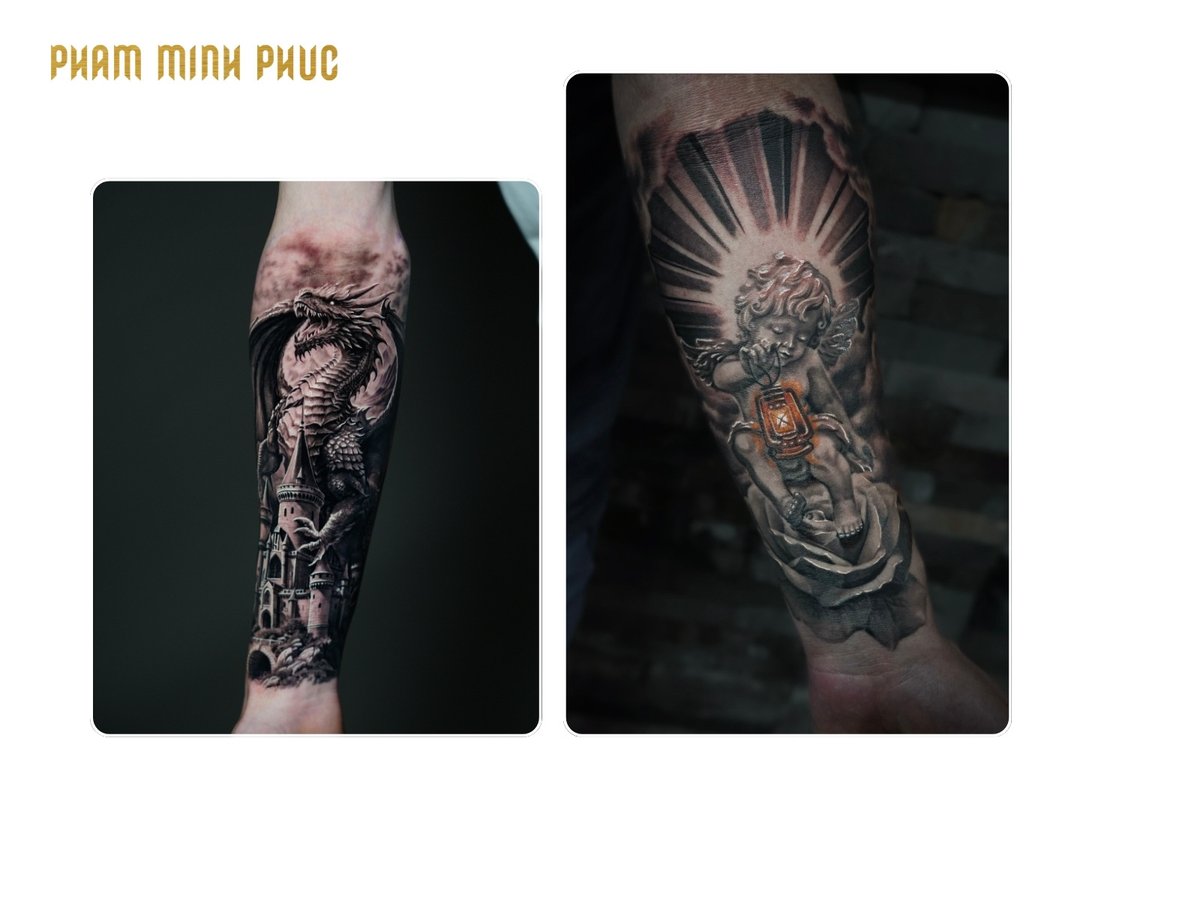
Minh Pham’s note: A common issue with inner forearm tattoos is choosing micro-script or highly detailed fine line designs that are too small in an effort to keep them discreet. Although the inner forearm heals better than the wrist, the skin is still relatively soft, which allows ink to spread over time. Tiny letters and tightly packed details that look sharp at first can gradually blur as the ink expands through the dermis. Designs with slightly larger sizing and more negative space tend to age much better because the lines have room to stay defined. I would always recommend increasing the size slightly upfront rather than dealing with a blurry, crowded design a few years later.
The flat elongated surface handles any design style, but many clients mistakenly choose microscopic fine line work here. Inner forearm skin remains relatively soft, causing tiny letters to blowout into a muddy smear by year five as the ink spreads laterally through the dermis. You must design the piece slightly larger and leave ample negative space to ensure the design holds twice as long.
Inner Wrist
Inner wrist tattoos sit in an intimate space easily covered by a watch or cuff, though they show during close interactions and handshakes. The thin skin over prominent tendons and high nerve density pushes the pain around 5 to 6 out of 10, creating a sharp pinching sensation that feels more intense than expected.
Small, precise designs are the practical choice. Single symbols, initials, dates, thin geometric shapes, tiny botanical elements, and short words all fit the space, while the constant tendon movement underneath limits the complexity of line work that can heal and hold cleanly over time.
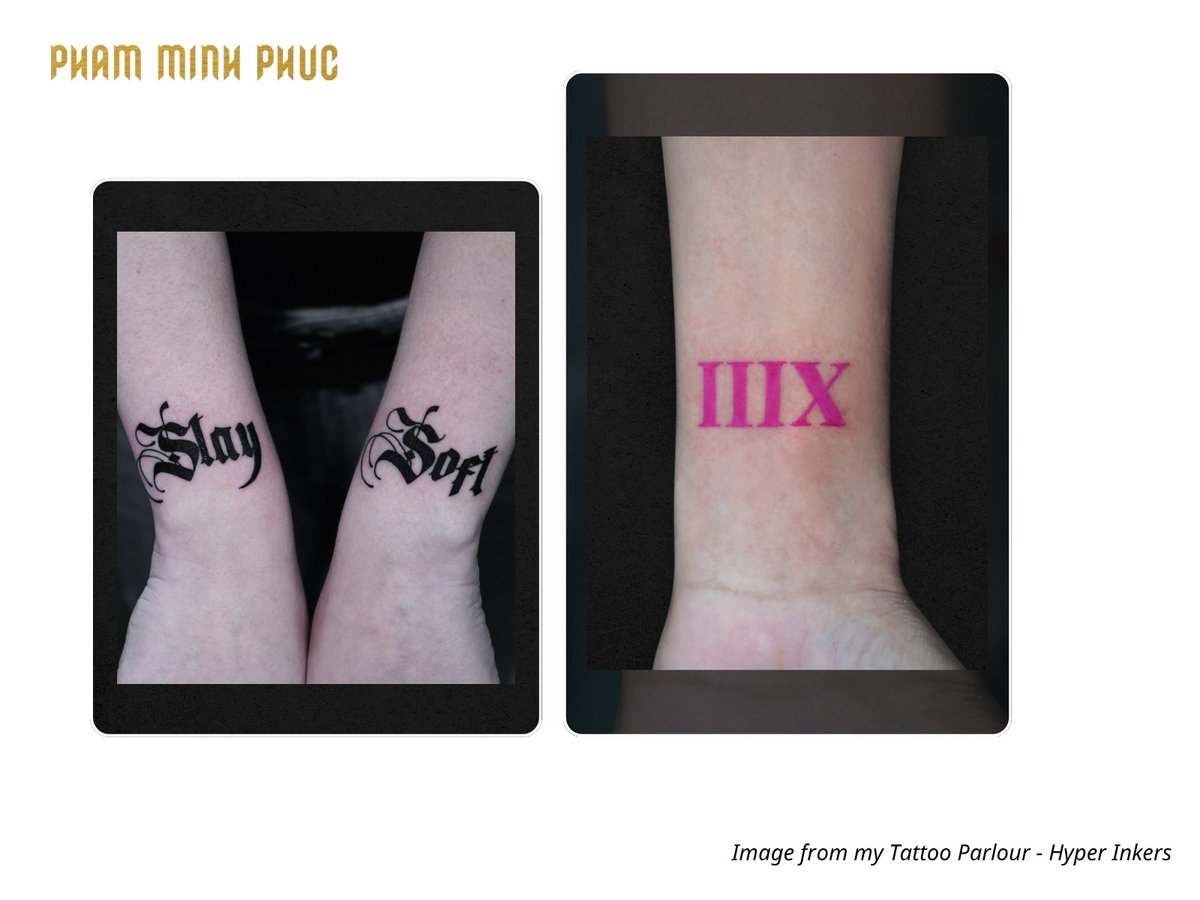
Minh Pham’s note: Many clients choose micro-script on the inner wrist because it looks minimal and discreet, but this area does not hold tiny details well long term. The inner wrist has soft, thin skin with constant movement underneath, which causes ink to spread gradually over time. Small text that looks crisp at first can become blurry and difficult to read after several years as the letters expand and merge together. Slightly larger text with more spacing between letters ages much better and stays readable longer. On soft-tissue areas like the wrist, negative space plays an important role in keeping the design clear over time.
Wrist tattoos require realistic longevity expectations across the board. Constant movement, frequent hand washing, and regular sun exposure combine to fade them faster than most other locations, so plan on a touch-up every 4 to 6 years to keep it looking intentional rather than tired.
Side of Finger and Underneath Finger
Finger tattoos on the side or underside stay largely unnoticed in everyday interactions because most people simply don’t look at the sides and undersides of fingers. They surface in close-range situations like handshakes and gesturing, but in general social and office settings, they’re rarely noticed unless someone is specifically looking.
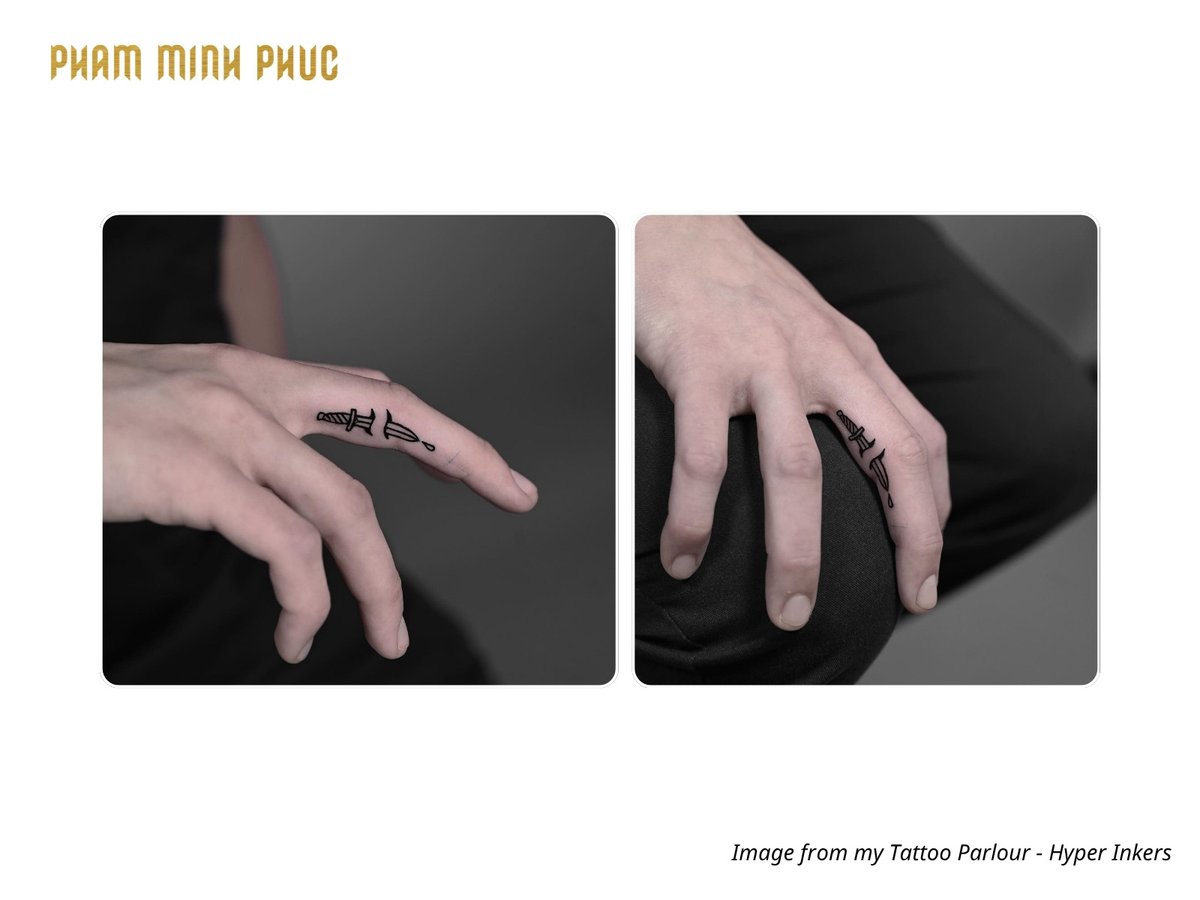
Minh Pham’s note: Finger and inner wrist tattoos are often more visible in professional settings than people expect. During a normal workday, your hands are constantly exposed while typing, presenting, shaking hands, or holding objects. The inner wrist also becomes noticeable anytime you reach across a desk or gesture in conversation. For clients working in conservative office environments, placements like the inner bicep or outer thigh usually provide much better concealment long term.
The thin skin stretches directly over the bone joints, hitting around 6 to 7 out of 10 on the pain scale. The high nerve concentration creates sharp bony discomfort, meaning only tiny designs work here. Detailed linework blurs within two years because fingers flex constantly and suffer daily sun exposure, requiring touch ups within eighteen months.
Spine (Mid and Lower)
Spine tattoos run vertically down the center of the back, and any shirt covers them completely. They’re visible only with the back exposed, which makes them among the most reliably hidden placements for anyone who keeps their back covered in professional settings while still wanting something striking when it’s shown.
Working directly over the vertebrae, where bone sits very close to the surface, the spine lands at 7 to 8 out of 10. Each needle pass creates a nerve-rattling vibration that travels up and down the spine, and involuntary muscle spasms are common enough during spine sessions that clients often need to actively focus on staying still, which adds a mental layer to the physical intensity.
Vertical compositions suit this placement naturally. Quote work in a single line, thin botanical stems with leaves and flowers, symbolic imagery stacked vertically, and geometric patterns that use the spine’s length are the most requested styles. A full spine piece running from the base of the neck to the lower back creates a striking visual when the back is exposed, while remaining completely hidden in daily life. Longevity is good because the back stays covered and protected from UV in most situations, and the skin over the spine doesn’t stretch significantly with normal body changes.
Lower Back
Lower back tattoos provide reliable concealment under any standard clothing. Waistbands, shirts, and professional attire cover this area in virtually all situations, and it only becomes visible with cropped tops, low-rise pants, or swimwear.
Away from the spine, the lower back sits comfortably at 3 to 4 out of 10 because reasonable muscle coverage keeps the needle from hitting bone directly, avoiding the deep vibration that makes the spine placement so much more intense. The discomfort does increase as a design moves closer to the spine or out toward the hip bones on the sides.
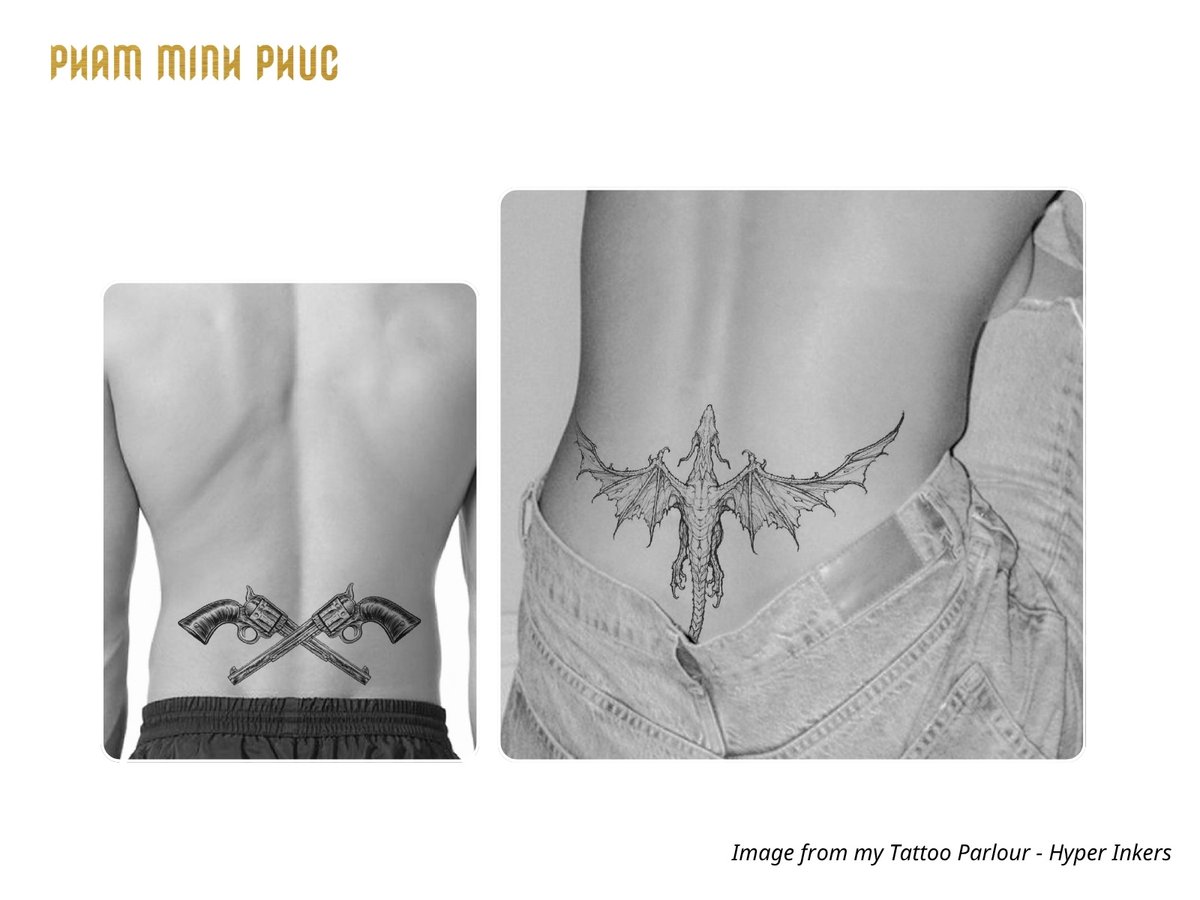
The lower back accommodates horizontal compositions well. Symmetrical designs, floral arrangements that spread outward from center, ornamental patterns, and mandala work use the width of this space effectively, and the area is wide enough for medium to large pieces with room to breathe.
Minh Pham’s note: Lower back tattoos are often overlooked because of their early 2000s reputation, but they remain a strong hidden placement option. The area offers good space for larger designs, moderate pain levels, and easy concealment under clothing. Modern botanical and ornamental styles work especially well here, and clients who choose this placement are usually very satisfied with the result.
Longevity depends on the individual more than most placements because normal body changes affect this area, and designs close to the waistline experience more movement and fabric friction than skin higher on the back.
Hip and Hip Bone
Hip tattoos run along the hip bone and the side of the upper pelvis. Most everyday clothing covers them completely, and they only reveal themselves with swimwear, low-rise clothing, or form-fitting athletic wear. For anyone who wears standard waist-height pants and skirts, this placement hides consistently through professional and social contexts.
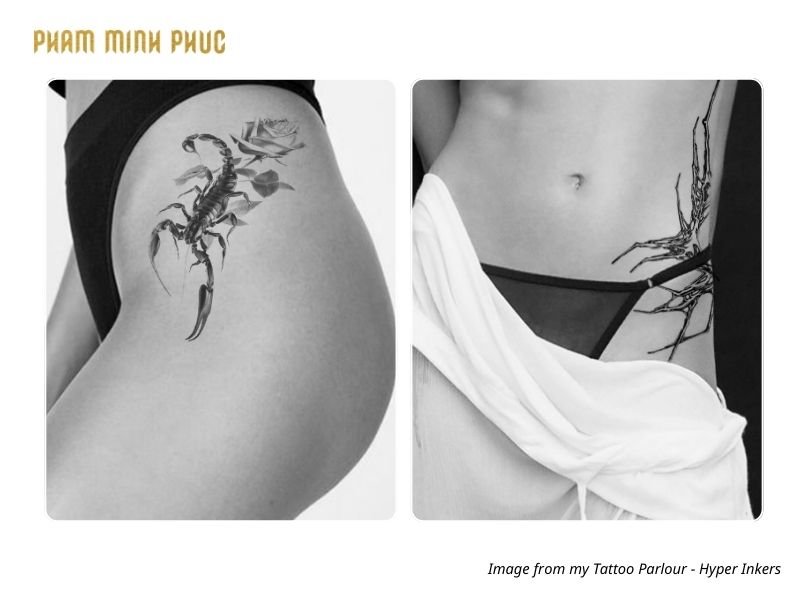
The hip bone creates a hard surface beneath thin skin, which intensifies the needle’s vibration at the bony peaks, while the surrounding area with more fatty tissue is considerably more tolerable. That contrast within a single placement pushes the overall experience to 6 to 7 out of 10, with clients feeling a mix of dull ache in fleshy areas and sharper bone-contact discomfort as the design approaches the hip crest.
Flowing designs that follow the body’s natural curve work exceptionally well here. Floral arrangements, script lettering, flowing abstract patterns, and designs that travel from the hip toward the thigh all look natural because the hip’s shape inherently enhances organic and curved compositions. Aging in this location is generally good, with the skin not experiencing dramatic stretching under normal weight changes and UV exposure remaining low given that hip tattoos live under clothing year-round.
Bikini Line
Bikini line tattoos sit at the crease where the upper thigh meets the lower abdomen, and standard underwear and swimwear cover them completely. They’re visible only in intimate settings or with very high-cut swimwear, making this one of the most reliably private placements on the body.
Bordering the groin, which has one of the highest nerve concentrations in the human body, the bikini line hits 8 to 9 out of 10. The skin is thin and sensitive, and proximity to major lymph nodes adds an acute quality to the discomfort that clients consistently describe as electric rather than dull.
Small to medium designs work best in this space. Delicate florals, thin script, small symbols, and designs that follow the natural line of the crease all complement the placement, and flowing the design downward toward the thigh or upward toward the hip can extend the visual without requiring the tattoo to sit in the most sensitive area.
Minh Pham’s note: Waistbands can cause more healing problems than many clients expect. With bikini-line tattoos, firm elastic bands often sit directly on the fresh tattoo and create constant friction throughout the day. I usually recommend preparing a few pairs of soft, seamless underwear before the appointment to reduce irritation during healing. Long hours of sitting with a stiff waistband rubbing against fresh ink can noticeably affect the recovery process.
Once healed, the covered location protects ink well and longevity is solid.
Upper Thigh (Inner and Outer)
Upper thigh tattoos are among the best hidden placements for anyone who wears standard-length shorts or pants. Most everyday clothing covers the upper thigh completely, and swimwear or short shorts reveal it only when the wearer chooses.
Pain varies dramatically depending on which part of the thigh you’re working with. The outer thigh, padded by substantial muscle and fat, sits at 3 to 4 out of 10 and creates a dull, tolerable pressure that most clients find genuinely manageable. The inner thigh is a completely different experience: thin, delicate skin with minimal muscle buffering pushes it to 8 to 9 out of 10, and the sharp stinging sensation there is what many clients describe as the most surprising pain they’ve encountered given how fleshy the area looks from the outside.
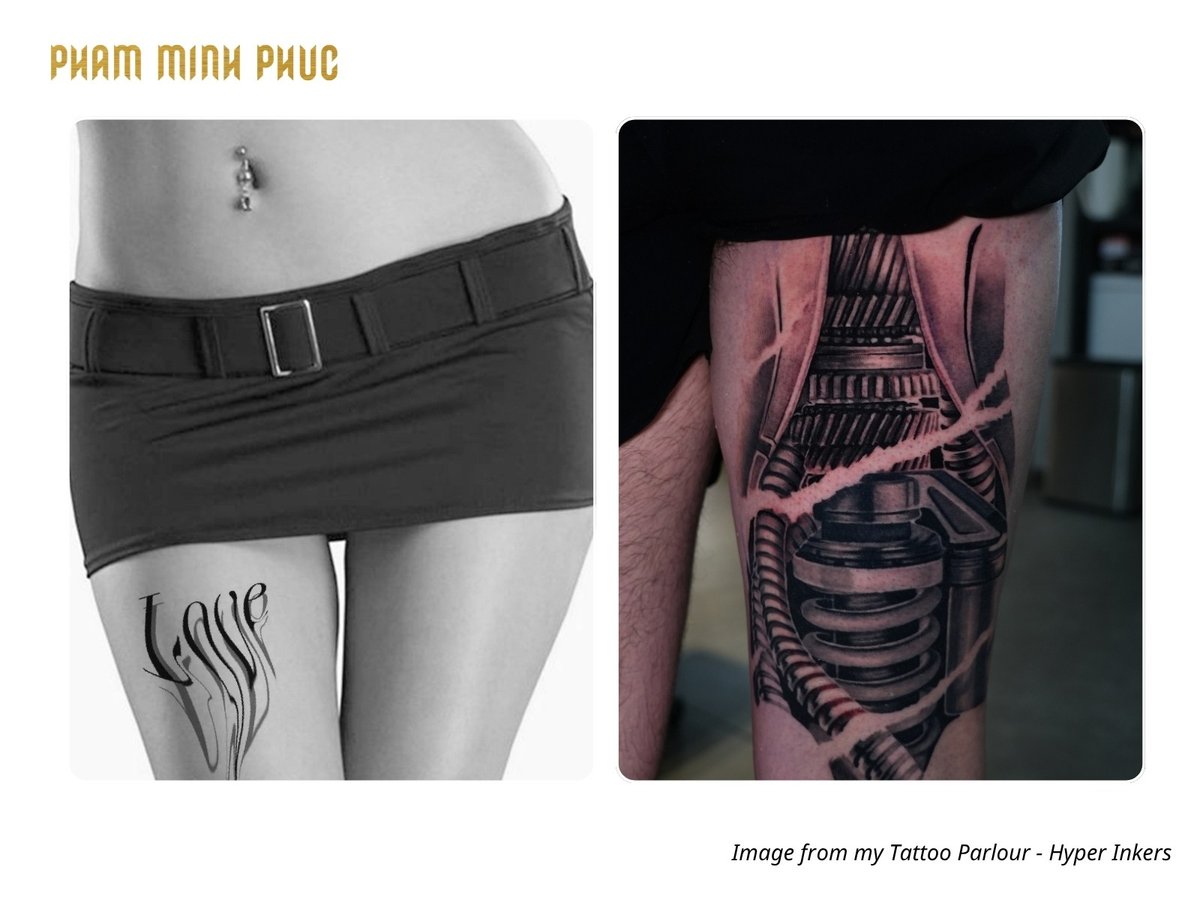
The upper thigh offers the largest available canvas among hidden placements. Detailed florals, mandala patterns, portraits, extensive script work, fine line realism, and complex compositions all have room to breathe here, with the outer thigh in particular being one of the best surfaces on the body for detailed work because of its size and relatively stable skin.
Minh Pham’s note: The thigh is one of the best placements for large, meaningful tattoos that still stay hidden at work. The outer thigh offers a flat, spacious surface that holds detail extremely well, making it ideal for larger designs. The inner thigh is much more painful, but it provides excellent privacy for clients who want a more personal placement.
Longevity on the outer thigh is excellent because the skin is stable, UV exposure is low under clothing, and the area doesn’t typically experience dramatic stretching. Inner thigh skin is softer and more prone to minor fading over time, but with proper aftercare it holds well for 5 to 8 years before needing a refresh.
Inner Ankle
Inner ankle tattoos sit close to the ankle bone and lower calf on the inside of the leg. Pants, socks, and closed shoes cover them completely, while sandals, skirts without hosiery, and shorts expose them. That clothing-dependent visibility gives you straightforward context-specific control.
Sitting directly over the ankle’s bony prominences with minimal subcutaneous padding, this placement lands at 7 to 8 out of 10. The needle works close to bone throughout the session, creating a sharp, consistent contact sensation, and the ankle joint’s proximity means the area shifts slightly with any foot movement, which requires the client to stay very still to keep lines clean.
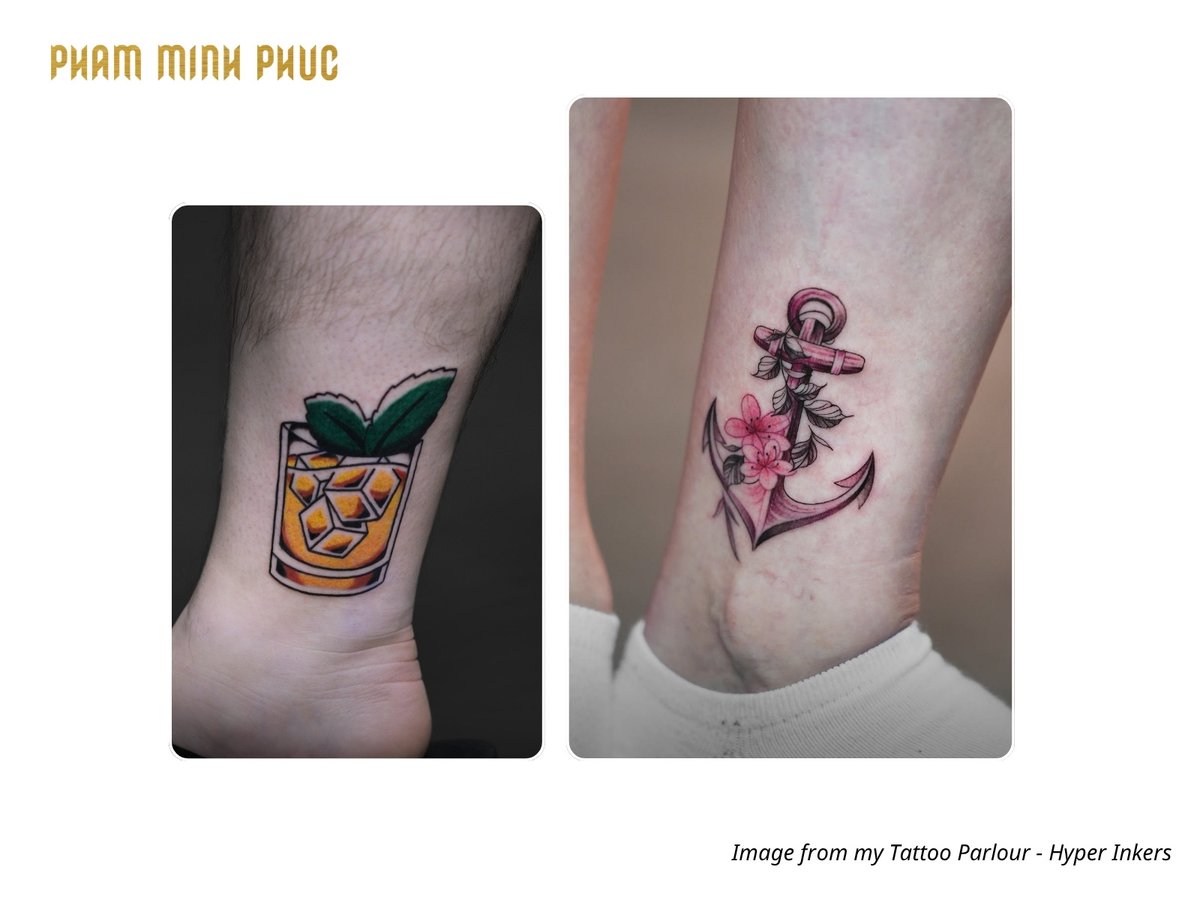
Small, delicate designs suit the ankle well. Thin floral elements, single-line geometric shapes, small symbols, short words or dates, and minimalist botanical work all complement the placement, and designs that wrap slightly around the ankle bone extend the visual without requiring the artist to work on the most sensitive bony area. Longevity here requires realistic expectations: constant walking movement, frequent contact with shoe edges and sock bands, and sun exposure all combine to fade and spread ink faster than in protected, low-movement locations, so a touch-up every 4 to 6 years is normal.
What Are The Best Hidden Tattoo Placements for Women?
The underboob, hip, bikini line, sternum, spine, and upper thigh serve as the most effective hidden tattoo placements for women because standard female clothing structures conceal these areas naturally. Most of these locations sit securely behind daily wardrobe layers like high waist pants, midi skirts, and fitted blouses to provide effortless coverage. The underboob and sternum stay completely hidden under any standard chest coverage, while the hip and bikini line disappear flawlessly beneath regular waistbands. The spine remains invisible until you deliberately expose your back, and the upper thigh provides a massive design canvas that stays covered under virtually everything except swimwear.
For formal professional settings, the collarbone under a crew neck, the inner ankle under trouser hems, and the inner wrist under a bracelet offer excellent options that require zero wardrobe adjustments.
What Are The Best Hidden Tattoo Placements for Men?
The inner bicep, inner forearm, chest, upper back, lower spine, and outer thigh provide men with the most reliable concealment options. This placement decision typically depends entirely on one simple variable regarding sleeve length. The inner bicep and inner forearm hide perfectly under long sleeves and reveal themselves the moment you roll the fabric up, granting you complete visibility control through a single wardrobe choice. The chest and upper back demand the complete removal of your shirt, making them the most consistently private canvases regardless of your daily attire.
The outer thigh sits securely under standard shorts and offers more design space than almost any other hidden location on the male anatomy. Men achieve concealment through straightforward shirt coverage rather than complex layering, and this simplicity effectively eliminates unexpected visibility failures during daily activities.
What to Reconsider Before You Choose Hidden Tattoo Placement?
Some placements require more planning than others depending on specific life circumstances.
- If you gain or lose weight frequently, avoid the lower abdomen, hip, and lower back as primary placements for complex designs. These areas stretch and compress with body changes, and fine line detail can distort noticeably. Bolder, simpler designs hold better in these locations if you go ahead regardless.
- If you work in healthcare, personal training, or any field requiring skin exposure during professional interactions, the collarbone, inner wrist, and neck placements may show in ways that are harder to manage than they appear at first. The forearm under a long sleeve, the upper thigh, or the spine are alternatives with more reliable coverage.
- If you have naturally thin or sensitive skin, the rib, sternum, and armpit placements carry a genuinely challenging healing process. Prioritize a numbing cream consultation, plan for shorter session blocks, and choose an artist with direct experience in these specific locations.
- If hair thinning runs in your family, the behind-the-hairline placement becomes a visible piece over time. That’s not a reason to avoid it, but it’s worth designing something that works whether it’s hidden or shown.
How Minh Pham Approaches Hidden Tattoo Placement Consultations
The placement conversation is where most people spend the least time but should spend the most. Before I draw a single line, I ask clients about their profession, their clothing habits, their pain threshold, and whether this piece is meant to stay private for 2 years or 20.
Over 10 years of tattooing, the clients who are most satisfied long-term are the ones who chose placement based on their actual life, not just how a photo on Pinterest looked. A stunning thigh piece is worthless if you work in a setting where you’re required to wear shorts, and a sternum tattoo you’re proud of becomes a source of anxiety if your family doesn’t know you have it.
My consultation process maps out the real concealment requirements first. Then we look at the design and find the location that serves both the art and the person wearing it. Placement and design are not separate decisions. They’re the same decision, and getting both right is what separates a tattoo you love for life from one you second-guess every time you get dressed.
If you’re planning a hidden placement and want a consultation, you can reach me at Hyper Inkers in San Antonio or book directly through the contact form. I work by appointment only, and I take the placement conversation as seriously as the tattooing itself.