Leg tattoo placement provides the most expansive continuous anatomical canvas for permanent body art. This massive physical region encompasses diverse micro-zones including the broad outer thigh, the highly mobile kneecap, the dense shin bones, and the calf muscle. Clients utilize this location to build cohesive storytelling narratives or to conceal discreet symbols effortlessly under standard trousers. The thick fat cushion of the upper leg absorbs needle impact effectively to support multi-hour sessions with minimal discomfort.
Tattooing the lower body introduces specific biological variables and mechanical challenges. The needle triggers involuntary motor nerve spasms when it strikes the prominent tibia bone directly. Furthermore, severe mechanical friction in the knee ditch threatens the structural integrity of the fresh pigment during daily movement. I, Minh Pham, constructed this analysis to map these distinct pain thresholds and anatomical constraints. The following guide details the optimal high-contrast tattoo styles, the gravity-induced swelling risks, and the strict hygiene protocols necessary to combat ground-level bacteria below.
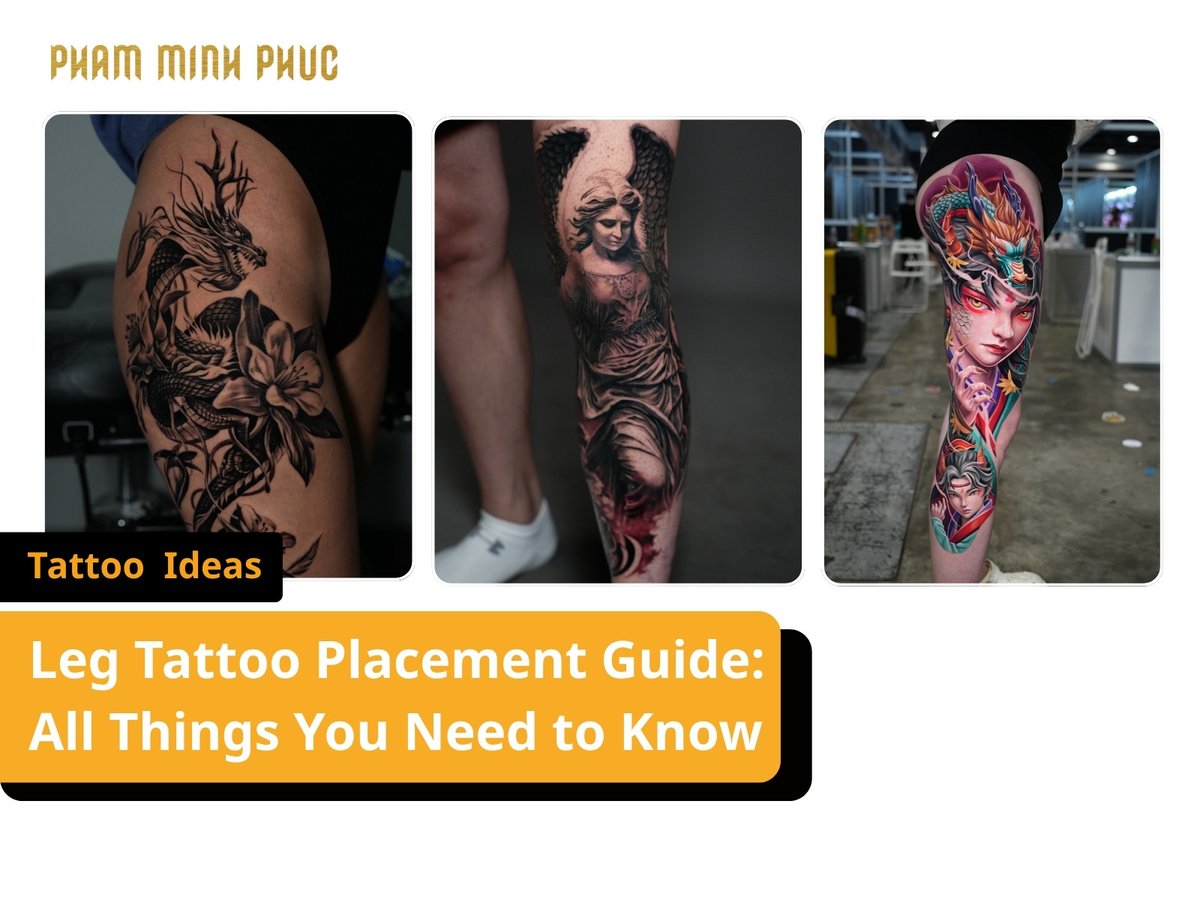
Table of Contents
Who is a Leg Tattoo Suitable For?
A leg tattoo suits individuals seeking a highly versatile canvas that easily accommodates both discreet symbols and massive artistic narratives. You must evaluate your pain tolerance, wardrobe flexibility, and daily physical activity level before committing to this anatomical region.
- The Private Collector: The upper leg provides complete privacy for professionals operating in strict corporate environments. You easily conceal massive artwork beneath standard business trousers or skirts.
- The Large-Scale Visionary: The entire leg offers an unmatched continuous canvas for dedicated collectors. You utilize the massive surface area to construct cohesive, thematic storytelling pieces like a full leg sleeve.
- The Pain Stoic: The lower extremities demand significant pain endurance. You must tolerate intense sensations when the needle strikes the thin skin over the shinbone, kneecap, or ankle joint.
Main Leg Tattoo Placement
The main leg tattoo placement divides the lower body into distinct structural zones featuring varying muscle padding, bone proximity, and skin thickness. Each anatomical area requires specific design considerations to maximize visual impact and ensure proper healing.
Upper Thigh
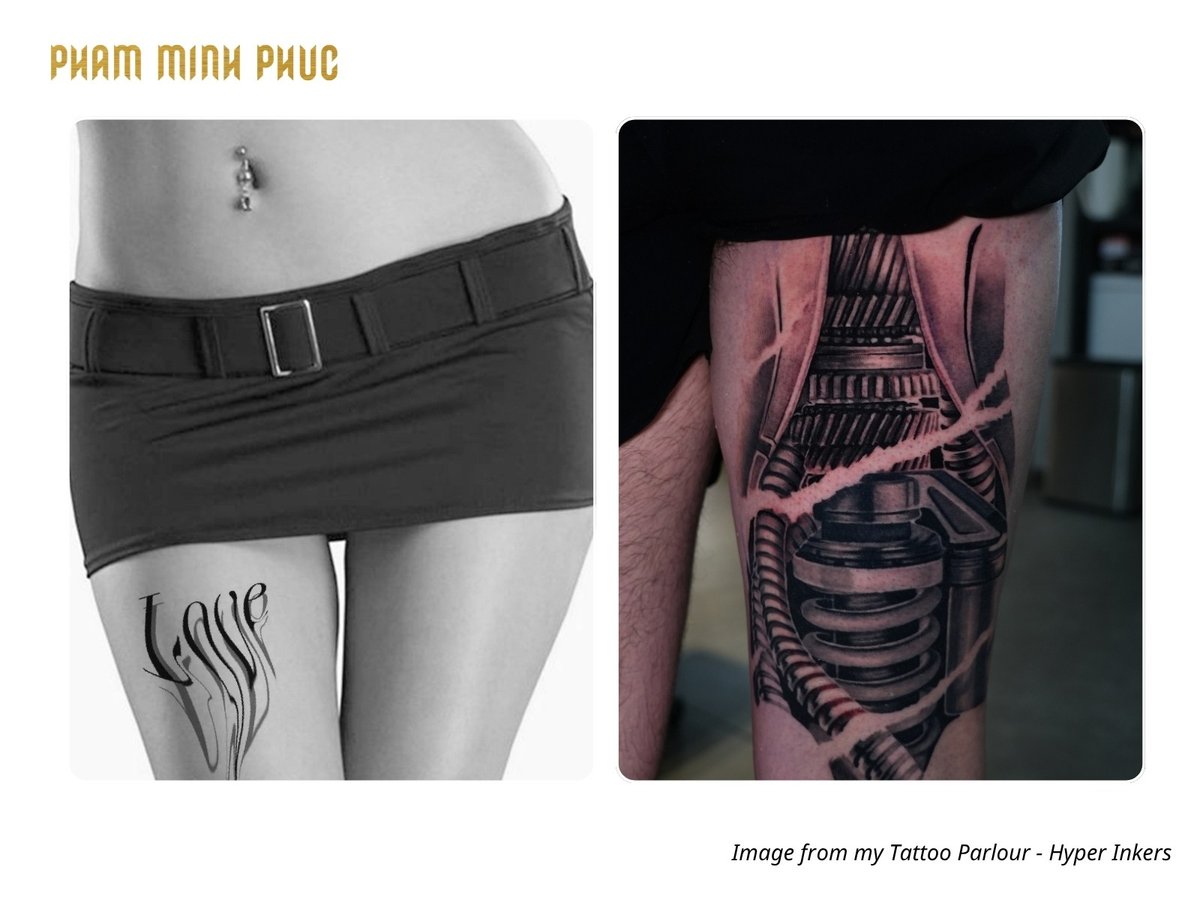
The upper thigh placement encompasses the broad area from just below the hip down toward the mid-leg. This zone offers a massive, relatively flat canvas supported by a substantial fat cushion that perfectly accommodates intricate mandalas, animal portraits, and large-scale floral arrangements. You must carefully check the tattoo stencil placement in multiple physical positions before the artist begins tattooing.
The thigh distortion trap occurs when an artist places a perfectly circular stencil while you stand straight. The moment you sit down, your thigh muscles compress and expand, stretching the perfect circle into an uneven oval. Verifying the design in both standing and seated positions guarantees structural accuracy.
Outer Thigh /Side Thigh
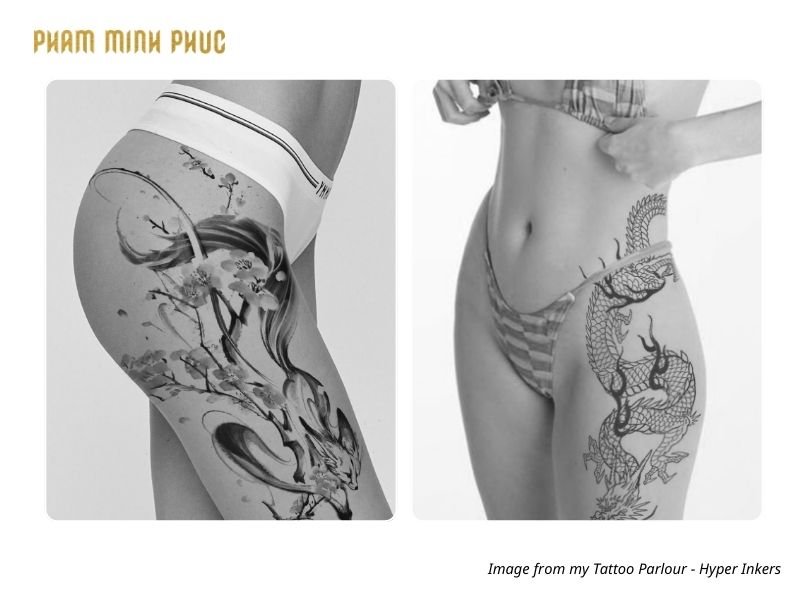
The outer thigh or side thigh spans the exterior fleshy portion of the upper leg between the hip and the knee. This zone serves as one of the least painful tattoo placements on the human body because the thick layer of muscle and fat effectively cushions the needle impact. This expansive area beautifully accommodates large-scale portraiture, sweeping Japanese koi fish, and bold American Traditional pieces. You gain an excellent foundation for enduring long, multi-hour sessions with minimal discomfort.
Inner Thigh
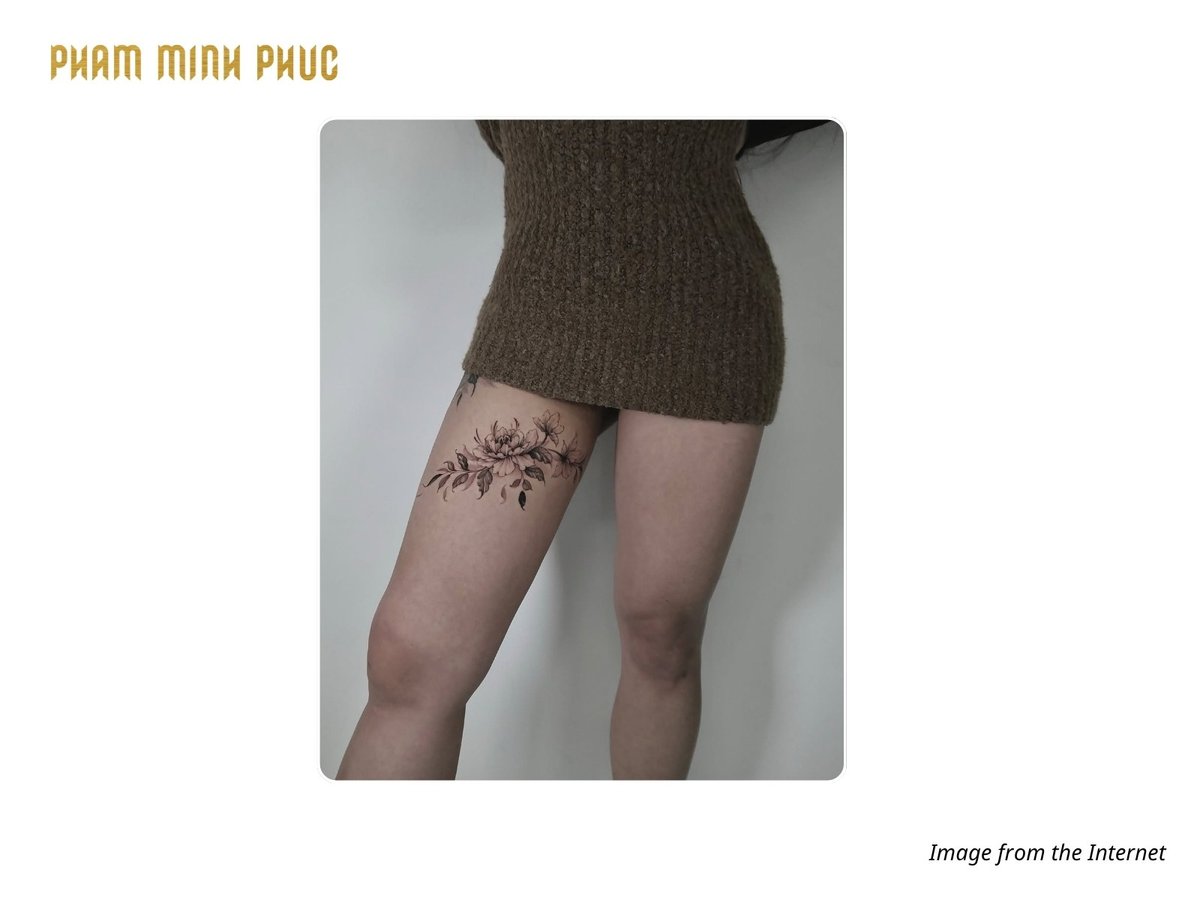
The inner thigh placement involves the sensitive interior surface of the upper leg facing the opposite limb. This area presents a highly sensitive canvas due to a dense concentration of nerve endings and exceptionally thin skin. Clients frequently choose this private location for secret quotes, delicate fine-line symbols, and small ornamental shapes. This specific placement experiences constant mechanical friction from walking, so you must commit to wearing loose, breathable clothing to prevent severe chafing and protect the fresh pigment.
Quadriceps (Front Thigh)
The quadriceps or front thigh area covers the prominent, forward-facing muscle group above the kneecap. The natural shape of these muscles supports bold designs like symmetrical animal faces, large geometric patterns, and neo-traditional portraits flawlessly. You gain a highly visible piece of art when wearing shorts while maintaining the ability to conceal it entirely under long pants.
See more about thigh tattoo placement
Knee / Around the Knee
The knee and around the knee placement centers directly over the patella and the surrounding joint structure. The thick skin directly over the kneecap requires intense needle pressure, making it an ideal spot for symmetrical spiderwebs, fierce animal faces, and circular mandalas. The constant bending motion heavily disrupts the healing process. You must carefully navigate the knee ditch nightmare located directly behind the joint. This specific hollow area features incredibly thin, constantly folding skin that traps sweat and presents the highest risk of permanent ink blowout on the entire leg.
Shin (Front Lower Leg)
The shin placement sits on the front of the lower leg directly over the prominent tibia bone. This anatomical structure causes an intense, sharp pain level due to the complete lack of muscle padding, yet it provides a striking flat canvas for long daggers, vertical script, and tribal totems. You will likely experience the shin twitch reflex during the procedure. The needle triggers specific motor nerves near the bone, causing your leg to jerk involuntarily. You must focus on deep breathing and relax your muscles rather than fighting the natural spasms to help the artist maintain clean, straight lines.
Calf (Back Lower Leg)
The calf placement refers to the muscular back portion of the lower leg situated between the knee and the ankle. This well-muscled area provides a moderate pain level and utilizes the natural curvature of the gastrocnemius muscle to add a dynamic, three-dimensional quality to the artwork. Realistic portraits, bold American traditional pieces, and flowing Japanese motifs look exceptionally powerful on this muscular canvas.
Ankle
The ankle tattoo placement encompasses the bony prominence and the delicate skin just above the foot joint. This area offers a subtle and elegant location for delicate body art, naturally complementing fine-line script, tiny botanical symbols, and minimalist bands that mimic permanent jewelry. The thin skin sits directly over the bone, making the procedure moderately painful, but the resulting aesthetic provides a highly sophisticated and discreet statement.
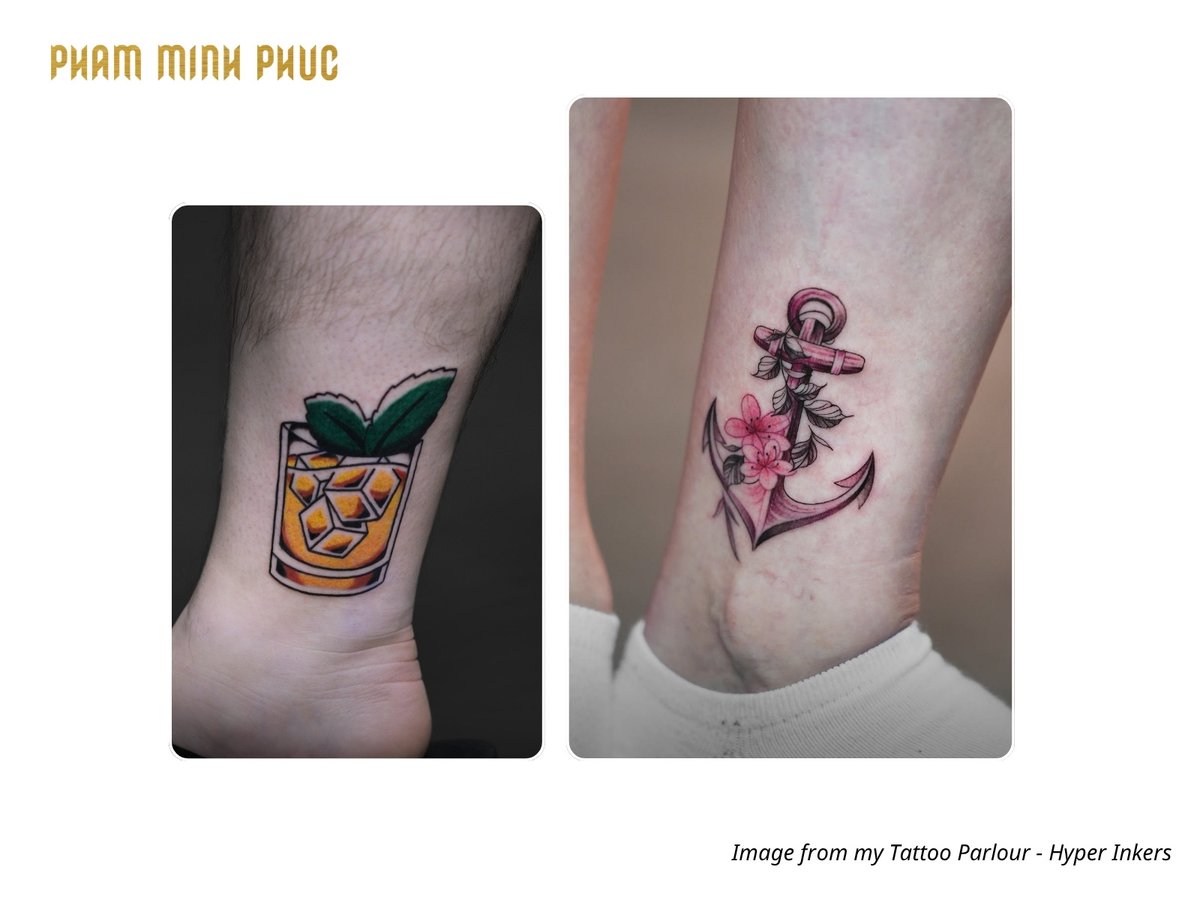
Foot
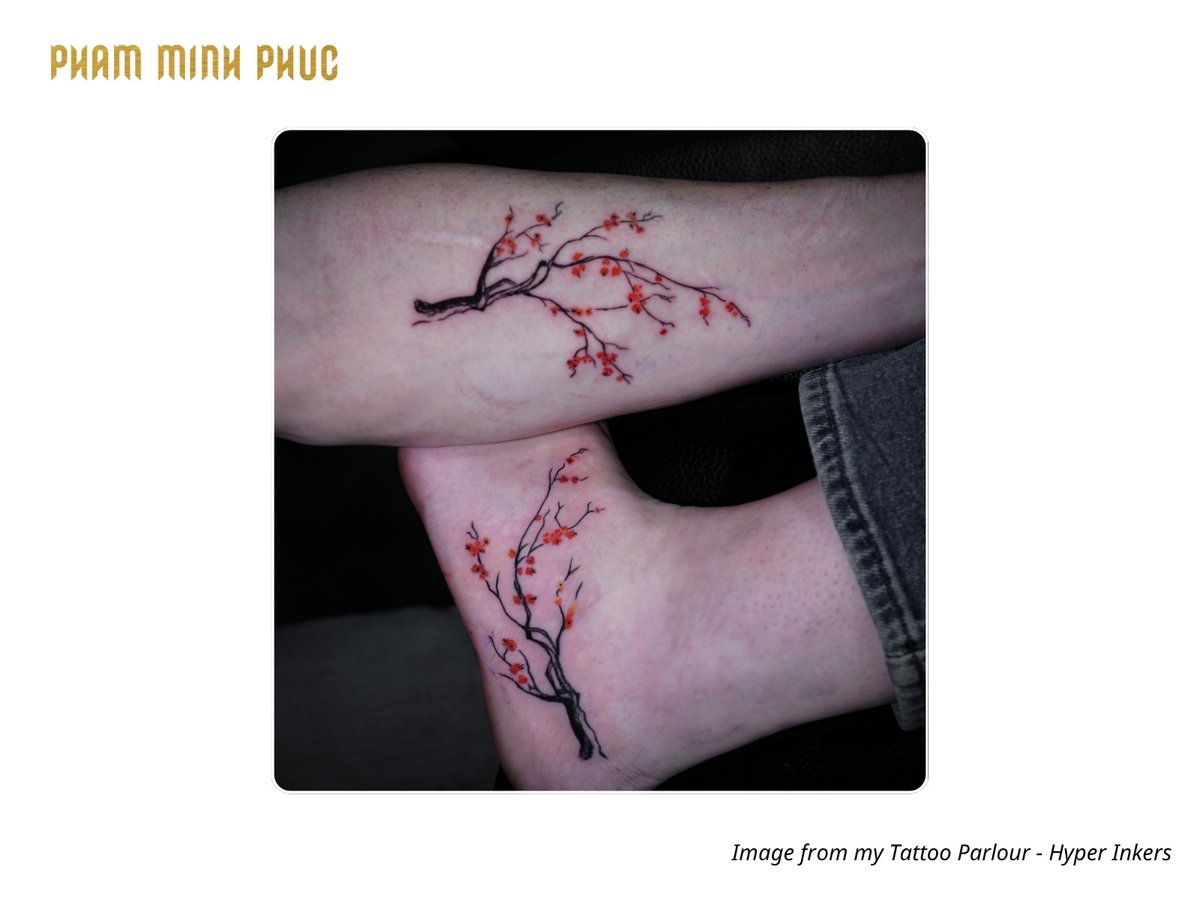
The foot placement covers the top surface and the narrow sides extending from the ankle down to the toes. This location perfectly accommodates ornamental henna-inspired patterns, meaningful quotes along the arch, and small traditional stars. Foot tattoo placement requires extreme dedication due to severe pain levels and an incredibly demanding healing process.
The thin skin covers a dense network of bones and nerves, while constant shoe friction virtually guarantees rapid ink fading. You must elevate your foot extensively to combat gravity, as blood and plasma will pool around the ankles and create massive swelling.
Full Leg: From Thigh to Ankle
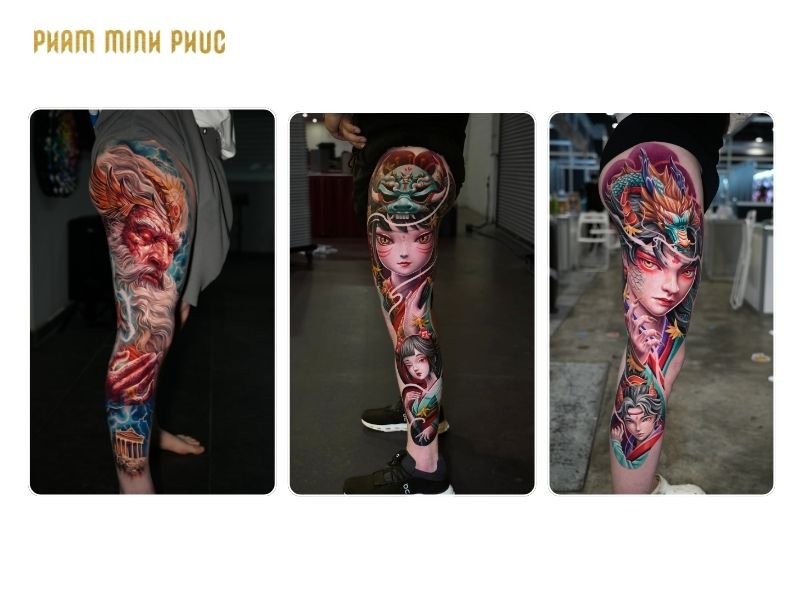
The full leg placement extends from the upper thigh down to the ankle, encompassing the entire surface area of the limb. This monumental project requires an immense commitment of time, finances, and pain endurance to transform the leg into a single, cohesive masterpiece.
You must prepare for forty to over one hundred hours of active tattooing spread across multiple careful healing phases. This massive canvas perfectly accommodates elaborate Japanese irezumi featuring sweeping dragons, intricate biomechanical armor, and expansive nature scenes that utilize the full anatomy for powerful storytelling.
Which Tattoo Styles Work Best on the Leg?
Specific tattoo styles work best on the leg by utilizing the massive surface area and unique muscle shapes to create high-impact visuals. You must select technical approaches that enhance your specific anatomical structure.
- Black and Grey: Smooth shading and high contrast utilize the natural curves of the calf and thigh muscles to create realistic depth. This style ages exceptionally well on the lower body because it relies on strong tonal values rather than delicate pigments.
- Solid Color Work: Highly saturated pigments create vibrant, eye-catching designs across the broad surfaces of the outer thigh and shin. You must protect these bright pieces from direct sun exposure to maintain their brilliance over the years.
- Japanese Traditional (Irezumi): Sweeping dragons and koi fish utilize the calf and full leg sleeve canvas to tell cohesive, flowing stories.
- American Traditional: Bold black outlines and heavy color packing perform exceptionally well on the flat surfaces of the shin and outer thigh.
- Biomechanical: Intricate machinery designs map perfectly onto the quadriceps and calf muscles to create a realistic cyborg illusion.
- Ornamental Geometry: Symmetrical mandalas and bold geometric patterns frame the kneecap and upper thigh beautifully.
- Realism: Large-scale animal and human portraits fit flawlessly on the wide, smooth expanse of the outer thigh.
Leg Tattoo Aftercare: Pants, Pets, and Hygiene
Leg tattoo aftercare demands strict environmental control and strategic clothing choices to prevent dangerous ground-level bacterial infections. The lower extremities experience massive gravity-induced swelling and constant interaction with environmental dirt. You must implement these strict hygiene protocols to protect your healing skin and ensure the ink settles perfectly.
- Wear loose-fitting garments: You must abandon tight denim jeans, athletic leggings, and restrictive trousers entirely for the first two weeks. Stiff fabrics act like sandpaper against the raw epidermis, aggressively ripping away protective scabs and pulling fresh pigment directly out of the dermis.
- Banish pets from the healing zone: Your legs constantly interact with pet dander, floor bacteria, and street dust. You must change your bedsheets immediately and keep dogs or cats completely off your bed to maintain a sterile environment for the open wound. Animal hair carries aggressive bacteria that will easily infect a fresh lower-body tattoo.
- Wash the wound meticulously: You must clean the tattooed area two to three times a day using unscented antibacterial soap and lukewarm water. You should always pat the skin dry with a clean, single-use paper towel because standard fabric bath towels harbor invisible bacteria from previous uses.
- Elevate the leg consistently: Gravity forces blood and healing plasma to pool around the calves and ankles, creating intense throbbing pain and severe swelling. You must elevate your leg above your heart on thick pillows whenever you sit or sleep to drain the excess fluid safely and regain normal mobility.
Will Leg Day, Weight Gain, or Cellulite Ruin Your Leg Tattoo?
Leg day, weight gain, and cellulite alter the appearance of your leg tattoo gradually based on your skin elasticity. Moderate muscle growth from weightlifting expands the skin uniformly and rarely distorts high-quality artwork.
Rapid weight fluctuations stretch the dermis aggressively and cause precise geometric lines to warp. You should select organic designs like floral arrangements because these natural shapes hide minor skin stretching and cellulite variations beautifully.
Can you wear pants after getting a leg tattoo?
You can wear pants after getting a leg tattoo only if you select loose-fitting, breathable cotton garments. Tight denim jeans and athletic leggings act like sandpaper against the raw epidermis. This severe mechanical friction rips away the protective scabs, pulls the fresh ink out of the dermis, and introduces harmful bacteria into the open wound.
Can you go to the gym after getting a leg tattoo?
You cannot go to the gym after getting a leg tattoo for a minimum of fourteen days. Gym environments harbor aggressive bacteria strains on shared equipment surfaces. Heavy physical exertion forces the leg muscles to expand and contract violently, which tears the healing tissue and forces the body to expel the new pigment through excessive sweating.
How long does a full leg sleeve take?
A full leg sleeve takes anywhere from 40 to over 100 hours of active tattooing to complete. This monumental project requires multiple full-day sessions spread across several months or years to allow each specific zone adequate healing time. The total duration depends entirely on the complexity of the design, the artist’s working speed, and your personal pain endurance during each session.
Is it normal for your leg tattoo to throb when you stand up?
It is completely normal for your leg tattoo to throb intensely when you stand up during the first 48 hours. Gravity forces blood and inflammatory fluids to rush directly down into your traumatized lower extremities, creating immense vascular pressure. You must actively combat this painful gravity effect by elevating your leg on thick pillows above the level of your heart whenever you sit or sleep to drain the excess fluid safely.
Securing a vibrant leg piece demands absolute dedication to specialized lower-body aftercare. The individual prevents massive pigment loss by entirely avoiding tight denim fabrics and elevating the limb to counteract vascular pooling. The client also guarantees proper healing by eliminating pet dander and floor bacteria from the immediate recovery environment. As a San Antonio-based custom artist, I specifically design artwork to flow with the natural expansion and compression of the thigh muscles. If the objective involves a powerful, large-scale composition that respects your body mechanics, I am ready to evaluate the canvas.