Foot tattoo placement conceals permanent artwork effortlessly within standard corporate environments. The lower extremity encompasses diverse anatomical canvases including the flat top of the foot, the narrow sides, the delicate toes, and the highly regenerative sole. Clients value this specific region because simple footwear choices grant total control over public visibility. The broad surface over the metatarsal bones perfectly supports bold American Traditional designs and precise geometric mandalas without distortion.
Decorating this extremity guarantees intense physical pain and high-maintenance recovery protocols. The tattoo needle strikes the metatarsal bones directly through extremely thin skin, generating severe skeletal vibration during the procedure. Additionally, gravity forces blood to pool around the open wound, triggering extreme swelling immediately after the session. I, Minh Pham, structured this guide to explain the inevitable ink fallout process, the danger of floor bacteria, and the mandatory open-toed shoe requirements in the analysis below.

Table of Contents
Who is a Foot Tattoo Suitable For?
A foot tattoo suits individuals who possess significant lifestyle flexibility and a proven capacity for high pain endurance. You must strictly evaluate your daily footwear restrictions and your tolerance for inevitable ink fallout before committing to this challenging placement.
- The Flip-Flop Wearer: This placement perfectly matches clients who work from home or possess the freedom to wear open-toed shoes for two to three weeks. You must avoid this location entirely if your daily routine requires heavy steel-toed boots or tight athletic sneakers. Adhering to strict footwear restrictions prevents friction from destroying the healing dermis and ruining your final artwork.
- The Hidden Professional: This placement offers ultimate discretion for corporate workers. You maintain absolute control over your tattoo’s visibility because standard office footwear conceals the artwork completely. This location allows you to possess a bold design that you only reveal during personal time at the beach or in open-toed shoes.
- The Pain Stoic: The foot demands a pain stoic because the tattoo machine needle strikes multiple tiny metatarsal bones directly. Professional artists strongly advise against choosing this specific area for your first tattoo experience. You must possess a high pain threshold to remain perfectly still during the intense, vibrating procedure.
- The Realistic Collector: This area appeals to realistic collectors who understand the biological limitations of extremity tattoos. The skin on your feet sheds rapidly, which guarantees some degree of natural ink fallout over time. You must set practical touch-up expectations and budget for future maintenance sessions to keep the design looking crisp and complete.
Main Foot Tattoo Placement
The main foot tattoo placement divides into distinct anatomical zones featuring varying skin thicknesses and friction exposure levels. You must understand how daily movement affects each specific area to choose the most durable location for your design.
The Top of the Foot
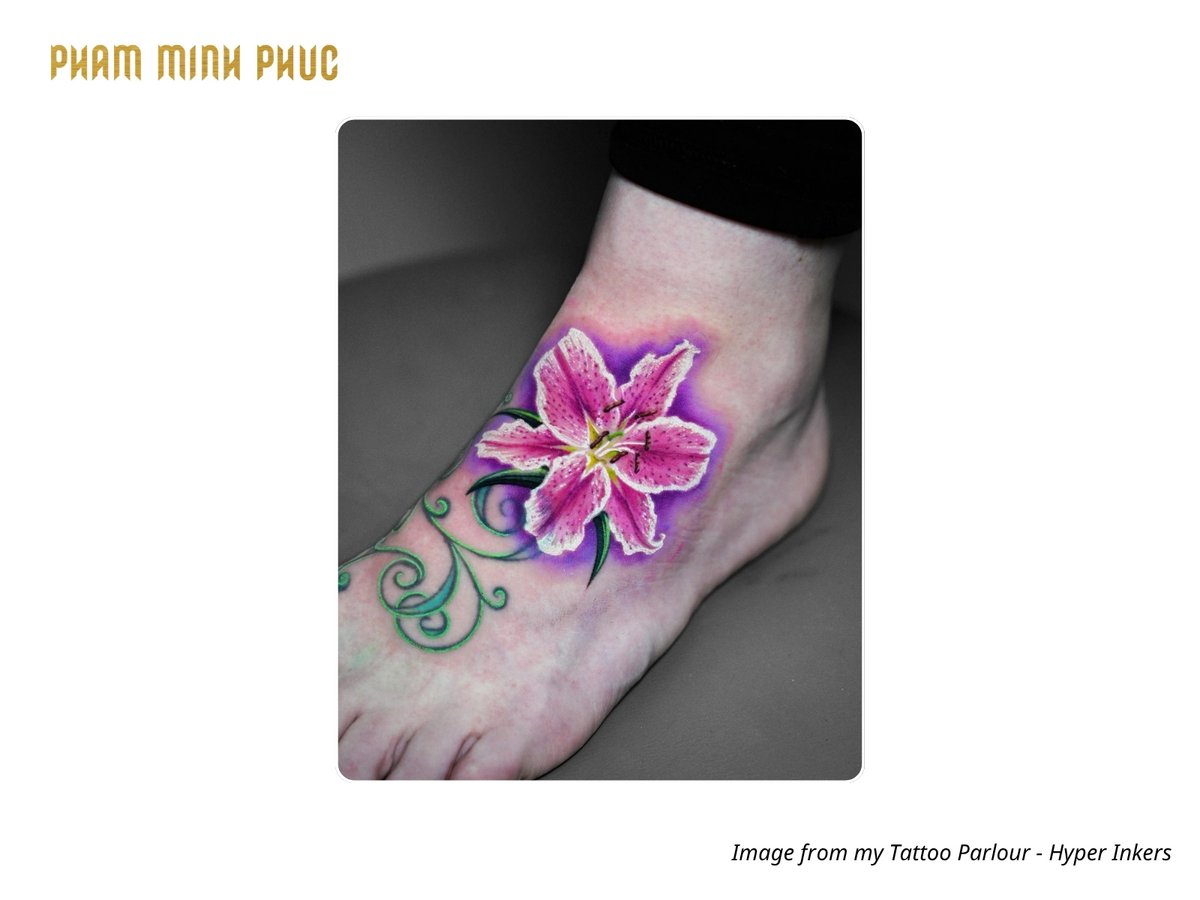
The top of the foot provides a broad, flat canvas situated directly over the metatarsal bones. The extremely thin skin lacks a protective fat cushion, resulting in intense machine vibrations and a high risk of pigment blowout. You must select an artist who controls their machine pressure perfectly to prevent permanent blue halos on this delicate surface. These specific physical traits make the top of the foot highly suitable for intricate mandalas, detailed floral patterns, and expansive geometric shapes. The flat expanse allows these complex structures to rest naturally without distortion when you stand or walk.
The Sides of the Foot
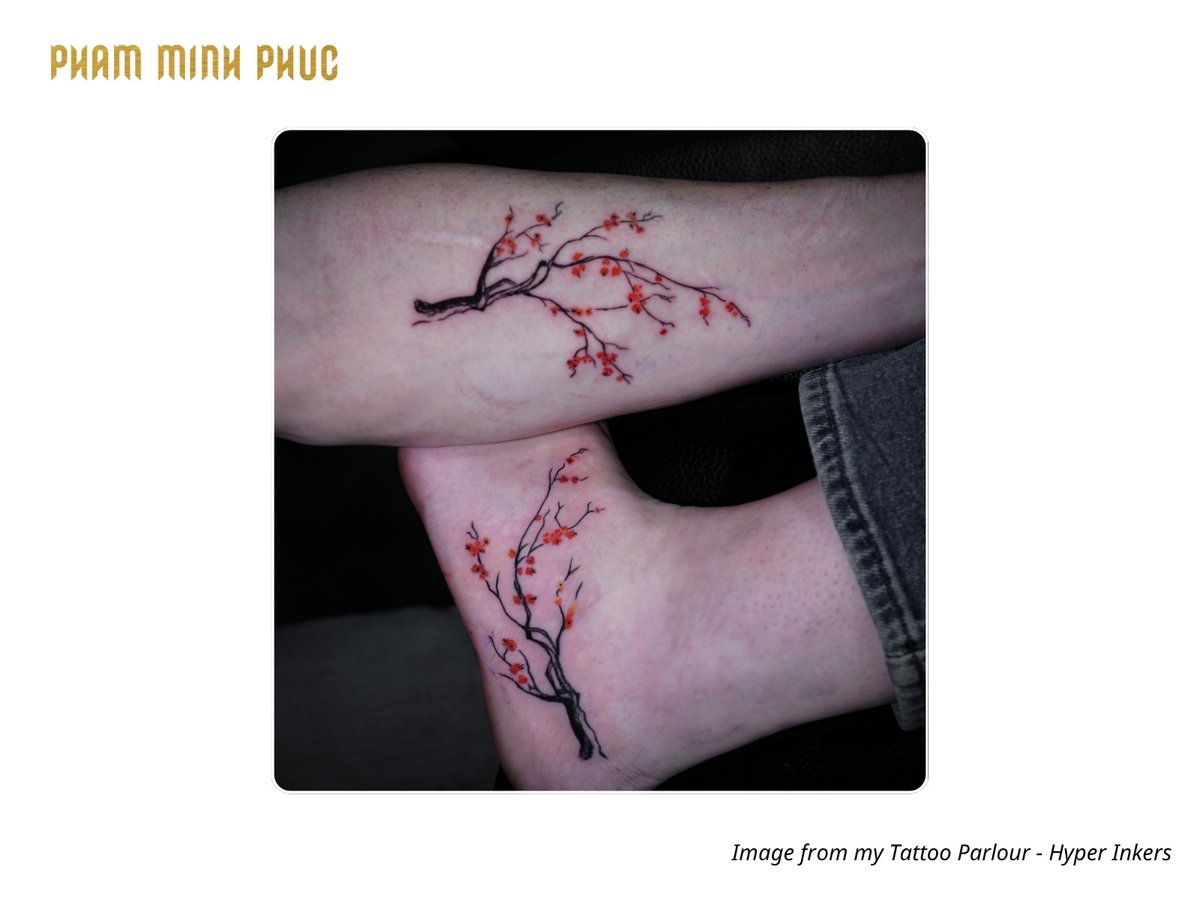
The sides of the foot offer a long, narrow anatomical space that experiences constant mechanical friction from shoe edges. A professional artist always establishes a strict one-inch buffer zone above the sole to protect the ink from the thick, calloused bottom skin. Placing ink too close to the bottom guarantees massive pigment fallout within the first week of walking. This elongated canvas naturally accommodates flowing script, meaningful quotes, and minimalist linear designs. These specific styles fit the horizontal space perfectly and maintain their clarity despite high daily wear.
The Toes
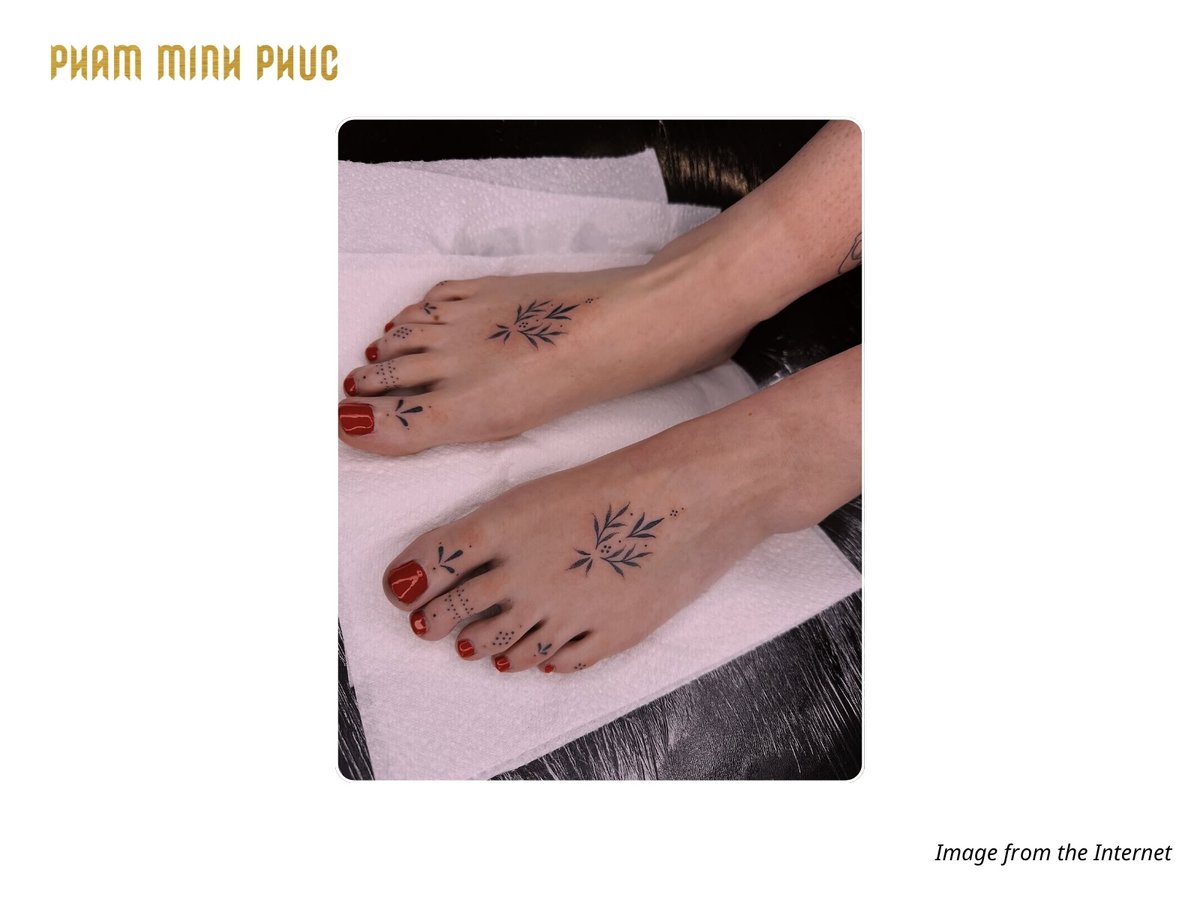
The toes present a tiny, highly sensitive surface containing a dense concentration of nerve endings. This anatomical structure causes extreme pain during the procedure and subjects the ink to constant rubbing between adjacent digits. You should anticipate rapid fading in this zone due to friction from tight toe boxes and daily movement. These severe spatial limitations make the toes perfect for dainty accents, tiny decorative dots, or minimalist symbols. Simple ring bands and small botanical leaves also perform well here because their bold lines resist the inevitable spreading caused by constant friction.
The Sole
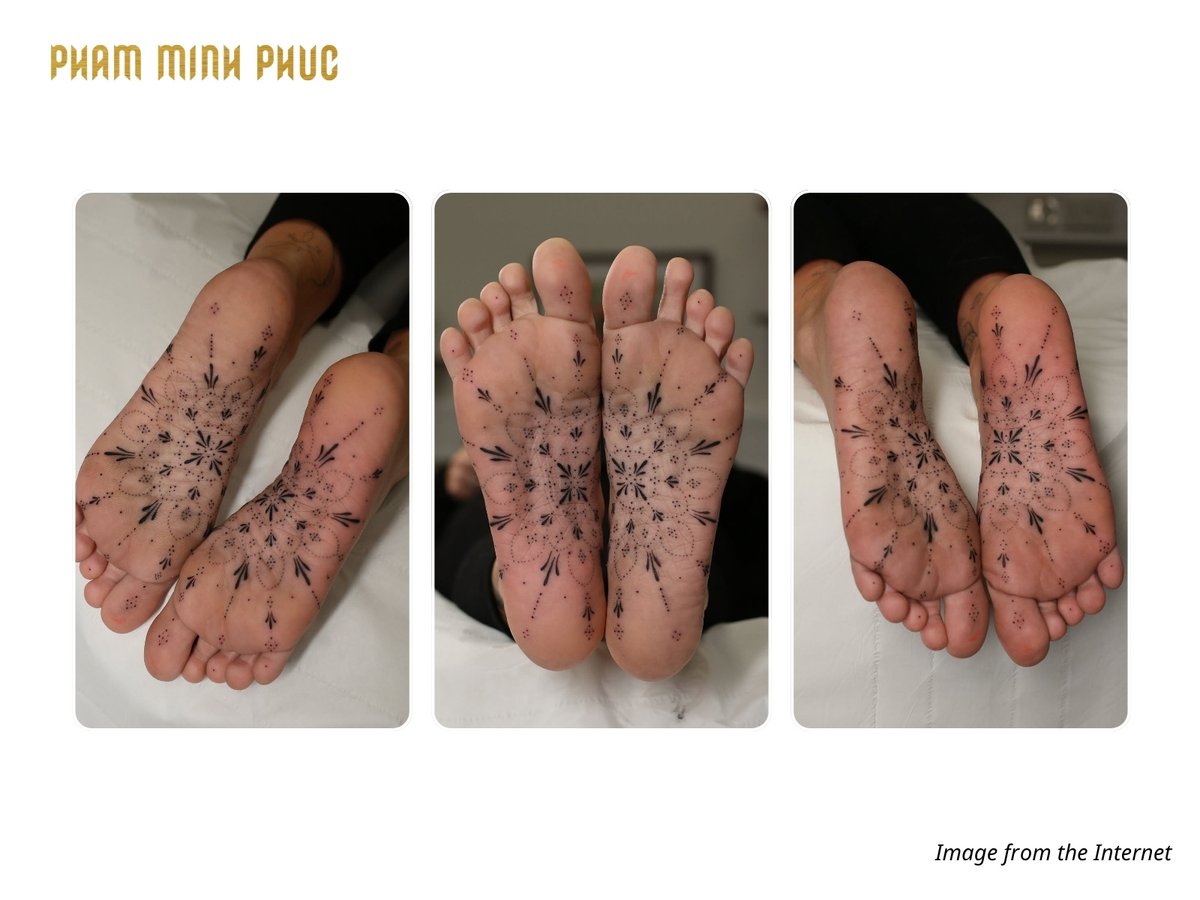
The sole features thick, calloused skin with an extremely rapid cell regeneration rate. Tattoos in this location serve as temporary personal experiences rather than permanent art pieces because the rapid skin shedding process forces the ink to disperse and disappear almost entirely within a few months. You must rely on simple, bold ideas if you choose this specific area. Thick geometric lines or heavy blackwork symbols remain the only popular designs capable of surviving the aggressive cell turnover process for a short period.
Ankle
The ankle surrounds the prominent bone joint to provide a durable foundation elevated slightly above standard shoe friction zones. Tattoos placed just above the heel experience less direct rubbing than the lower foot edges, allowing the ink to maintain its vibrancy significantly longer. This versatile position perfectly supports delicate anklet designs, botanical vines, and meaningful symbols that wrap around the bone. The natural curves of the joint create a beautiful framing effect for ankle tattoo placement, making elegant and compact designs easy to conceal or display
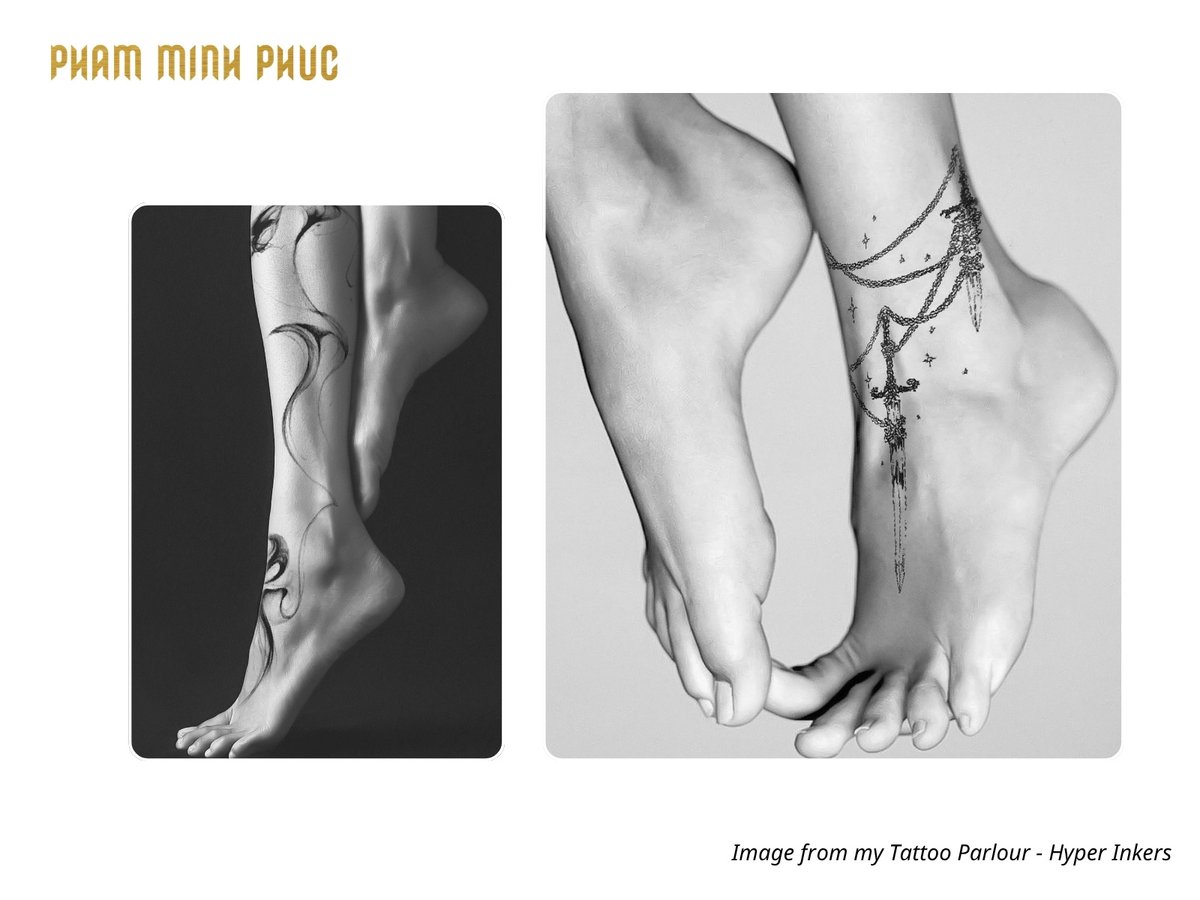
Which Tattoo Styles Work Best on the Foot?
Specific tattoo styles work best on the foot by counteracting the natural fading process caused by daily wear and tear. You must select technical approaches that prioritize structural integrity over delicate micro-details to ensure your artwork survives constant shoe friction and rapid skin regeneration.
- American Traditional: Bold outlines and heavy color saturation maintain long-term legibility. This robust style actively resists the natural spreading of ink caused by high cellular turnover on the extremities.
- Minimalism: Simple symbols and clean lines perform exceptionally well on the upper ankle and the top of the foot. The intentional lack of dense shading prevents the design from turning into a blurry smudge as the skin ages.
- Bold Fine-Line: Standard fine-line work often disappears completely on the extremely thin skin of the foot. Using a slightly thicker needle grouping for delicate botanical vines or script ensures the pigment stays firmly anchored in the shallow dermis.
- Ornamental and Geometric: Symmetrical mandalas and bold geometric shapes utilize the flat expanse of the upper foot perfectly. These highly structured designs age gracefully because their clear boundaries withstand high environmental friction.
You must strictly avoid hyper-realistic portraits or soft micro-shading on the lower foot. The constant skin exfoliation and daily shoe rubbing will quickly blur those delicate gradients into an unrecognizable shape within the first year of healing.
Foot Tattoo Aftercare: Swelling, Hygiene, and Shoes
Foot tattoo aftercare demands meticulous attention to swelling management, strict hygiene, and strategic footwear choices. You must prepare thoroughly for the physical realities of the initial healing phase to ensure optimal pigment retention.
- Gravity and Blood Pooling: Blood and plasma rush directly to your feet due to gravity the moment you stand up after your session. This pooling creates an intense throbbing pain. You must elevate your foot above your heart on a pillow for the first 48 hours to relieve vascular pressure and reduce severe swelling.
- The Floor Bacteria Threat: Your feet exist in the dirtiest environmental zone. Walking barefoot on floors exposes your open wound to pet dander, dust, and dangerous ground-level bacteria. You must keep your floors pristine, change your bedsheets immediately, and avoid walking barefoot completely during the first two weeks.
- Footwear Preparation: Arriving at your appointment in tight sneakers guarantees a painful exit. Your foot will swell significantly during the procedure. You must bring a pair of loose flip-flops or open sandals to wear home safely without crushing your fresh ink.
How long does a foot tattoo take to heal?
A foot tattoo takes approximately two to four weeks to heal on the superficial surface layer. The deeper dermis layers require up to three full months to recover completely and lock the pigment into place. Your diligence in minimizing friction during this entire period dictates the final visual quality.
FAQs about Foot Tattoo
Why Do Foot Tattoos Fade Faster?
Foot tattoos fade faster than other placements due to relentless mechanical friction and rapid cell turnover. Every step you take rubs socks and shoe materials directly against the skin, actively exfoliating the upper layers and wearing away the ink. Frequent sun exposure while wearing open-toed shoes further accelerates pigment degradation.
How Much Does a Foot Tattoo Hurt?
A foot tattoo hurts intensely because the area lacks protective muscle and fat tissue. The needle strikes thin skin situated immediately above dense bones and highly concentrated nerve endings. The sensation registers as a sharp, jarring vibration that places this location near the very top of the standard tattoo pain chart.
Can you walk normally after getting a foot tattoo?
You cannot walk normally immediately after getting a foot tattoo. The localized swelling and acute throbbing make bearing full weight extremely uncomfortable for the first few days. You must plan for adequate rest and limit your walking to essential movements only to prevent excessive tissue trauma.
Should you get both feet tattooed at the same time?
You should not get both feet tattooed at the same time. Tattooing both feet simultaneously eliminates your ability to walk or balance safely during the intense initial healing phase. Staggering the appointments allows you to rely on one healthy foot while the other recovers.
Can you wear socks to protect my fresh foot tattoo?
You can wear socks to protect your fresh foot tattoo only if you select clean, 100% cotton options with a loose fit. Tight athletic socks trap sweat and adhere directly to the drying plasma, which rips off the protective scabs upon removal. Leaving the foot bare in a sterile environment remains the safest strategy for the first few days.
Do foot tattoos require touch-ups?
Foot tattoos require touch-ups frequently to maintain their original boldness and clarity. The extreme environmental conditions and constant physical friction guarantee some degree of ink fallout. Budgeting for a professional touch-up after the first year ensures your artwork stays vibrant and complete.
Discover full tattoo placement guide to find your favorite spot
Preserving a foot tattoo demands strict discipline regarding footwear and environmental hygiene. The individual prevents massive pigment loss by completely avoiding tight sneakers and heavy boots during the initial healing weeks. The client must also elevate the limb consistently to counteract vascular pressure and reduce throbbing pain. As a San Antonio-based custom artist, I specifically calibrate needle depth to manage the rapid cellular turnover of the lower extremities. If the goal is a bold design that survives daily mechanical friction, I am ready to evaluate the canvas.