Walk-in tattooing refers to an immediate body art service where clients visit a studio to receive a tattoo on the spot, without the need for prior scheduling or deposits. This approach is specifically tailored for travelers, beginners, or collectors seeking immediate gratification through simpler concepts. However, while it offers lower commitment and cost-efficiency, it trades off the deep customization and artist selection found in bespoke appointments.
The workflow follows a strict protocol for safety and efficiency: verifying availability, inspecting studio cleanliness, and completing legal paperwork before the procedure begins. Ideal for bold, uncomplicated designs like script or traditional symbols, this method maintains hospital-grade hygiene standards comparable to custom sessions when executed by professionals. Pricing is transparent, usually starting at a shop minimum or a fixed rate.
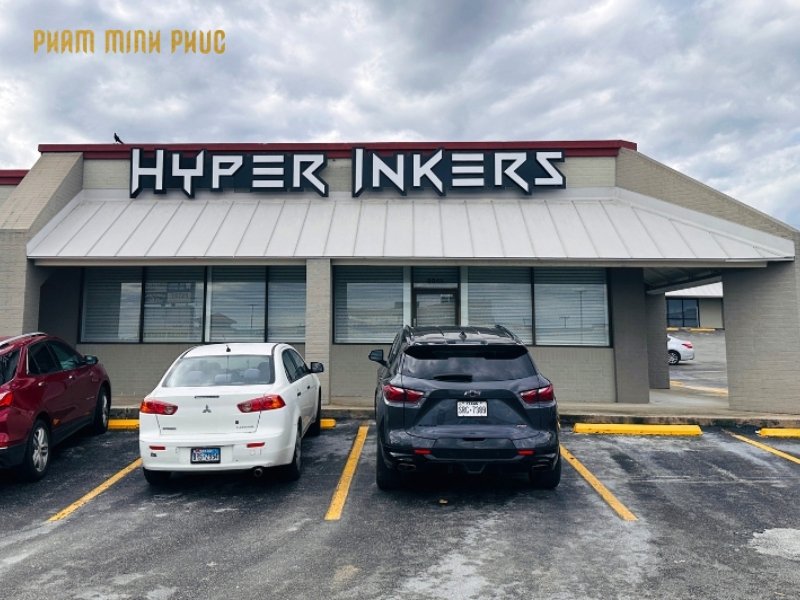
In this article, I – Minh Pham, owner of Hyper Inkers, will guide you through the walk-in experience, weighing the pros and cons and outlining the crucial dos and don’ts. We will review the best design ideas, clarify quality and cost expectations.
Table of Contents
What Is a Walk-in Tattoo?
A walk-in tattoo is a service where you enter a tattoo studio and request to be tattooed immediately, contingent on artist availability. Unlike the standard booking process that requires weeks of planning, consultation, and deposit placement, a walk-in is driven entirely by spontaneity.
This approach caters specifically to clients seeking immediate gratification or those driven by an impulsive desire to commemorate a specific moment in time. It is the perfect solution for travelers wanting a permanent souvenir of their trip, beginners looking for a low-commitment entry into body art, or seasoned collectors looking to fill small gaps between larger pieces.
Many studios host special “Flash Days” or events such as Friday the 13th to facilitate this body art experience. During these events, artists offer a curated range of specific pre-designed options at set prices, making it a fun and accessible way to acquire new ink. Since this service relies heavily on pre-drawn artwork rather than custom concepts, it is essential that you understand what is a flash tattoo to ensure this “ready-to-wear” style aligns with your aesthetic goals.
What Are the Pros and Cons of Walk-in Tattoos?
Deciding between a walk-in and an appointment tattoo requires weighing speed against design complexity. While this approach offers an exciting path to get a tattoo immediately, you must understand the trade-offs to ensure the final result matches your expectations.
Pros of Getting a Walk-In Tattoo
Walk-in sessions offer distinct advantages, especially if you want a quick and accessible way to enter the tattoo world without waiting months.
- Immediate Gratification: You walk out with a finished piece of art the same day you came up with the idea.
- Lower Commitment: It is ideal for small, fun designs without the pressure of a major financial or time investment.
- Discover New Talent: Walk-ins are an excellent way to experience a new shop or test the skill level of an apprentice before committing to a larger project.
- Cost-Effective: Because the designs are simple and pre-sized, the final price is often lower and more predictable than hourly custom work.
Cons of Getting a Walk-In Tattoo
However, spontaneity comes with limitations. This method might not work for clients looking for highly specific or large custom projects.
- Limited Artist Choice: You will be tattooed by whichever artist is free at that moment, rather than selecting a specialist for your preferred style.
- Design Constraints: You cannot request complex realism, full sleeves, or intricate cover-ups. The design must be simple enough to complete in a single session.
- Wait Times: Walk-in status does not guarantee instant service. You may still have to wait in the lobby if the shop is busy or the artist is finishing another client.
What Is the Difference Between Walk-in Tattoos and Tattoo Appointments?
The fundamental difference lies in the level of planning and customization. A walk-in is welcomed strictly on a first-come, first-served basis that prioritizes speed and efficiency. This method bypasses the consultation phase entirely, meaning you usually select from existing flash artwork or bring a simple concept that requires zero drafting time. It is driven by spontaneity and the immediate availability of the artist on that specific day.
Conversely, a tattoo appointment is a reserved block of time dedicated to creating a bespoke narrative. This process involves paying a deposit to secure a time on the artist’s schedule for a thorough consultation, anatomical drafting, and execution. Appointments are mandatory for large-scale work such as back-pieces or sleeves where the art must flow perfectly with the body’s musculature and requires significant preparation.
How Does a Walk-in Tattoo Work?
The walk-in process follows a streamlined protocol to ensure efficiency and safety. Since you are skipping the planning phase, following these steps will help you navigate the experience smoothly.
- Check Availability: Before heading to the studio, you should always verify if they have availability. Call the shop directly or check their social media updates to confirm they are accepting walk-in clients that day. This saves you from a wasted trip if their artists are already fully booked with appointments.
- Assess Shop Cleanliness: Upon arrival, you need to immediately look at the cleanliness and professionalism of the environment. A reputable studio should look organized and it should have the same clean and hygienic aroma typically found in a medical facility. If the shop looks dirty or disorganized, you should leave immediately to protect your health.
- Select Your Design: You will browse through physical binders, flash sheets on the walls, or digital portfolios to select your artwork. If you have your own idea, show the artist your reference image to ensure it is simple enough to be completed quickly. This is also the time to agree on the fixed price for the piece.
- Complete Paperwork: Once the design is settled, you must provide a valid government-issued ID to prove you are over 18 years old. You will then fill out a legal consent form regarding your health history while the artist prepares the station.
- Preparation and Execution: The artist will set up the workstation using single-use needles and sterilization barriers right in front of you. They will apply a stencil to your skin for your final approval regarding size and placement. Once you give the go-ahead, the artist begins the tattooing process immediately.
What Are the Best Walk-in Tattoo Design Ideas?
The best walk-in designs are bold, simple, and universally recognizable. Since the artist has zero preparation time, the imagery must be straightforward to execute cleanly.
- Flash Sheets: Traditional American designs (anchors, hearts, daggers) are the gold standard for walk-ins.
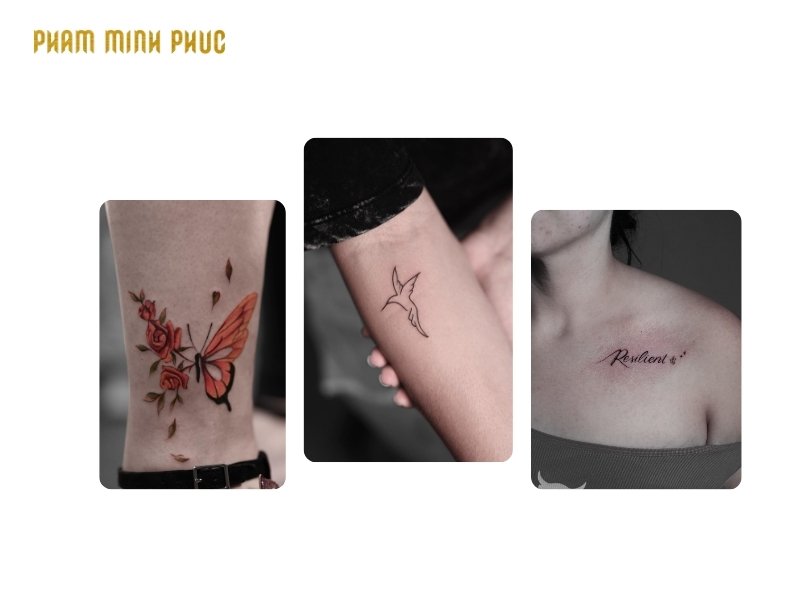
- Script & Lettering: Names, dates, or short quotes are perfect for quick sessions.
- Small Symbols: Minimalist geometric shapes, zodiac signs, or simple line work.
- Gap Fillers: Small, odd-shaped designs intended to fit into the empty spaces between larger existing tattoos on a collector’s limb.
What Should You Do and Not Do For a Walk-in Tattoo?
Although my primary focus is now on custom tattoo projects, my studio, Hyper Inkers, actively accommodates walk-in clients daily. As the owner, I have witnessed firsthand how client behavior directly impacts the quality of the final result. Based on my experience managing these dynamics, here is my professional advice on how to navigate this process smoothly.
The Dos
- Do Tip Your Artist: Tipping 15-25% is standard industry practice. Even for a quick tattoo, the artist is giving you their utmost effort and focus, so expressing appreciation is fundamental.
- Do Be Open-Minded: If an artist tells you a design is too small or will not age well over time, you should trust their professional judgment. They are trying to prevent your tattoo from becoming a blurry mess in the future.
- Do Be Patient: You must remember that you are squeezing into their schedule without an appointment. Waiting in the lobby is part of the deal, so bring a book or charge your phone.
The Don’ts
- Don’t Haggle: Prices for flash designs and shop minimums are calculated to cover expensive sterile supplies. Attempting to negotiate the price is considered disrespectful in the tattoo industry.
- Don’t Ask for Major Changes: If you want to redesign the flash completely or add complex details, you are looking for a custom service. Do not expect an artist to redraw an entire concept during a walk-in slot.
- Don’t Show Up Intoxicated: Never arrive drunk or under the influence. No professional artist will tattoo you because alcohol thins your blood and makes the process unsafe.
Are Walk-in Tattoos Good Quality?
Yes, a walk-in tattoo is of equal quality to a custom appointment when performed by a reputable professional. At a high-end studio, the artist uses the same single-use needles, the same high-quality non-toxic ink, and the same hygiene protocols regardless of whether you booked months ago or walked in ten minutes ago. The only difference is the complexity of the art, not the quality of the application. However, if you choose a “scratch kitchen” or an unlicensed shop, you will compromise both the quality of your health and the tattoo.
How Much Does a Walk-in Tattoo Cost?
Walk-in tattoos typically follow a “Shop Minimum” or a fixed flat rate. Most professional studios in cities like San Antonio have a shop minimum ranging from $60 to $100 (or higher depending on the economy) to cover the cost of sterile setup and disposable supplies. These pricing methods represent common structures within the broader system of tattoo price models used across professional tattoo studios.
- Flash Designs: Usually priced at a flat rate (e.g., $150) displayed on the sheet.
- Custom Walk-ins: If the artist has to draw something small, they may price it by the piece rather than an hourly rate.
Can You Get a Custom Design As a Walk-in Tattoo?
Yes, but with strict limitations. You can get a custom design if it is simple enough to be drawn in 15-20 minutes. Examples include a specific font for a name or a slight modification to a flash design. If your request requires the artist to use an iPad for an hour to draft a composition, it is no longer a walk-in; you will be asked to book a consultation and return later.
Are Walk-in Tattoos Usually Flash Tattoos?
Yes, most walk-in tattoos rely on flash designs because they are pre-drawn and can be executed quickly without preparation time. Flash tattoos are displayed on sheets or studio walls, allowing clients to select a design instantly and begin the tattooing process within minutes. This system keeps the workflow efficient and allows studios to serve multiple walk-in clients in a single day.
Are Walk-ins First-come, First-served?
Yes, walk-ins operate strictly on a queue basis. If you arrive at 12:00 PM and the artist is busy, you enter a queue. You cannot “hold” a spot by calling ahead. On high-volume event days like Friday the 13th, lines can wrap around the block, and the studio will cut off the list once they reach full capacity for the day.
How Long Does It Take to Get a Walk-in Tattoo?
The tattooing process itself typically lasts between 30 minutes to 2 hours. If a design takes longer than 2 hours, it is generally considered too complex for a walk-in slot and should be booked as an appointment.
How To Prepare For a Walk-in Tattoo?
Preparation is key to a smooth experience, even for spontaneous decisions.
- Hydrate & Eat: Never get tattooed on an empty stomach; low blood sugar can lead to fainting.
- Bring Cash: Many street shops prefer cash for small walk-in transactions.
- Dress Appropriately: Wear loose clothing that allows easy access to the area you want tattooed.
- Bring ID: You must be 18+ with a valid government-issued ID.
Are Tattoo Artists Generally Receptive to Walk-in Clients?
Yes, most artists welcome walk-ins as they help “pad out the day” and fill cancellation gaps. For apprentices and newer artists, walk-ins are vital for building experience and clientele. Even seasoned artists enjoy the mental break of doing a fun, simple, low-stress tattoo in between large custom projects. However, always approach the shop with respect; never demand service if they tell you they are fully booked.
Does Minh Pham Accept Walk-in Clients?
While I primarily focus on custom tattoo projects that require advance booking and detailed consultation, I rarely perform walk-in sessions myself. However, my tattoo parlor – Hyper Inkers – is fully equipped to accommodate spontaneous requests.
You are always welcome to visit the shop; as long as I or my team of artists have an open slot or a cancellation on that specific day, we will be happy to serve you. To save you a trip, you can contact me directly, and I will personally check the studio’s current availability for you.
See More: What is a Tattoo?
In this guide, I helped you navigate the spontaneity of walk-in tattoos by weighing immediate gratification against the limitations of pre-drawn designs. We covered essential pricing expectations and why hospital-grade hygiene remains non-negotiable for even the quickest sessions. As a dedicated San Antonio-based custom tattoo artist, I believe that every client deserves the same elite standard of safety and care whether they book a large bespoke project or seek a spontaneous gap filler. Quality should never be compromised for speed.