Tattoo aging is a biological inevitability driven by the immune system’s constant attempt to break down foreign pigment particles within the dermis. As specialized cells called macrophages slowly digest the ink and UV radiation destabilizes its chemical structure, the artwork naturally softens and migrates over time. This internal process, combined with the gradual loss of collagen and skin elasticity, inevitably transforms crisp lines into blurred shapes if the design is not technically engineered to withstand these changes.
Longevity relies heavily on prioritizing structural integrity over temporary trends. Styles utilizing heavy saturation and bold outlines, such as American Traditional or Blackwork, create a barrier against spreading, whereas delicate Fine Line pieces often fade rapidly due to insufficient pigment density. Furthermore, selecting low-friction placements like the inner forearm is critical to avoiding the rapid exfoliation that destroys ink on fingers or feet. Let’s explore the science of skin biology and the specific artistic choices required to ensure your investment remains vibrant with me, Minh Pham, in the below content.
Table of Contents
Why Do Tattoos Age?
Tattoos age because the immune system continuously interacts with tattoo ink while the skin itself loses structural stability over time. As a result, pigment shifts, softens, and distorts as the body changes.
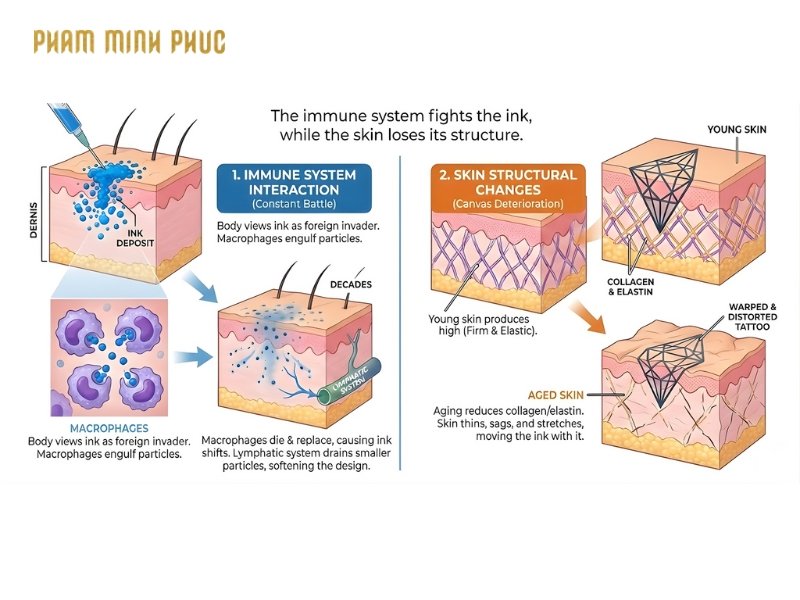
Your body views tattoo ink as a foreign invader and constantly attempts to remove it. The moment ink is deposited into the dermis (the stable middle layer of skin), your immune system activates. Macrophages, specialized white blood cells, engulf the ink particles to digest them. However, many pigment particles are too large for the macrophages to destroy, so they remain suspended in the dermis, creating the permanent image. Over decades, these macrophages die and are replaced by new ones, causing microscopic shifts in the ink’s position. Simultaneously, the lymphatic system slowly drains smaller ink particles away, causing the tattoo to soften.
Moreover, as you age, the structural integrity of the “canvas” holding the ink deteriorates. Your body produces less collagen and elastin over time, leading to thinner skin, wrinkles, and a loss of elasticity (turgor). When the skin sags or stretches due to aging or weight fluctuations, the ink trapped within the skin matrix moves with it. This transforms what was once a perfect geometric circle into an oval, or causes straight lines to appear warped, impacting the visual accuracy of the design.
What Causes Tattoos To Fade Over Time?
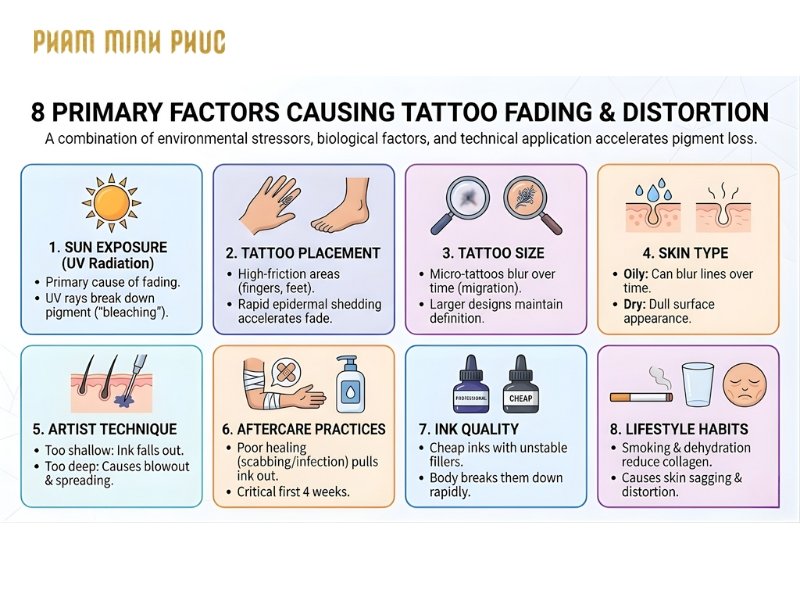
The speed at which a tattoo fades is determined by a combination of environmental stressors, biological factors, and technical application. While the immune system works internally to remove ink, the following eight specific factors significantly accelerate the loss of pigment retention and visual integrity.
- Sun Exposure (UV Radiation): This is the primary cause of fading. UV rays penetrate the skin and generate free radicals that chemically break down pigment molecules, effectively “bleaching” the tattoo.
- Tattoo Placement: High-friction areas like fingers, feet, and waistbands experience rapid epidermal regeneration. This constant exfoliation physically sheds the upper layers of ink faster than stable areas like the back or arm.
- Tattoo Size: Over time, all ink undergoes microscopic migration. In micro-tattoos, this natural spread causes lines to merge into an illegible blur, whereas larger designs have enough negative space to maintain definition.
- Skin Type: Biological skin chemistry matters. Oily skin produces excess sebum which can slightly blur lines over decades, while dry skin creates a layer of dead cells that makes the tattoo appear dull on the surface.
- Artist Technique: Longevity relies on the Ink Deposition Layer. Ink injected too shallowly (epidermis) falls out during healing; ink injected too deeply (hypodermis) spreads into a permanent “blowout.”
- Aftercare Practices: The first 4 weeks are critical. Poor hygiene leading to heavy scabbing or infection will pull ink out of the dermis before it settles, leaving permanent gaps (holidays) in the design.
- Ink Quality: Professional inks use stable carriers (like carbon) and high pigment loads. Cheap inks often contain unstable fillers that the body metabolizes and breaks down rapidly.
- Lifestyle Habits: Systemic health reflects on the skin. Smoking and dehydration reduce collagen production, causing the skin canvas to sag and wrinkle, which distorts the tattoo’s appearance.
What Are Tattoo Placements That Age Well?
The best placements for longevity are flat, low-friction areas that are shielded from the sun and supported by bone or stable muscle. Anatomy plays a crucial role in how a design holds its shape as you age.
- Inner Forearm: This area is naturally shielded from direct UV radiation and experiences minimal stretching, keeping lines crisp for years.
- Upper Outer Arm: A classic location with stable muscle mass that prevents the skin from sagging or distorting the artwork.
- Shoulder Blades: The flat, bone-supported surface minimizes movement-related distortion and remains protected by clothing from sun damage.
- Calves: The skin here is thicker and resistant to gravity-induced sagging, preserving the structural integrity of the design.
- Upper Thigh: This large canvas offers high skin elasticity and remains relatively unaffected by weight fluctuations compared to the stomach.
- Upper Chest: The skin is pulled taut against the bone structure, reducing the risk of warping as collagen production decreases.
During my consultation with clients, I don’t just ask “Where do you want it?” I will personally help you assess your skin elasticity and muscle anatomy to predict how a specific area will age. I will guide you toward placements that resist distortion and recommend a design style that fits that body part perfectly. For example, if you want a placement that naturally curves (like a rib or thigh), I will advise using organic, flowing styles like Realism or Japanese imagery rather than rigid geometric shapes, ensuring your tattoo moves harmoniously with your body for a lifetime.
My Tips: You should strictly avoid high-friction zones like fingers, feet, palms, and inner lips. These areas have an accelerated rate of skin cell regeneration and constant abrasion, causing ink to fall out or blur into an illegible gray smudge within just a few years.
Which Tattoo Styles Age Best for Lasting Ink?
Tattoo styles that utilize high contrast, heavy saturation, and structural outlines are statistically proven to retain legibility best. The following tattoo styles are technically engineered to resist fading and blurring:
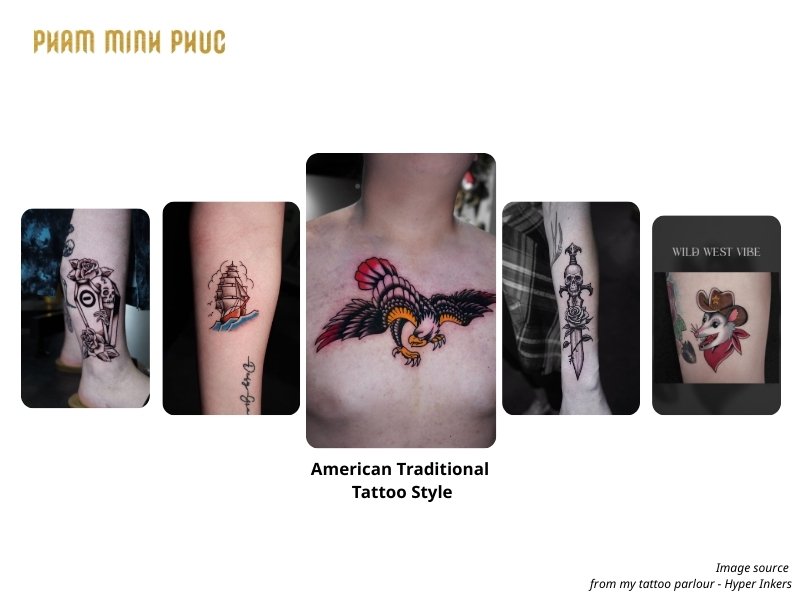
- American Traditional. This style relies on heavy black outlines and solid color saturation to remain crisp for 40+ years. The simple, bold shapes act as a barrier against the natural spreading of ink.
- Japanese Traditional (Irezumi). Irezumi employs large-scale, fluid outlines and high-contrast backgrounds that withstand skin sagging. The deep ink saturation ensures the design remains powerful even as muscle structure changes.
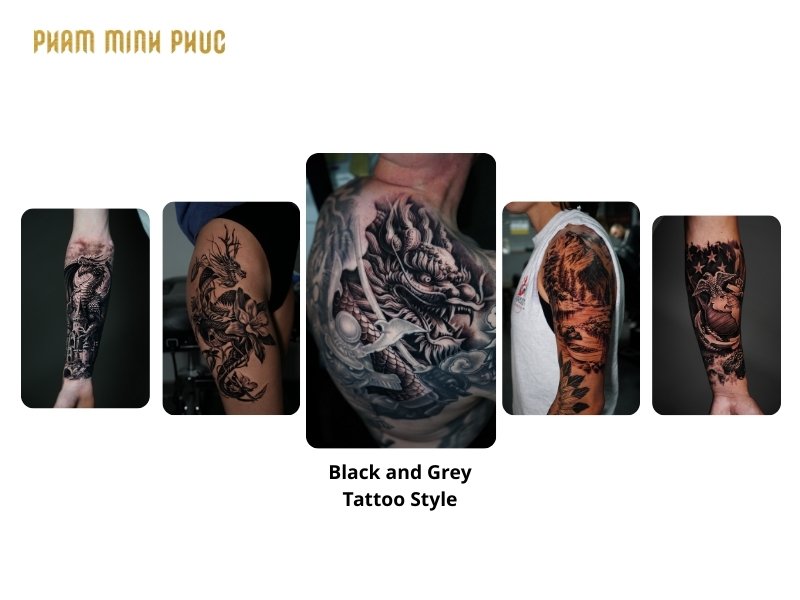
- Black and Grey, Realism. High-contrast Realism survives by balancing deep black shadows with open “skin breaks” (negative space). This contrast preserves visual depth even after the mid-tone grey washes naturally soften.
- Blackwork or Tribal. These styles use solid, carbon-based black ink, which is the most chemically stable pigment against UV light. The absence of fragile, fine details makes them virtually immune to illegibility.
- Dotwork. Dotwork maintains texture because it constructs images from individual points rather than continuous lines. As ink naturally migrates, the dots simply soften rather than merging into a solid blur.
- Neo-Traditional. This style anchors diverse color palettes with robust, varying line weights. The strong black “skeleton” of the design prevents the softer colors from losing their definition over time.
If you want a complete breakdown of different tattoo styles, understanding their structure will help you choose designs that maintain long-term clarity.
How Long Do Black and Grey Tattoos Last?
Black and Grey tattoos offer superior longevity because carbon-based black ink is chemically resistant to UV breakdown. While the softer mid-tone grey washes naturally lighten over 10 to 15 years, high-contrast designs retain their definition effectively. The deep black elements serve as a permanent anchor, ensuring the image remains legible even as the shading settles.
I recently inspected a Black & Grey Realism piece I executed on a client 5 years ago. The healed result confirmed that the high-contrast shading remained razor-sharp with zero visual degradation, looking as vibrant as the day it was tattooed. This proves that precise ink saturation effectively counteracts biological fading.
Do Color Tattoos Age Well?
Color tattoo longevity depends entirely on pigment stability and protection from UV exposure. Darker tones like royal blue, hunter green, and crimson possess stable molecular structures that hold saturation for decades. Conversely, pastel colors (yellow, pink, baby blue) and white ink degrade rapidly because they lack the pigment density required to resist metabolic breakdown and sun damage.
How Long Do Traditional Tattoos Last?
American Traditional tattoos are the most durable style, frequently remaining crisp and legible for over 40 years. This longevity results from the “bold will hold” technique: thick black outlines acting as containers for saturated color fields. This structural barrier prevents the natural microscopic spreading of ink from compromising the overall readability of the design.
How Long Do Fine Line Tattoos Last?
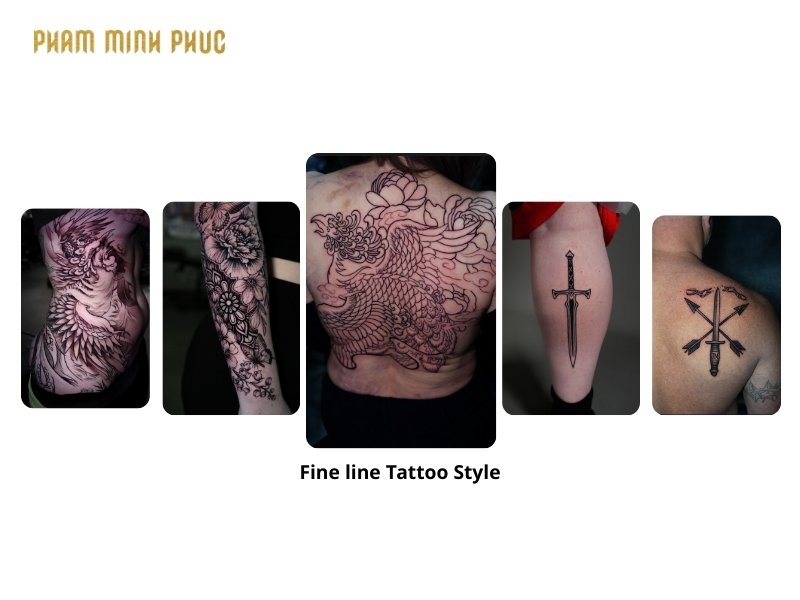
Fine Line tattoos are fragile and typically maintain optimal sharpness for only 3 to 5 years. Since this style utilizes less pigment and single needles, the immune system digests and removes the ink more efficiently than in bolder styles. Additionally, natural ink migration causes closely spaced lines to merge, often requiring regular touch-ups to prevent the design from becoming an illegible blur.
How to Have Your Tattoo Fresh for Decades?
Lifelong vibrancy results from a strategic combination of precise technical application, smart anatomical planning, and disciplined skin maintenance. The following 7 steps ensure your ink remains pristine for decades:
- Select an Experienced and Recognized Artist: The longevity of your ink is determined primarily by the initial needle depth. As an internationally awarded artist and the top-rated specialist in San Antonio, I ensure precise dermal saturation that prevents premature fading or blowouts from day one.
- Strategize Design and Placement: Opt for high-contrast styles and low-friction body areas (like the inner forearm or back) to minimize physical wear. Avoid placing detailed micro-tattoos on high-movement zones where rapid skin regeneration distorts lines.
- Execute Strict Aftercare: Follow tattoo aftercare instruction religiously for the first 4 weeks. Preventing heavy scabbing and infection is critical to locking the pigment into the dermis permanently without scarring.
- Apply High-SPF Sunscreen: Block UV radiation with SPF 50+ whenever outdoors. Ultraviolet rays chemically shatter pigment molecules and degrade collagen, which is the primary cause of ink looking “bleached” over time.
- Moisturize Daily: Maintain a healthy moisture barrier to prevent dead skin cells (ashiness) from clouding the ink. Well-hydrated skin remains transparent, allowing the high-definition details below to shine through.
- Sustain a Healthy Lifestyle: Drink water and consume antioxidants to support collagen production. A healthy body maintains tight, elastic skin, preventing the canvas from sagging and warping the artwork.
- Schedule Strategic Touch-ups: Refresh the tattoo only when visible fading occurs (typically every 10+ years for high-quality work). Avoid “over-touching” as frequent needle trauma builds scar tissue, which eventually makes the skin unable to hold new ink.
Why You Should Book A Consultation With Minh Pham?
A professional consultation is the only way to guarantee a design that survives the aging process intact. As the best professional tattoo artist in San Antonio, I offer a technical analysis that goes beyond simple aesthetics to ensure your investment lasts a lifetime.
- Anatomical Aging Analysis: I assess your specific muscle structure and skin elasticity to predict exactly how the placement will shift over 20 years, preventing future distortion.
- Technical Longevity Planning: I engineer every design using high-contrast values and specific saturation techniques that counteract natural biological fading.
- Honest Professional Guidance: I prioritize your long-term satisfaction over short-term trends. If a request (like a micro-tattoo or bad placement) will not age well, I will tell you the truth and propose a durable alternative.

FAQs about Tattoos That Age Well
Can Wrinkled Skin Be Tattooed?
Wrinkled skin can be tattooed, though it demands specialized stretching techniques to accommodate reduced elasticity (turgor). Bold, organic designs like florals or Traditional motifs are optimal because they camouflage skin texture. You should avoid intricate geometric patterns, as deep wrinkles will distort straight lines and compromise the symmetry of the design.
Do Red Tattoos Fade Fast?
Red ink is more susceptible to oxidation and UV degradation than black pigment, though modern professional formulas have significantly improved stability. Over time, vibrant red tones typically shift toward a duller brick or orange hue rather than vanishing completely. Consistent sun protection is the only way to prevent this chemical shift and maintain true color intensity.
Can You Fix a Blurred Tattoo?
You cannot simply “sharpen” a blurred line, but you can restructure it through corrective artistic techniques. A rework involves using opaque colors or deeper blacks to turn fuzzy edges into intentional shading or background elements. For severe blurring (blowouts), laser removal is necessary to reduce pigment density before a solid cover-up can be successfully applied.
Ensuring your body art survives the test of time is a matter of strategic planning, not just luck. By understanding the biological impact of macrophages and UV radiation, you can make informed decisions about placement and style that prevent premature fading and distortion. As a San Antonio-based custom artist, I prioritize technical precision and anatomical flow to engineer tattoos that maintain their vibrancy for decades. If you are ready to invest in artwork designed to age as gracefully as you do, I am here to guide the way.