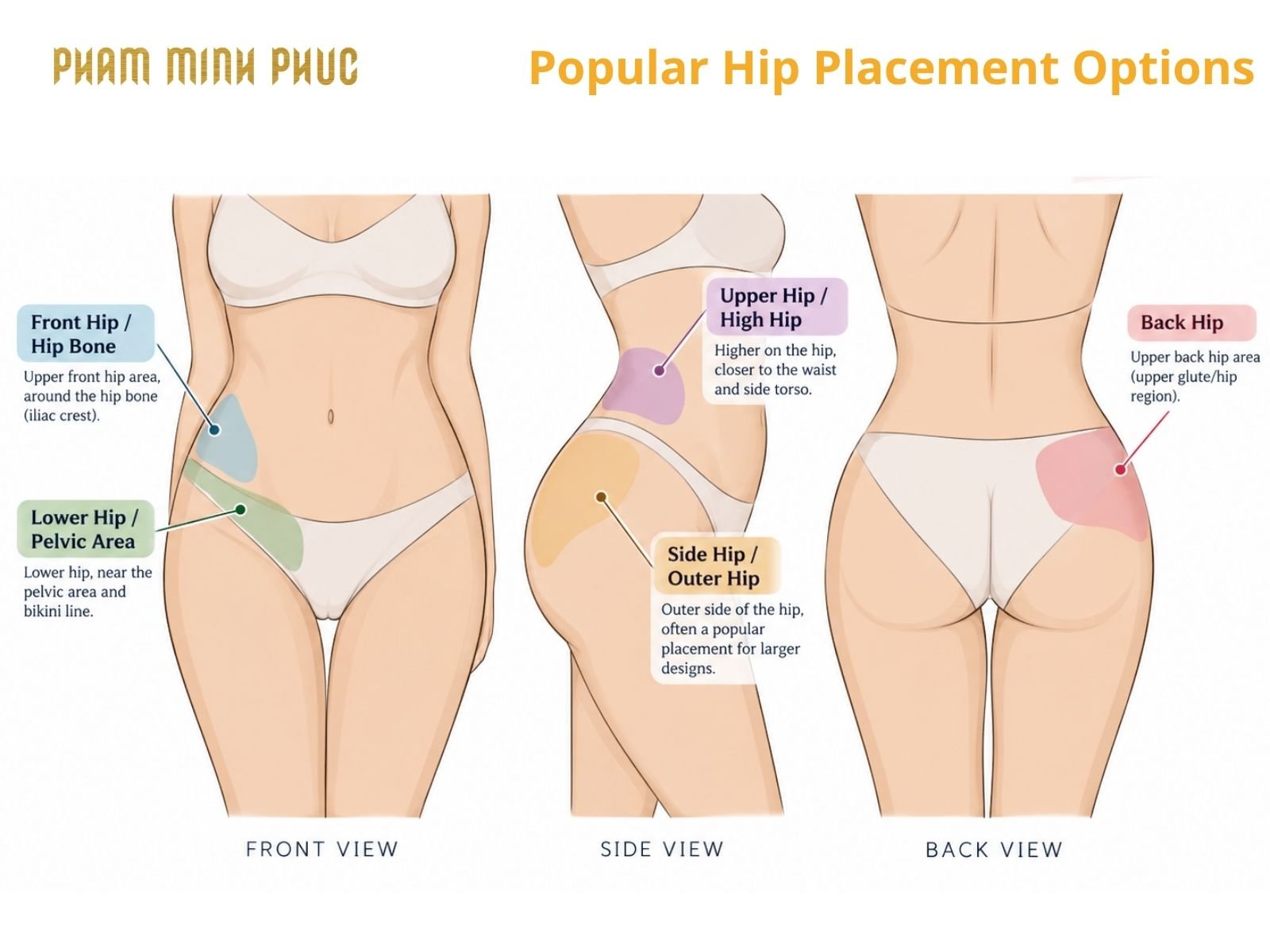
Hip tattoos can sit near the front hip bone, along the outer side of the hip, higher toward the waist, lower across the pelvic area, or farther back where the hip meets the lower back. Each position changes how much of the tattoo is visible, how the design follows your body, and where clothing may cross the artwork. This placement is especially popular among women because the hip can support both small, discreet tattoos and larger designs that follow the body’s natural curves.
Florals, ornamental work, script, snakes, and other directional designs can move with the hip instead of being confined to a flat-looking shape.
Your usual waistline matters as much as the design itself. Underwear, jeans, leggings, and swimwear can sit directly across different hip placements, so it is worth checking those contact points before the stencil is finalized. In this article, I will show you the main hip tattoo placements, pain, suitable design ideas, clothing and healing considerations, and how to choose a position that fits your body and future tattoo plans.

Table of Contents
Where Can You Place a Hip Tattoo?
You can place a hip tattoo on the front hip near the hip bone, along the outer side of the hip, above the hip near the waistline, lower toward the pelvic area, or farther back toward the lower back. These placements differ in usable space, direction, privacy, and how naturally they connect with the abdomen, thigh, waist, or back.
Front Hip / Hip Bone Tattoo Placement
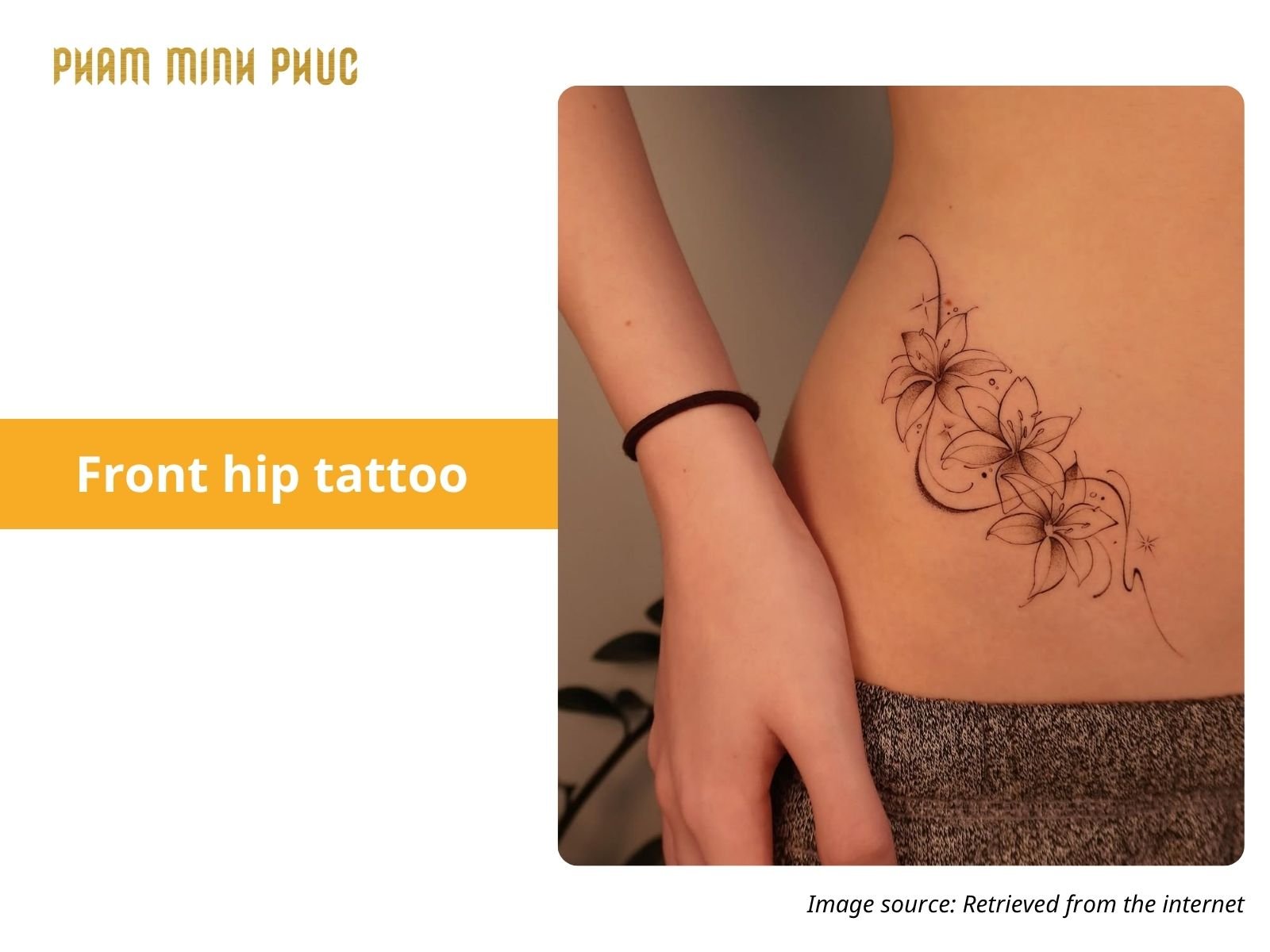
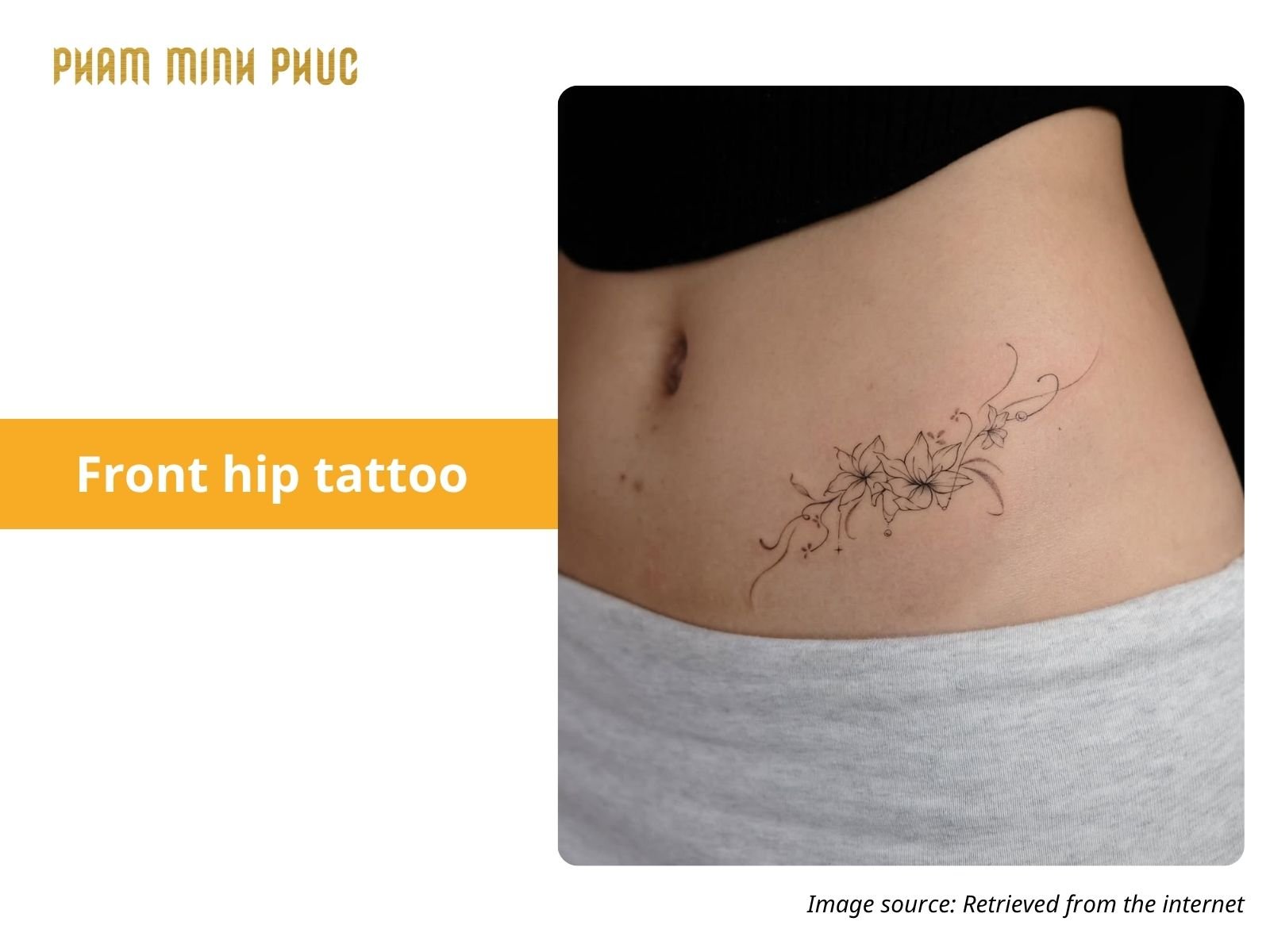
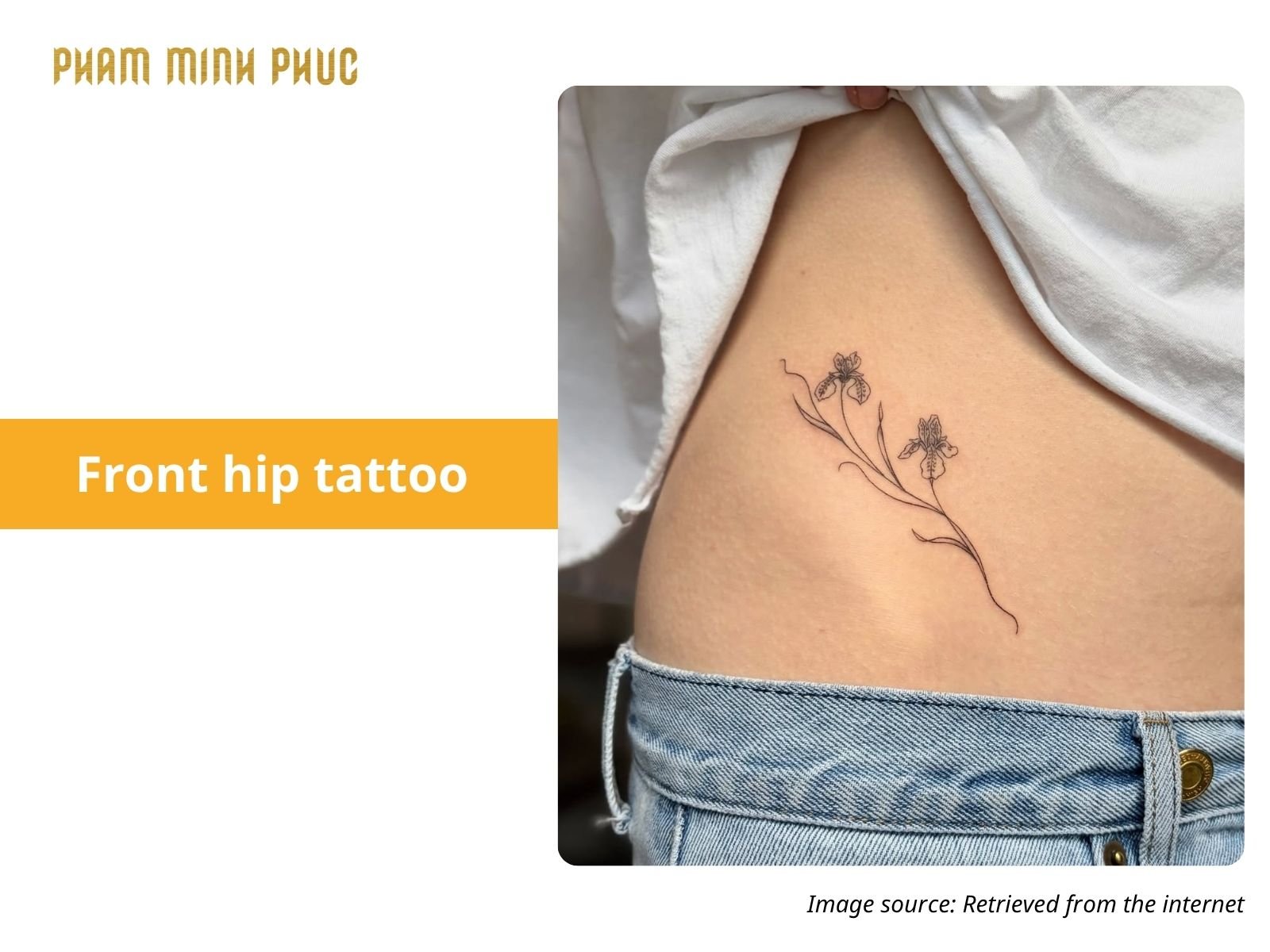
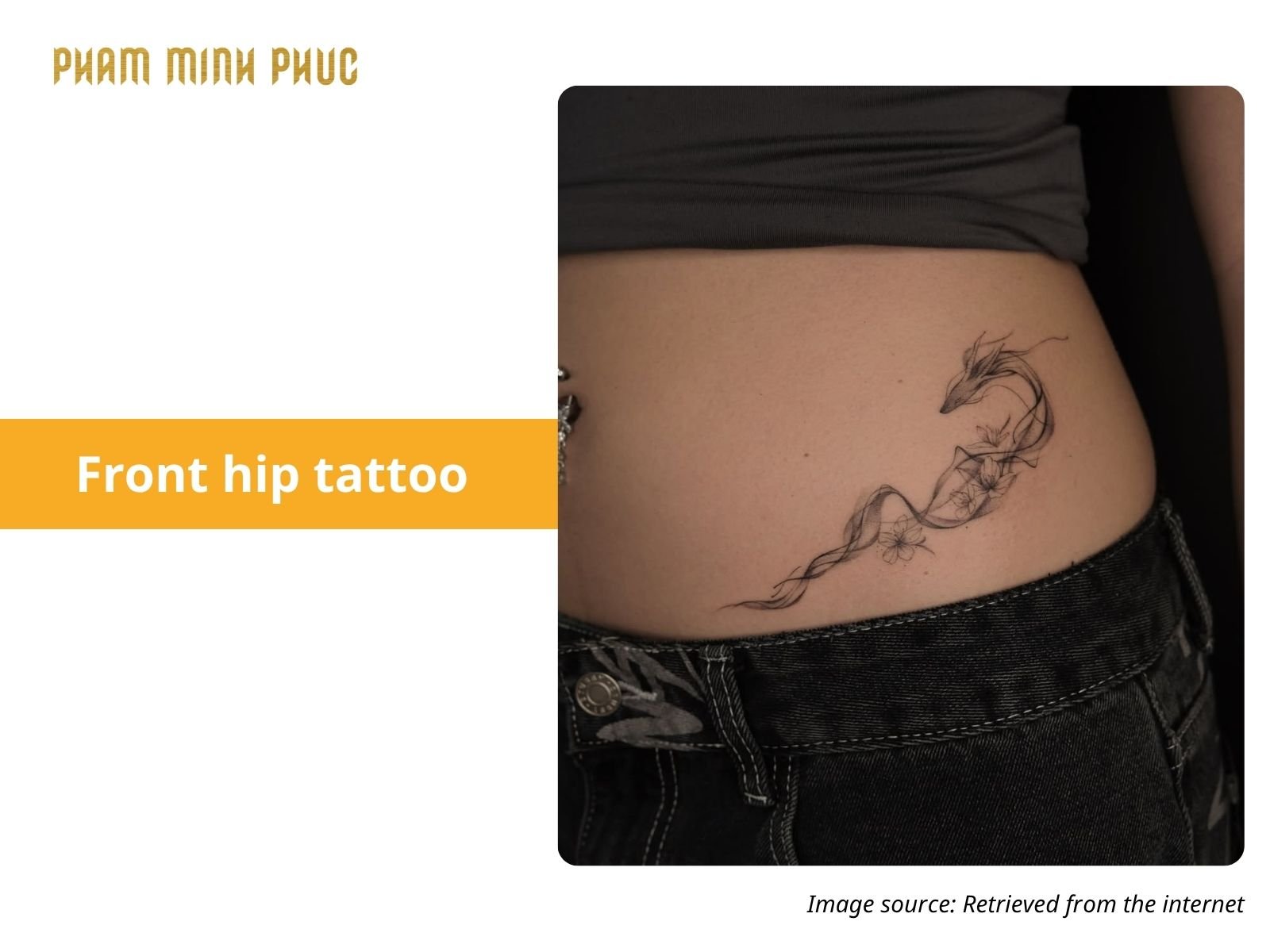
A front hip tattoo sits near the visible hip bone and can extend inward toward the lower abdomen or downward toward the pelvic line. This area suits designs that use a diagonal or slightly curved direction rather than a wide horizontal composition. Florals, butterflies, ornamental elements, small animals, script, and fine-line designs can follow the line between the hip and lower abdomen naturally.
Women often choose the front hip for tattoos that remain easy to cover with everyday clothing but become visible with swimwear or lower-waisted outfits.
The exact angle matters. A floral branch, line of script, or ornamental motif may look more balanced when it follows your own pelvic line instead of being copied from a reference at a fixed angle. If the design sits very close to the hip bone, you should check the stencil while standing naturally so the artwork does not feel too high, too low, or disconnected from the rest of your torso.
The skin here remains extremely thin and sits close to the pelvic bone, resulting in a sharp, vibrating sensation during the procedure.
Side Hip / Outer Hip Tattoo Placement
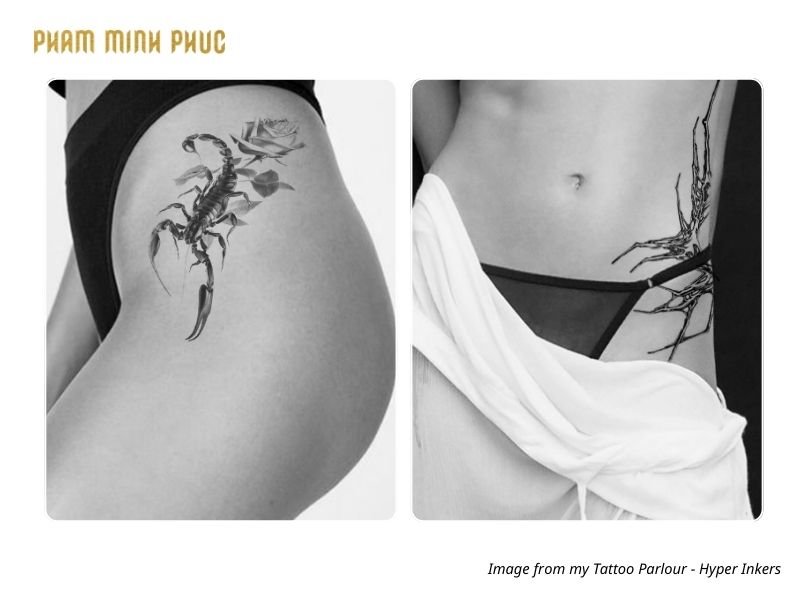
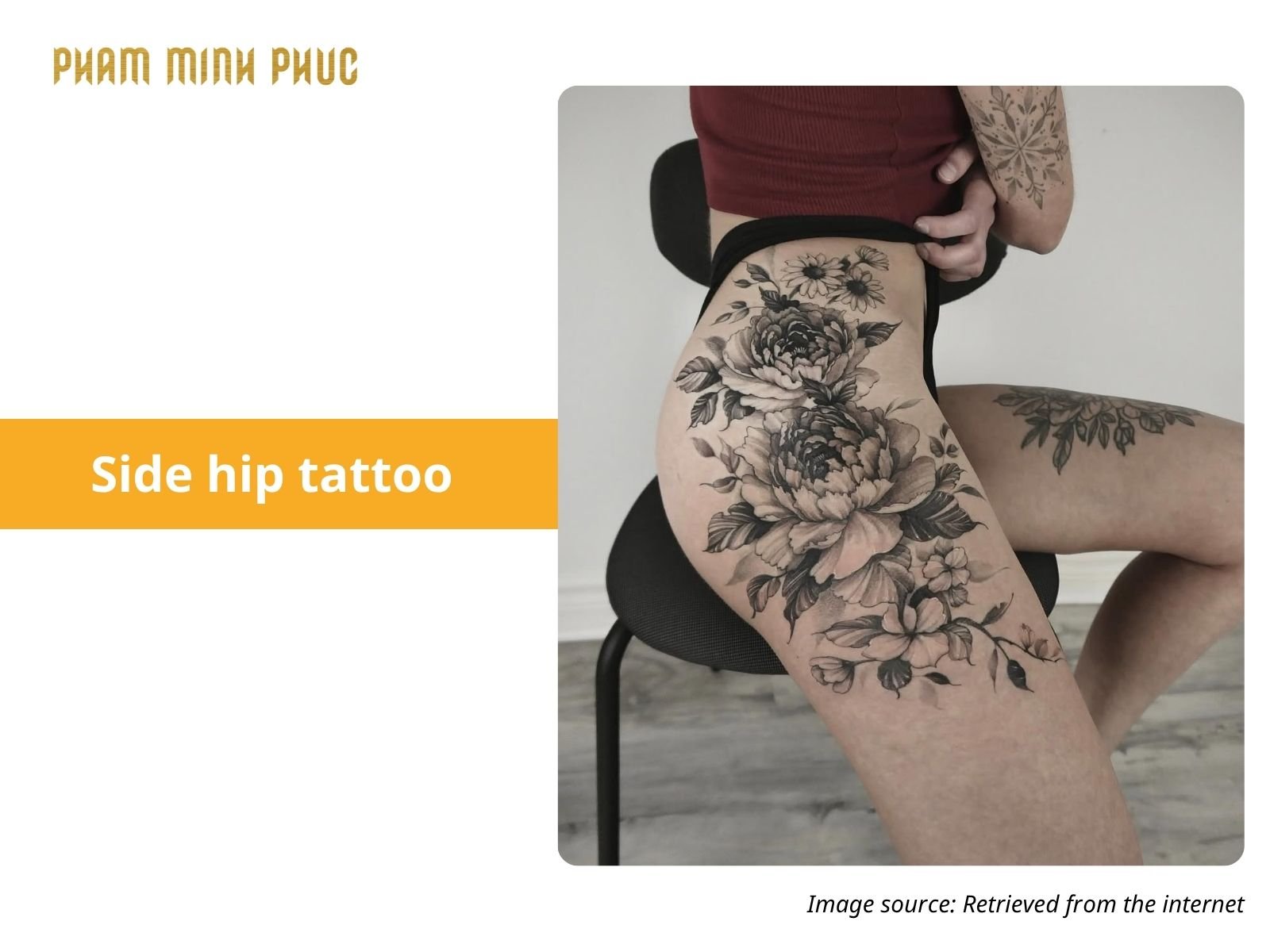
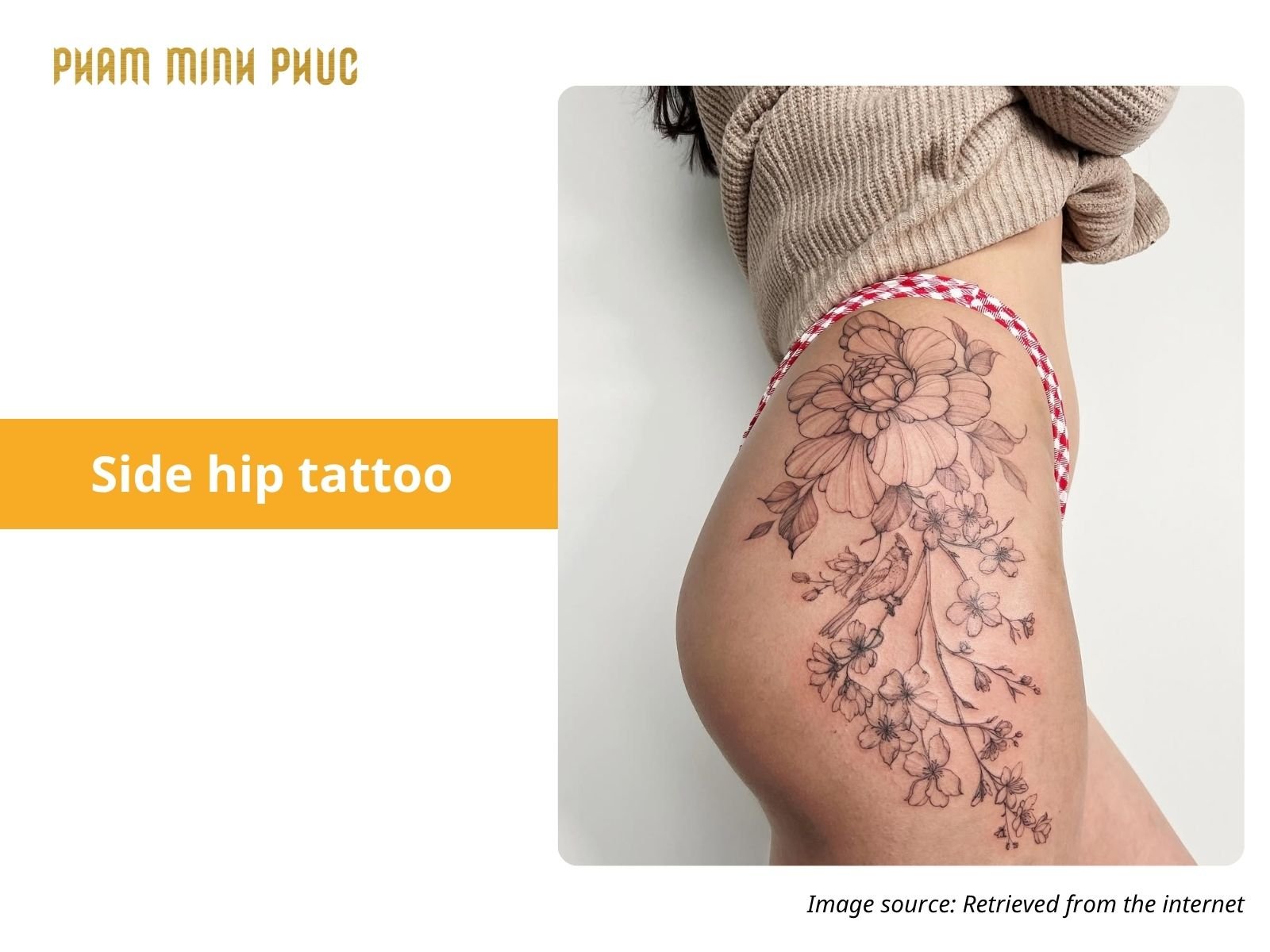
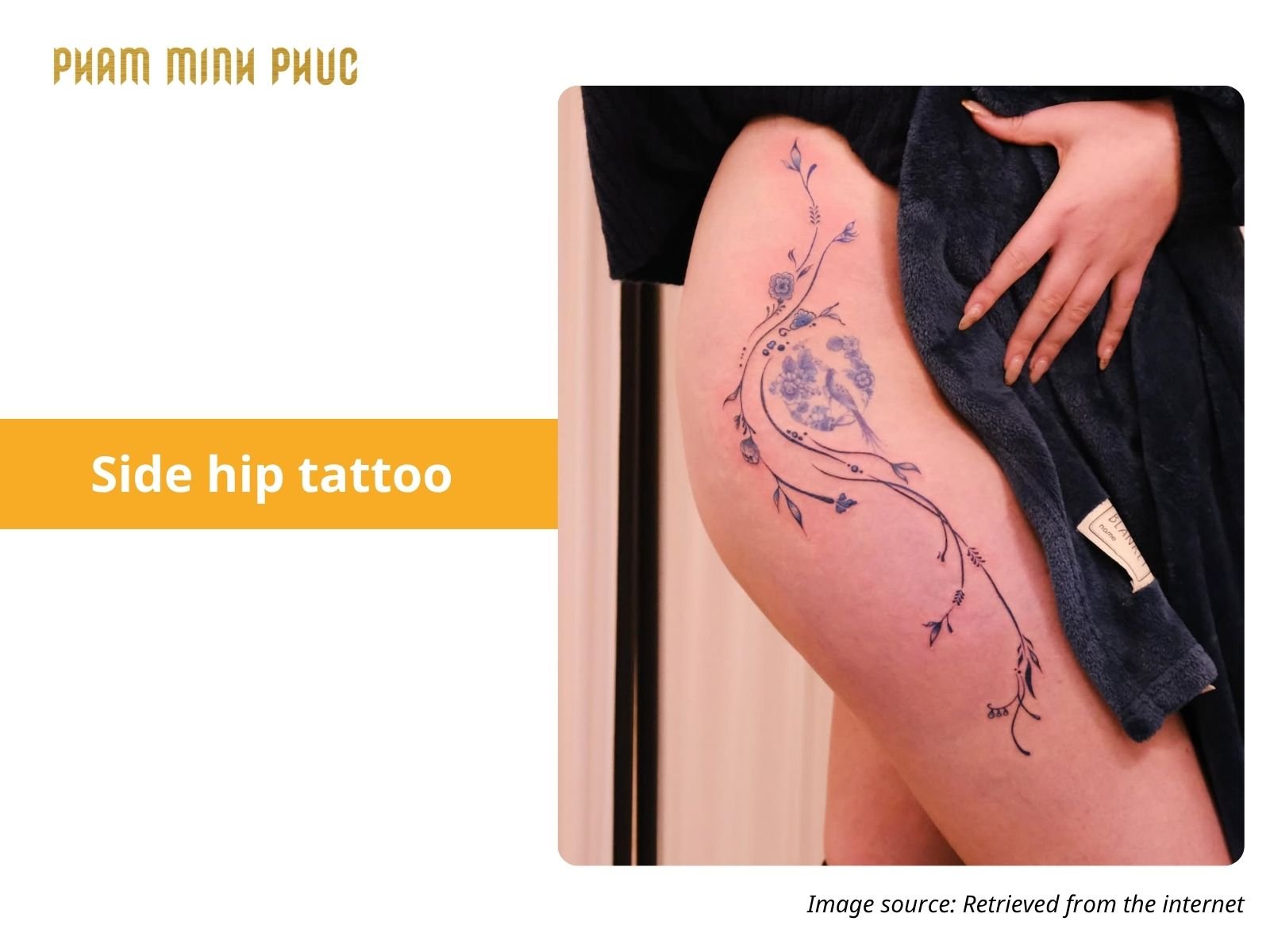
The side hip placement utilizes the broad, fleshy area extending from the outer thigh up to the waistline. This makes it suitable for medium and large designs that need more vertical or curved space. This placement can run from the outer waist toward the upper thigh, giving florals, dragons, snakes, animals, ornamental work, and illustrative pieces enough space to develop without feeling compressed.
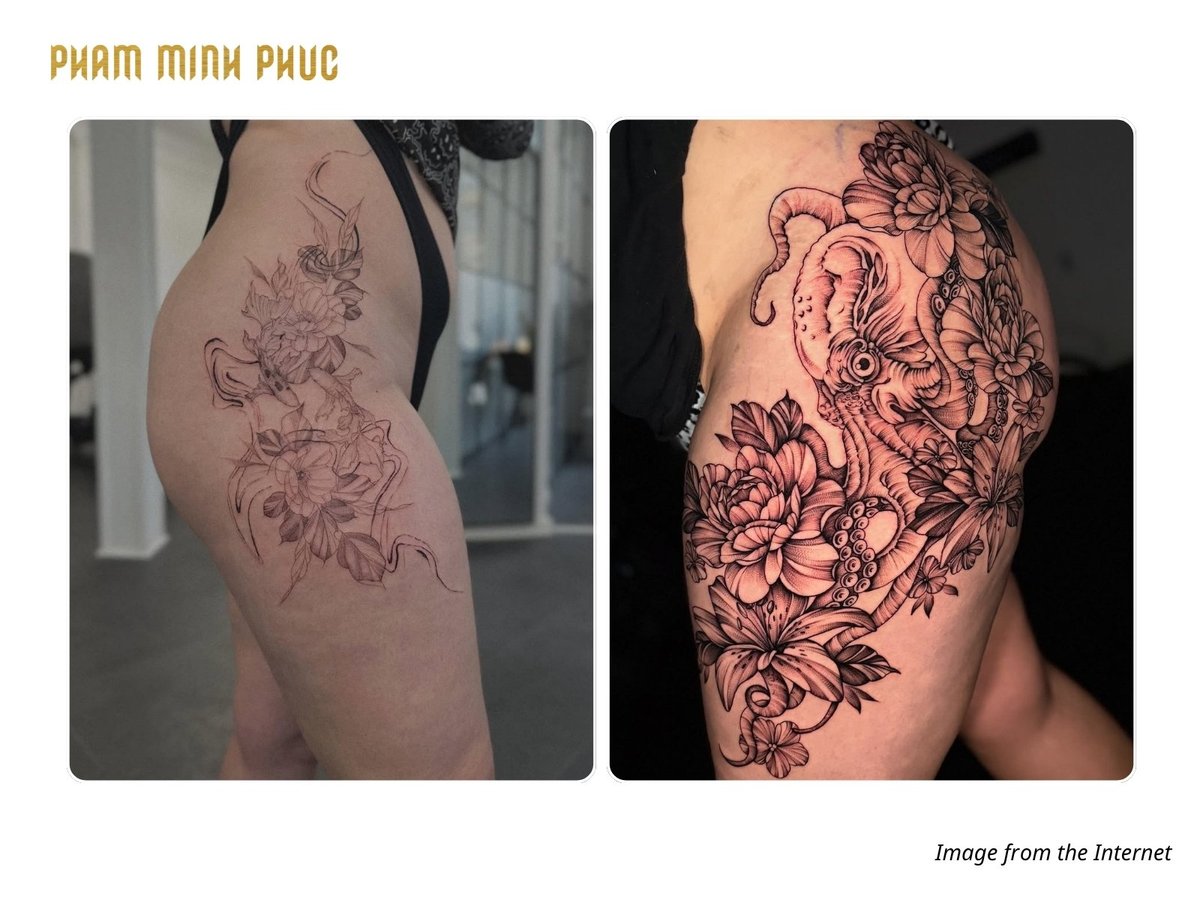
A larger side-hip tattoo can stay concentrated around the hip or continue downward into the thigh tattoo placement when you want a longer composition. Visibility changes with clothing. Standard trousers and longer tops can hide much of the artwork, while swimwear or higher-cut clothing may reveal more of the side profile.
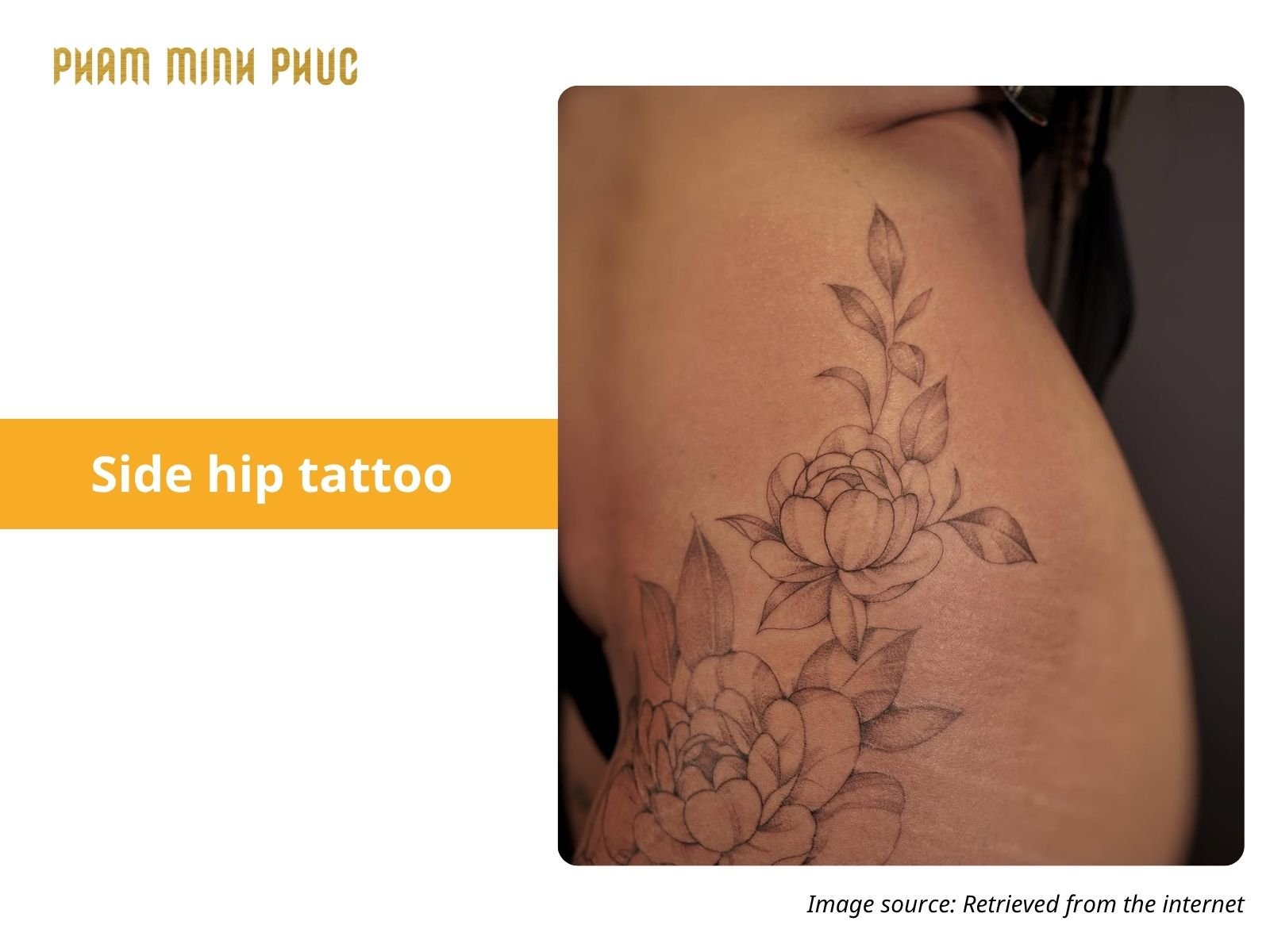
Because the surface curves around the body, the main subject should be positioned where it remains readable from a natural side view. Background elements can then wrap farther toward the front or back without pulling the focal point out of view.
This expansive zone offers excellent skin elasticity and provides a substantial fat cushion, which significantly reduces the overall pain level.
Upper Hip / High Hip Tattoo Placement
An upper hip tattoo sits close to the waistline, above the main curve of the hip. This placement works well for smaller florals, fine-line vines, symbols, ornamental details, lettering, and designs that follow the waist rather than extend deeply into the thigh or pelvic area.
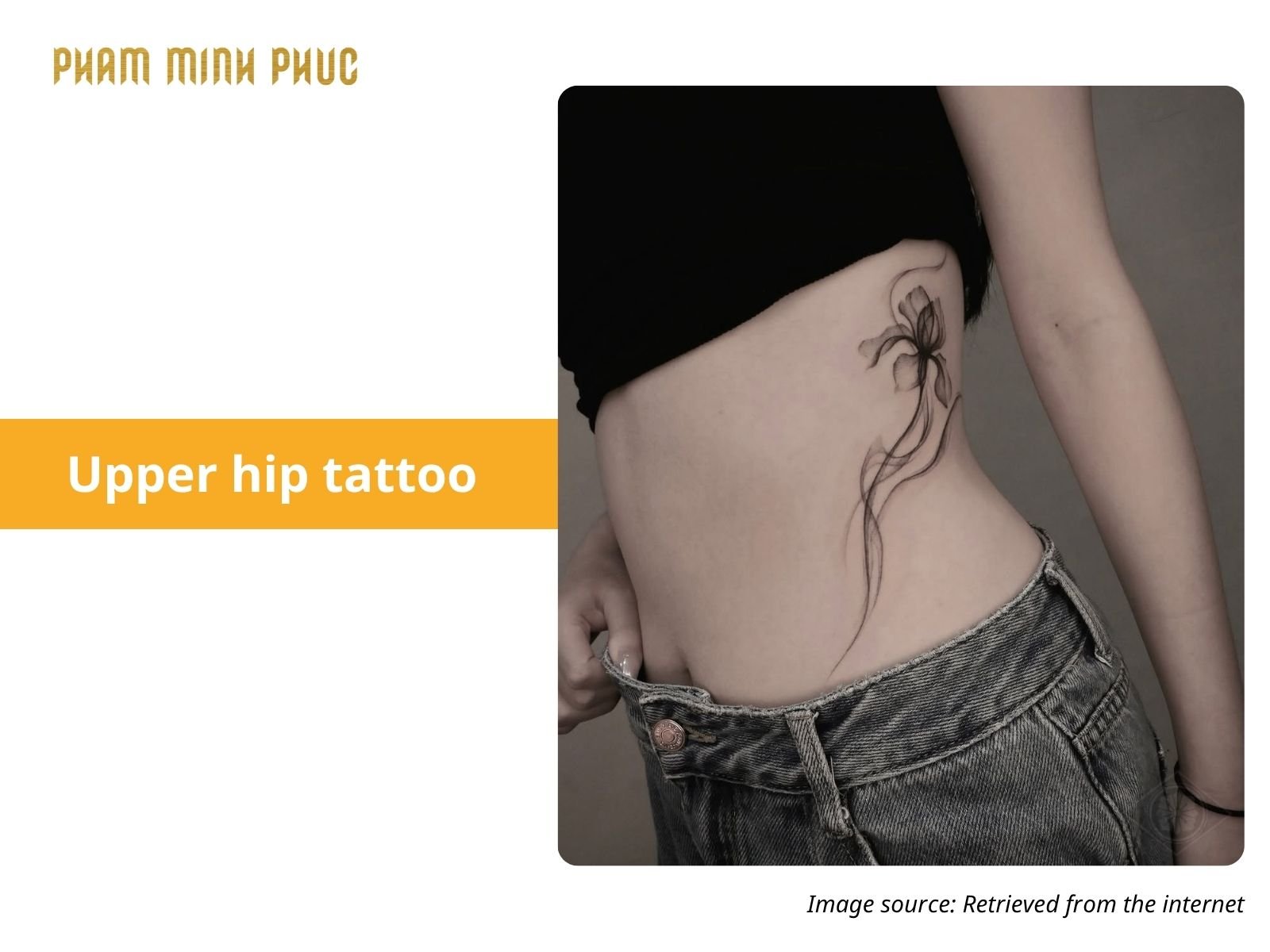
The biggest practical issue is clothing. This specific area is exposed to frequent friction from underwear bands and high-waisted trousers on a daily basis. You should ask your artist to position the stencil slightly above or below your usual waistband line to minimize friction and reduce the risk of ink loss during the healing phase. Before approving the stencil, you have to check where your usual underwear, jeans, leggings, or high-waisted pants sit to make sure the waistband will not rub against the tattoo while it heals.
Upper-hip designs can also continue backward toward the lower back or forward toward the abdomen if you later decide to expand the piece.
Lower Hip / Pelvic Area Tattoo Placement
A lower hip or pelvic-area tattoo sits below the main hip line and closer to the lower abdomen, pelvic crease, or front-inside edge of the hip. This is one of the more discreet options because much of the area stays covered by underwear, swimwear, or everyday clothing. Designs commonly chosen here include:
- Small symbols or lettering for a compact, private placement.
- Fine-line florals and vines that follow the diagonal pelvic line.
- Ornamental designs that can sit on one side or mirror across both hips.
- Minimalist or abstract pieces that do not need a large central canvas.
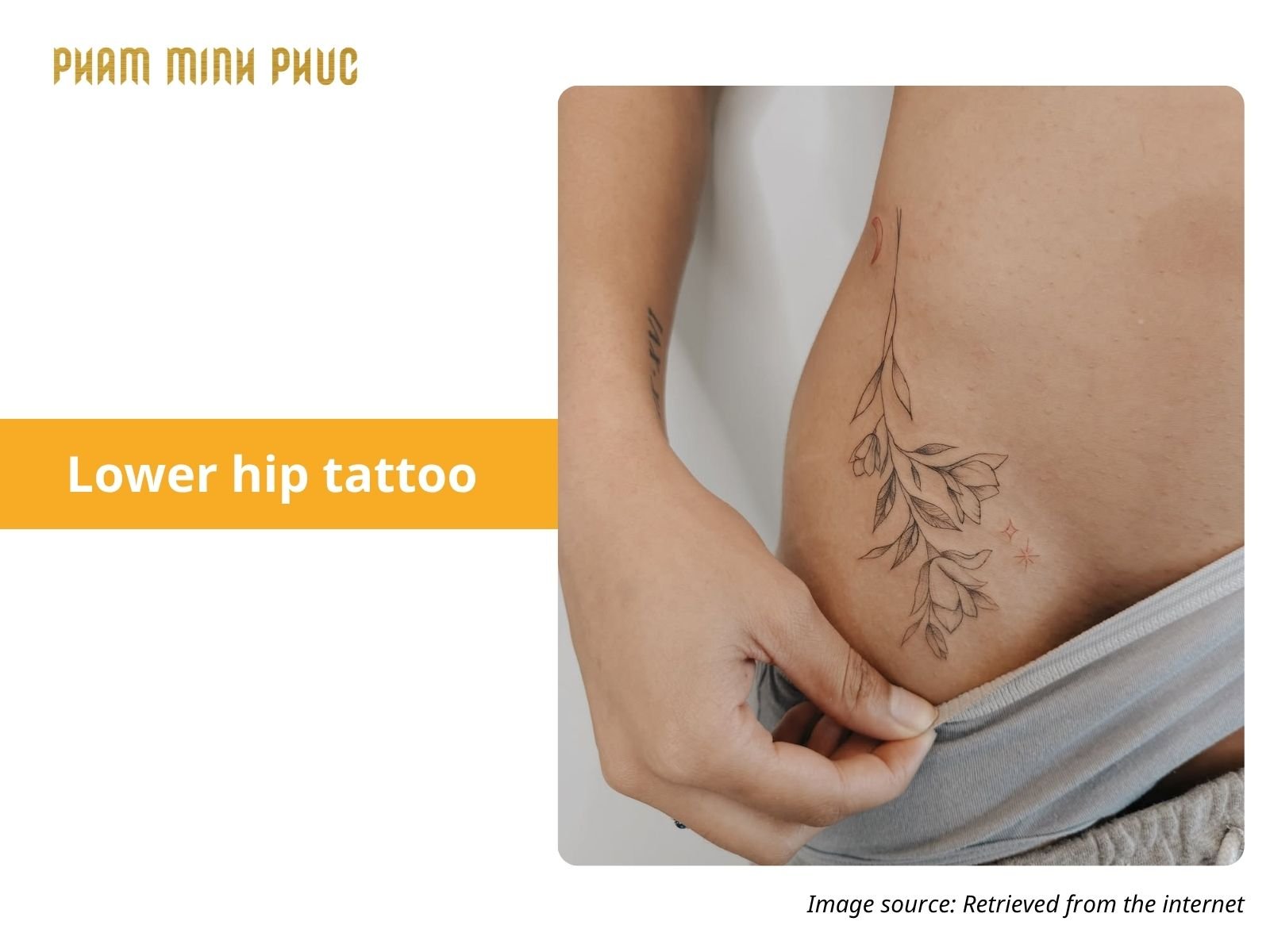
For paired designs, the centerline of your body can help establish visual balance, although the two sides of the pelvis are not always perfectly identical. The placement should also be checked while standing and sitting. A tattoo that looks well positioned when you are lying down can shift visually once your torso returns to a normal posture.
Back Hip Tattoo Placement
A back hip tattoo sits along the posterior side of the hip where the waist, lower back, and upper outer hip begin to meet. Compared with the front hip, this placement is viewed mainly from behind or at a three-quarter angle. That makes it useful for artwork that should feel more private or connect naturally with the lower back.
Florals, ornamental pieces, animals, abstract designs, and curved compositions can follow the posterior hip without needing to remain centered directly over the spine.
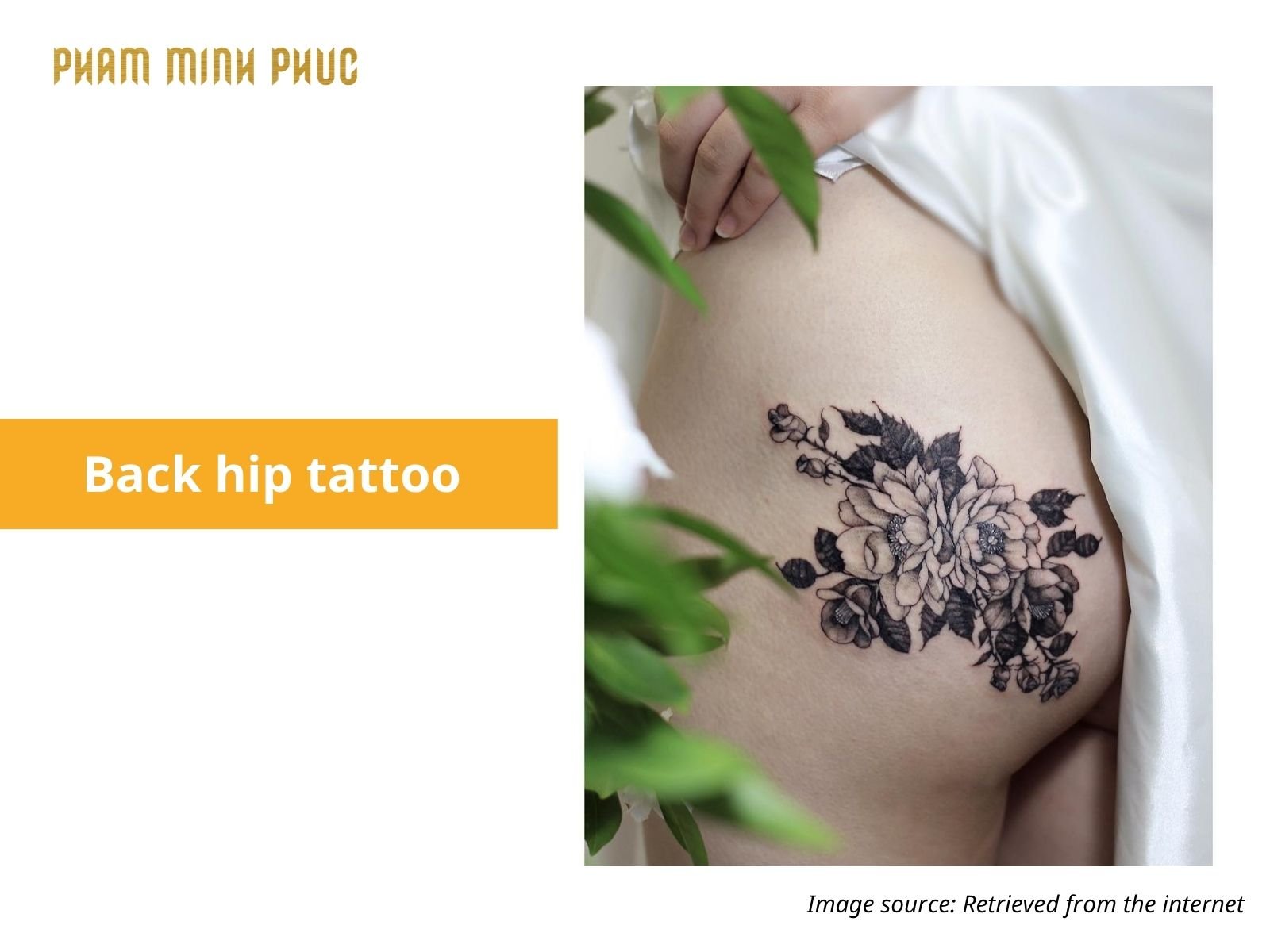
A back-hip tattoo may stay as a small standalone piece, but it can also extend sideways around the hip or upward toward the lower back as part of a larger composition. When I plan a design that crosses from the back toward the side hip, I check the stencil from both angles before approving the placement. This helps keep the main subject from disappearing around the body’s curve.
How Painful Is a Hip Tattoo?
Hip tattoos are generally around 6–7/10 on the pain scale, although the exact sensation can change depending on where the tattoo sits within the hip area.
The outer side of the hip usually has more soft tissue between the skin and underlying bone, while tattoos closer to the prominent hip bone may feel sharper or produce more noticeable vibration. Lower pelvic placements can also feel more sensitive depending on how close the design sits to the hip crease and lower abdomen.
Size and session length matter as well. A small tattoo near the hip bone may involve a more sensitive location but a relatively short session, while a large side-hip piece can become tiring after extended lining, shading, and detail work.
What Tattoo Designs Work Well on the Hip?
- Tattoo designs that work well on the hip usually have enough movement to follow the curve between the waist, pelvis, and upper thigh.
- Florals and botanical designs are especially adaptable. A stem can follow the front hip diagonally, spread across the side of the body, or continue downward toward the thigh without requiring the entire composition to face one direction.
- Ornamental work can use the hip differently. A one-sided design may frame the pelvic line, while symmetrical compositions can create a balanced shape across both sides of the lower abdomen.
- Script and fine-line designs often work best when the lettering follows the body’s existing direction instead of being forced into a perfectly horizontal line.
- Snakes, dragons, abstract shapes, and other flowing subjects can take advantage of a larger side-hip canvas. Their bodies or background elements can curve around the hip and continue into nearby areas without an obvious stopping point.
- American Traditional and other bold illustrative designs can also work well when the subject has enough space around it. On a curved surface, keeping the main image readable is usually more important than filling every available area.
How to Choose the Right Hip Tattoo Placement?
You should choose a hip tattoo placement based on the size and direction of your design, how private you want it to be, where your usual waistbands sit, and whether you may extend the tattoo toward your thigh, abdomen, or lower back later.
- Start with the shape of the artwork. A long floral, snake, or ornamental composition can use the side hip vertically, while a smaller symbol or short line of script may feel more intentional near the front hip bone or upper hip.
- Privacy changes between placements too. Lower pelvic and high-hip tattoos can stay hidden under most everyday clothing, whereas a larger side-hip piece may become visible with swimwear or higher-cut outfits.
- Before approving the stencil, check your normal underwear and pants. A waistband does not automatically make a placement unsuitable, but knowing where that line sits can help you avoid unnecessary friction across the same part of the tattoo during healing.
Women often choose the front hip, side hip, and lower pelvic area for florals, ornamental work, script, and smaller intimate designs, those are preferences rather than placement rules.
If you are still comparing the hip with other body areas, my full tattoo placement guide can help you compare size, pain, visibility, and future expansion.
Should You Get One Hip Tattoo or a Symmetrical Pair?
Choose one hip for a more asymmetrical, directional composition, or use both sides when the design is meant to create a balanced frame around the pelvis or lower abdomen.
Paired tattoos work especially well with ornamental elements, mirrored florals, wings, decorative linework, and small symbols designed as a set.
When I position a symmetrical hip design, I check both sides while you are standing naturally and compare their relationship with the centerline of your body. The goal is for the pair to look balanced on you, not simply identical on a flat template.
What Should You Wear for a Hip Tattoo Appointment?
Wear loose clothing that gives your artist easy access to the hip and does not press tightly against the area afterward.
- For a side or upper-hip tattoo, loose sweatpants, shorts, or clothing with an adjustable waistband can make the session easier.
- A front-hip or lower pelvic placement may require the waistband to be moved farther away from the stencil, so choose something that can be repositioned comfortably while still giving you appropriate coverage.
If you normally wear high-waisted jeans, leggings, shapewear, or tight underwear, check where those garments cross the planned tattoo. Bringing an alternative outfit for the trip home can prevent a tight seam or elastic band from sitting directly over fresh skin.
How Does a Hip Tattoo Heal?
A hip tattoo follows the same basic healing process as tattoos elsewhere, but waistbands, tight clothing, sleeping pressure, and repeated hip movement can create extra friction in this area.
- The most useful thing you can do is identify what normally touches the tattoo. Underwear elastic, jeans, leggings, belts, or tight seams may cross the front, side, or upper hip depending on the placement.
- You do not need to avoid every garment with a waistband. If one sits directly on sensitive tattooed skin, however, a looser or differently positioned option may feel more comfortable while the area settles.
- Normal walking and daily movement are expected. During the early healing stage, reduce activities that repeatedly stretch the area or cause clothing and equipment to rub across the tattoo, especially if that movement creates discomfort.
- Lower-body workouts deserve the same practical approach. Squats, running, cycling, or core exercises may affect different hip placements in different ways, so return gradually rather than following one fixed restriction for every tattoo.
- Sleeping can also create pressure on a large side or back-hip piece. If lying directly on the tattoo feels uncomfortable, use another position until the area is less sensitive.
- Keep the tattoo clean, follow the dressing instructions provided by your artist, and use the recommended amount of moisturizer rather than trying to keep the skin heavily coated.
Hip Tattoo Placement FAQs
What Are Popular Hip Tattoo Placements for Women?
Popular hip tattoo placements for women include the front hip near the hip bone, side hip, high hip, lower pelvic area, and back hip.
- The front and lower hip are often chosen for smaller, discreet designs, while the side hip provides more space for florals, ornamental work, animals, or larger flowing compositions.
- High-hip tattoos can follow the waistline, and paired pelvic designs can create a symmetrical frame across both sides of the lower abdomen.
These are common preferences rather than gender-specific rules. The better placement is the one that fits your design, clothing, preferred visibility, and body shape.
Will Weight Gain or Pregnancy Affect a Hip Tattoo?
Weight changes or pregnancy can affect a hip tattoo if the skin in that area stretches significantly, but the amount of visible change varies from person to person.
Placement matters because the front hip and lower abdomen may experience different changes from the outer or back hip. The size, direction, and structure of the tattoo also influence how noticeable any distortion becomes. Organic designs such as florals or other flowing compositions may tolerate small shape changes more naturally than artwork that depends on strict geometry, although no design is completely immune to changes in the skin.
If major body changes are expected soon, discuss the placement with your artist before committing to a large piece.
Can You Tattoo Over Stretch Marks on the Hip?
It may be possible to tattoo over stretch marks on the hip, but the skin should be assessed before the design is planned.
Stretch marks vary in age, texture, width, and how raised or indented they are. Those differences can affect how an artist approaches linework, shading, and placement. A design with texture or organic movement may help visually integrate the marks, but a tattoo cannot guarantee that they will disappear from view.
For this type of work, an in-person consultation is especially useful because the artist needs to see and feel the skin rather than judge it only from a photo.
Does Hip Tattoo Placement Have a Specific Meaning?
A hip tattoo does not have one universal meaning based on its placement alone. The symbolism usually comes from the subject, lettering, or personal reason behind the tattoo. Choosing the hip may instead reflect practical preferences such as privacy, body flow, or the ability to reveal the tattoo selectively.
A left hip, right hip, front hip, or side hip does not automatically carry a fixed symbolic meaning.
Do Hip Tattoos Age Well?
Hip tattoos can age well when the design has enough space, the lines and details suit the scale, and the tattoo is cared for properly. The hip is often protected from direct sun by clothing, which can be helpful, but repeated friction and body changes may affect some placements over time.
Very fine details placed in a small area can also become less distinct as the tattoo ages. If longevity is important, give the design enough space instead of shrinking a detailed reference to fit a tiny placement.
Is the Hip a Good Place for a First Tattoo?
The hip can be a good first tattoo placement if you want an area that is easy to conceal and gives you several options for size and design direction. A small side or upper-hip tattoo may be easier to start with than a large piece crossing the hip bone or lower pelvic area. Pain still varies by exact location, so choosing a first tattoo based only on the word “hip” is less useful than deciding exactly where the stencil will sit.
Do You Need to Shave the Area Before Your Appointment?
You do not need to shave the hip area yourself before your tattoo appointment. Professional artists prefer to prepare the skin using medical-grade, single-use razors right before applying the stencil. Shaving at home often causes razor burn, micro-cuts, or ingrown hairs, which create an unsterile canvas and force the artist to reschedule the session.
I hope this guide helps you understand how front hip, side hip, high hip, lower pelvic, and back hip placements can change the way a tattoo looks and moves with your body. The best choice should fit the direction of your design, your preferred level of privacy, the position of your usual waistbands, and any future plans to extend the artwork toward your thigh, abdomen, or lower back. Before committing, check the stencil while standing naturally so the placement feels balanced on your body rather than only looking good in a reference image.