Neck tattoo placement establishes a permanent public statement that demands absolute career flexibility. The cervical anatomy features highly visible micro-zones including the prominent throat, the elongated side muscles, the discreet nape, and the delicate cranial base. Bold creatives and dedicated collectors utilize this unapologetic location to display heavy American Traditional designs or precise ornamental geometry. The thick muscle of the nape provides a stable canvas, while the front throat requires extreme commitment due to rapid skin aging and elasticity loss.
The biological reality of this region dictates severe procedural pain and complex recovery restrictions. The tattoo machine needle strikes directly against the windpipe or major nerve clusters, triggering intense physical discomfort and claustrophobic breathing reflexes. Furthermore, the constant mechanical movement of the jawline actively threatens the structural integrity of fresh pigment. I, Minh Pham, authored this comprehensive blueprint to navigate these distinct cervical pain thresholds safely. The following analysis explores popular anatomical neck placements, evaluates suitable high-contrast styles, and details crucial aftercare notes below.
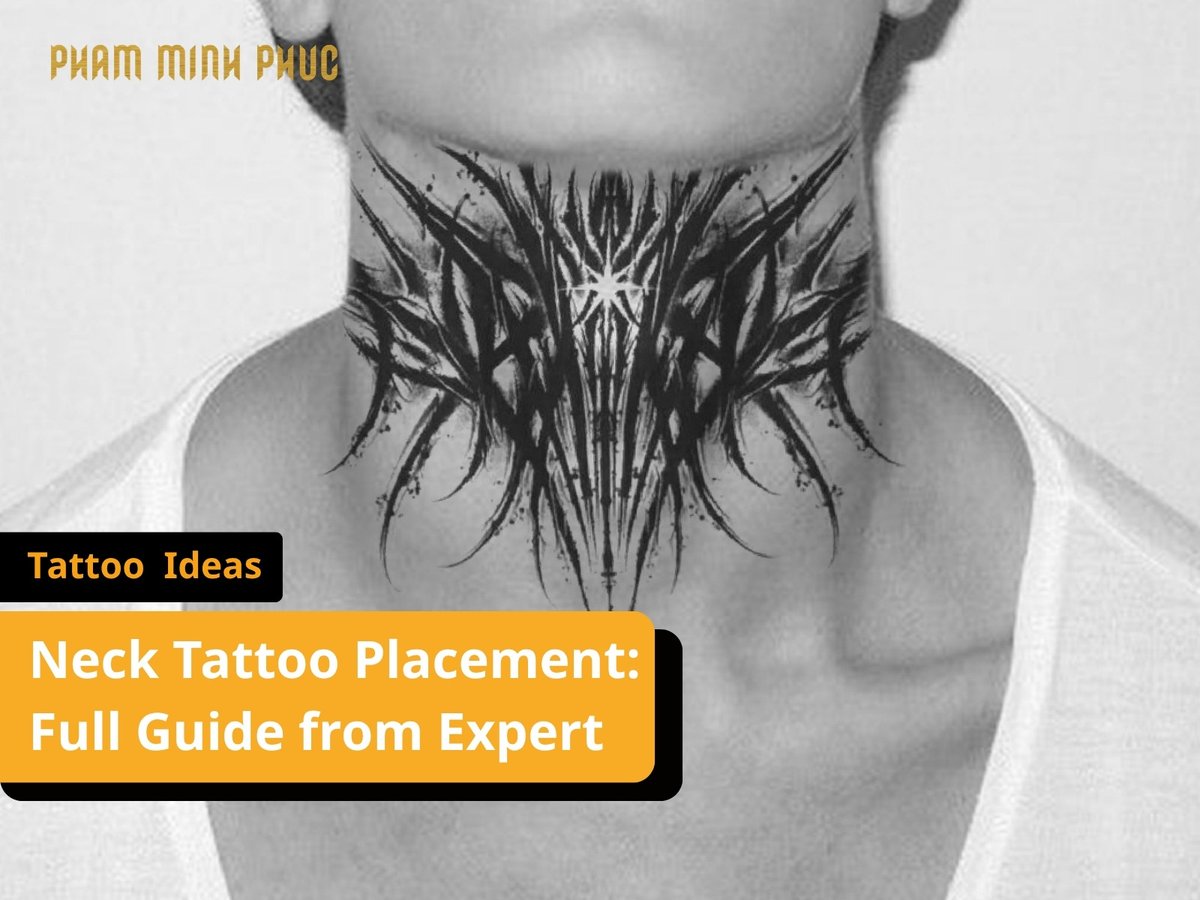
Table of Contents
Who is a Neck Tattoo Suitable For?
A neck tattoo is suitable for individuals who possess a high pain tolerance and absolute career stability. You must carefully evaluate your long-term professional goals because this prominent placement remains virtually impossible to conceal during daily interactions.
- The Dedicated Collector: This location perfectly serves dedicated tattoo collectors who already display significant heavy coverage on their arms or torso. You understand the intense healing challenges and fully accept the societal stigma associated with highly visible body art.
- The Bold Creative: A cervical tattoo functions as an unapologetic public statement. This placement suits artists, entrepreneurs, or individuals working in progressive industries where visible body art actively boosts personal branding.
- The Discreet Professional: You can still choose the back of the neck or the area behind the ear if you require professional discretion. These specific zones allow you to possess meaningful artwork that you easily hide beneath a collared shirt or long hair.
Main Neck Tattoo Placement
The main neck tattoo placement divides the cervical area into four distinct anatomical zones based on skin thickness and bone proximity. Each unique region presents different pain levels and requires specific technical approaches to combat constant daily movement.
Front of Neck Tattoo
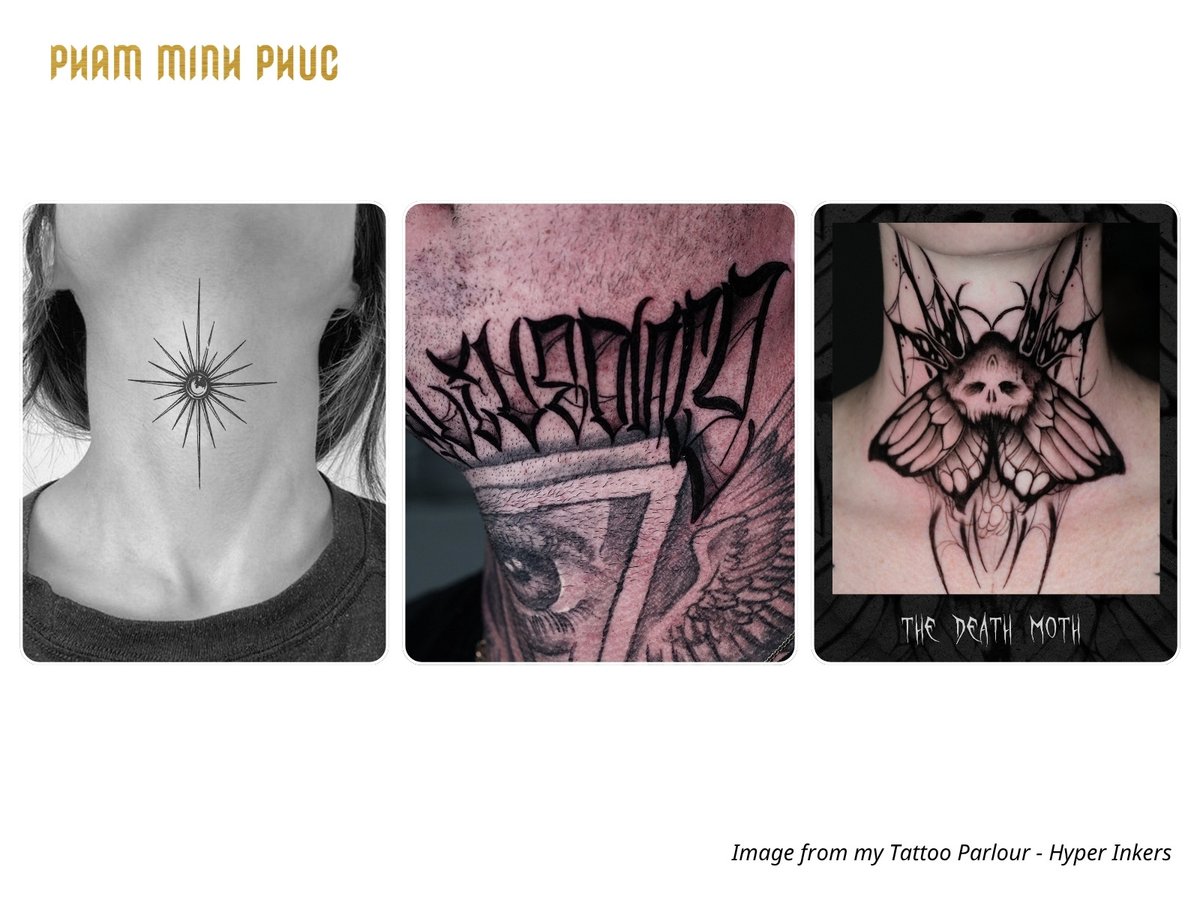
The front of neck tattoo placement covers the throat and sits directly over the windpipe. This specific zone features extremely thin skin and produces a notoriously high pain level during the procedure. The artist must firmly stretch the skin across your trachea to ensure clean lines. This necessary physical pressure often triggers a claustrophobic reflex. You must practice deep belly breathing and completely avoid abrupt swallowing to prevent the needle from slipping and causing a permanent ink blowout.
Popular front of neck tattoo ideas utilize the natural V-shape of the throat to create maximum visual impact. Clients frequently choose large symmetrical mandalas, fierce animal portraits, or traditional moths that center perfectly over the trachea. You must select bold, high-contrast concepts because intricate micro-details will inevitably blur as the soft throat skin stretches and folds heavily over time.
Side of Neck Tattoo
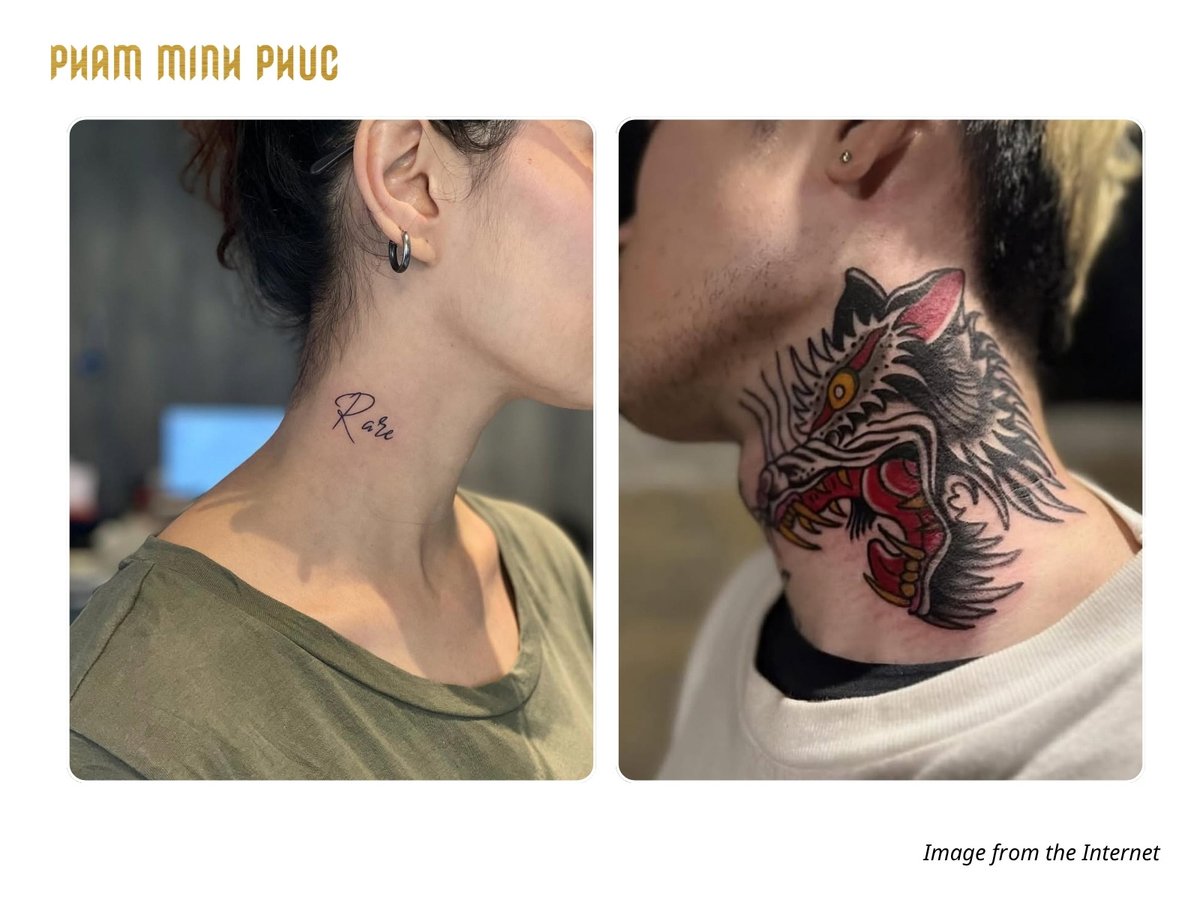
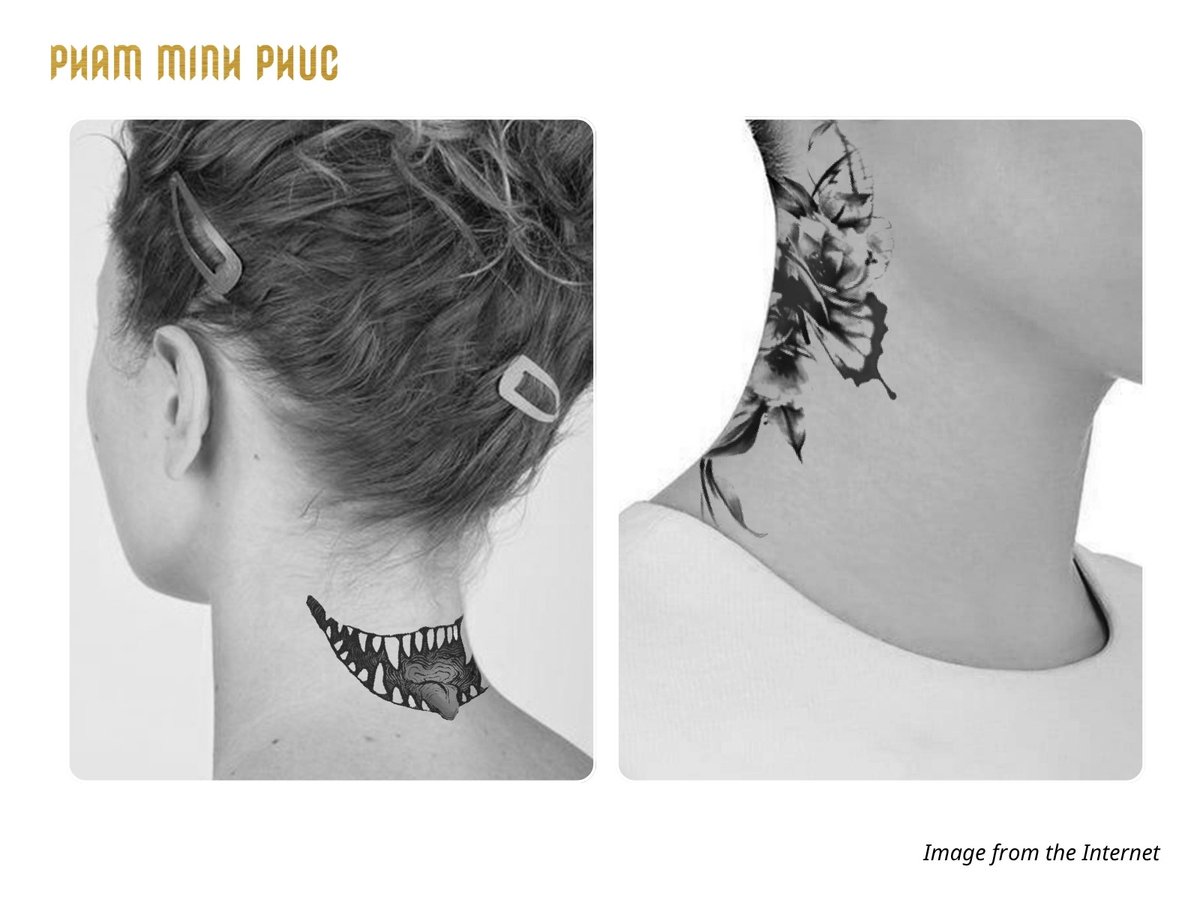
The side of neck tattoo placement runs along the sternocleidomastoid muscle from the jawbone down to the collarbone. This prominent canvas experiences moderate to high pain levels due to the major nerves resting just below the skin surface. You will find this area very difficult to conceal unless you consistently wear your thick hair down.
Common side of neck tattoo designs leverage this elongated vertical space to frame the jawline beautifully. Collectors heavily favor traditional roses, flying swallows, and sprawling botanical vines that flow organically down toward the collarbone. You can also successfully place heavy gothic script or bold numbers here, as the rigid typography contrasts perfectly against the anatomical curves of your neck.
Back of Neck / Nape Tattoo
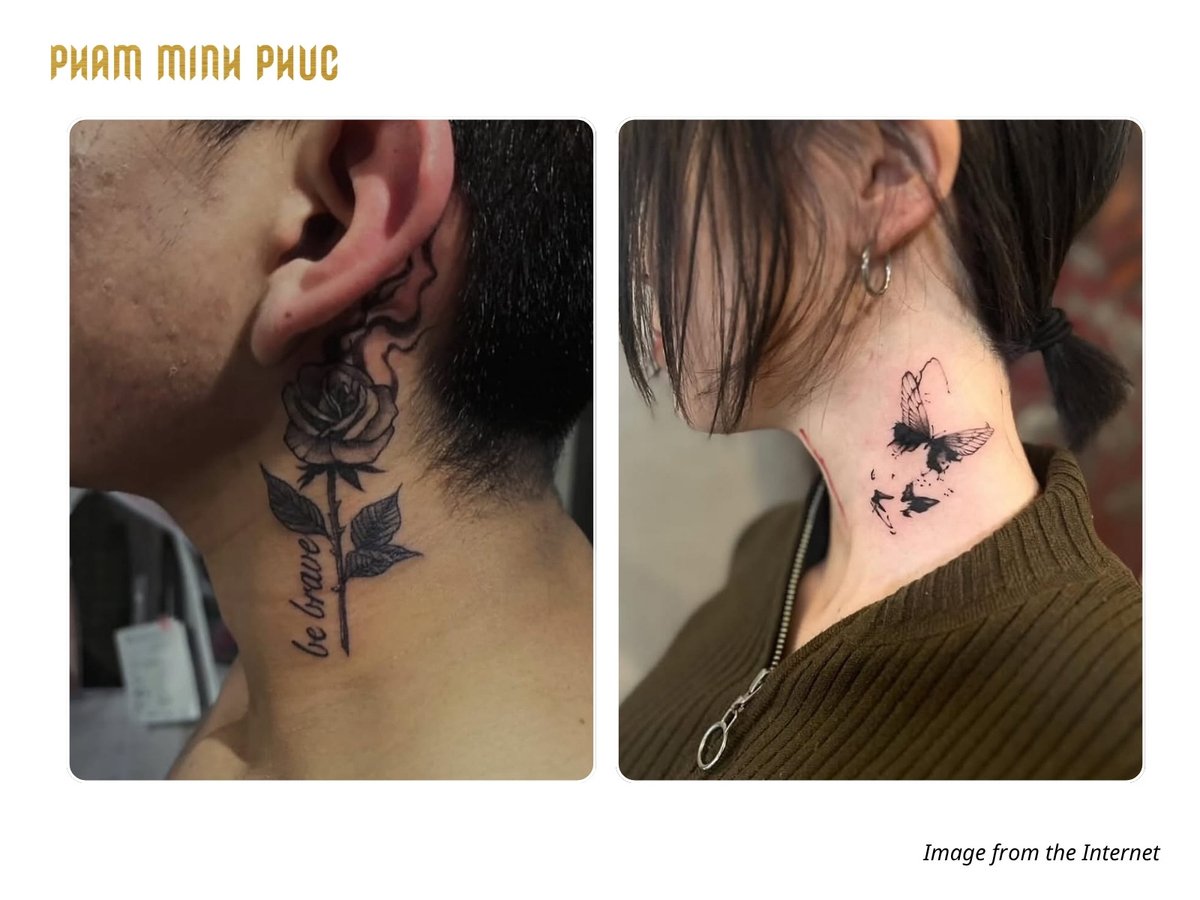
The back of neck or nape tattoo placement sits directly on the lower cervical spine. This area offers a highly elegant and discreet option for your first upper-body piece. The thick muscle and flesh located here provide a low to moderate pain experience compared to the throat. You can easily cover this artwork with standard business attire to maintain strict professional boundaries.
Popular nape tattoo ideas focus on elegant symmetry and discreet personal symbolism. Many individuals select delicate lotus flowers, precise unalome symbols, or horizontal fine-line script that rests neatly just below the hairline. These compact designs age exceptionally well because the thick underlying muscle provides a stable, flat canvas that strongly resists natural skin sagging.
Behind the Ear Tattoo
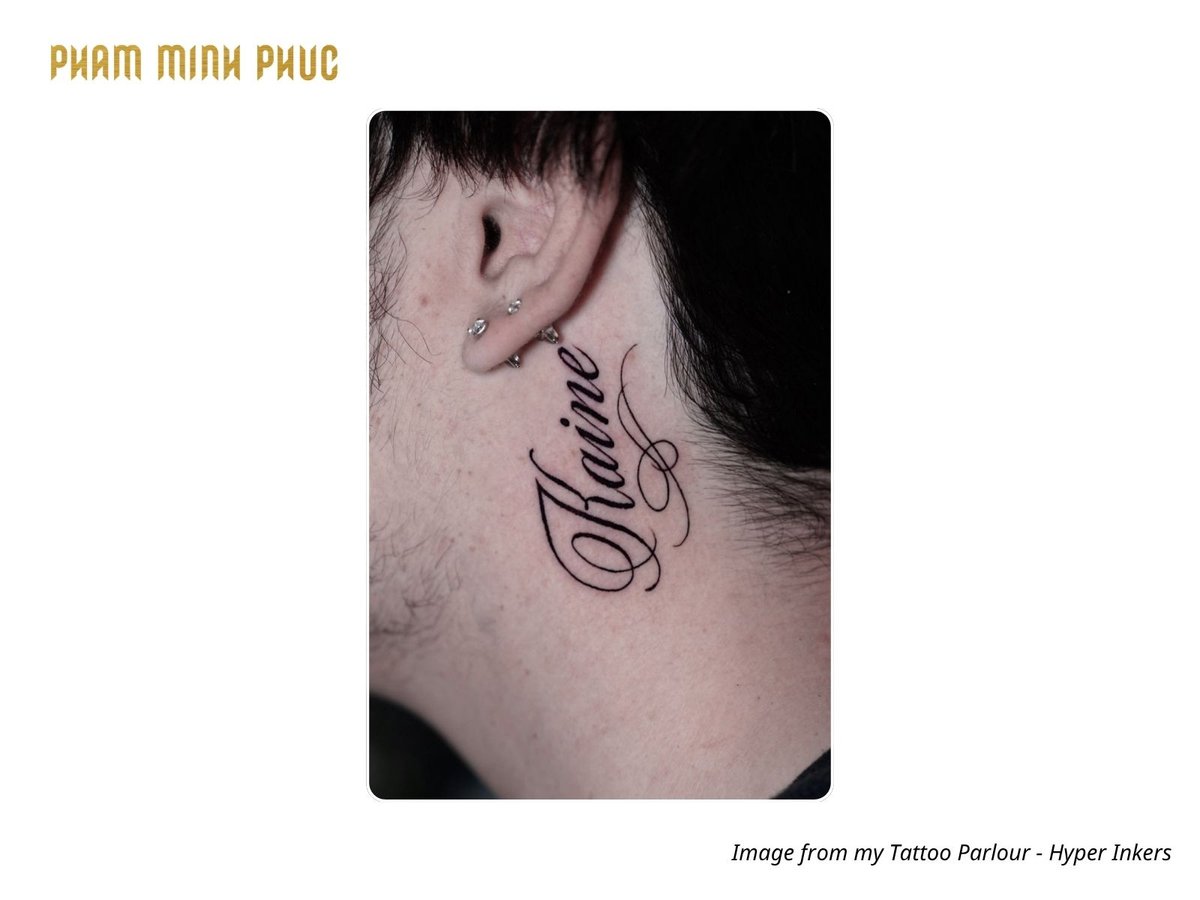
The behind the ear tattoo placement utilizes the small delicate skin section resting directly over the skull. The needle striking so close to the bone generates strong vibrations that echo through your head. The overall pain feels sharp but the sessions remain very quick due to the limited spatial capacity. This subtle spot acts as a hidden personal secret that you reveal only on your own terms.
Common behind the ear tattoo ideas rely on tiny, minimalist structures to fit within the severely limited anatomical space. Clients frequently request delicate crescent moons, tiny celestial stars, single initials, or small floral accents that curve naturally along the cartilage boundary. You must keep these specific designs extremely simple because complex line work in this tight area will quickly merge into an unrecognizable dark smudge.
Which Tattoo Styles Flow Best on the Neck?
Specific tattoo styles flow best on the neck by adapting to the natural curvature of the jawline and resisting the rapid aging of cervical skin. The skin in this region loses collagen and elasticity much faster than other body parts. This rapid turkey neck aging effect severely distorts hyper-realistic portraits and delicate micro-shading within a decade. You must select bold architectural designs to ensure long-term structural integrity against natural skin sagging.
- American Traditional: Thick black outlines and heavy color saturation effectively combat the inevitable loss of skin elasticity. This robust style maintains its clarity and striking visual impact for decades.
- Bold Blackwork: Solid black shapes and dense shading survive the constant daily movement of the throat beautifully. The extreme contrast ensures the artwork remains highly readable as the epidermal layers stretch over time.
- Ornamental Geometry: Symmetrical mandalas and precise geometric patterns utilize the center of the throat perfectly. These highly structured designs frame the jawline and the throat with strong mathematical lines that resist age-related distortion.
- Heavyweight Script: Large, clear lettering adapts flawlessly to the elongated vertical space on the side of the neck. You must choose thick, bold fonts because delicate cursive will inevitably blur into an illegible smudge due to constant neck friction.
- Neo-Traditional: Vibrant color packing and varied line weights complement the anatomical curves of the cervical area perfectly. This style offers a modern aesthetic while retaining the highly durable skeleton of traditional tattooing.
Neck Tattoo Aftercare: Sleeping, Collars, and Shaving
Neck tattoo aftercare requires strict lifestyle adjustments regarding your sleeping position, clothing choices, and daily grooming habits. You must actively protect the raw dermis from constant environmental friction and dangerous bacterial infections. Your cervical region constantly turns, stretches, and folds, making this specific healing process exceptionally challenging compared to a static limb. You must implement these strict physical guidelines to protect your fresh ink and ensure the pigment settles perfectly.
- Avoid the collared shirt guillotine: You must completely avoid wearing stiff business shirts or turtlenecks during the first two weeks of healing. The rigid edge of a standard collar acts like a blade against your fresh ink. Every time you turn your head, this stiff fabric aggressively scrapes away the protective scabs and pulls the pigment directly out of the open wound. You should wear wide crew neck t-shirts exclusively to prevent this catastrophic mechanical friction.
- Adjust your sleeping position: You must sleep flat on your back without thick, elevated pillows to prevent the fresh artwork from sticking to your bedsheets. Bending your neck forward during sleep creates deep creases in the healing skin, which inevitably leads to heavy ink fallout and cracked scabs. You should utilize a firm travel neck pillow to keep your head straight and immobilize the tattooed area safely overnight.
- Suspend all shaving routines: You need to completely stop shaving your neck and beard line around the tattooed area until the surface epidermis regenerates entirely. Razors harbor aggressive bacteria and will instantly slice open the healing dermis, causing severe infections and permanent scarring. You must wait a minimum of three to four weeks before letting any sharp blade or electric trimmer touch the new artwork.
- Clean the wound meticulously: You must wash the cervical area two to three times a day using unscented antibacterial soap and lukewarm water. You should always pat the skin dry with a clean, single-use paper towel because standard fabric bath towels trap invisible bacteria from previous uses.
Can you exercise after getting a neck tattoo?
You cannot exercise after getting a neck tattoo for at least fourteen days. Heavy physical exertion forces you to breathe deeply, which violently stretches the healing throat skin and cracks the new scabs. Profuse sweating also introduces aggressive bacteria directly into the open wound, significantly increasing the risk of a severe infection.
If you’re not sure whether this tattoo placement is right for you, check out my complete tattoo placement guide to explore all your options and find the perfect spot for your ink.
FAQs about Neck Tattoo Placement
Will a Neck Tattoo Affect Your Career?
A neck tattoo will significantly affect your career trajectory in conservative professional environments. This highly visible placement functions as a traditional job stopper because standard corporate attire cannot hide the artwork. You must honestly evaluate your specific industry standards and future upward mobility before committing to such a permanent public statement.
Why do some tattoo artists refuse to do neck tattoos?
Some tattoo artists refuse to do neck tattoos on clients who possess bare arms or a blank canvas body to enforce the heavy coverage rule. Ethical professionals protect inexperienced clients from making impulsive decisions that carry heavy societal consequences. Reputable artists demand that clients demonstrate a clear understanding of the professional stigma by acquiring significant arm or torso tattoos first.
Does getting your throat tattooed feel like choking?
Getting your throat tattooed often feels like a mild choking sensation due to the required physical skin stretching. The artist must press down firmly near your windpipe to create a tight surface for the needle. The natural localized swelling during the procedure adds extra pressure to your trachea. You must remain completely calm and focus on steady breathing to manage this temporary claustrophobic feeling safely.
Do neck tattoos need touch-ups?
Yes, Neck tattoos need touch-ups frequently to maintain their structural integrity and vibrant pigment. The constant daily movement of turning your head naturally breaks down the ink particles over time. This highly exposed area also suffers from intense daily sun exposure. You must apply a high-SPF sunscreen every single day to prevent the harsh UV rays from rapidly fading your artwork.
Neck tattoo placement demands strict lifestyle adjustments and meticulous daily hygiene to master the recovery process safely. The client protects the settling pigment by completely avoiding stiff collared shirts and suspending all shaving routines during the initial healing month. The individual also prevents severe ink fallout by utilizing a firm travel pillow to immobilize the throat overnight. As a San Antonio-based custom artist, I specifically calibrate bold architectural designs to resist the natural loss of skin elasticity in the cervical area. If the objective involves a powerful, high-impact statement that defines your personal branding, I am ready to execute what you envision.