Back tattoo placement provides the ultimate anatomical foundation for expansive, large-scale masterpieces. This posterior region includes diverse micro-zones ranging from the stable upper back to the highly sensitive spinal column and lower back. Clients frequently select the back because the massive surface area allows for unparalleled design versatility while maintaining total professional concealment under standard business attire.
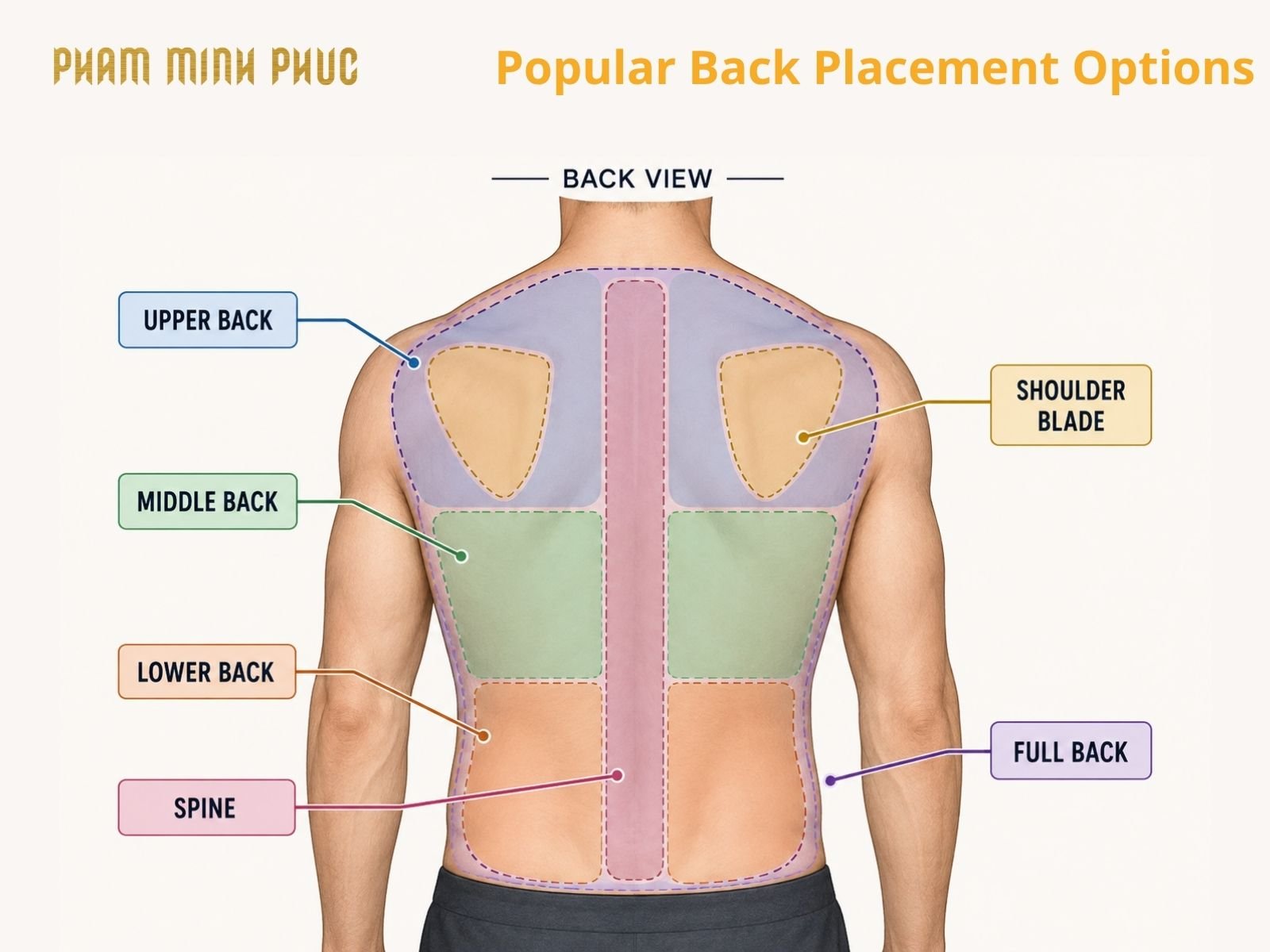
The upper back offers strong horizontal width, while the middle back gives a large central area for focal artwork. The spine creates a narrow vertical path, the shoulder blades suit more isolated pieces, and the lower back favors designs that spread across the lumbar area.
Large back tattoos require more planning because the main subject, surrounding details, and empty space all need to work together. If you may eventually expand the tattoo, the first placement should also leave useful connections toward the shoulders, ribs, waist, or other parts of the back. Today I will let you know the main back tattoo locations, how different designs fit each area, how painful the back can be, and what you should consider before choosing the final placement.

Table of Contents
Where Can You Place a Back Tattoo?
You can place a back tattoo on the upper back, middle back, lower back, spine, shoulder blade, or across most of the back as one large composition. These areas provide different amounts of width, height, symmetry, movement, and room for future expansion.
Upper Back Tattoo Placement
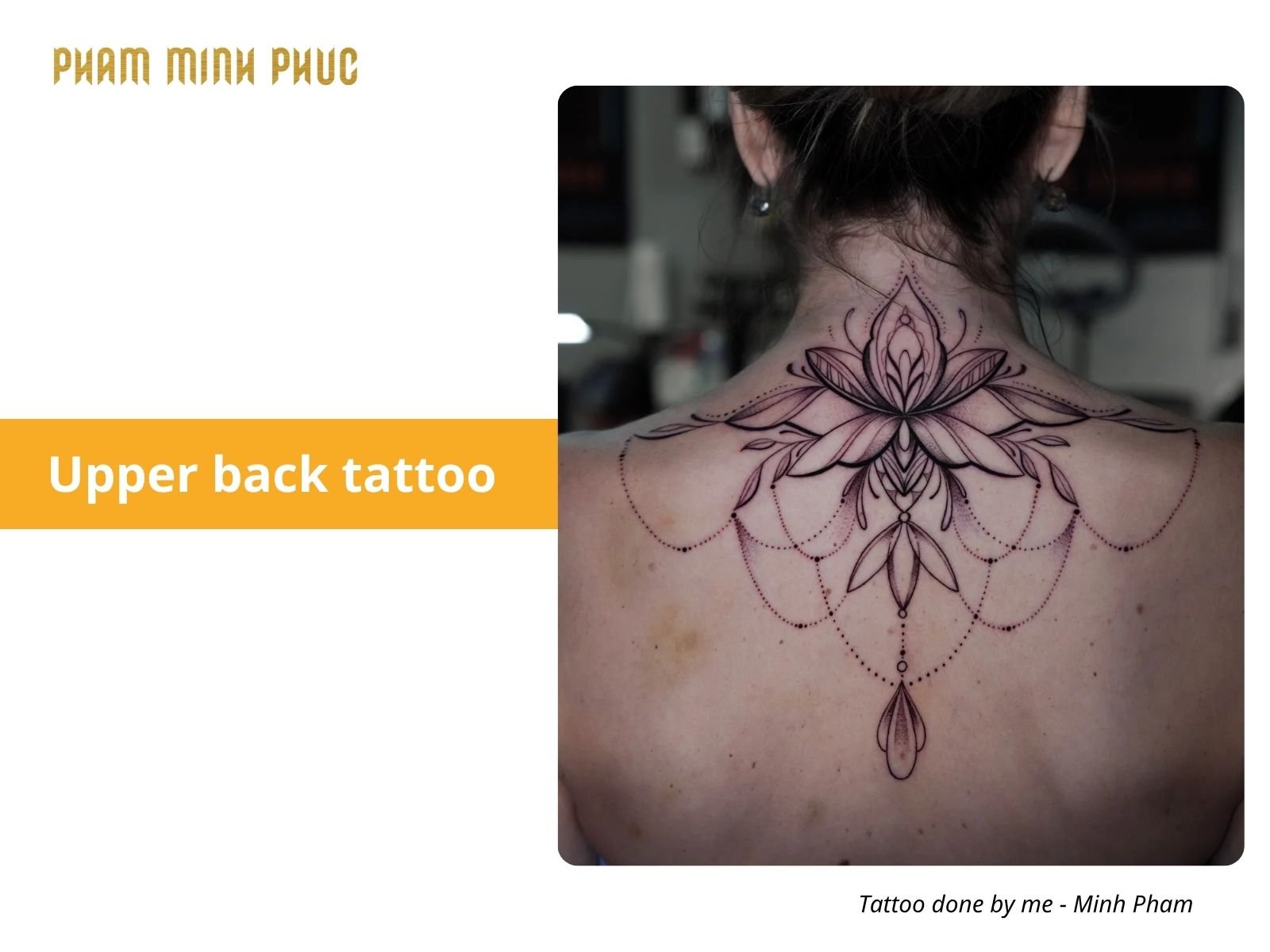
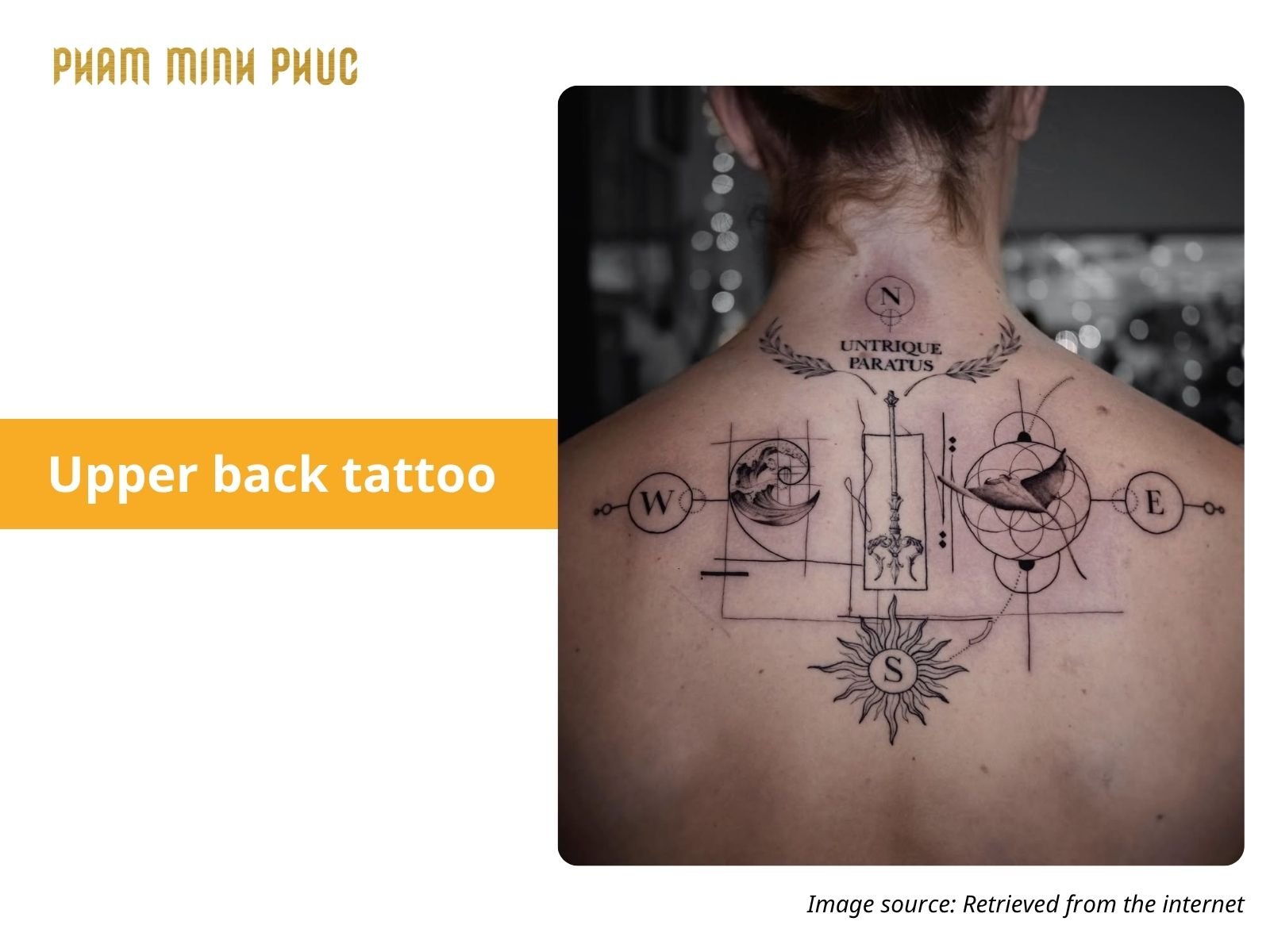
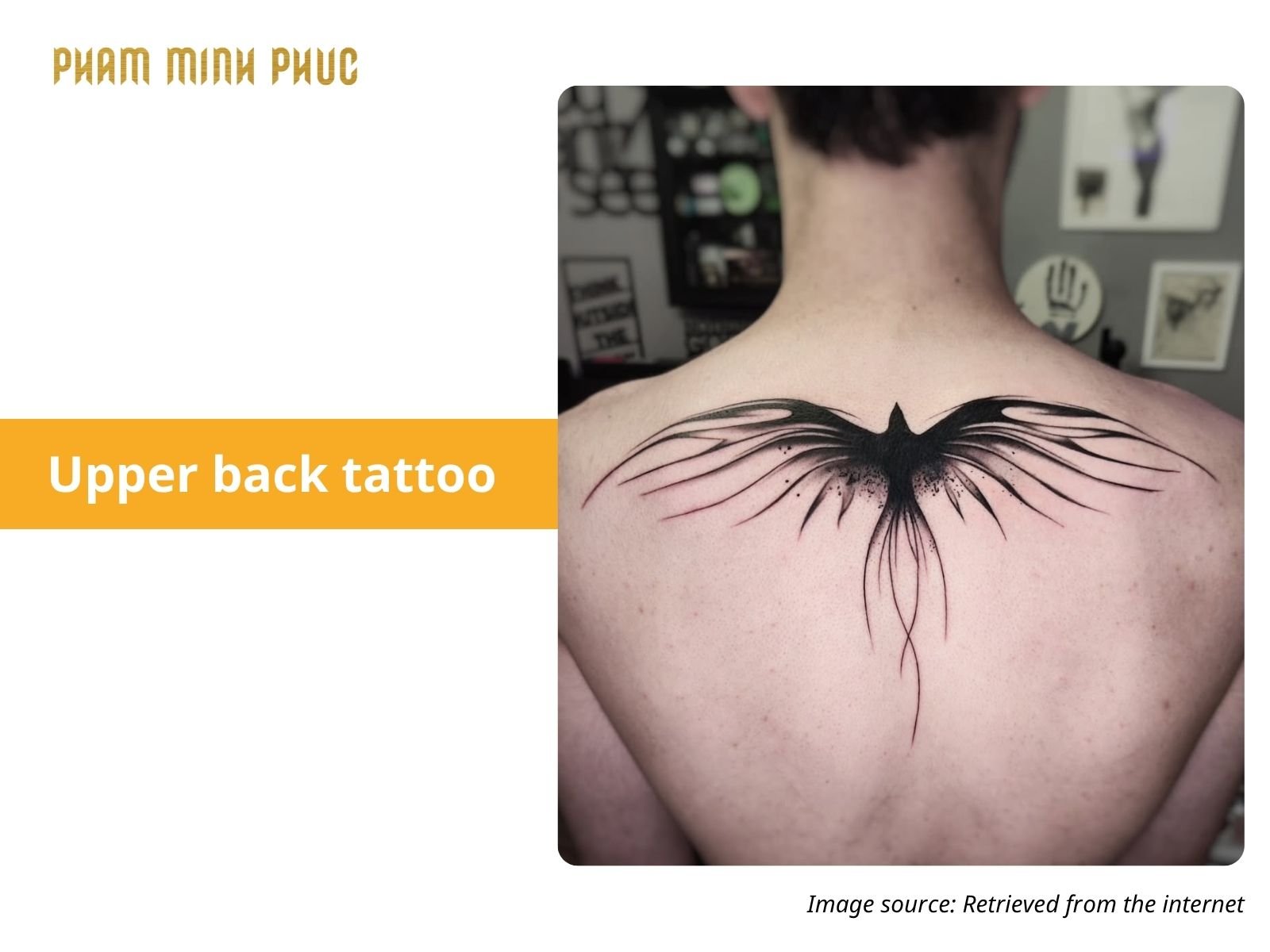
The upper back is best suited to designs that need horizontal width or a centered position between the shoulder blades. This area spans across the upper shoulder line and central upper back, giving medium and large designs enough room to spread without extending far down the torso. This location also provides a highly stable canvas with a low pain level due to substantial muscle padding.
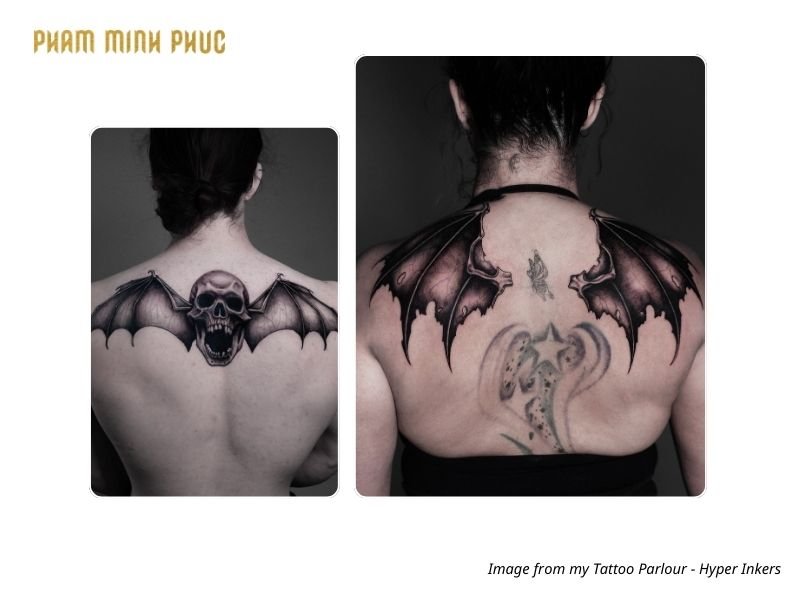
Wings, mandalas, lettering, animals, ornamental artwork, and illustrative pieces can use the width of your shoulders effectively. A wide tattoo should follow your natural shoulder line rather than being aligned only to a straight reference image. Your shoulders may sit at slightly different heights depending on your anatomy and posture, so you should check the stencil while you are standing naturally before approving the placement.
Middle Back Tattoo Placement
A middle-back tattoo gives a focal design a central position with room to expand both vertically and horizontally.
The placement sits below the shoulder blades and above the lumbar region, providing enough surface for medium-to-large animals, realism, ornamental work, religious imagery, fantasy subjects, and illustrative designs. One dominant subject can sit near the center of the back with supporting details spreading around it. The spine can provide a visual reference for centered artwork, but the composition does not have to be perfectly symmetrical.
A middle-back piece can also become the starting point for a larger project. Leaving open transitions above and below the tattoo makes it easier to connect future work with the upper or lower back.
Lower Back Tattoo Placement
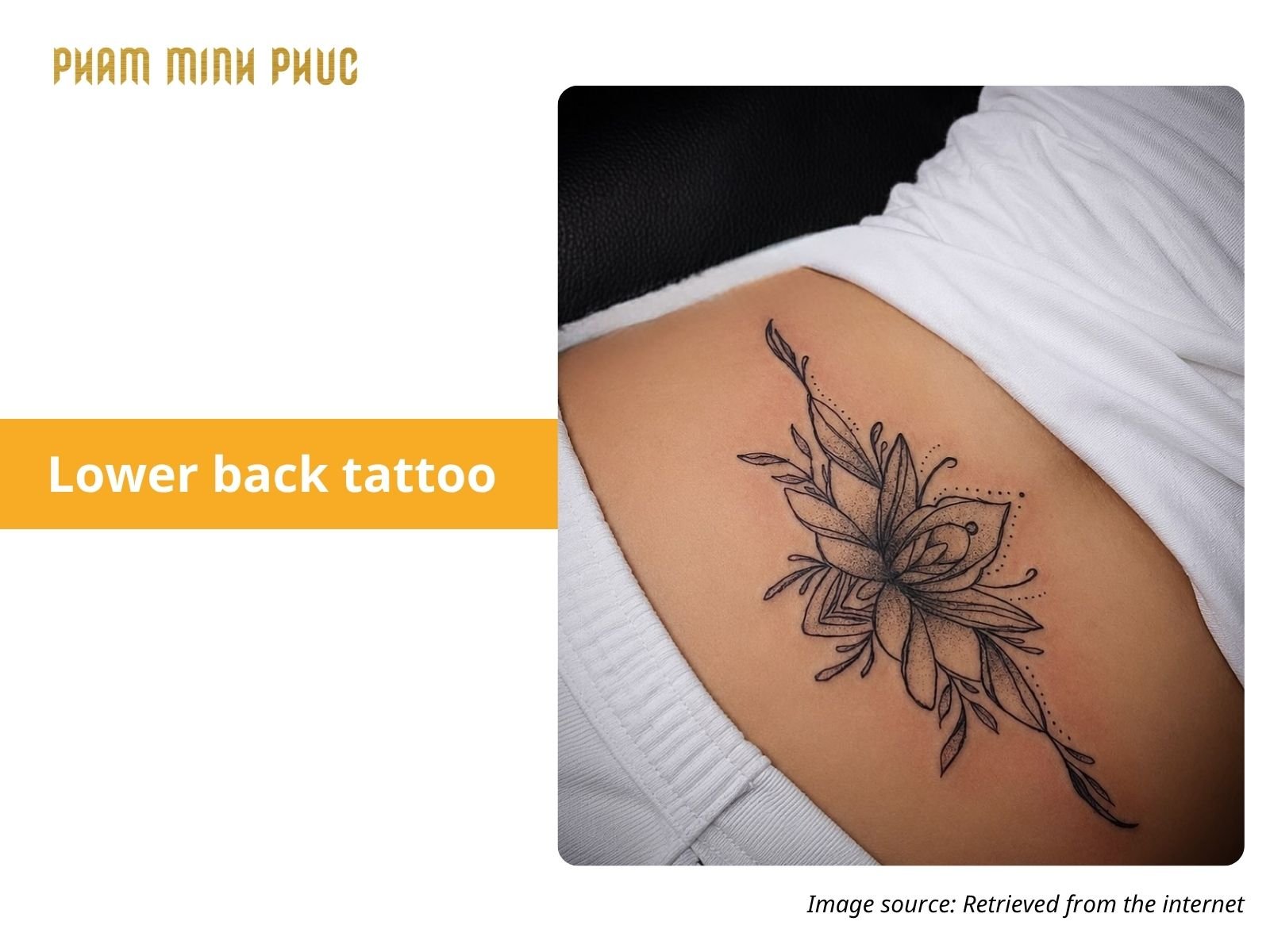
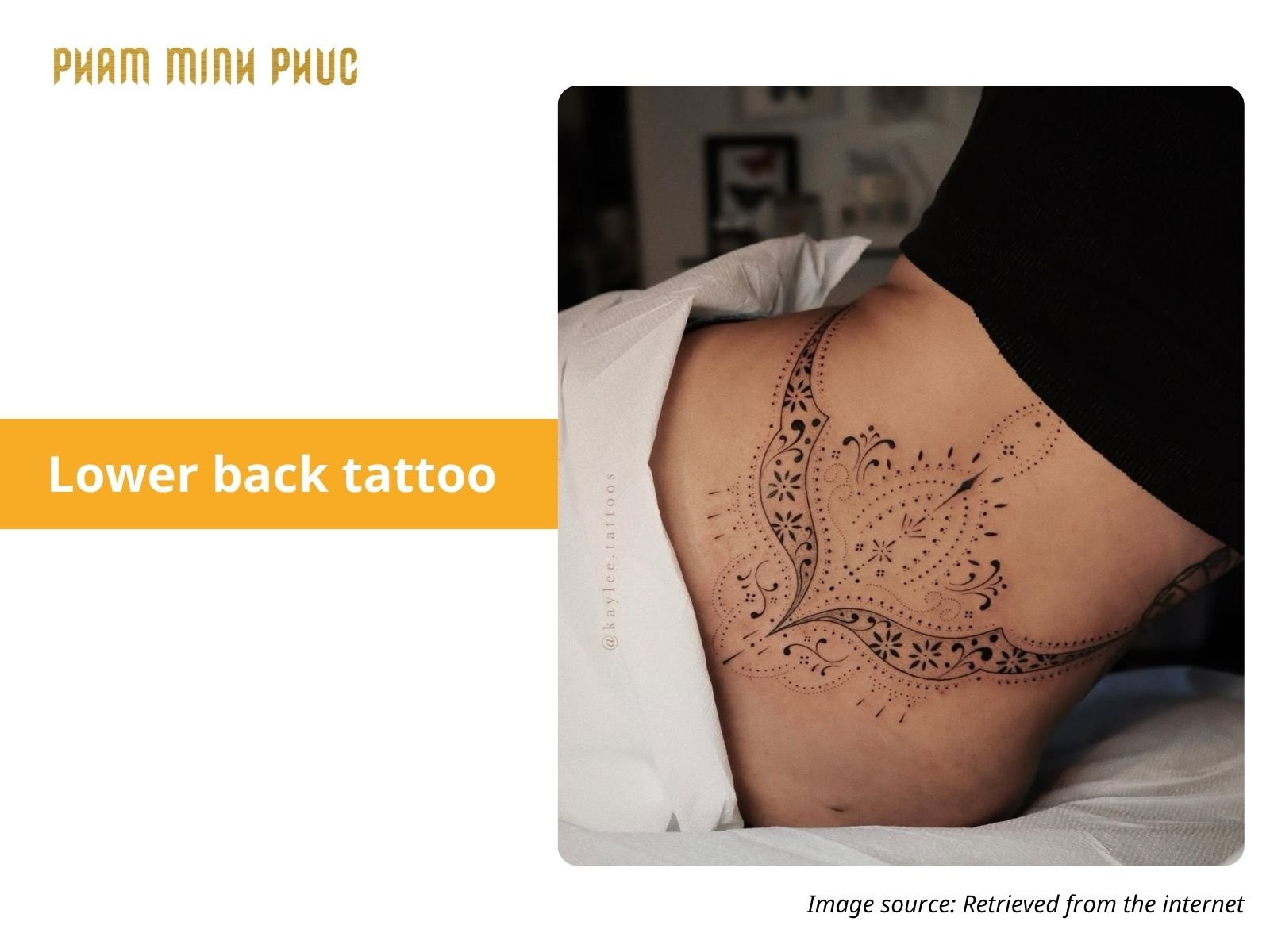
Lower-back tattoos naturally favor horizontal or curved compositions that follow the width above the hips.
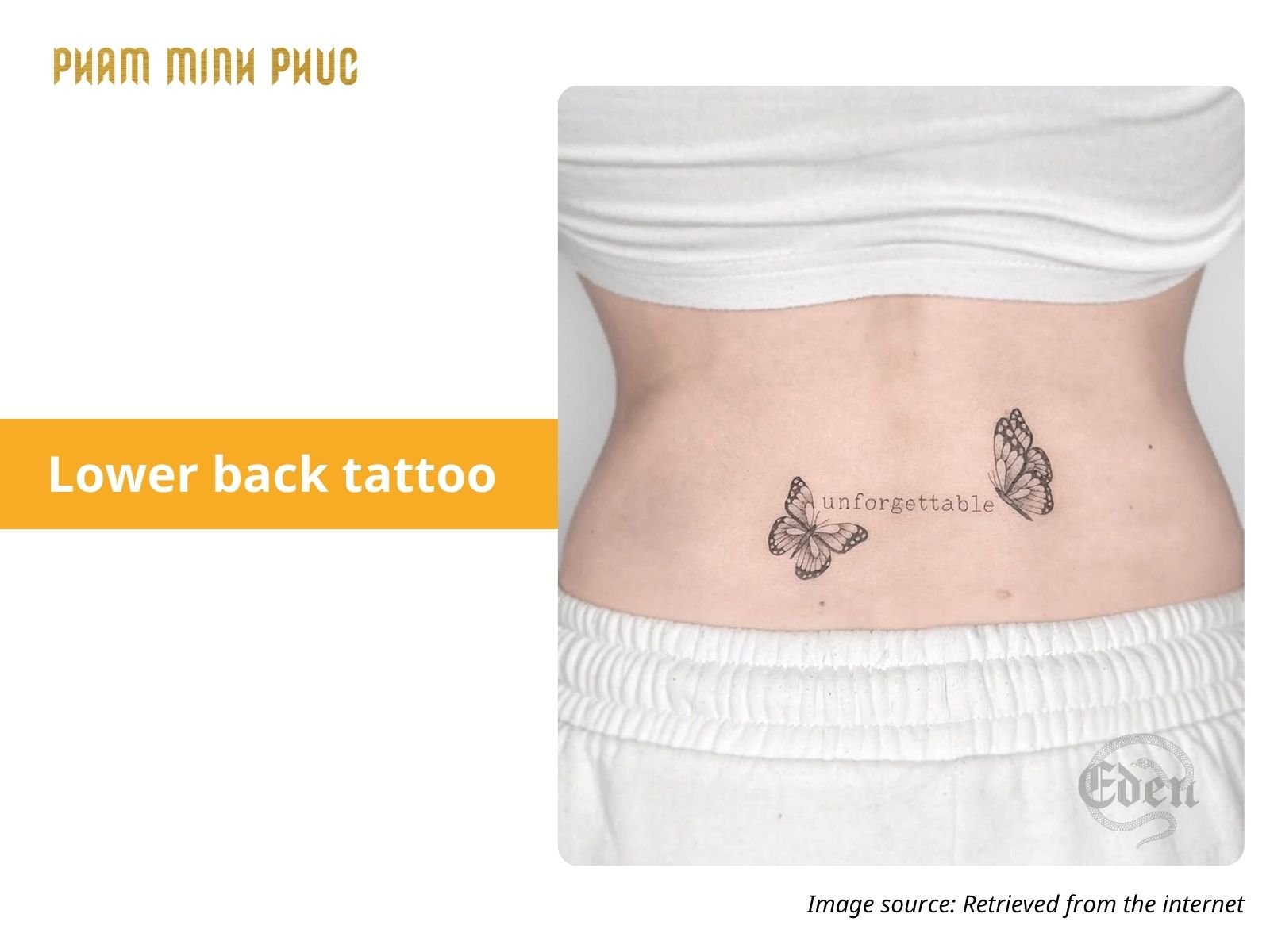
The placement occupies the lumbar area at the base of the back. Ornamental patterns, florals, abstract artwork, lettering, symmetrical motifs, and decorative linework can follow this shape without requiring much vertical height.
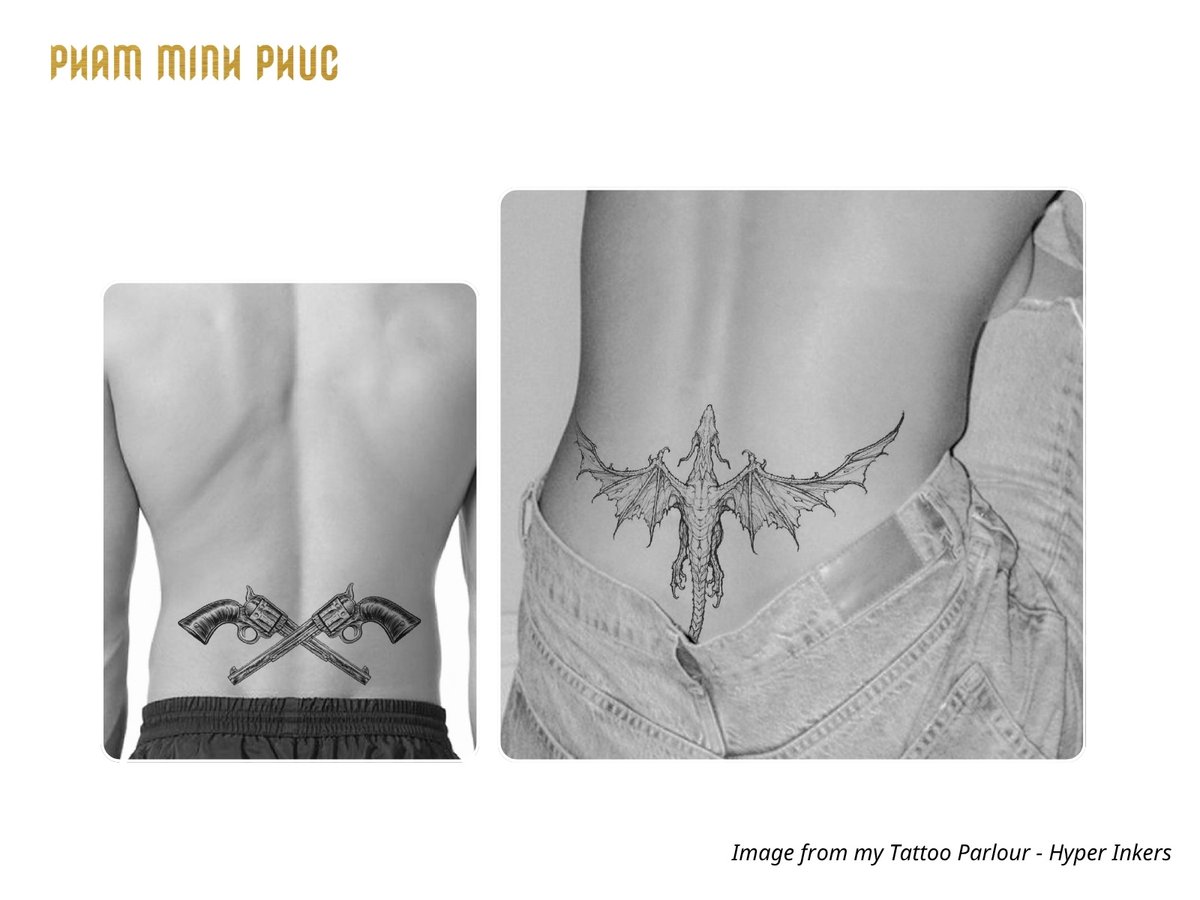
A smaller design may remain centered above the spine, while a broader piece can extend toward both sides of the waist.
Most lower-back tattoos are easy to conceal beneath everyday clothing. The position of waistbands should still be considered before the stencil is finalized, especially when the tattoo sits close to the top of the hips.
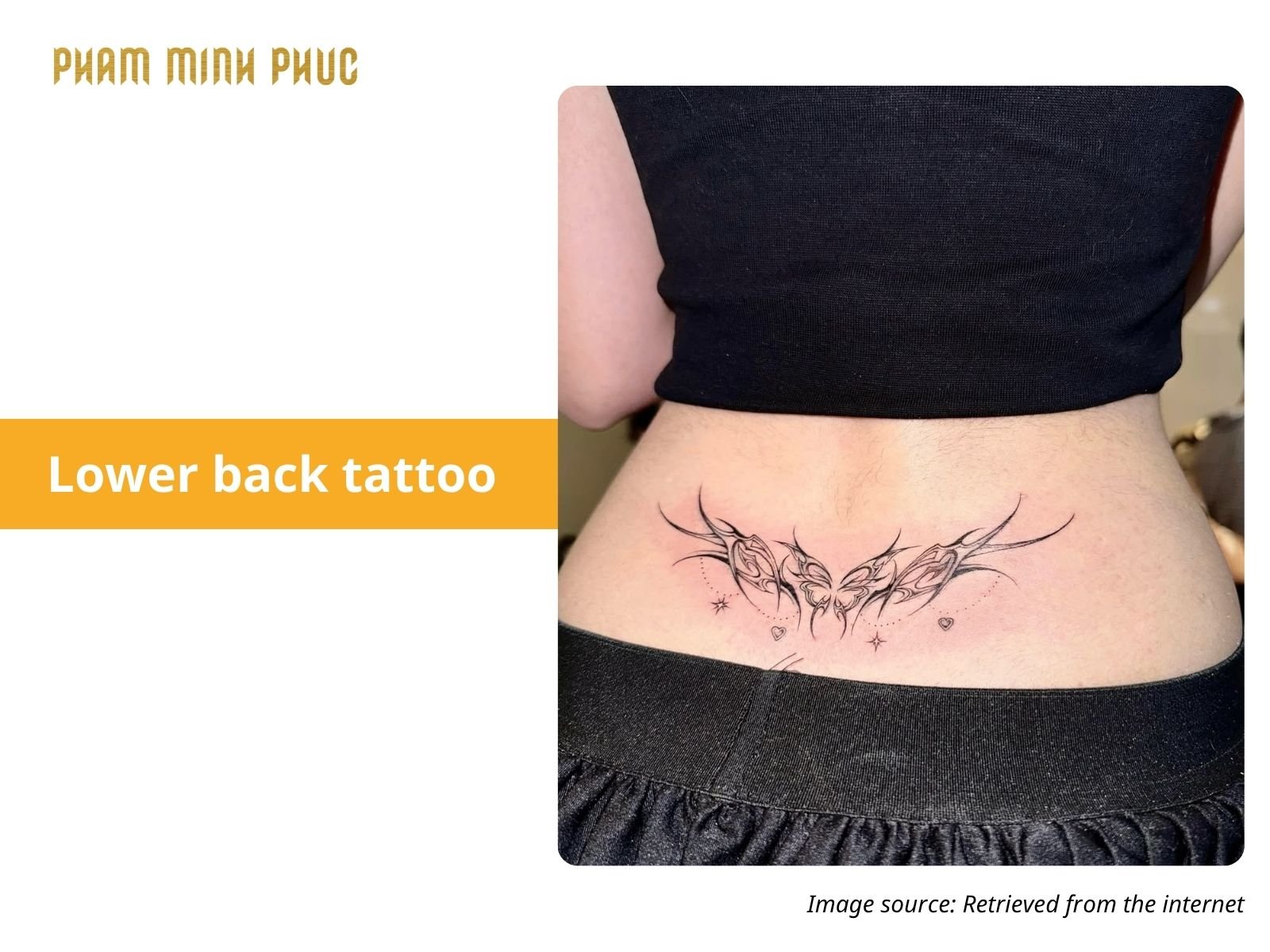
You must factor in potential long-term body changes when selecting a lower back design. This specific region frequently experiences size fluctuations due to weight changes or pregnancy. Choosing flexible, organic designs like botanical vines rather than rigid geometric shapes prevents severe stretch marks and long-term distortion as your body evolves.
Spine Tattoo Placement
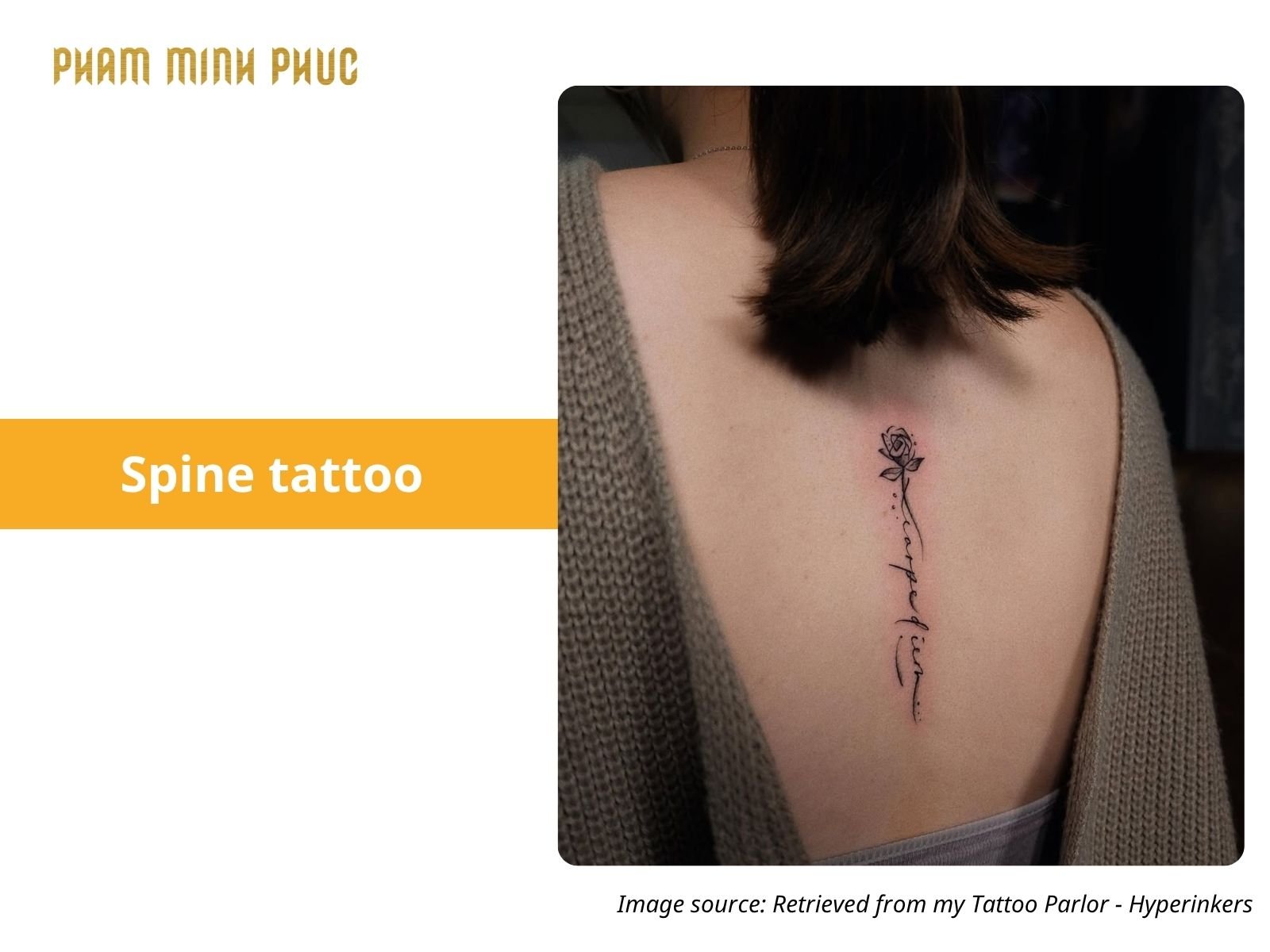
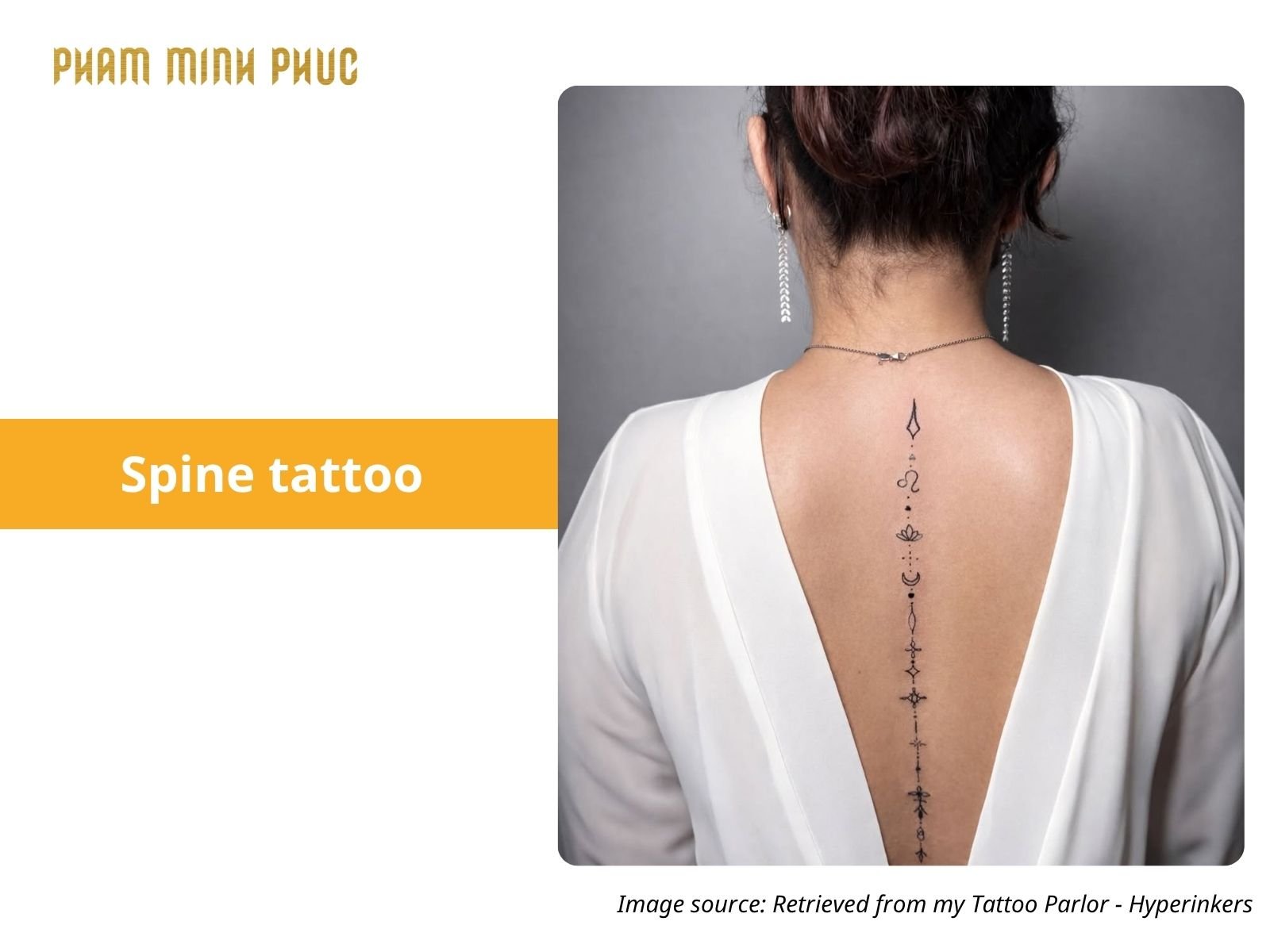
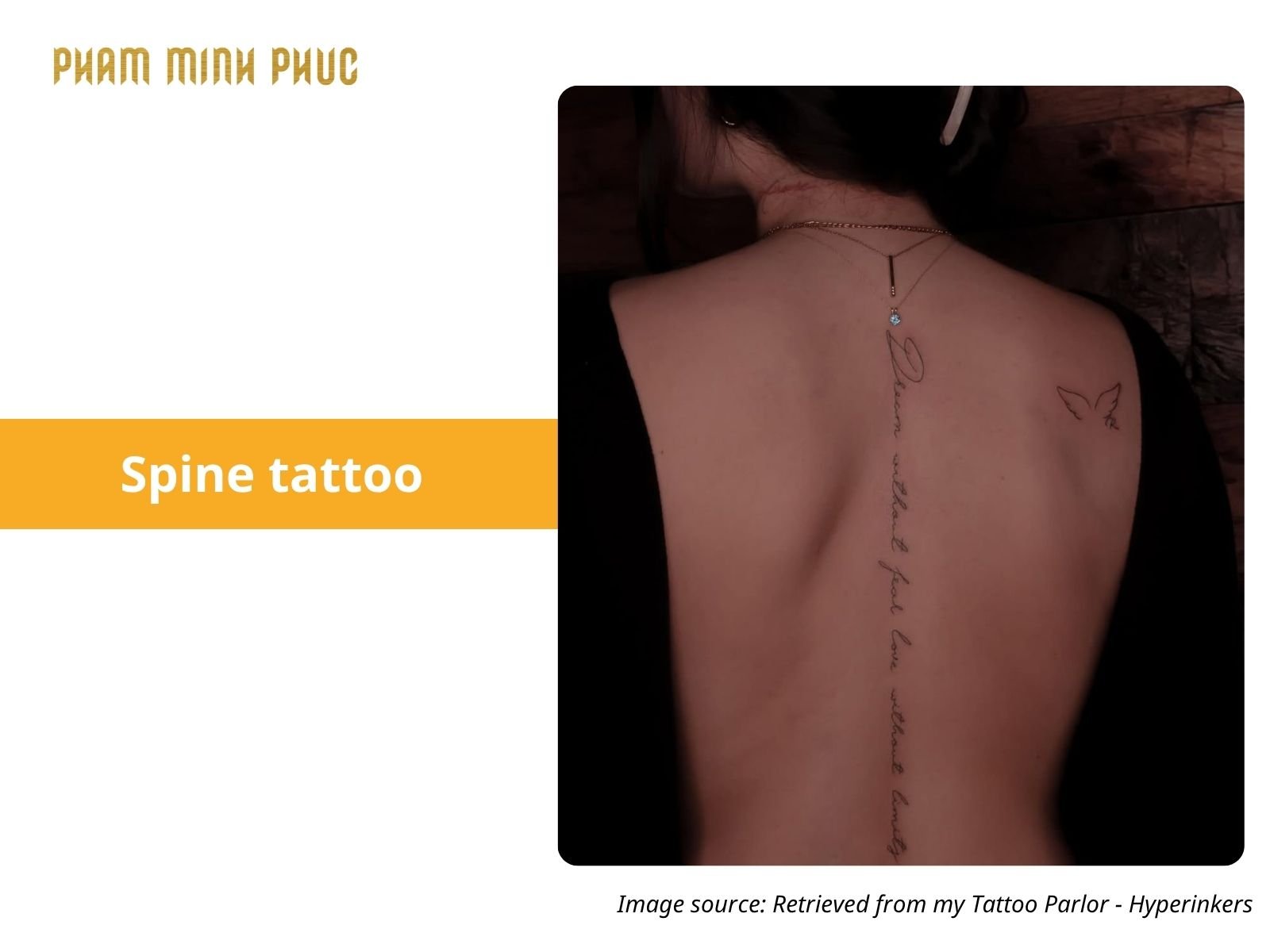
The spine is the strongest back placement for artwork built around a long vertical axis. Spine tattoos follow the vertical line of the vertebrae to create a striking and elegant visual statement. This central placement involves a very high pain level because the dense nerve endings and thin skin sit directly over the spinal column.
Florals, vines, script, ornamental patterns, symbols, geometric sequences, and other narrow designs can follow the center of the back from the upper spine toward the lumbar area.
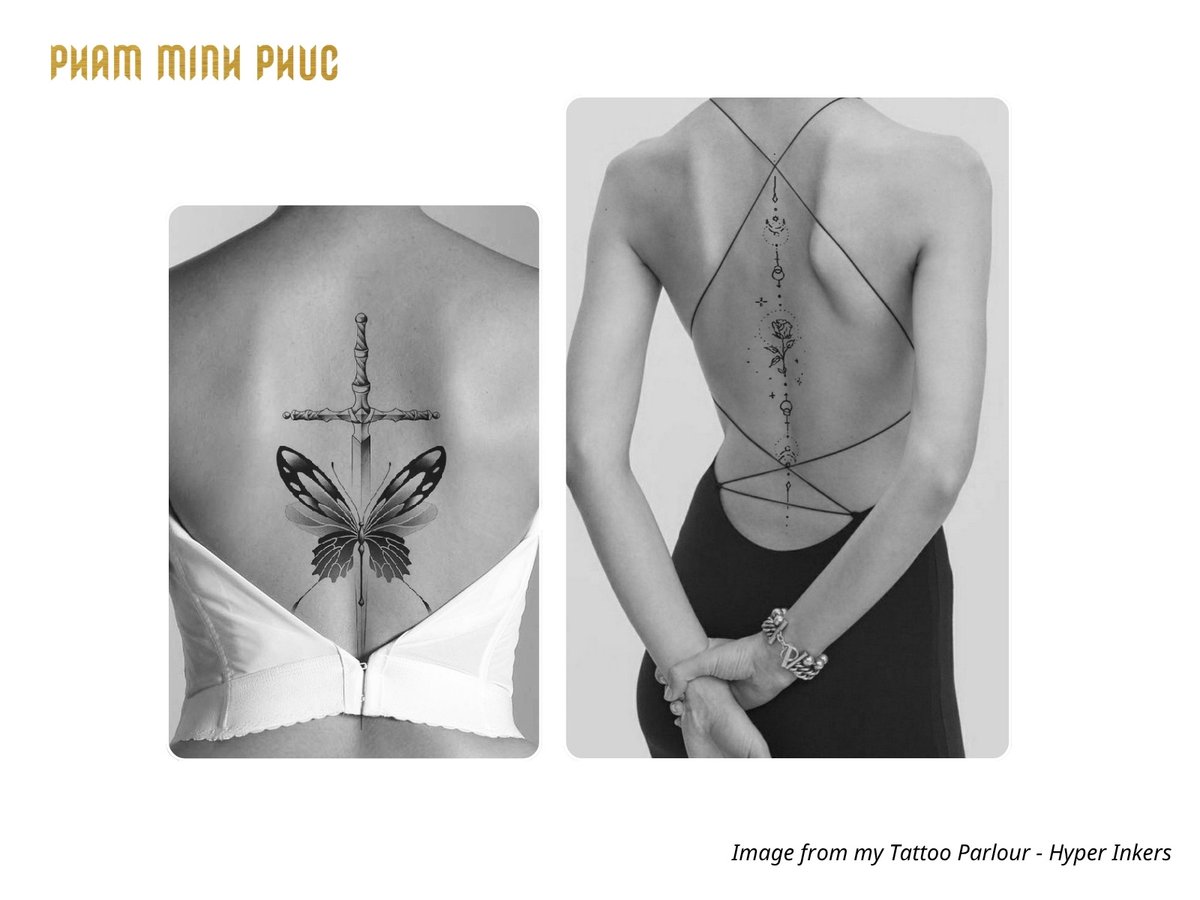
A spine tattoo should follow the body’s actual center line rather than being forced into a mathematically straight path. Natural posture and spinal curvature affect how the design appears when you stand normally. Shorter designs can remain around the upper spine or between the shoulder blades, while longer pieces can travel through the middle back toward the lower spine. For lettering, repeated symbols, or detailed ornamental work, enough spacing should remain between individual elements so the design does not become visually crowded.
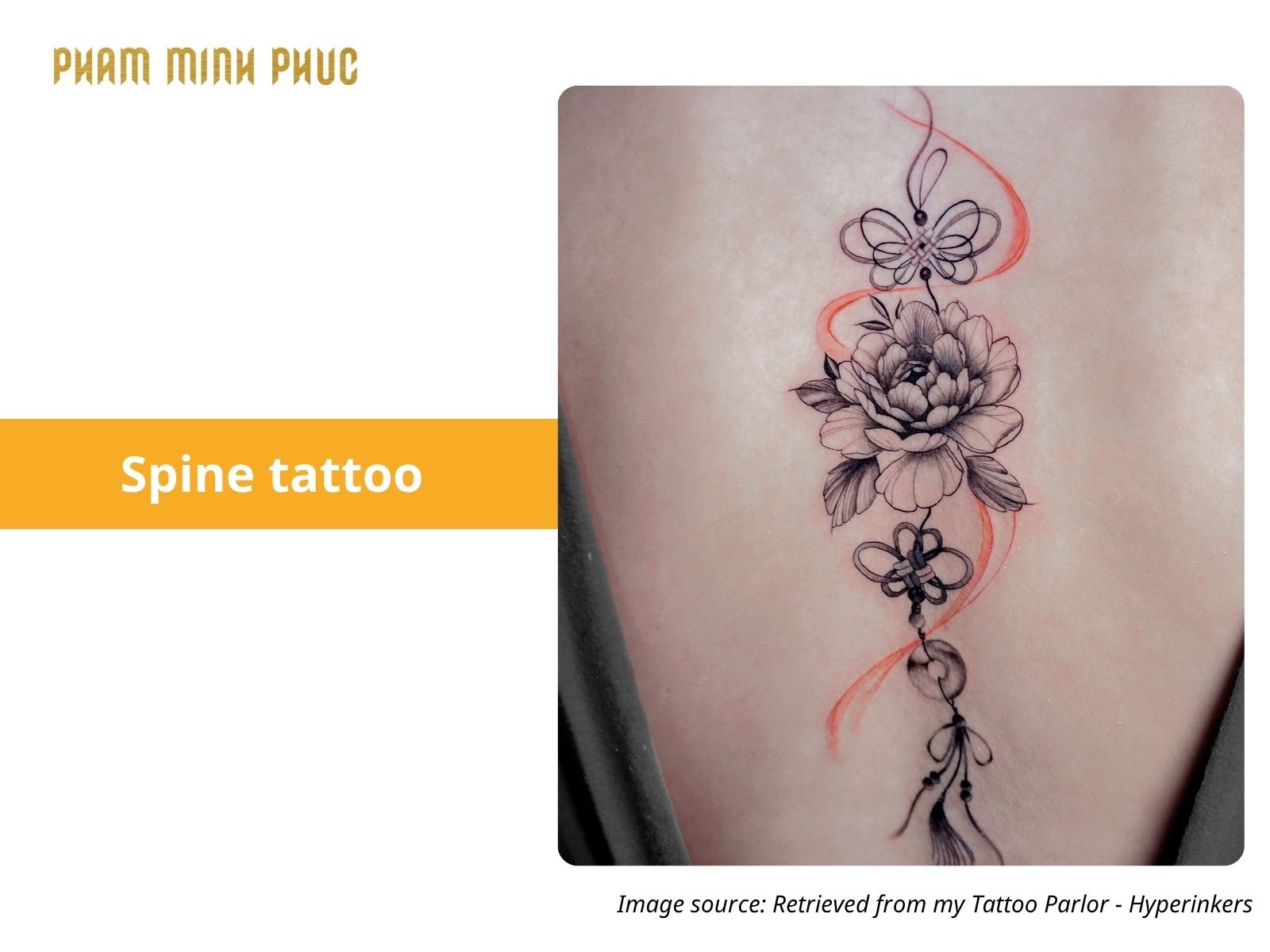
You must understand the reality of spine alignment before expecting a mathematically straight line. Very few people possess a perfectly straight spinal column. A professional artist will design the artwork to flow harmoniously with your natural anatomical curve rather than forcing a rigid straight line that looks crooked when you walk naturally.
Shoulder Blade Tattoo Placement
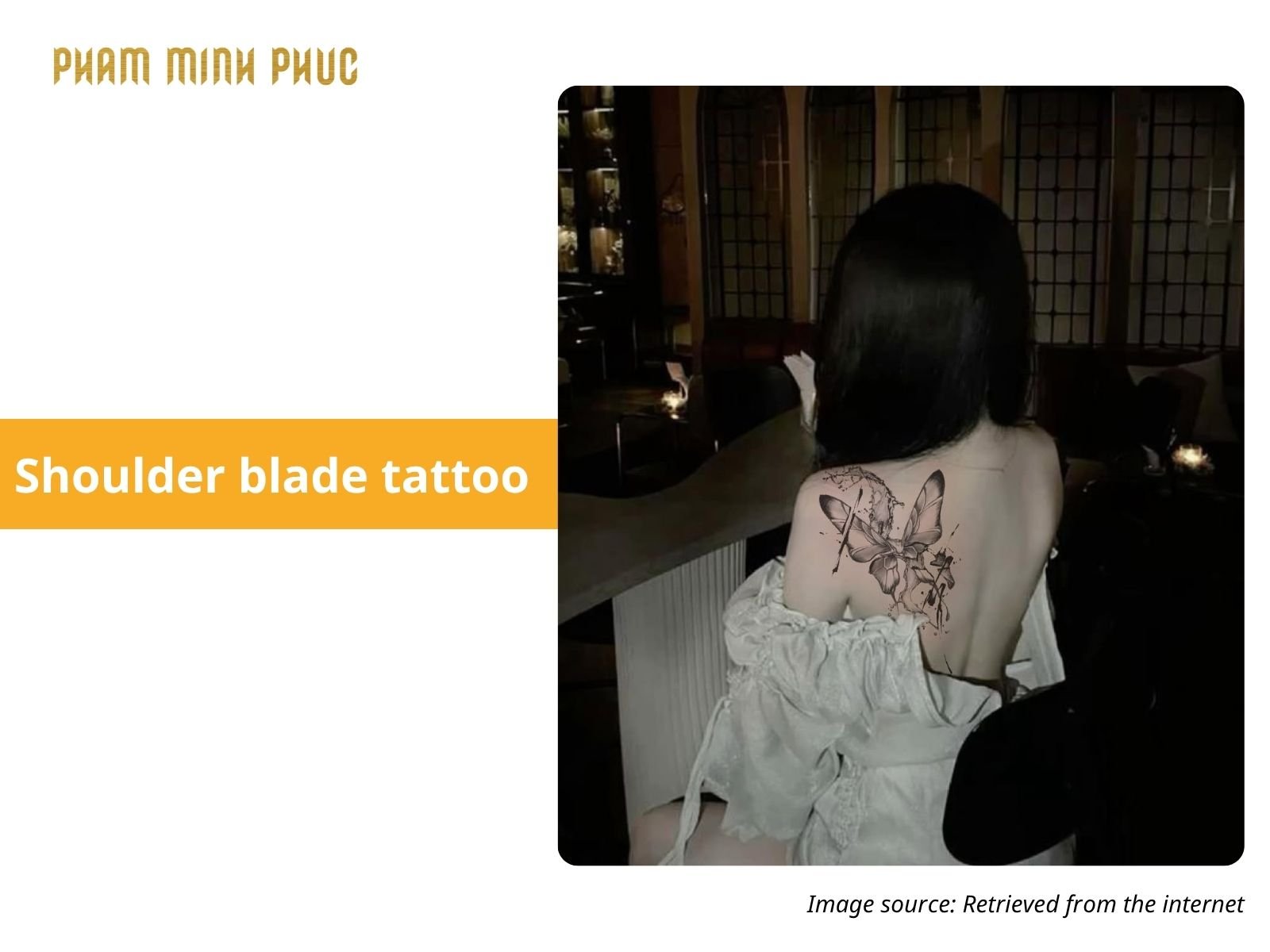
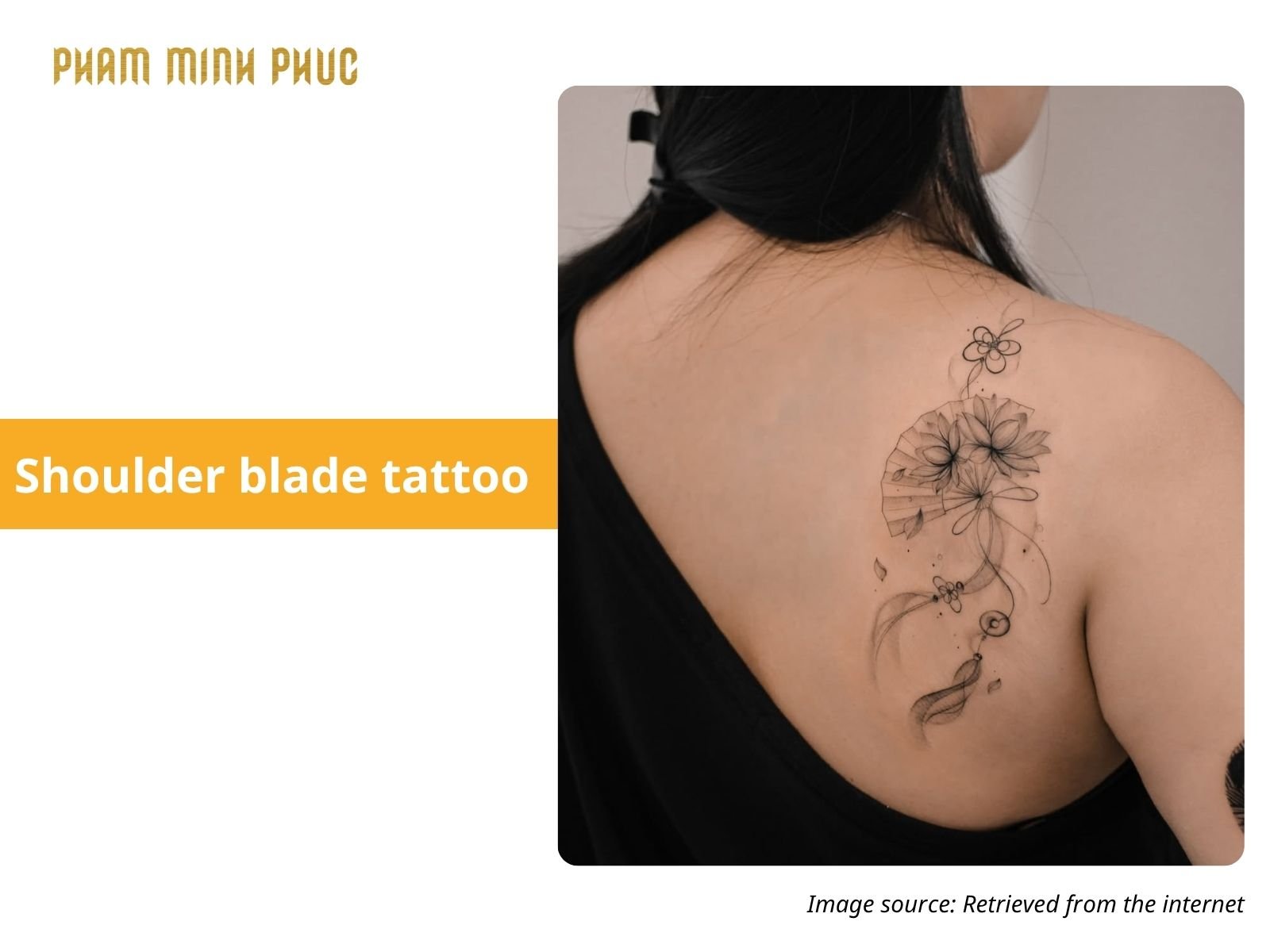
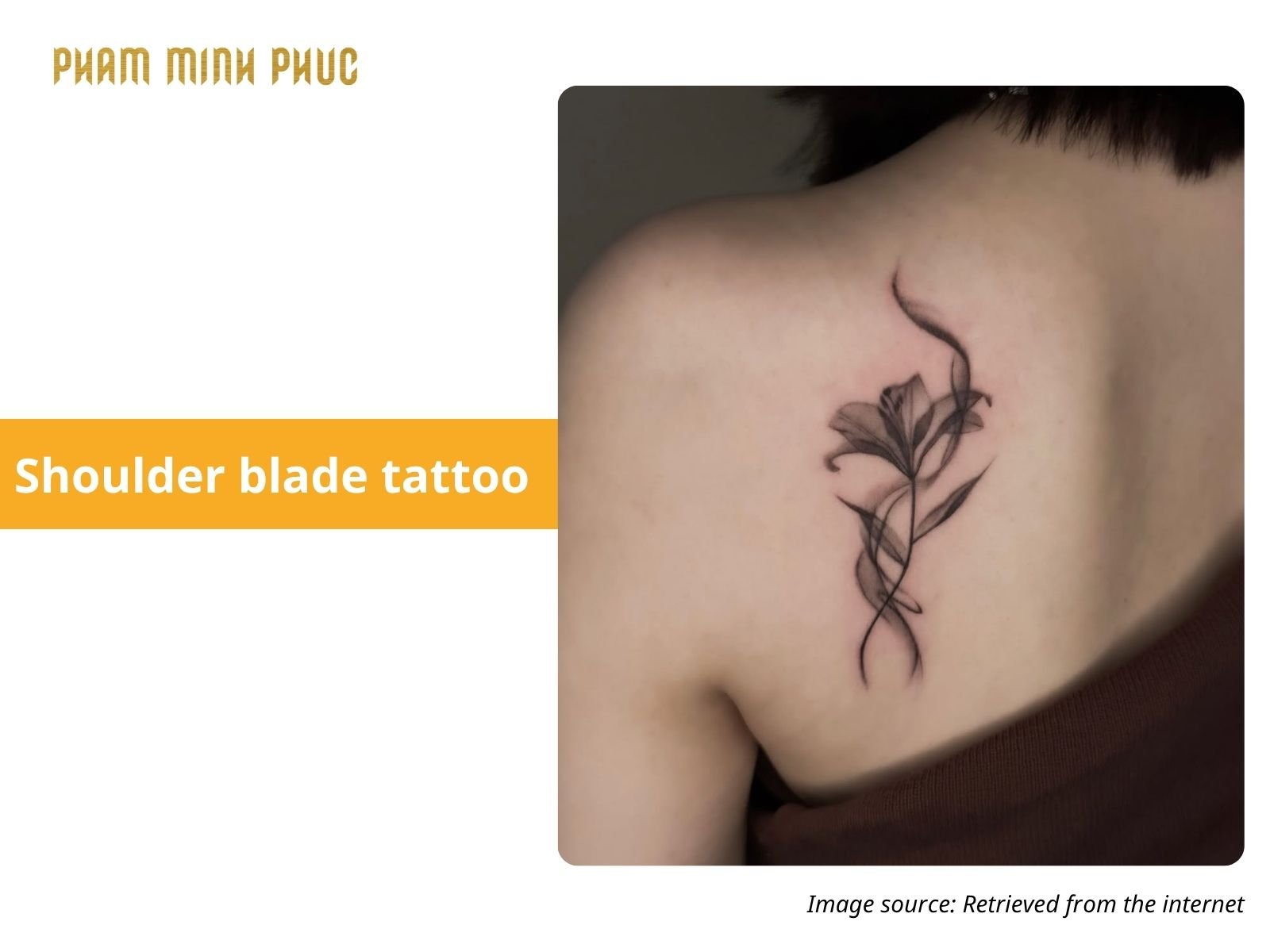
Shoulder blade tattoos target the flat, bony structures on the upper left or right side of the back. This location provides a stable surface for holding intricate details and clean lines with minimal long-term distortion. Small-to-medium animals, florals, portraits, symbols, ornamental artwork, and illustrative subjects can fit within the left or right scapular area without occupying the center of the back.
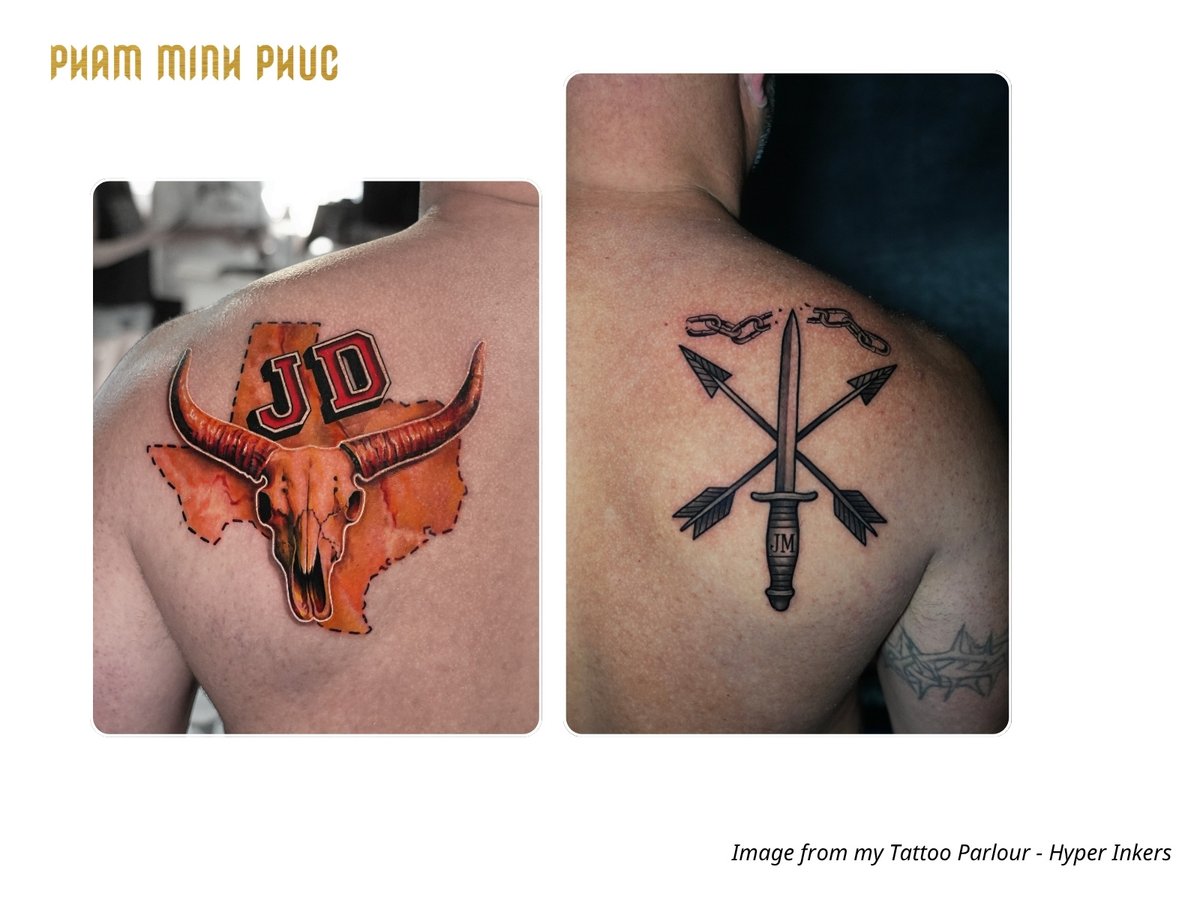
You can tattoo one shoulder blade as a standalone piece or use both sides for related designs. Paired tattoos can be mirrored, visually connected, or deliberately different while still sharing a similar scale.
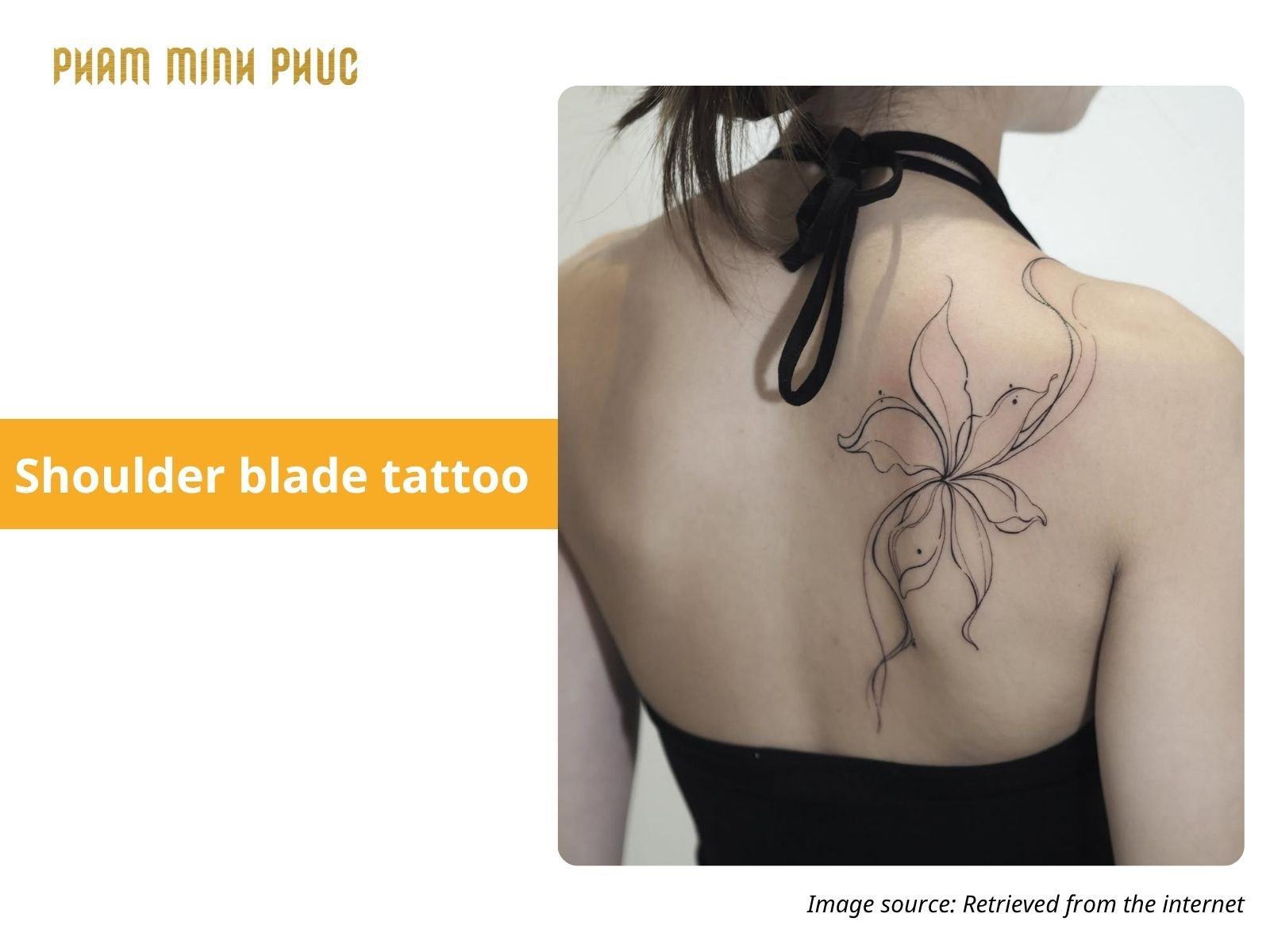
The shoulder blade moves as you raise and rotate your arm. A design with rigid shapes should therefore be checked with your arm in a relaxed position before the stencil is finalized. This location also leaves several expansion options toward the shoulder, upper back, or center of the back.
Full Back Tattoos
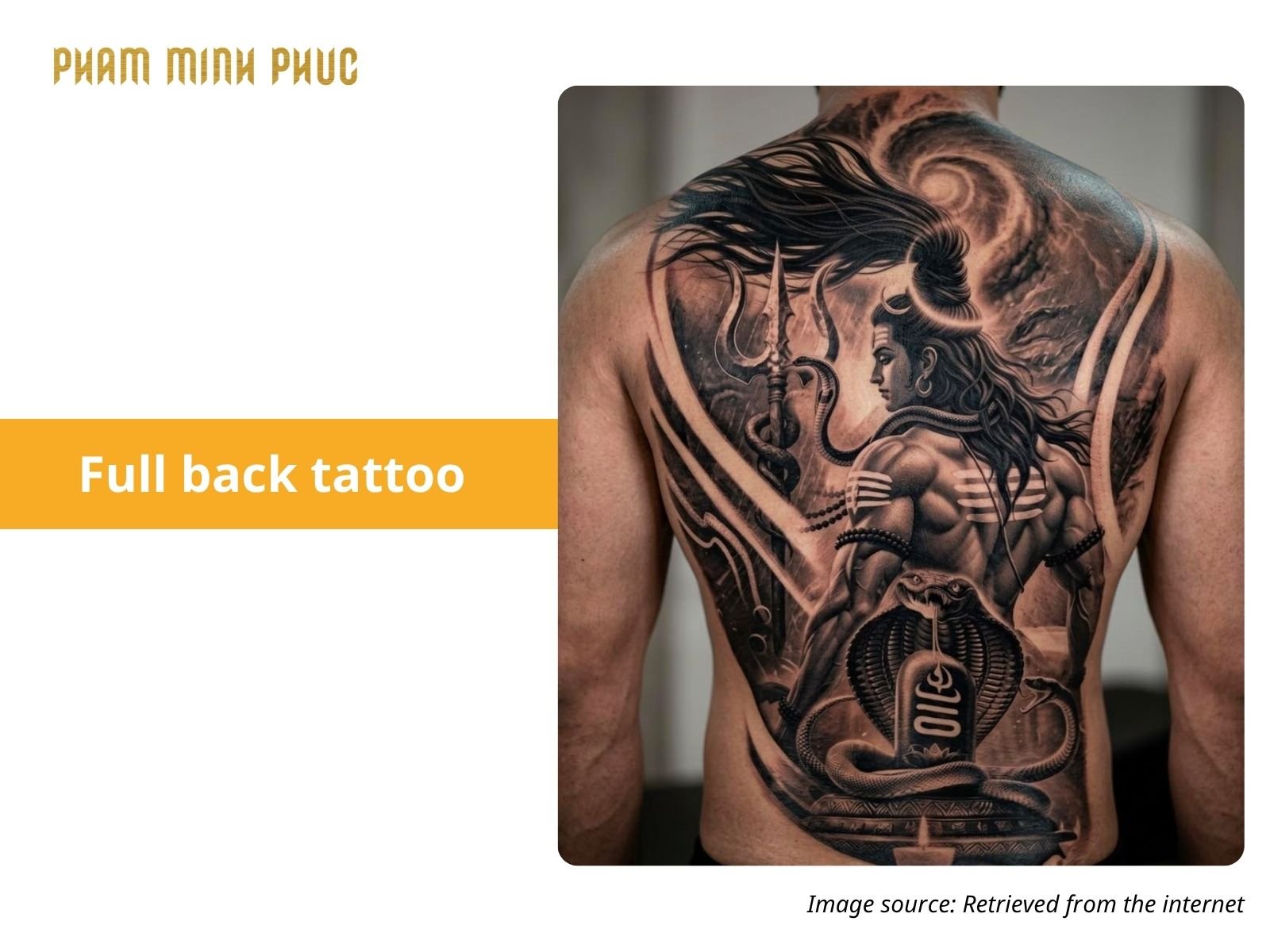
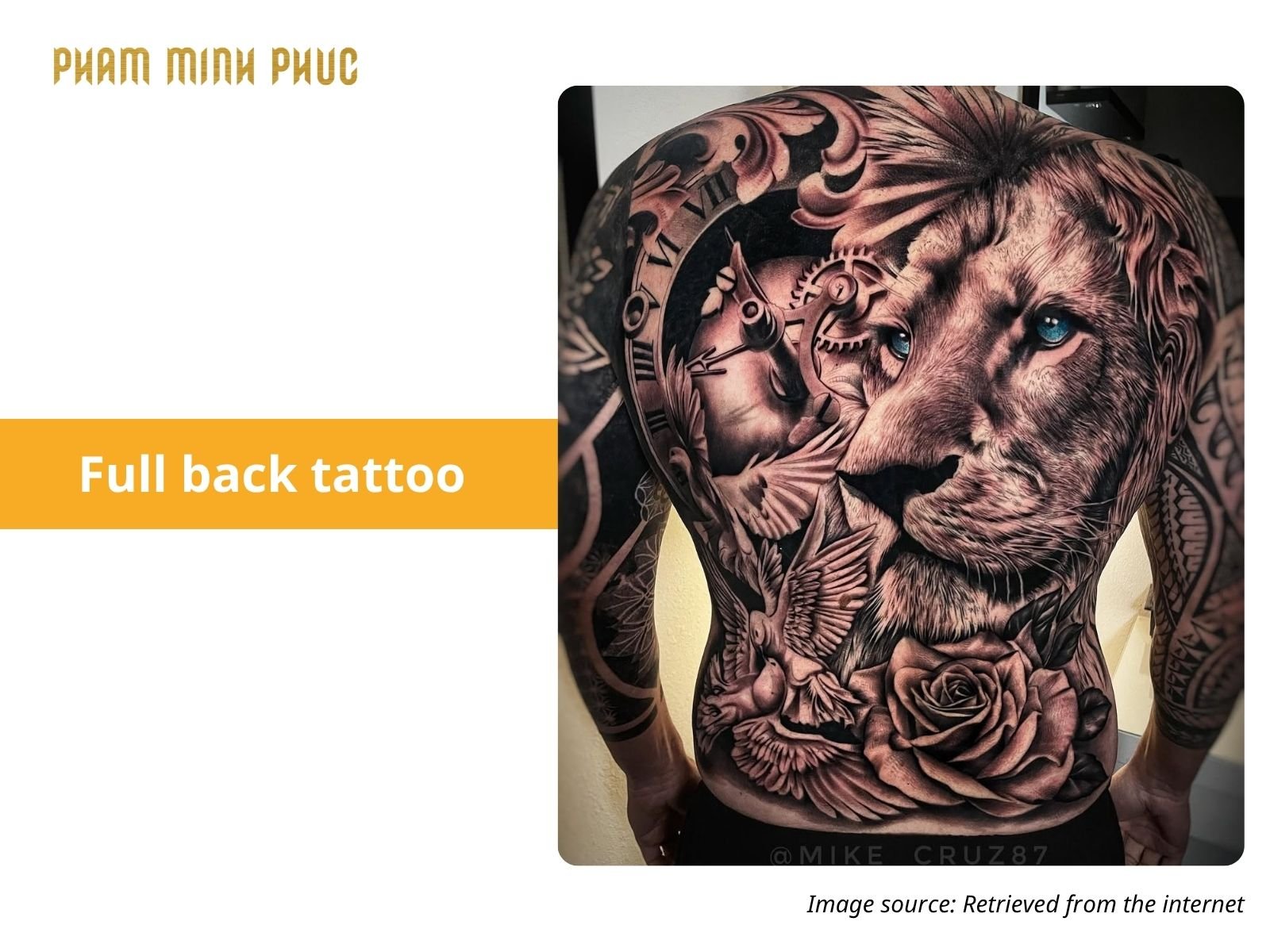
A full-back tattoo turns most of the posterior torso into one connected composition rather than a collection of isolated pieces. The design can extend from the shoulders toward the waist and may continue toward the sides, ribs, or hips. This ultimate commitment requires significant time, budget, and endurance to complete.
Japanese-inspired artwork, realism, mythological scenes, black and grey tattoos, fantasy pieces, biomechanical work, and large illustrative compositions can all make use of this scale.
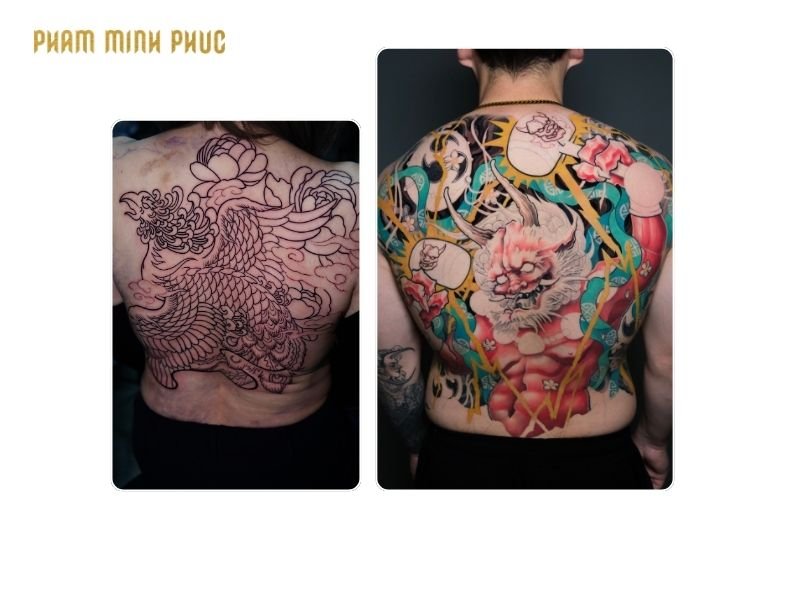
A successful full-back design needs visual hierarchy. The main subject should remain easy to identify, while secondary imagery, background, and negative space support it rather than competing for attention. A highly skilled artist will strategically place the heaviest shading over well-cushioned areas while reserving delicate details for the highly sensitive zones near the hips and tailbone.
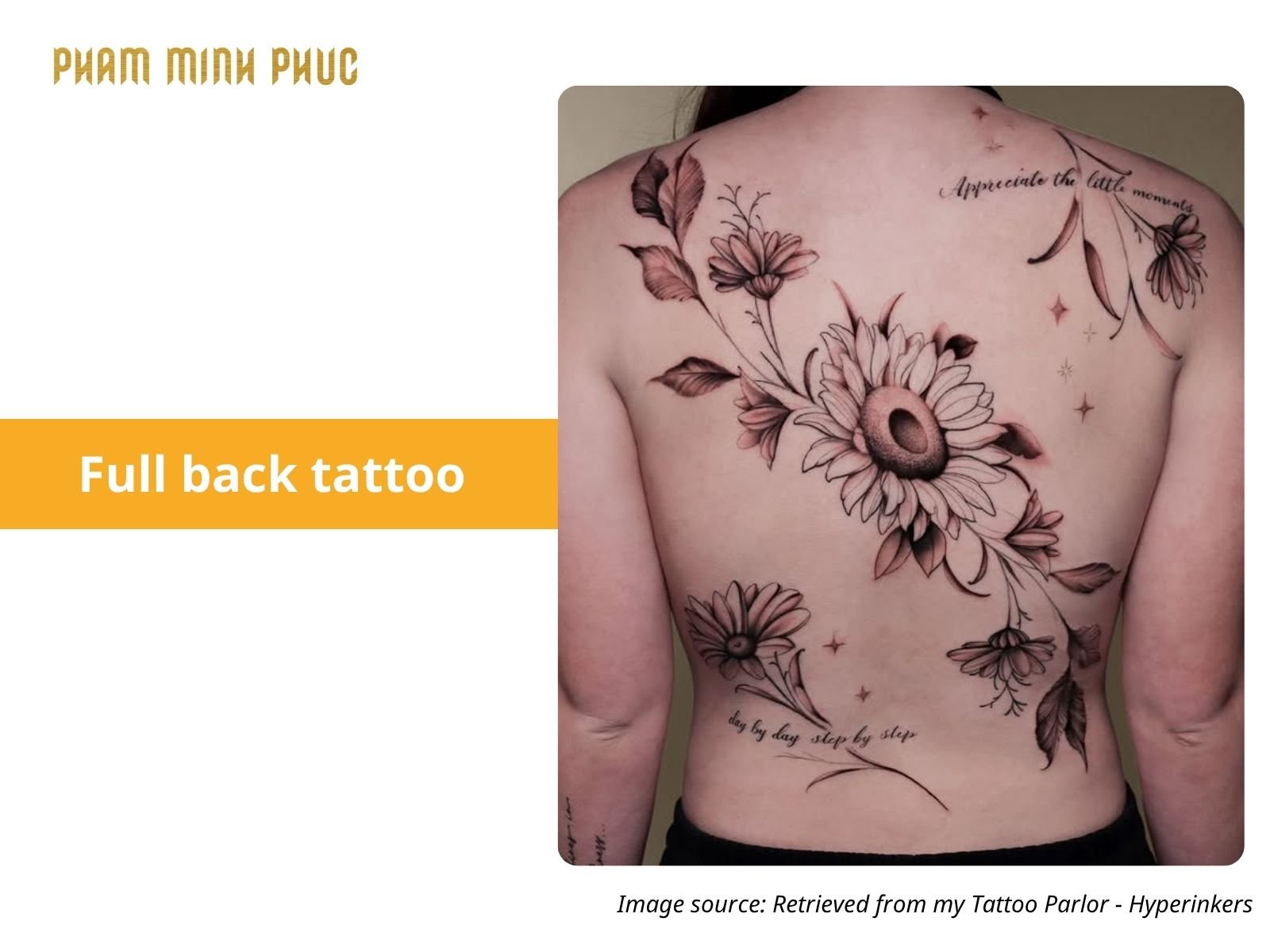
When I plan a large back piece, I first decide where the primary subject should read most clearly from a normal viewing distance. I then use the surrounding elements to connect that focal point with the shoulders, spine, waist, or sides.
You must prepare for a long-term artistic journey spanning multiple lengthy sessions.
How Painful Is a Back Tattoo?
You can expect back tattoo pain to range from around 3–4/10 on fleshier areas away from the spine to around 7–8/10 directly over the spine.
On broader muscular areas of your back, the extra cushioning can make the sensation feel more like a dull scratch or pressure. As the tattoo moves closer to your spine, you may notice a sharper sensation and stronger vibration because there is less soft tissue over the vertebrae. If you are getting a large back tattoo, session length can also affect how difficult the experience feels. Even a relatively manageable area may become tiring after repeated lining, shading, and detail work.
During a full-back project, you may feel noticeable changes in intensity as your artist moves between the broader outer back and areas closer to the spine.
How to Choose the Right Back Tattoo Placement
You should choose a back tattoo placement based on the size of your design, how you want it to sit on your body, any existing tattoos, and whether you may expand the artwork later.
- If you want a standalone tattoo, make sure the design feels balanced within the empty space around it. A very small piece placed in the center of a large open back can look isolated, while the same design may feel more intentional near the upper spine or shoulder blade.
- If your design depends on symmetry, the spine can provide a useful visual reference. Your shoulder height, posture, and muscle shape should still guide the final stencil instead of forcing the artwork into perfect geometric alignment.
- If you already have tattoos on your back, consider how the new piece should relate to them. You may want the designs to connect, remain clearly separated, or leave enough negative space for each tattoo to remain readable.
You should also think about future expansion before committing to a medium or large placement. If you may eventually build a full-back piece, leaving usable space toward the shoulders, ribs, waist, or remaining back area gives your artist more flexibility later.
Women commonly choose the upper back, spine, shoulder blade, and lower back for floral, ornamental, fine-line, and centered designs. Men often choose the upper, middle, and full back for realism, Japanese-inspired work, animals, lettering, and larger compositions. These are common preferences rather than placement rules.
How to Prepare for a Back Tattoo Appointment?
To prepare for a back tattoo appointment, you should:
- Get enough sleep the night before, particularly if you are beginning a large upper-back or full-back piece that may require several hours of tattooing.
- Eat a normal meal before your appointment and bring water or a small snack if your artist expects a long session.
- Avoid alcohol before getting tattooed because it can affect hydration, bleeding, judgment, and how comfortably you handle the appointment.
- Check the skin on your back before the session. Sunburn, cuts, irritation, or an active skin problem may mean the area should not be tattooed until it has recovered.
- If you are starting a large back project, ask how the work will be divided across sessions. Knowing which section will be tattooed first can help you plan your clothing, transportation, and recovery afterward.
What Should You Wear for a Back Tattoo Appointment?
You should wear loose clothing that lets your artist expose the exact part of your back without forcing tight fabric over the tattoo afterward.
- For an upper-back or shoulder-blade tattoo, a loose button-up shirt can often be moved aside or worn in a way that gives the artist access while keeping the front of your body covered.
- For a lower-back tattoo, choose a loose top and bottoms with a waistband that does not sit directly over the planned placement.
- A full-back session may require access to a much larger part of the torso, so ask your artist what clothing will work before the appointment. Proper draping can keep areas that are not being tattooed covered.
Avoid tight shirts, compression clothing, or rough seams that will press directly against the fresh tattoo when you leave the studio.
How Do You Care for a Back Tattoo?
You care for a back tattoo with the same basic cleaning and moisturizing routine as other tattoos, but you may need help reaching the area and should reduce pressure from clothing, chairs, and sleeping positions while it heals. If you cannot comfortably reach the tattoo, ask someone you trust to help with cleaning or applying aftercare products according to your artist’s instructions. Avoid aggressively twisting or stretching your torso just to reach the center of your back.
Loose clothing can reduce rubbing, especially on the upper and middle back where shirts remain in contact with the tattoo throughout the day. A fresh back tattoo may also press against chairs, car seats, or bedding. You do not need to avoid sitting or sleeping completely, but change position when direct pressure creates discomfort or repeated friction.
When showering, use lukewarm water and clean the tattoo gently rather than scrubbing it.
You should also follow your artist’s instructions for dressing, cleaning, and moisturizing throughout the healing process.
For more detailed guide, you can read my full tattoo aftercare guide.
Back Tattoo Placement FAQs
What Is the Best Placement for a Back Tattoo?
The best back tattoo placement depends on the shape, size, and direction of your design. Wide artwork often fits the upper back, vertical designs suit the spine, standalone pieces can work on a shoulder blade, and larger connected compositions can use the middle or full back.
What Size Should a Back Tattoo Be?
Your back tattoo should be large enough to preserve the important details without looking disconnected from the surrounding space. Small tattoos often feel more intentional near the shoulder blade, upper spine, or another clear anatomical landmark. Medium and large designs can make use of the upper or middle back, while a full-back tattoo should only use that scale when the composition genuinely needs it.
Is the Back a Good Place for a First Tattoo?
Yes, some areas of the back can work well for a first tattoo, particularly fleshier areas away from the spine. Those broader areas are generally around 3–4/10 for pain, while the spine is much more sensitive at around 7–8/10. The size of your design and length of the session should also influence your decision.
Can You Hide a Back Tattoo Easily?
Yes. Most back tattoos can be completely covered by everyday shirts and work clothing. Upper-back designs may become visible with open-back or wide-neck clothing, while lower-back tattoos can show above some waistlines.
How Long Does a Full Back Tattoo Take?
A full-back tattoo usually requires multiple sessions, and the total time depends on your body size, design complexity, tattoo style, and the amount of shading or color involved. A detailed realism or Japanese-inspired composition can require substantially more work than a simpler design, so your artist should estimate the project after the artwork and coverage are confirmed.
What Are Popular Back Tattoo Placements for Women?
Popular back tattoo placements for women include the upper back, spine, shoulder blade, and lower back.
Fine-line florals, ornamental designs, vertical artwork, and centered compositions are common choices, but the best position should depend on your anatomy, design, and preferred visibility rather than gender.
Can a Spine Tattoo Paralyze You?
A spine tattoo cannot paralyze you under any circumstances. Tattoo needles only penetrate the superficial dermis layer of the skin, resting mere millimeters below the surface. The spinal cord sits deeply protected beneath thick layers of muscle, dense cartilage, and heavy solid bone. The tattoo machine physically cannot reach or damage the actual spinal column or nerve clusters responsible for your motor functions.
See full my tattoo placement guide to choose best spot for you
A back tattoo can remain one standalone piece or become the beginning of artwork that eventually covers much more of the torso. That possibility makes the position of the first tattoo important. Before you approve the stencil, look at how the design relates to your spine, shoulder line, waist, and any empty space you may want to use later. For a larger project, planning those relationships early gives the composition more room to develop naturally.
If you are considering a large or connected back tattoo, you can contact me, Minh Pham, for a consultation so we can plan the placement, scale, and future composition before the first session.